
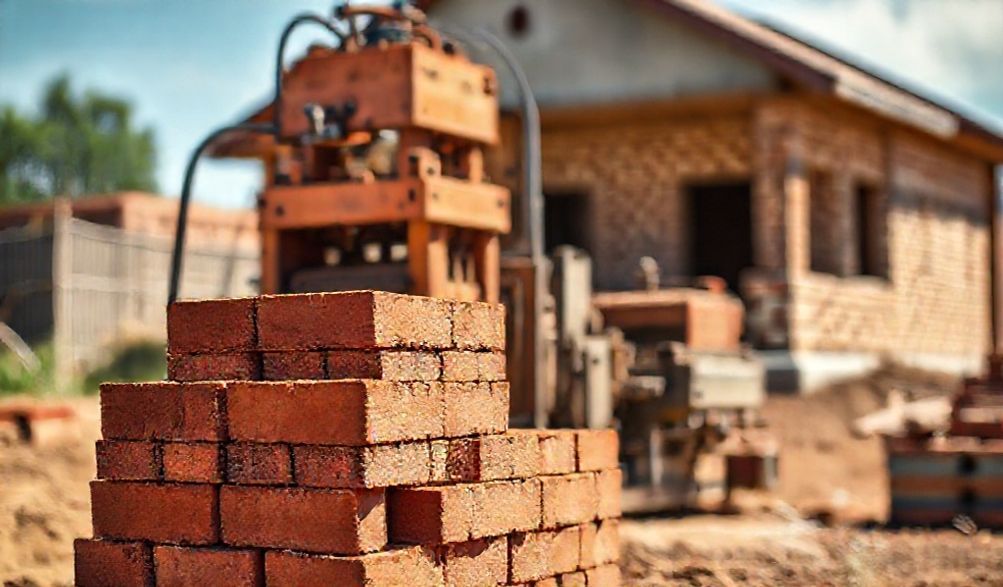
دليلك النهائي لآلات صنع الطوب للبيع في زيمبابوي (دليل المشتري 2024)
مقدمة
تتغير أفق زيمبابوي وضواحيها. مدفوعة بمشاريع البنية التحتية الوطنية، والتوسع الحضري، والحاجة الماسة للإسكان الميسور التكلفة، يشهد قطاع البناء نمواً مستداماً. وفي صلب هذا البناء يوجد مكون أساسي: الطوب. بالنسبة لرواد الأعمال، والبنائين، والتعاونيات، يمثل هذا فرصة كبيرة. الاستثمار في آلة صنع الطوب ليس مجرد شراء؛ بل هو حصة في بناء مستقبل الأمة.
يُعد هذا الدليل مصدرك الشامل والمحايد لاستكشاف سوق آلات صنع الطوب في زيمبابوي. استناداً إلى تحليل شامل للسوق، وفهم تقني عميق، ورؤى مباشرة للتحديات التشغيلية المحلية - بدءاً من إمدادات الطاقة وصولاً إلى مصادر المواد الخام - نتجاوز خطابات التسويق المبالغ فيها. هدفنا هو تقديم نصائح واقعية وعملية لمساعدتك على اتخاذ قرار استثماري واثق ومستنير. سواء كنت تستكشف...آلات صنع الطوب للبيع في زيمبابويلشركة ناشئة صغيرة أو مشروع واسع النطاق، تم تصميم دليل المشتري هذا لعام 2024 ليمدك بالمعرفة التي تحتاجها لتحقيق النجاح.
فهم سوق آلات صناعة الطوب في زيمبابوي
يتطلب التنقل في سوق الآلات فهم القوى الدافعة للطلب وأنواع المعدات المتاحة محليًا. تشكل هذه المعرفة أساس الاستثمار الذكي.
محركات الطلب: قطاع البناء والإسكان في زيمبابوي
الطلب على الطوب مرتبط مباشرة بالتطور المرئي والمستمر.
- مشاريع البنية التحتية الوطنية:تخلق المبادرات التي تقودها الحكومة والمركزة على الطرق والسدود والمرافق العامة طلبًا مستمرًا على مواد البناء.
- الطلب على السكن الحضرييستمر التوسع الحضري السريع في مدن مثل هراري وبولاوايو وموتاري في تغذية الحاجة لوحدات سكنية سكنية، سواء الفاخرة أو الميسورة التكلفة.
- التمكين الاقتصادي واستبدال الوارداتتعزز صناعة الطوب المحلية الاقتصاد من خلال خلق فرص العمل، ودعم الصناعات المساعدة، وتقليل الاعتماد على مواد البناء المستوردة. كما أنها تمكّن المجتمعات المحلية ورواد الأعمال.
أنواع آلات صناعة الطوب المتاحة
اختيارك للآلة سيحدد قدرتك الإنتاجية واحتياجاتك من العمالة والاستثمار الأولي. إليك تفصيلًا للأنواع الرئيسية المتاحة في السوق الزيمبابوي.
آلات صنع الطوب اليدوية
مثالي لرواد الأعمال المبتدئين، والمشاريع المجتمعية، أو الإنتاج على نطاق صغير.
* التكلفة:أقل نقطة دخول من حيث التكلفة (عادةً من بضع مئات إلى بضعة آلاف من الدولارات).
* العملية:يعتمد بشكل كامل على العمالة البشرية في الخلط والتغذية والكبس.
* الإخراج: Lower production (e.g., 500-1,500 bricks per day).
* الأفضل لـ: Startups testing the market, locations with no electricity, or producing bricks for personal construction projects.
آلات شبه آلية
This category offers a balance, automating the pressing and molding process while requiring manual feeding of raw material.
* التكلفة: Moderate investment (price varies significantly based on features).
* العملية: Uses mechanical or hydraulic systems to form bricks; operator loads the mix.
* الإخراج: Significantly higher than manual machines (e.g., 2,000 – 10,000 bricks per 8-hour shift).
* الأفضل لـ: Growing businesses looking to scale production reliably with a small team.
مصانع الطوب الآلية بالكامل
These are industrial systems designed for maximum output with minimal manual intervention.
* التكلفة: Substantial capital investment.
* العملية: Automated from material feeding to brick stacking, often controlled via a PLC system.
* الإخراج: High-volume production (e.g., 10,000+ bricks per shift).
* الأفضل لـ: Large-scale commercial ventures, supplying major contractors, or established manufacturers expanding capacity.
Key Local Suppliers and Distributors
The supplier landscape in Zimbabwe includes established machinery importers, local agents for international brands (like Chinese, Indian, or South African manufacturers), and some local fabricators.
- Established Importers: Companies with long-standing showrooms in Harare or Bulawayo, offering a range of machines and often providing after-sales service.
- Local Agents: Individuals or firms representing specific foreign manufacturers. They may not hold stock but facilitate direct imports.
- Critical Trust Check: Always verify a supplier’s physical address, business longevity, and request contactable references from past clients. If possible, visit their showroom to inspect the machinery firsthand. Checking for membership with industry bodies or the Consumer Council of Zimbabwe can add a layer of credibility.
Critical Factors Before You Buy a Brick Making Machine
Beyond the brochure specifications, success hinges on how well the machine aligns with your specific context. These are the non-negotiable factors to consider.
تقييم احتياجات الإنتاج والميزانية
Start with clear goals. How many bricks do you need to produce per day or month to meet your business or project targets? Your budget must account for the التكلفة الإجمالية للملكية:
* Machine Purchase Price
* Shipping and Customs Clearance (if importing)
* Installation and Foundation Costs
* Cost of Molds for different brick types
* Ongoing Maintenance and Spare Parts
Power Source Considerations: Electricity, Diesel, or Manual?
This is perhaps the most critical decision for Zimbabwean operators.
* Electric Machines: Common and efficient, but vulnerable to load-shedding. A viable option only if you have a reliable inverter/battery backup system or generator to cover outages. Consider the voltage (single or three-phase) requirements.
* Diesel-Powered Machines: Higher fuel costs but offer complete independence from the grid. Ideal for remote sites or areas with prolonged power cuts. Factor in diesel availability and costs.
* الآلات اليدوية: Zero power dependency, but limited by human capacity. The ultimate backup for power-agnostic production.
توافق المواد الخام
Not all soil is equal. The quality of your bricks starts with the quality of your raw material.
* Soil Testing is Essential: Before buying any machine, test your soil’s clay, silt, and sand content. The ideal mix is about 30% clay and 70% sand/silt. Many suppliers or local agricultural offices can guide on testing.
* Cement-Based Machines: If producing concrete blocks (using cement, quarry dust, and sand), ensure your machine is designed for that purpose. The mix design and compression requirements differ from soil-based bricks.
* Machine Adjustment: Better quality machines allow for pressure adjustment to accommodate different material consistencies.
الدعم ما بعد البيع: العامل الحاسم بين النجاح والفشل
A machine without support is a future scrap metal. This factor can determine your profitability.
* الدعم الفني المحلي: Does the supplier have a technician in Zimbabwe, or will you need to wait for one from abroad? What are the response times?
* توفر قطع الغيار Are common wear-and-tear parts (like seals, molds, or hydraulic hoses) stocked locally? If not, what is the lead time for ordering?
* تدريب Does the purchase include comprehensive on-site training for your operators? Proper training prevents damage and ensures optimal brick quality.
* الضمان: What is covered, for how long, and what are the terms? Get this in writing.
Featured Types of Machines and Their Applications
Understanding the different technologies helps you match the machine to your end product.
Hydraulic Press Brick Machines (e.g., for interlocking bricks)
These machines use high hydraulic pressure to compress soil or a soil-cement mix into incredibly dense, strong bricks.
* فوائد: Produces interlocking bricks that require little to no mortar, saving on building costs. Excellent compressive strength and thermal properties. Highly sustainable, as they can use on-site soil and are often cured by sun-drying rather than firing.
* التطبيقات: Ideal for low-cost housing projects, perimeter walls, and sustainable building initiatives.
Concrete Block Making Machines
These are workhorses of the modern construction industry, designed to use a concrete mix.
* فوائد: Versatile in output. With different molds, one machine can produce hollow blocks, solid blocks, paving slabs, kerbstones, and more.
* التطبيقات: Standard for commercial buildings, residential housing (using hollow blocks), and civil infrastructure projects like pavements and drainage.
آلات صنع الطوب المتنقلة
Built on a trailer or skid frame, these units can be towed directly to a construction site.
* فوائد: Eliminates the cost and hassle of transporting heavy bricks over long distances. Produce bricks on-demand, right where they are needed, using on-site material.
* التطبيقات: Large-scale housing developments, remote construction sites (e.g., dams, mining camps), and disaster reconstruction projects.
Navigating the Purchase Process in Zimbabwe
Knowing where to look and what to ask separates a savvy buyer from a disappointed one.
Where to Find Reliable Sellers
- Local Industrial Machinery Suppliers: The most reliable starting point. Visit their premises in major industrial areas.
- Online Marketplaces & Classifieds: Platforms like EcoBrick, MyClassifieds, and others list brick making machine suppliers Zimbabwe. Exercise caution: verify the seller’s identity before any payment. “Construction equipment Zimbabwe” is another useful search term.
- Direct Import vs. Local Dealer: Importing yourself may seem cheaper but introduces complexities: shipping logistics, customs clearance (ZIMRA), duty payments, and no local support. A reputable local brick machine dealer, while possibly costing more upfront, provides invaluable peace of mind and support.
Essential Questions to Ask Your Supplier
Treat your first meeting as an interview. Come with this checklist:
1. What is the exact warranty period and what does it cover?
2. What is the delivery timeline, and does the price include delivery to my site?
3. Do you provide installation and commissioning services?
4. Can you provide user manuals and wiring diagrams in English?
5. Do you have a list of clients in Zimbabwe or the SADC region I can speak to?
6. Where are your nearest technical support staff and spare parts located?
Understanding Costs: Pricing Guide and Financing Options
Prices are highly variable. Use these USD estimates as a 2024 guide only:
* الآلات اليدوية: $500 – $3,000
* الآلات شبه الآلية: $5,000 – $25,000+
* النباتات الآلية بالكامل: $30,000 – $150,000+
* Financing: Explore options with local banks, microfinance institutions, or check if the supplier has a partnership with a leasing company. Some government empowerment programs may also offer relevant funding avenues—always verify the current status directly with the relevant ministry or institution.
Maximizing Your Investment: Operation and Maintenance
Protect your investment with proper care from day one.
Basic Setup and Safety Protocols
- Ensure the machine is placed on a perfectly level and solid concrete foundation.
- All operators must wear appropriate Personal Protective Equipment (PPE): safety boots, gloves, and eye protection.
- Never clear jams or perform adjustments while the machine is powered on.
Routine Maintenance Checklist for Longevity
- Daily: Clean the machine thoroughly after use. Check hydraulic oil levels and for any leaks. Grease all moving parts as per the manual.
- Weekly: Inspect molds for wear and damage. Tighten any loose bolts and nuts.
- Monthly: Check hydraulic hoses for cracks. Change hydraulic oil and filters as recommended by the manufacturer.
Troubleshooting Common Issues
- Poor Brick Quality (Crumbling): Usually a raw material issue—test and adjust your soil/sand/cement mix ratio. It could also be insufficient compression pressure.
- Machine Jamming: Often caused by overfeeding, foreign objects in the mix, or overly wet material. Stop the machine, clear it completely, and adjust feed consistency.
- Hydraulic Leaks: Identify the source. Often, it’s a loose fitting or a worn seal. Address leaks immediately to prevent system damage.
الأسئلة الشائعة (FAQ)
Q1: What is the price range for a good brick making machine in Zimbabwe?
أ: “Good” is defined by reliability and support, not just price. You can find basic manual machines from around $500, while a reliable, productive semi-automatic machine with local support typically starts from $8,000-$15,000. Large automatic plants run into tens of thousands. Always budget for after-sales support.
Q2: Can I get a brick making machine that doesn’t rely on ZESA?
أ: Absolutely. Diesel-operated machines are widely available and are a popular choice for overcoming power challenges. Fully manual machines also eliminate power needs, though with lower output. Many electric models can also be adapted to run on a generator.
Q3: Are there any government incentives for purchasing brick making machinery?
أ: Policies change. It is crucial to directly consult with the Ministry of Industry and CommerceأوZIMRA to inquire about any current duty rebates, import tax structures, or empowerment schemes for capital equipment that supports local manufacturing and housing delivery.
Q4: What is the production output I can expect from a medium-sized machine?
أ: A typical semi-automatic hydraulic press or block-making machine can produce between 3,000 to 8,000 standard bricks or blocks in an 8-hour shift, depending on the model, crew efficiency, and cycle time.
Q5: How do I verify if a supplier is reputable?
أ: Check their business registration and physical address. Ask for at least three references from past clients and actually contact them. Visit their workshop. Search online for the company name alongside keywords like “review” or “complaint.” Contact the Consumer Council of Zimbabwe to see if any disputes are registered.
خاتمة
اختيار الـ... المناسبbrick making machine for sale in Zimbabwe is a strategic decision that hinges on aligning technology with your specific production goals, budget, and local operational realities—especially power and support. This guide has armed you with the questions to ask and the factors to weigh.
Your due diligence is the most important step. Use this guide as a checklist. Visit multiple suppliers, inspect their equipment, and demand clear answers about after-sales support. By making an informed investment, you’re not just buying a machine; you’re laying the foundation for a profitable enterprise that contributes tangibly to Zimbabwe’s growing built environment. Start building.
Author Bio: This guide was compiled by a technical research team with extensive experience in analyzing industrial and construction machinery markets within the SADC region. Our insights are drawn from continuous market engagement, supplier interviews, and a deep understanding of the practical challenges faced by entrepreneurs in Zimbabwe’s vibrant construction sector.
<