
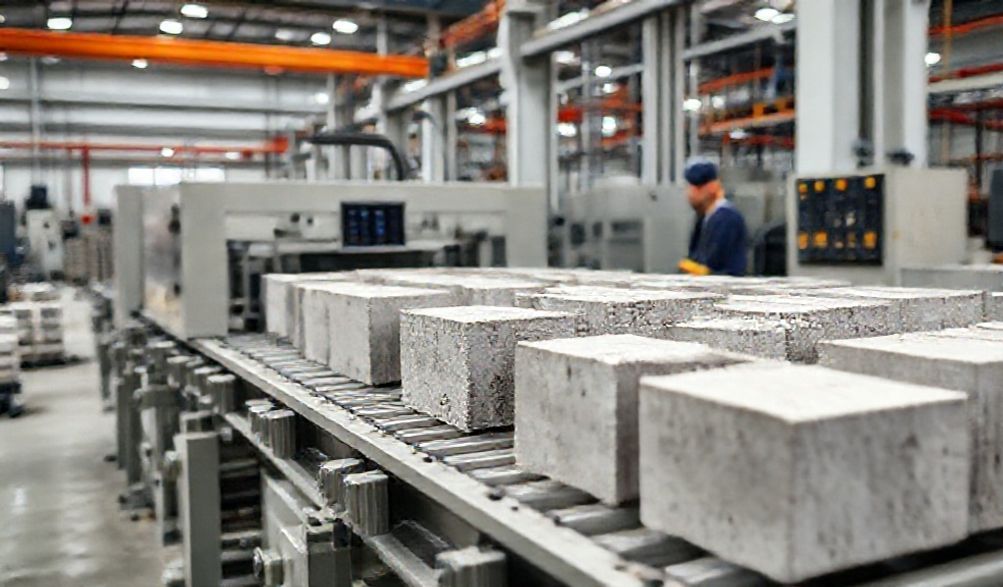
Your Ultimate Guide to Choosing a Trusted Block Machine Supplier in China
The global construction industry’s appetite for durable, cost-effective building materials is insatiable. At the heart of producing these materials—concrete blocks, paving stones, interlocking bricks—lies the block making machine. For businesses worldwide, China has emerged as the undisputed epicenter for sourcing this critical equipment, offering an unparalleled blend of scale, technology, and value.
Yet, for every story of a successful partnership that boosted profitability, there’s a cautionary tale of miscommunication, subpar machinery, and logistical nightmares. The vastness of the Chinese market can be overwhelming. How do you separate the reputable manufacturers from the fly-by-night traders?
This guide is your strategic compass. We move beyond basic directory listings to provide a framework built on industry insight and practical steps. Our goal is to empower you to find more than just a vendor; to identify a reliable block machine supplier in China that acts as a true partner in your long-term growth, ensuring your investment builds a foundation for success, not headaches.
Understanding the Chinese Block Machine Market Landscape
Navigating the Chinese industrial landscape requires a map. Understanding where manufacturers cluster, what advantages they offer, and the potential pitfalls will position you for a smarter search.
Market Overview: Scale and Specialization
China’s manufacturing might is not evenly dispersed; it’s concentrated in powerful industrial hubs. Knowing these regions helps you understand a supplier’s context.
- Manufacturing Hubs: Key provinces include:
- 山东: Often considered the heart of heavy machinery and construction equipment manufacturing, hosting many established, large-scale factories.
- فوجيان و قوانغدونغ: These coastal provinces are known for a mix of innovative, tech-forward manufacturers and export-savvy trading companies. You may find newer entrants focusing on automation here.
- Types of Suppliers: The market is broadly split into two:
- Large-Scale OEMs (Original Equipment Manufacturers): These are full-scale factories with in-house design, casting, machining, and assembly. They offer strong R&D, standardization, and volume capacity.
- ورش عمل متخصصة: Smaller, often family-run operations that might excel at specific machine types or offer highly customized solutions. Agility can be a strength, but scale and formal processes may be limited.
Key Advantages of Sourcing from China
The migration to Chinese suppliers isn’t just about cost—it’s about capability.
- فعالية التكلفة: Significant savings are possible due to economies of scale, efficient supply chains, and competitive labor markets. This doesn’t automatically mean lower quality; many suppliers use standardized, high-quality components (like Siemens or Schneider electrics) within a cost-effective structure.
- Unmatched Variety: Whether you need a simple manual egg-laying block machine, a high-output fully automatic stationary plant, or a specialized machine for fly ash or interlocking bricks, the range available is exhaustive.
- التبني السريع للتكنولوجيا: Chinese manufacturers are quickly integrating Industry 4.0 principles. It’s now common to find machines with:
- PLC (Programmable Logic Controller) touch-screen control systems.
- Semi and fully automated material handling and stacking systems.
- Energy-efficient hydraulic systems and vibration technologies.
التحديات الشائعة وكيفية التغلب عليها
Awareness is your first line of defense. The primary challenges are:
- Quality Variance: The gap between a top-tier and a low-tier manufacturer can be vast. Solution: Rigorous evaluation (detailed later) is non-negotiable. Never assume quality based on price alone.
- Communication & Culture: Language barriers and different business etiquettes can lead to misunderstandings. Solution: Use clear, simple English in all communications. Confirm understanding by asking for summaries. Patience and respect go a long way.
- Logistics & After-Sales: The machine’s journey from the factory floor to yours is complex. Solution: Partner with a supplier experienced in international shipping. Clearly define Incoterms (FOB, CIF), and prioritize suppliers with a documented after-sales service plan before you buy.
Essential Criteria for Evaluating Suppliers (The E-E-A-T Framework)
Forget random checklists. We advocate using the إي-إي-إي-تي framework—a concept familiar in quality content evaluation, perfectly adapted here for supplier due diligence. It stands for Experience, Expertise, Authoritativeness, and Trustworthiness.
Demonstrating Experience: Track Record Matters
A long business history suggests stability, but proven project experience is what counts.
- Verify Years in Business: Check business licenses (via platforms like Alibaba’s “Company Verification”).
- Demand a Project Portfolio: Ask for a list of past projects, preferably with:
- Client location (experience in your region is a plus).
- Machine type and capacity.
- Photographs or short case studies.
- Material & Climate Experience: If you use unique local raw materials or operate in extreme climates, a supplier with relevant experience is invaluable.
Assessing Expertise: Technical Proficiency
Can they talk the talk and walk the walk? Their technical depth will determine your machine’s performance.
- Interrogate Their R&D: Ask about their engineering team’s size and background. Do they design their own molds and control systems?
- Gauge Technical Support: The quality of pre-sales questions is telling. A good supplier will ask detailed questions about your:
- Desired block type, size, and output.
- Available raw material composition.
- Local power supply and factory space.
- Ask Specifics: Inquire about core technical details like hydraulic pump brands, vibration motor power, control system logic, and expected energy consumption per block.
Establishing Authoritativeness: Industry Reputation
What do industry bodies and peers say about them? Authoritativeness is earned recognition.
- Certifications are Key: Look for valid, verifiable certificates. The most important are:
- علامة CE: Mandatory for the European market, indicating conformity with health, safety, and environmental protection standards.
- آيزو 9001: Demonstrates a certified Quality Management System.
- Industry Presence: Have they been featured in construction industry publications? Do they regularly participate in major international trade shows like Bauma ChinaأوCanton Fair? This indicates investment in their professional standing.
Building Trustworthiness: Transparency and Reliability
This is the cornerstone of the relationship. Trust is built through actions and transparency.
- Communication Clarity: Are they prompt, clear, and consistent? Do they avoid vague answers?
- Contract Scrutiny: A professional, detailed contract in English is a must. It should unambiguously cover machine specs, delivery timeline, payment terms, warranty, and liability.
- Verifiable Proof: Insist on:
- Customer Testimonials/References: With contact information you can use.
- تقارير مراجعة المصنع: From third-party inspectors (e.g., SGS, BV) or provide a comprehensive self-audit video.
- Warranty & Spare Parts Policy: A clear, written warranty (typically 12-18 months) and a catalog/pricing for common spare parts.
A Step-by-Step Supplier Selection Process
Now, let’s translate that framework into actionable steps.
Step 1: Comprehensive Online Research & Shortlisting
- Leverage B2B Platforms: Start on AlibabaأوMade-in-China. Use filters for “Verified Suppliers,” “Trade Assurance,” and “On-site Checked.” Read product descriptions critically.
- Go Beyond the Platform: Visit the supplier’s standalone corporate website. A professional site with detailed technical downloads (manuals, CAD drawings) is a positive sign.
- Social Proof: Check for active LinkedIn profiles or YouTube channels showing machines in operation.
Step 2: In-Depth Communication & Quotation Analysis
- Craft a Detailed RFQ: Your Request for Quotation should be a standardized document sent to all shortlisted suppliers. Include:
- Required block specifications (size, type, compressive strength).
- Target output (blocks per hour/shift).
- Raw material details.
- Request for a complete quotation breakdown.
- Decode the Quotations: Compare line by line. Watch for hidden costs in:
- Incoterms: Is it FOB (you handle shipping from port) or CIF (they handle to your port)?
- Accessories: Are molds, pallets, and a control cabinet included?
- Services: Is installation, training, or foundation drawing included?
Step 3: Due Diligence: Factory Audit & Reference Checks
- The Factory Audit is Non-Optional: If an in-person visit isn’t feasible, insist on a live video tour via WhatsApp or Zoom. Ask to see the workshop, assembly lines, quality control area, and finished goods warehouse.
- Conduct Reference Checks: Contact 2-3 past international clients. Ask scripted questions:
- “Was the machine delivered on time and as specified?”
- “How has the machine’s performance and reliability been?”
- “How responsive is the supplier to after-sales and spare parts requests?”
Step 4: Negotiation, Contract, and Payment Safeguards
- Protective Contract Clauses: Ensure the contract includes penalty clauses for significant delays, a detailed machine specification appendix, and clear warranty/return policies.
- Secure Payment: Never use 100% T/T (Telegraphic Transfer) upfront. A standard secure term is:
- 30% deposit after signing the contract.
- 60% against copy of shipping documents.
- 10% after successful installation and commissioning.
- Always use a platform’s escrow service (like Alibaba Trade Assurance) whenever possible for your initial orders.
Beyond the Purchase: Ensuring Long-Term Success
Your relationship with the supplier truly begins when the purchase order is signed.
Navigating Shipping, Customs, and Installation
- Collaborate on Logistics: The supplier should provide professional export packaging (wooden crates) and all necessary documents: commercial invoice, packing list, bill of lading, and certificate of origin.
- Plan for Installation: Decide if you will use:
- Remote Guidance: The supplier guides your local team via video call.
- Sending Technicians: The supplier sends engineers for on-site installation and training (costs extra but is highly recommended for complex lines).
Maximizing Uptime: After-Sales Service and Support
This is where reliable suppliers are separated from the rest.
- Evaluate Their Service Structure: Do they have a dedicated after-sales team? What are their response time guarantees (e.g., 24-hour online support)?
- Spare Parts Strategy: Confirm lead times for critical parts (like hydraulic cylinders, vibration motors). Consider purchasing a starter spare parts kit with the machine.
- Training & Documentation: Ensure you receive clear, English operation and maintenance manuals. Inquire about formal operator training programs.
Building a Partnership for Future Growth
View your supplier as a long-term technology partner.
- A good relationship can give you priority access to machine upgrades, new mold designs, and technology insights.
- They can be a valuable resource as you plan to expand your production line or add new block products to your catalog.
الأسئلة الشائعة (FAQ)
Q1: What is the typical price range for a block making machine from China?
أ: Prices vary dramatically based on automation level, output capacity (blocks per hour), and customization. Small manual/semi-automatic machines can start from $10,000, while large, fully automatic production lines can exceed $200,000. A detailed RFQ is essential for accurate pricing.
Q2: How can I verify if a Chinese supplier is a real manufacturer and not just a trading company?
أ: Request a live video tour of the factory floor showing production and assembly. Ask for specific manufacturing process details. Check business licenses and insist on visiting the factory address (not just an office) if conducting an audit. Trading companies often hesitate or cannot provide these.
Q3: What are the most important certifications to look for?
أ: شهادة CE is crucial for exporting to Europe and indicates compliance with basic safety and environmental standards. آيزو 9001 certification demonstrates a quality management system. For electrical components, look for relevant marks. Always ask to see the actual certificates.
Q4: What are the hidden costs I should budget for?
أ: Beyond the machine price, budget for: international shipping and insurance, import duties and taxes in your country, cost of a foundation plan and local installation labor, potential costs for voltage transformers, and an initial stock of critical spare parts.
Q5: How do I handle machine breakdowns or need for spare parts?
أ: This is a key trust factor. Prior to purchase, confirm the warranty period and terms. Discuss the spare parts supply process—lead time, cost, and shipping methods. A reliable supplier will have a clear protocol and may maintain a local parts inventory in your region.
خاتمة
اختيار الـblock machine supplier in China is a strategic decision that impacts your operational efficiency and bottom line for years to come. By moving beyond a simple price comparison and applying a rigorous, E-E-A-T-focused evaluation—scrutinizing خبرة, probing الخبرة, verifying السلطة, and confirming الثقة—you transform a procurement risk into a valuable partnership.
Invest time in thorough research, clear communication, and due diligence. The result will be a high-quality machine, supported by reliable service, that becomes a cornerstone of your construction business’s success. Start your journey with a clear checklist and a commitment to quality, and you will find a Chinese supplier that is a true asset to your growth.
<