
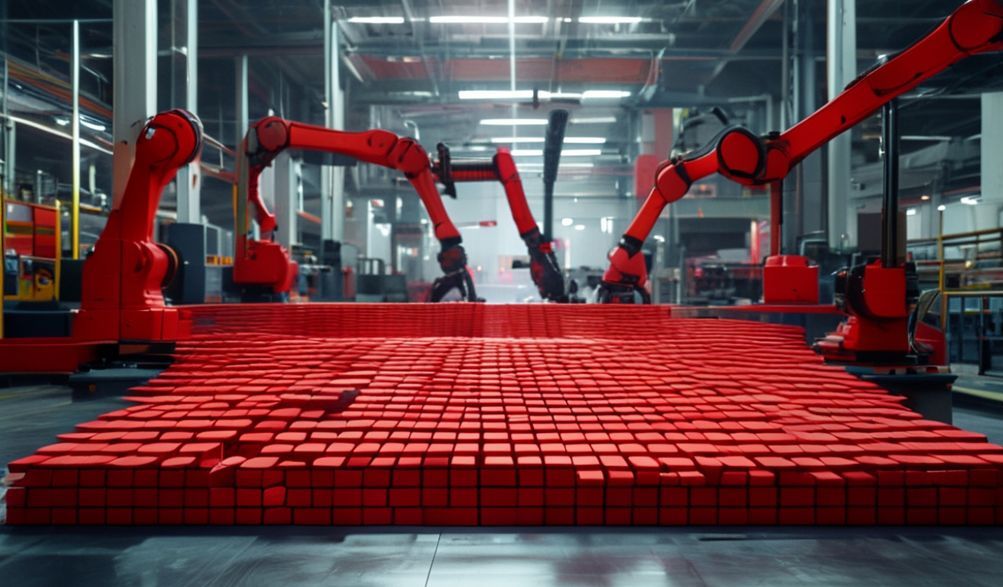
চীনে বিক্রয়ের জন্য ইট তৈরির মেশিন কেনার চূড়ান্ত নির্দেশিকা
ভূমিকা
বিশ্বব্যাপী নির্মাণ শিল্প দ্রুত বিকশিত হচ্ছে, যা নগরায়ন, অবকাঠামো উন্নয়ন এবং সাশ্রয়ী মূল্যের আবাসনের চাহিদার দ্বারা প্রভাবিত। এই প্রবৃদ্ধির কেন্দ্রে রয়েছে একটি মৌলিক প্রয়োজন: নির্ভরযোগ্য, সাশ্রয়ী নির্মাণ সামগ্রী। লাভজনক এই বাজারে প্রবেশ বা কার্যক্রম সম্প্রসারণে আগ্রহী উদ্যোক্তা ও নির্মাণ প্রতিষ্ঠানগুলোর জন্য প্রথম গুরুত্বপূর্ণ পদক্ষেপ হল উপযুক্ত উৎপাদন সরঞ্জাম সংগ্রহ। ক্রমবর্ধমানভাবে, বিশ্বের নজর এখন চীনের দিকে, যা শিল্পযন্ত্রের অপ্রতিদ্বন্দ্বী উৎপাদন কেন্দ্র হিসেবে স্কেল, প্রযুক্তি ও মূল্যের অতুলনীয় সমন্বয় প্রদান করে।
এই নির্দেশিকা আপনার জন্য একটি ব্যাপক, কর্তৃত্বপূর্ণ রোডম্যাপ হিসেবে কাজ করবে। আমরা বাজার বিশ্লেষণ, প্রযুক্তিগত তথ্য এবং অর্জিত ক্রয়সংক্রান্ত জ্ঞানকে একত্রিত করে জটিলতাকে সরল করেছি। আপনি যদি আফ্রিকার একজন ক্ষুদ্র ব্যবসায়ী, দক্ষিণ-পূর্ব এশিয়ার একজন ডেভেলপার বা দক্ষিণ আমেরিকার একজন ঠিকাদার হন, এই পোস্ট আপনাকে চীনা বাজারে আত্মবিশ্বাসের সাথে চলাচলের জন্য প্রয়োজনীয় জ্ঞান দেবে।চীনে ইট তৈরির মেশিন বিক্রির জন্য.
আমরা একটি স্পষ্ট পথের অগ্রগতির প্রতিশ্রুতি দিই। আপনি বিভিন্ন বিষয় সম্পর্কে জানতে পারবেন।মেশিনের প্রকারভেদবিশ্বস্ত উৎস শনাক্ত ও মূল্যায়ন করার উপায়সরবরাহকারীএবংনির্মাতারা, understand the true দাম and cost structure, and master the step-by-step process of importing, ensuring you receive a machine that meets your expectations for quality and performance. Let’s begin.
চীন থেকে ইট তৈরির মেশিন কেন আমদানি করবেন?
Choosing where to source capital equipment is a pivotal decision. China has become the default destination for a reason, offering distinct advantages that are difficult to match elsewhere.
Unmatched Manufacturing Scale and Variety
China’s industrial ecosystem is vast. You aren’t limited to one or two models. The range available spans from simple, affordable manual presses for community projects to colossal, fully automated production lines capable of outputting thousands of blocks per hour. This variety extends to specialized machines for producing hollow blocks, solid bricks, paving stones, interlocking bricks, and even curb stones. Whatever your niche, you’ll find a machine tailored for it.
Competitive Pricing and Cost-Effectiveness
This is often the primary driver. China’s economies of scale, efficient supply chains for raw materials like steel and hydraulics, and concentrated manufacturing clusters result in significantly lower production costs. This translates directly to a higher potential Return on Investment (ROI) for you. The initial capital outlay is typically lower than sourcing from Europe or North America, making business entry or expansion more accessible.
প্রযুক্তিগত অগ্রগতি ও উদ্ভাবন
Gone are the days when “Made in China” implied inferior technology. Chinese manufacturers have heavily invested in R&D. Modern machines feature:
* Advanced PLC Control Systems: For precise, reliable, and easy operation.
* শক্তি-দক্ষ নকশা: Utilizing optimized hydraulic systems and motors to reduce operating costs.
* High-Pressure Vibration: Ensuring dense, strong, and consistently high-quality blocks.
* Modular and Versatile Designs: Allowing quick mold changes to produce different block types and sizes on a single machine.
Types of Brick Making Machines Available in China
Understanding the categories is essential to matching the right equipment to your project.
অপারেশন অনুযায়ী: ম্যানুয়াল, আধা-স্বয়ংক্রিয় এবং সম্পূর্ণ স্বয়ংক্রিয়
- ম্যানুয়াল মেশিন: Lowest investment, human-powered. Ideal for very small-scale, low-budget startups or producing specialty bricks. Output is low and labor-intensive.
- সেমি-অটোমেটিক মেশিন: A balanced choice for small to medium businesses. They use mechanical or hydraulic power for compaction but require manual handling of raw material feeding and block removal. Offers a good mix of affordability and improved output.
- সম্পূর্ণ স্বয়ংক্রিয় মেশিন: The pinnacle of efficiency. These computer-controlled lines automate the entire process: feeding, mixing, compacting, curing, and stacking. They require a higher initial investment but minimal labor and deliver maximum, consistent output. Essential for large-scale commercial production.
By Mobility: Stationary Block Making Machines vs. Mobile Brick Machines
- স্টেশনারি ব্লক তৈরির কারখানা: These are fixed installations, often comprising the block maker, a mixer, conveyor belts, and a block curing rack system. They are designed for high-volume, centralized production at a dedicated factory site.
- মোবাইল ইট মেশিন: Built on a trailer chassis, these units can be towed directly to a construction site. They produce blocks on-location using locally sourced soil, cement, or other raw materials, drastically cutting transportation costs for the finished blocks. Perfect for decentralized projects like rural housing or large infrastructure sites.
By Output Product: Hollow Block, Solid Block, Paver, and Interlocking Brick Machines
- হোলো ব্লক মেশিন: The most common type. Produces blocks with cavities, reducing weight and material use while maintaining strength. Used for walls in buildings.
- সলিড ব্লক মেশিন: Produces dense, solid bricks used for heavy-duty paving, load-bearing walls, and foundations.
- Paver Making Machines: Designed to produce thick, durable paving stones for driveways, walkways, and patios. Often feature special surface textures.
- ইন্টারলকিং ব্রিক মেশিন: Produces bricks with designed ridges and grooves that lock together without mortar. Excellent for rapid, low-skill construction of retaining walls and certain building types.
আপনি কেনার আগে বিবেচনা করার মূল বিষয়গুলো
Jumping straight to supplier quotes is a mistake. First, define your needs clearly.
আপনার উৎপাদন প্রয়োজনীয়তা মূল্যায়ন
নিজেকে জিজ্ঞাসা করুন:
* Target Output:প্রতি ৮ ঘণ্টার শিফটে আপনার কতগুলি ব্লক প্রয়োজন? (যেমন, ৫,০০০ বনাম ২০,০০০)।
* ব্লক স্পেসিফিকেশন: What are the standard sizes and types in your local market? (e.g., 4″, 6″, 8″ hollow blocks).
* কাঁচামাল What is locally and affordably available? Cement, fly ash, quarry dust, crushed stone? The machine must be compatible.
Machine Specifications and Technical Details
Become familiar with these key terms:
* চাপ (টনেজ): Higher pressure (e.g., 150 tons vs. 50 tons) generally produces stronger, denser blocks.
* চক্র সময়: How many seconds for one complete press cycle? This directly determines hourly output.
* মোল্ডের গুণমান: Molds are critical. Are they made from high-grade, heat-treated steel? How easy are they to change? Can you source additional molds later?
* বিদ্যুৎ খরচ: Calculate the operating cost. What is the total kW requirement of the machine?
* নির্মাণের মান: Inspect the quality of welding, thickness of structural steel, and brand of hydraulic components and PLC.
Supplier Verification: The Cornerstone of a Successful Purchase
এখানেইঅভিজ্ঞতা, দক্ষতা, কর্তৃত্ব এবং বিশ্বস্ততা (ই-ই-এ-টি) become non-negotiable. Verifying your supplier is the single most important step to avoid scams and poor quality.
* ব্যবসায়িক লাইসেন্স: Use platform tools (like Alibaba’s Supplier Verification) to check legal registration.
* কার্যকাল: Prefer manufacturers with a long track record (e.g., 10+ years).
* Factory Audit Reports: Look for third-party audits from firms like SGS, Bureau Veritas, or TÜV. These reports verify the factory’s existence and basic processes.
* Client Portfolio & Patents: A reputable supplier will showcase past projects, especially international ones. Patents indicate investment in innovation.
How to Find and Evaluate Reliable Chinese Suppliers
With your requirements set, begin the search.
Utilizing B2B Platforms (Alibaba, Made-in-China.com) Effectively
These platforms are your starting point, not your finishing line.
* Use filters for “Brick Making Machine,” “Supplier Type” (prefer “Manufacturer” over “Trading Company”), and minimum order capacity.
* Pay attention to badges like “Gold Supplier” and “Assessed Supplier,” but don’t rely on them exclusively.
* Analyze the supplier’s transaction history and “Years on Alibaba” metric.
The Importance of Factory Audits and Site Visits
If your order is significant, this is a wise investment.
* Third-Party Inspection: Hire a local inspection company to visit the factory on your behalf. They will verify facilities, production capacity, and quality control.
* Personal Visit: If feasible, there’s no substitute for seeing the operation yourself, meeting the team, and testing a machine.
* Virtual Tour: At a minimum, insist on a live video call (WhatsApp, Zoom) for a real-time factory walkthrough.
Analyzing Customer Reviews and Requesting References
- Read customer reviews on the B2B platform, but be wary of generic, overly positive ones.
- The Critical Step: Ask the sales representative for contact information for 2-3 past international customers in a region similar to yours. Follow up with them to ask about machine performance, after-sales support, and any issues faced.
Understanding the Total Cost: Price, Shipping, and Logistics
The machine’s price tag is only part of the story.
Breakdown of Machine Pricing Factors
দ্যbrick making machine price varies wildly based on:
* স্বয়ংক্রিয়তার স্তর: Fully automatic > Semi-automatic > Manual.
* আউটপুট ক্ষমতা: A 10,000 blocks/day machine costs more than a 3,000 blocks/day model.
* Brand & Components: Machines using German or Japanese hydraulic parts cost more than those with domestic Chinese parts.
* কাস্টমাইজেশন: Standard models are cheaper. Custom colors, logos, or special configurations add cost.
Incoterms and Shipping Logistics (FOB, CIF, EXW)
Understanding these terms defines cost responsibility and risk.
* এক্স-ওয়ার্কস (এক্সডব্লিউ): You pay for the machine at the factory gate. You are responsible for all shipping, insurance, and customs from that point. Most work, highest control.
* এফওবি (ফ্রি অন বোর্ড): The supplier gets the machine to the port and loaded on your chosen ship. You pay for main sea freight and destination costs. The most common and balanced term.
* সিআইএফ (খরচ, বীমা এবং মাল পরিবহন খরচ): Supplier arranges and pays for sea freight and insurance to your nearest port. You handle destination port clearance and delivery. Simpler for you, but less control over shipping quality.
Hidden Costs: Customs, Duties, and After-Sales Support
Budget for these to avoid surprises:
* আমদানি শুল্ক ও কর: These vary greatly by your country. Consult a local customs broker for an accurate estimate.
* Agent & Port Fees: Handling, customs clearance, and local transportation from the port to your site.
* বিক্রয়োত্তর সহায়তা: Ensure your contract clearly states:
* Warranty period (typically 12 months for parts).
* Availability and pricing of spare parts.
* Terms for technical support (online, video call, or dispatch of an engineer—usually at your cost).
The Procurement and Import Process Step-by-Step
From Inquiry to Proforma Invoice (PI)
- Initial Contact: Send a detailed inquiry with your output needs, block specifications, and preferred automation level.
- Technical Discussion: Engage with the supplier’s engineer to confirm the machine model is suitable.
- Price Negotiation: Discuss price based on FOB/CIF, payment terms, and any included accessories.
- Proforma Invoice (PI): The supplier issues a PI, a formal quotation detailing everything agreed upon. This is your blueprint before payment.
Securing Your Transaction: Payment Methods and Contracts
- Payment Methods: A standard term is 30% T/T deposit, 70% before shipment. For larger orders, consider a Letter of Credit (L/C) for added security. Platform Escrow Services (like Alibaba’s Trade Assurance) offer good protection for smaller deals.
- The Contract: Never proceed without a detailed contract. It should mirror and expand on the PI, including exact technical specs, payment schedule, delivery timeline, warranty terms, and protocols for dispute resolution.
Pre-Shipment Inspection, Shipping, and After-Sales
- Pre-Shipment Inspection (PSI): Once the machine is ready, conduct a PSI (you or a hired agent) to verify quality and function before it leaves the factory.
- Shipping & Tracking: The supplier provides shipping documents (Bill of Lading). Track your container.
- After-Sales Commencement: Upon arrival, you should receive installation manuals, electrical diagrams, and video guides. The supplier should be available online to guide you through commissioning and initial production.
সচরাচর জিজ্ঞাসিত প্রশ্নাবলী (এফএকিউ)
Q1: What is the average price range for a brick making machine from China?
এ Prices vary dramatically. A small manual machine can start around $3,000 – $8,000. A robust semi-automatic model may range from $15,000 – $40,000. Large, fully automatic production lines can cost from $50,000 to over $200,000, depending on configuration and automation level.
Q2: How can I ensure the machine quality without visiting the factory?
এ Mandate a third-party pre-shipment inspection. Also, request a live video call for a real-time factory and machine operation tour. Ask for certified material test reports for key components (like steel) and high-resolution videos of the specific machine unit under test.
Q3: What are the most reputable regions in China for brick machine manufacturing?
এ Key industrial clusters are found in Fujian Province (notably Quanzhou), Shandong ProvinceএবংGuangdong Province. These regions have dense networks of machinery manufacturers, component suppliers, and skilled labor.
Q4: Do Chinese suppliers provide installation and operational training?
এ Reputable suppliers provide detailed English manuals, wiring diagrams, and instructional videos. Many offer real-time online support via video call during installation. Dispatching an engineer to your site is almost always an optional, add-on service with separate costs for flight, accommodation, and daily rate.
Q5: What is the typical lead time for production and delivery?
এ For standard models in stock, lead time can be 15-30 days after deposit. For custom-configured or high-capacity lines, production can take 45-60 days. Sea shipping then adds 30-45 days to major global ports. Always get a written timeline in your contract.
উপসংহার
Sourcing a চীনে ইট তৈরির মেশিন বিক্রির জন্য presents a tremendous opportunity for business growth, offering an unmatched blend of variety, technological value, and cost-effectiveness. However, the path to success is paved with diligent research and careful planning.
The journey boils down to a few critical actions: conducting thorough due diligence on suppliers to establish a বিশ্বস্ত partnership, understanding the total landed cost beyond the initial quote, and securing your investment with a detailed, enforceable contract. Remember, you are not just buying a machine; you are establishing a long-term supply chain relationship for spare parts and support.
Use this guide as your actionable checklist. Start your supplier shortlist with clear, written specifications in hand. Prioritize long-term reliability, proven expertise, and clear communication over the allure of the absolute lowest price. Your successful brick-making venture begins with this informed, strategic approach.
<