১. ভূমিকা
বিশ্বব্যাপী নির্মাণ শিল্পে দক্ষ, সাশ্রয়ী এবং নির্ভরযোগ্য বিল্ডিং উপকরণ উৎপাদন সরঞ্জামের চাহিদা ক্রমাগত বৃদ্ধি পাচ্ছে। এর মধ্যে, ইট তৈরির জন্য নকশাকৃত মেশিনগুলি আবাসিক, বাণিজ্যিক এবং অবকাঠামোগত প্রকল্পগুলিতে উচ্চ-মানের ইটের ক্রমবর্ধমান চাহিদা মেটাতে অপরিহার্য সম্পদ হিসেবে স্বতন্ত্র স্থান দখল করে আছে।
২. ইট তৈরির মেশিনের মূল মৌলিক বিষয়
২.১ সংজ্ঞা ও শ্রেণীবিভাগ
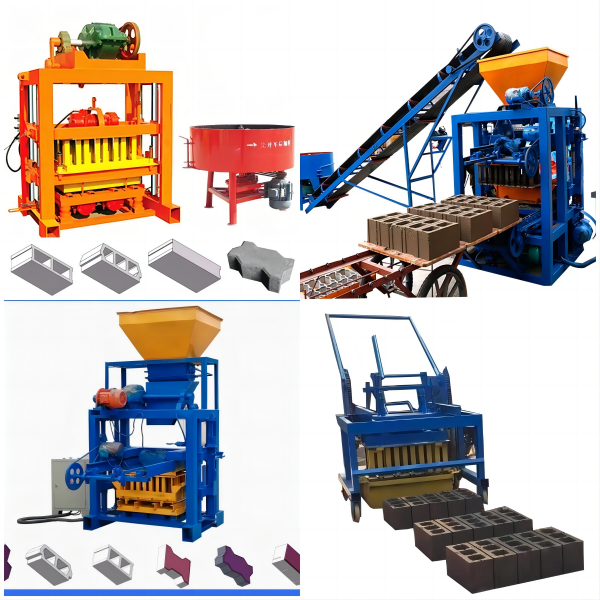
একটি ইট তৈরির মেশিন হল একটি যান্ত্রিক ডিভাইস যা কাদামাটি, কংক্রিট, ফ্লাই অ্যাশ, বালি এবং চুনের মতো বিভিন্ন কাঁচামাল থেকে প্রমিত ইট উৎপাদনের জন্য নির্মিত। ঐতিহ্যগত হাতে তৈরি ইট তৈরির পদ্ধতির বিপরীতে, এই মেশিনগুলি কাঁচামাল মিশ্রণ এবং ছাঁচনির্মাণ থেকে শুরু করে সংকোচন ও শুকানো পর্যন্ত সম্পূর্ণ উৎপাদন প্রক্রিয়া স্বয়ংক্রিয় করে—যা সামঞ্জস্য, দক্ষতা এবং মাপযোগ্যতা নিশ্চিত করে। তাদের কার্যকারী প্রক্রিয়া, আউটপুট ক্ষমতা এবং প্রয়োগের পরিধির উপর ভিত্তি করে, ইট তৈরির মেশিনগুলিকে কয়েকটি মূল বিভাগে শ্রেণীবদ্ধ করা যায়:
- ম্যানুয়াল ইট তৈরির মেশিনসংকুচিত, কম খরচের ইউনিট যা হাতে চালানো হয় বা অল্প শক্তিতে চালানো যায়। ছোট আকারের প্রকল্প, গ্রামীণ এলাকা বা সীমিত বিদ্যুৎ সুবিধাযুক্ত অঞ্চলের জন্য আদর্শ। প্রতিদিন ৫০০ থেকে ২০০০ ইট উৎপাদন করতে সক্ষম।
- সেমি-অটোমেটিক ইট তৈরির মেশিনহাত দিয়ে খাওয়ানোর সাথে স্বয়ংক্রিয় কম্প্যাকশন ও ছাঁচনির্মাণ যুক্ত করুন। ১-২ জন অপারেটর প্রয়োজন এবং খরচ ও দক্ষতার মধ্যে ভারসাম্য বজায় রাখুন। প্রতিদিন সাধারণত ২০০০ থেকে ১০,০০০ ইট উৎপাদন হয়। স্থানীয় নির্মাণ প্রতিষ্ঠানগুলোর জন্য মাঝারি আকারের ডিস্ট্রিবিউটরদের জন্য উপযুক্ত।
- স্বয়ংক্রিয় ইট তৈরির মেশিনকাঁচামাল সরবরাহের জন্য কনভেয়র বেল্ট, হাইড্রোলিক বা যান্ত্রিক কম্প্যাকশন এবং স্বয়ংক্রিয় ইট স্ট্যাকিং সহ সম্পূর্ণ স্বয়ংক্রিয় সিস্টেম। ন্যূনতম মানুষের হস্তক্ষেপে পরিচালিত, উচ্চ উৎপাদন ক্ষমতা (প্রতিদিন ১০,০০০ থেকে ৫০,০০০+ ইট) এবং সামঞ্জস্যপূর্ণ গুণমান প্রদান করে। বড় আকারের নির্মাণ প্রকল্প সরবরাহকারী বৃহৎ পরিসরের ডিস্ট্রিবিউটর, হোলসেলার বা ক্রেতাদের জন্য ডিজাইনকৃত।
- মোবাইল ইট তৈরির মেশিননির্মাণস্থলে পরিবহনযোগ্য পোর্টেবল ইউনিট, যা ইট পরিবহনের প্রয়োজনীয়তা দূর করে। চাকা বা ট্রেলার সংযুক্ত এই মেশিনগুলি ডিজেল ইঞ্জিন বা বৈদ্যুতিক মোটর দ্বারা চালিত হয়, যা দূরবর্তী স্থান বা জরুরি ইটের প্রয়োজনীয়তা সম্পন্ন প্রকল্পগুলির জন্য উপযুক্ত।
২.২ মূল উপাদান এবং কার্যপ্রণালী
প্রকার নির্বিশেষে, সকল ইট তৈরির মেশিনের কার্যকারিতার মূল চালিকা শক্তি হলো তাদের মূল উপাদানগুলো। এই উপাদানগুলো বোঝা ডিস্ট্রিবিউটর এবং ক্রেতাদের জন্য মেশিনের স্থায়িত্ব, রক্ষণাবেক্ষণের প্রয়োজনীয়তা এবং কার্যক্ষমতা মূল্যায়নের জন্য অত্যন্ত গুরুত্বপূর্ণ।
- কাঁচামাল হপারকাঁচামাল (যেমন: মাটি, কংক্রিট মিশ্রণ) সংরক্ষণ করে এবং মিশ্রণ ইউনিটে সরবরাহ করে। ইটের মিশ্রণের সামঞ্জস্য নিয়ন্ত্রণের জন্য সমন্বয়যোগ্য খাওয়ানোর হার সহ ডিজাইন করা হয়েছে।
- মিশ্রণ ইউনিটকাঁচামালকে পানি (বা অন্যান্য সংযোজন) এর সাথে মিশিয়ে একটি সমজাতীয় মিশ্রণ তৈরি করে। উচ্চ-মানের মিশ্রণ ইউনিটগুলিতে পুঙ্খানুপুঙ্খ মিশ্রণের জন্য সর্পিল ব্লেড বা প্যাডেল থাকে, যা চূড়ান্ত ইটগুলিতে অভিন্ন ঘনত্ব নিশ্চিত করে।
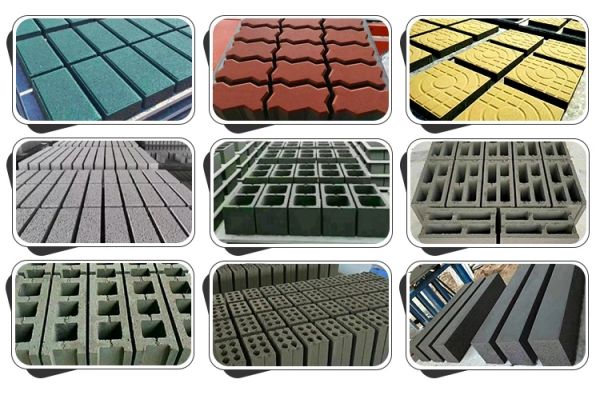
- মোল্ডিং সিস্টেমমেশিনের হৃদয়, যা ইটের মিশ্রণকে কাঙ্ক্ষিত আকার ও রূপে গঠনের জন্য দায়ী। ছাঁচগুলো বিনিময়যোগ্য, যা কেবলমাত্র ছাঁচের নকশা পরিবর্তন করে বিভিন্ন ধরনের ইট (যেমন: নিরেট ইট, ফাঁপা ইট, আন্তঃসংযুক্ত ইট) উৎপাদন করতে সক্ষম করে।
- কম্প্যাকশন মেকানিজমমোল্ডের উপর চাপ প্রয়োগ করে ইটের মিশ্রণকে সংকুচিত করা হয়, যার ফলে এর শক্তি ও স্থায়িত্ব বৃদ্ধি পায়। কম্প্যাকশন হাইড্রোলিক (উচ্চ চাপ ও নির্ভুলতার জন্য) বা যান্ত্রিক (ছোট আকারের মেশিনের জন্য খরচ-কার্যকর) হতে পারে। স্বয়ংক্রিয় মেশিনের জন্য হাইড্রোলিক সিস্টেম পছন্দনীয়, কারণ এগুলি সামঞ্জস্যপূর্ণ চাপ নিয়ন্ত্রণ এবং উচ্চতর কম্প্যাকশন শক্তি প্রদান করে।
- সিস্টেম নিরাময়কিছু উন্নত মেশিনে ইটের শক্ত হওয়ার প্রক্রিয়া ত্বরান্বিত করতে সমন্বিত কিউরিং চেম্বার বা শুকানোর র্যাক অন্তর্ভুক্ত থাকে। প্রয়োজনীয় সংকোচন শক্তি অর্জনের জন্য কিউরিং অত্যন্ত গুরুত্বপূর্ণ—সঠিকভাবে কিউর করা ইট বেশি ভার বহন করতে এবং আবহাওয়ার বিরুদ্ধে প্রতিরোধী হতে পারে।
- কন্ট্রোল প্যানেলসেমি-অটোমেটিক এবং অটোমেটিক মেশিনে পাওয়া যায়, কন্ট্রোল প্যানেল অপারেটরদের মিক্সিং সময়, কম্প্যাকশন চাপ এবং উৎপাদন গতি মতো প্যারামিটার সামঞ্জস্য করতে দেয়। আধুনিক মেশিনগুলোতে সুনির্দিষ্ট অপারেশন এবং সমস্যা সমাধানের জন্য ডিজিটাল ডিসপ্লে এবং প্রোগ্রামেবল লজিক কন্ট্রোলার (পিএলসি) রয়েছে।
একটি ইট তৈরির মেশিনের কার্যনীতি একটি পর্যায়ক্রমিক প্রক্রিয়া অনুসরণ করে: (১) কাঁচামাল হপারে লোড করা হয় এবং মিশ্রণ ইউনিটে খাওয়ানো হয়; (২) মিশ্রণটি সর্বোত্তম আর্দ্রতার মাত্রায় পানি দিয়ে মেশানো হয়; (৩) সমজাতীয় মিশ্রণটি ছাঁচনির্মাণ ব্যবস্থায় স্থানান্তরিত হয়; (৪) কমপ্যাকশন প্রক্রিয়াটি ছাঁচে চাপ প্রয়োগ করে, ইটকে আকৃতি দেয়; (৫) ছাঁচে তৈরি ইটটি ছাঁচ থেকে বের করে আনা হয় এবং শক্তকরণ এলাকায় নিয়ে যাওয়া হয়; (৬) শক্ত করা ইটগুলি সংরক্ষণ বা পরিবহনের জন্য স্তূপ করা হয়। এই স্বয়ংক্রিয় প্রক্রিয়াটি মানুষের ত্রুটি হ্রাস করে, উৎপাদন গতি বাড়ায় এবং সামঞ্জস্যপূর্ণ ইটের মান নিশ্চিত করে—নির্মাণ খাতের ক্লায়েন্টদের লক্ষ্য করে বণ্টনকারীদের জন্য প্রধান বিক্রয়যোগ্য বিষয়।
৩. বিতরণকারী ও ক্রেতাদের জন্য বাজারের চাহিদা ও ব্যবসায়িক মূল্য
৩.১ বিশ্বব্যাপী বাজার প্রবণতা যা প্রবৃদ্ধি চালিত করছে
ইট তৈরির মেশিনের বাজারটি স্থির প্রবৃদ্ধি অনুভব করছে, যা বিতরণকারী, পাইকারি বিক্রেতা এবং ক্রেতাদের জন্য লাভজনক সুযোগ উপস্থাপন করে এমন বেশ কয়েকটি মূল প্রবণতা দ্বারা চালিত হচ্ছে:
- উন্নয়নশীল নির্মাণ শিল্পউদীয়মান অর্থনীতিগুলোতে (যেমন: ভারত, চীন, ব্রাজিল এবং দক্ষিণ-পূর্ব এশিয়ার দেশসমূহ) দ্রুত নগরায়ন, অবকাঠামো উন্নয়ন এবং আবাসন প্রকল্প ইটের চাহিদা বাড়িয়ে তুলছে। শিল্প প্রতিবেদন অনুযায়ী, আগামী দশকে বৈশ্বিক নির্মাণ খাত ৫-৭% যৌগিক বার্ষিক বৃদ্ধি হার (CAGR) অর্জনের সম্ভাবনা রয়েছে, যা সরাসরি দক্ষ ইট উৎপাদন সরঞ্জামের প্রয়োজনীয়তা বৃদ্ধি করবে।
- টেকসই নির্মাণের দিকে পরিবর্তনবিশ্বব্যাপী সরকার এবং নির্মাণ সংস্থাগুলি পরিবেশবান্ধব নির্মাণ সামগ্রীকে অগ্রাধিকার দিচ্ছে। পুনর্ব্যবহৃত উপকরণ (যেমন: ফ্লাই অ্যাশ, নির্মাণ বর্জ্য) ব্যবহার করে বা শক্তি খরচ কমায় এমন ইট তৈরির মেশিনের চাহিদা ব্যাপক। টেকসই মেশিনের বিকল্প সরবরাহকারী বিতরণকারীরা এই ক্রমবর্ধিত বিশেষ বাজারে প্রবেশ করতে পারে, যা সবুজ নির্মাণ সমাধান খোঁজা গ্রাহকদের আকৃষ্ট করবে।
- শ্রমিকের ঘাটতি এবং খরচ হ্রাসঐতিহ্যগত হাতে ইট তৈরির প্রক্রিয়া শ্রম-নিবিড় ও সময়সাপেক্ষ, এবং অনেক অঞ্চলে শ্রম খরচ বাড়ছে। ইট তৈরির যন্ত্রগুলি প্রক্রিয়াটি স্বয়ংক্রিয় করে, নির্মাণ সংস্থাগুলির জন্য শ্রমের উপর নির্ভরতা কমায় এবং উৎপাদন খরচ হ্রাস করে। এই খরচ-সাশ্রয়ী সুবিধা ক্লায়েন্টদের জন্য ইট তৈরির যন্ত্রগুলিকে একটি মূল্যবান বিনিয়োগ করে তোলে, যা নির্ভরযোগ্য সরঞ্জাম সরবরাহকারী ডিস্ট্রিবিউটরদের চাহিদা বাড়িয়ে দেয়।
- অবকাঠামো উন্নয়ন উদ্যোগউন্নয়নশীল এবং উন্নত দেশগুলোর সরকার অর্থনৈতিক প্রবৃদ্ধি উদ্দীপিত করতে ব্যাপক পরিসরের অবকাঠামো প্রকল্প (যেমন: সড়ক, সেতু, বিমানবন্দর, সাশ্রয়ী আবাসন) চালু করছে। এসব প্রকল্পে বিপুল পরিমাণ ইটের প্রয়োজন হয়, যা উচ্চ ক্ষমতাসম্পন্ন ইট তৈরির যন্ত্রের জন্য স্থায়ী চাহিদা সৃষ্টি করে। যেসব বণ্টনকারী ও ক্রেতা তাদের পণ্য সরবরাহ এই উদ্যোগগুলোর সাথে সঙ্গতিপূর্ণ করে, তারা দীর্ঘমেয়াদি ব্যবসায়িক অংশীদারিত্ব নিশ্চিত করতে পারে।
৩.২ বিতরণকারীদের জন্য লাভজনকতা ও প্রতিযোগিতামূলক সুবিধা
ডিস্ট্রিবিউটর এবং হোলসেলারদের জন্য, তাদের পণ্য পোর্টফোলিওতে ইট তৈরির মেশিন যুক্ত করা উল্লেখযোগ্য লাভজনকতা এবং প্রতিযোগিতামূলক সুবিধা প্রদান করে:
- উচ্চ মার্জিন: Brick making machines have a favorable profit margin, especially for semi-automatic and automatic models. Since the equipment is a capital good, clients are willing to invest in high-quality machines, allowing distributors to mark up prices while maintaining competitiveness.
- Repeat Business and After-Sales Revenue: Brick making machines require regular maintenance, spare parts replacement, and technical support. Distributors who offer comprehensive after-sales services (e.g., maintenance contracts, spare parts supply, training) can generate recurring revenue and build long-term client relationships.
- Diversification: The construction equipment market is diverse, but brick making machines cater to a specific, high-demand segment. Distributors who diversify their product lines with these machines can reduce reliance on a single product category and tap into new customer bases (e.g., small construction firms, brick manufacturers, government contractors).
- Low Inventory Turnover Risk: Brick making machines are durable and have a long shelf life, reducing the risk of inventory obsolescence. Unlike consumer goods, which have short product cycles, brick making machines retain their value for years, allowing distributors to hold inventory without significant depreciation losses.
3.3 Value Propositions for Purchasers
Purchasers (e.g., brick manufacturers, construction firms, government agencies) benefit from investing in high-quality brick making machines in multiple ways:
- Increased Production Efficiency: Automated and semi-automated machines significantly boost brick production capacity compared to manual methods. For example, an automatic machine can produce 50,000 bricks per day, while manual labor can only produce 500-1000 bricks per day. This efficiency allows purchasers to meet tight project deadlines and fulfill large orders.
- Consistent Quality: Machine-made bricks have uniform size, shape, and compressive strength, meeting industry standards and building codes. Consistent quality reduces rejections and ensures the structural integrity of construction projects, enhancing the purchaser’s reputation.
- Cost Savings: While the initial investment in a brick making machine is higher than manual labor, the long-term cost savings are substantial. Machines reduce labor costs, minimize raw material waste (due to precise mixing and molding), and lower transportation costs (especially for mobile machines). Purchasers can recover their investment within 6-18 months, depending on usage and output.
- Flexibility and Customization: Interchangeable molds allow purchasers to produce different brick types and sizes to meet diverse client needs. Whether it’s solid bricks for load-bearing walls, hollow bricks for insulation, or interlocking bricks for landscaping, brick making machines offer versatility that manual methods cannot match.
4. Technical Specifications and Performance Metrics to Evaluate
4.1 Critical Specifications for Distributors & Purchasers
When selecting or supplying brick making machines, distributors and purchasers must evaluate key technical specifications to ensure the equipment meets client requirements. The following metrics are critical for assessing performance, durability, and suitability:
- আউটপুট ক্ষমতা: Measured in bricks per day (or per hour). This is the most important specification for clients, as it determines the machine’s ability to meet production demands. Distributors should match the machine’s output to the client’s project scale—small-scale clients may need 1000-5000 bricks per day, while large-scale manufacturers require 20,000+ bricks per day.
- Brick Size and Type: Machines should support standard brick sizes (e.g., 230x115x75mm, 240x120x80mm) and customizable sizes via interchangeable molds. Clients may also require machines that produce specific brick types (hollow, solid, interlocking), so distributors should confirm mold compatibility.
- কাঁচামাল সামঞ্জস্যতা: Different machines are designed for specific raw materials (clay, concrete, fly ash, etc.). Distributors must ensure the machine can handle the raw materials available in the client’s region. For example, fly ash brick making machines are ideal for regions with abundant fly ash (a byproduct of coal-fired power plants), while clay brick machines are suitable for areas with clay deposits.
- শক্তি প্রয়োজন: Measured in kilowatts (kW) for electric machines or horsepower (HP) for diesel-powered units. Clients need to know the power consumption to assess operational costs and ensure compatibility with their power supply. Automatic machines typically require 10-30 kW, while manual machines may use 1-5 kW.
- Compaction Pressure: Expressed in megapascals (MPa), compaction pressure determines the strength of the bricks. Higher pressure (15-30 MPa) results in stronger bricks with higher compressive strength (e.g., 10-25 N/mm²). Clients in construction projects requiring high-strength bricks (e.g., load-bearing walls) will prioritize machines with higher compaction pressure.
- Dimensions and Weight: Important for transportation and installation. Mobile machines should be compact and lightweight for easy mobility, while stationary automatic machines may require dedicated floor space. Distributors should provide detailed dimensions to help clients plan their facility layout.
- Durability and Material Quality: The machine’s frame, components, and molds should be made of high-quality materials (e.g., steel, cast iron) to withstand heavy usage and harsh working conditions. Molds should be wear-resistant, as frequent mold replacement can increase operational costs for clients.
4.2 Performance Testing and Quality Assurance
To ensure the reliability of brick making machines, distributors and purchasers should verify that the equipment undergoes rigorous performance testing and quality assurance processes. Key testing parameters include:
- Brick Compressive Strength: Samples of bricks produced by the machine should be tested for compressive strength using a universal testing machine. The results should meet industry standards (e.g., IS 1077 for clay bricks, IS 2185 for concrete bricks).
- Production Consistency: The machine should produce bricks of uniform size, shape, and weight. Variations in dimensions should be within ±2mm, as inconsistent bricks can cause problems during construction (e.g., uneven walls).
- Energy Efficiency: The machine’s power consumption should be within the specified range, with no excessive energy waste. Energy-efficient machines reduce operational costs for clients and align with sustainable construction trends.
- Noise and Vibration Levels: Excessive noise and vibration can affect operator comfort and machine durability. Machines should comply with noise standards (e.g., <85 dB) and be equipped with vibration-damping components.
- Safety Features: The machine should have safety guards, emergency stop buttons, and overload protection to prevent accidents. Safety is a critical consideration for clients, as it reduces liability and ensures compliance with labor regulations.
5. Installation, Operation, and Maintenance Guidelines
5.1 Installation Requirements
Proper installation is essential for the optimal performance and longevity of brick making machines. Distributors should provide detailed installation guidelines to clients, or offer installation services as part of the package. Key installation steps include:
- Site Preparation: The installation site should be flat, level, and spacious enough to accommodate the machine, raw materials, and finished bricks. For stationary machines, a concrete foundation may be required to support the machine’s weight and reduce vibration.
- Power Supply Connection: Ensure the power supply matches the machine’s voltage and current requirements. Use high-quality cables and circuit breakers to prevent electrical issues. Diesel-powered machines should be installed in well-ventilated areas to avoid exhaust fumes accumulation.
- Machine Assembly: Follow the manufacturer’s instructions to assemble the machine components (hopper, mixing unit, molding system, control panel). Ensure all bolts and fasteners are tightened securely, and moving parts are lubricated properly.
- Mold Installation: Install the desired mold correctly, ensuring alignment with the compaction mechanism. Test the mold by producing a few sample bricks to check for proper shaping and size.
- Calibration: Calibrate the machine’s parameters (mixing time, compaction pressure, feeding rate) according to the raw material type and brick specifications. Calibration ensures consistent production and optimal performance.
5.2 Operation Best Practices
To maximize productivity and minimize downtime, operators should follow these operation best practices:
- কাঁচামাল প্রস্তুতি: Ensure raw materials are clean, dry, and free from impurities (e.g., stones, debris) that can damage the machine or affect brick quality. The moisture content of the mixture should be controlled—too much water can cause bricks to crack, while too little water reduces compaction efficiency.
- Regular Monitoring: Monitor the machine’s operation continuously, checking for unusual noise, vibration, or leaks. Use the control panel to track production metrics (output, compaction pressure) and adjust parameters as needed.
- Operator Training: Ensure operators are trained on the machine’s functions, safety features, and troubleshooting procedures. Proper training reduces the risk of accidents and machine damage, and improves production efficiency.
- Batch Processing: For large-scale production, use batch processing to maintain consistency. Measure raw materials accurately for each batch, and avoid overloading the machine beyond its capacity.
5.3 Maintenance and Troubleshooting
Regular maintenance is critical to extend the machine’s lifespan and prevent costly breakdowns. Distributors should provide clients with a maintenance schedule and troubleshooting guide, including:
- Daily Maintenance: Clean the machine after use, remove residual raw materials from the hopper and mold, and check for loose bolts or fasteners. Lubricate moving parts (e.g., bearings, gears) with the recommended lubricant.
- Weekly Maintenance: Inspect the mold for wear and tear, replace if necessary. Check the hydraulic system (for hydraulic machines) for leaks and ensure proper oil levels. Clean the air filters and cooling system.
- Monthly Maintenance: Inspect the electrical system (wiring, motors, control panel) for damage. Test the safety features (emergency stop button, overload protection) to ensure they are functioning properly. Calibrate the machine’s parameters if needed.
- Common Troubleshooting Issues:
- Bricks cracking or breaking: Possible causes include insufficient compaction pressure, improper moisture content, or mold damage. Solutions: Adjust compaction pressure, control raw material moisture, replace worn molds.
- Low production output: Possible causes include clogged hopper, inefficient mixing, or power supply issues. Solutions: Clean the hopper, check the mixing unit, verify power supply.
- Machine jamming: Possible causes include foreign objects in the machine, misaligned mold, or overloading. Solutions: Stop the machine, remove foreign objects, realign the mold, reduce load.
6. Conclusion
Brick making machines are essential equipment in the modern construction industry, offering efficiency, consistency, and cost savings that manual methods cannot match. For distributors, wholesalers, and purchasers, these machines represent a lucrative business opportunity, driven by global construction growth, sustainable building trends, and labor cost reductions. By understanding the core fundamentals, technical specifications, market demand, and operational guidelines outlined in this guide, stakeholders can make informed decisions—whether expanding product portfolios, sourcing equipment for clients, or investing in production capacity.
Key takeaways for distributors include the importance of offering a range of machine types to cater to different client scales, providing comprehensive after-sales services to generate recurring revenue, and aligning product offerings with sustainable construction trends. For purchasers, the focus should be on evaluating technical specifications (output capacity, compaction pressure, raw material compatibility) to match project requirements, prioritizing quality and durability to ensure long-term value, and following proper installation and maintenance practices to maximize machine performance.
As the construction industry continues to evolve, brick making machines will remain a critical component of building material production. By staying informed about market trends, technical advancements, and client needs, distributors, wholesalers, and purchasers can capitalize on the growing demand for these machines and build successful, sustainable businesses in the construction equipment supply chain.
7. FAQ (Frequently Asked Questions)
7.1 What is the typical lifespan of a brick making machine?
The lifespan of a brick making machine depends on the type, quality of components, and maintenance practices. Manual machines typically last 5-8 years, semi-automatic machines 8-12 years, and automatic machines 12-15 years (or longer with proper maintenance). Regular lubrication, mold replacement, and electrical system checks can extend the machine’s lifespan significantly.
7.2 Can a single brick making machine produce different types of bricks?
Yes, most brick making machines support interchangeable molds, allowing production of different brick types (solid, hollow, interlocking) and sizes. Distributors should confirm the number of mold options available for each machine model, as some manufacturers offer custom mold designs to meet specific client requirements.
7.3 What raw materials can be used in a brick making machine?
Brick making machines can process a variety of raw materials, including clay, concrete (cement + sand + aggregate), fly ash, lime, gypsum, and recycled construction waste. The choice of raw material depends on the machine’s design—some machines are specialized for clay, while others are designed for concrete or fly ash. Distributors should advise clients to use raw materials that are locally available and meet industry standards for brick production.
7.4 How much space is required to install a brick making machine?
Space requirements vary by machine type:
- Manual machines: 10-20 square meters (small, portable units)
- Semi-automatic machines: 30-50 square meters (includes space for raw materials and finished bricks)
- Automatic machines: 100-200+ square meters (requires space for conveyor belts, curing area, and storage)Mobile machines require minimal fixed space, as they can be moved to different locations.
7.5 What is the average power consumption of a brick making machine?
Power consumption depends on the machine’s size and type:
- Manual machines: 1-5 kW/hour
- Semi-automatic machines: 5-10 kW/hour
- Automatic machines: 10-30 kW/hourDiesel-powered mobile machines consume 5-15 liters of diesel per hour, depending on output capacity. Clients should factor in power costs when calculating operational expenses.
7.6 Do brick making machines require specialized training to operate?
Semi-automatic and automatic machines require basic training to operate, as they involve control panels, parameter adjustment, and safety procedures. Manual machines are simpler to operate but still require training on raw material preparation and mold handling. Distributors should offer training services (on-site or online) to clients, or provide detailed operation manuals to ensure safe and efficient use.
7.7 What after-sales services should distributors provide for brick making machines?
Distributors should offer the following after-sales services to enhance customer satisfaction and generate repeat business:
- Installation support (on-site or remote)
- Operator training
- Spare parts supply (molds, bearings, hydraulic components, etc.)
- Maintenance contracts (regular servicing and repairs)
- Technical support (phone, email, or video call troubleshooting)
- Warranty coverage (typically 1-2 years for machine components, excluding wear-and-tear parts like molds)
7.8 What is the lead time for ordering a brick making machine?
Lead time varies by manufacturer and machine type. Manual and semi-automatic machines typically have a lead time of 2-4 weeks, while automatic machines may take 4-8 weeks (or longer for custom configurations). Distributors should communicate accurate lead times to clients to avoid delays in project timelines.