
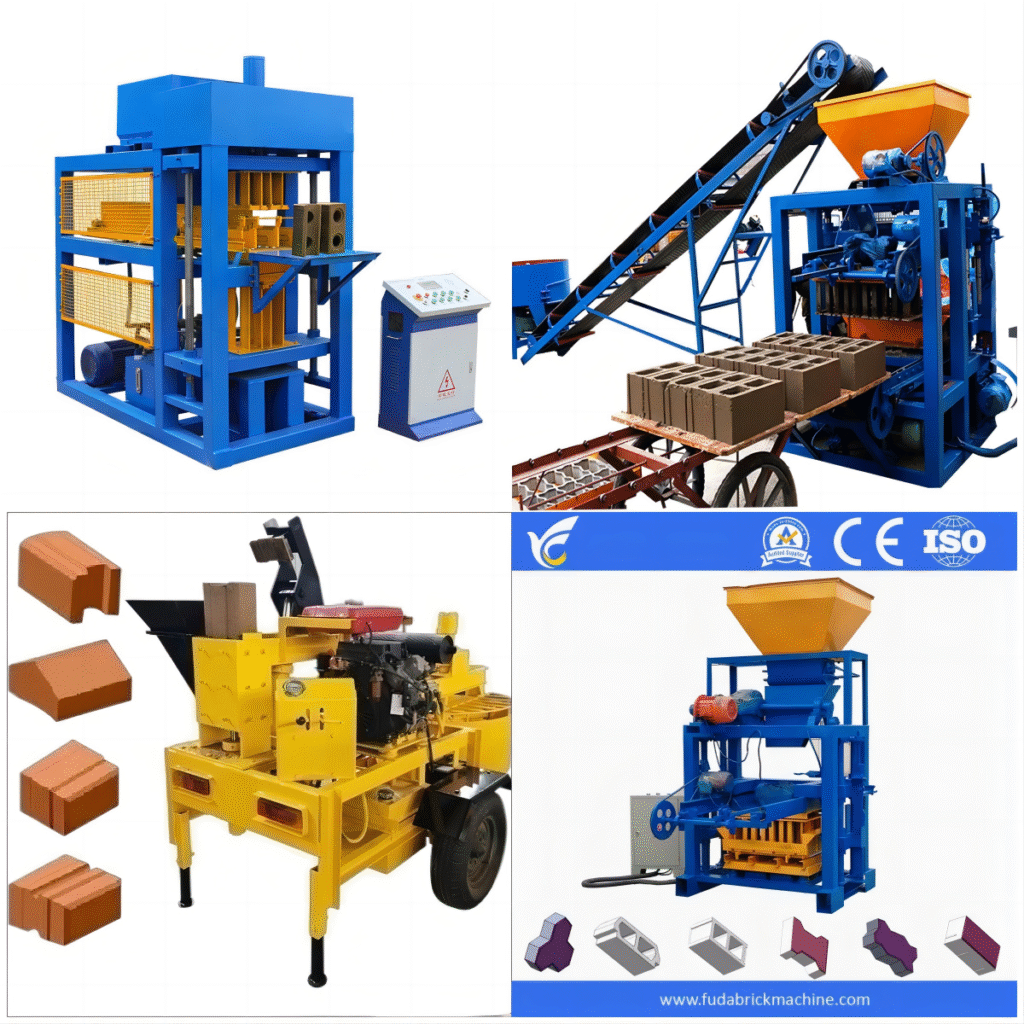
ব্লক মেশিনের ক্ষমতা বিশ্লেষণ
১. "ক্ষমতা" নির্ধারণ: মূল মেট্রিক্স ও পরিভাষা
একটি ব্লক মেশিনের ক্ষমতা দুটি প্রাথমিক, পরস্পর সম্পর্কিত মেট্রিকের মাধ্যমে পরিমাপ করা হয়:চক্র-ভিত্তিক আউটপুটএবংকার্যকর দৈনিক উৎপাদন.
১.১. তাত্ত্বিক চক্র আউটপুট
এটি প্রস্তুতকারকের ভিত্তি মান, যা সাধারণত "প্রতি ঘণ্টায় চক্র" বা "প্রতি চক্রে ব্লক" হিসেবে প্রকাশ করা হয়। ১০ সেকেন্ড চক্র সময়ের একটি মেশিন তত্ত্বগতভাবে প্রতি ঘণ্টায় ৩৬০টি চক্র সম্পন্ন করতে পারে। যদি এর ছাঁচ প্রতি চক্রে ৪টি মানক ব্লক উৎপন্ন করে, তাহলে তত্ত্বগত ঘণ্টায় উৎপাদন ১,৪৪০ ব্লক। এই মানটি আদর্শ, নিরবচ্ছিন্ন অবস্থায় এবং মানক পণ্য মিশ্রণ ব্যবহার করে সর্বোত্তম কর্মক্ষমতা নির্দেশ করে।
১.২. কার্যকরী পরিচালন সক্ষমতা
এটি একটি কার্যকরী পরিবেশে অর্জিত বাস্তবসম্মত ও টেকসই উৎপাদন। এটি ব্যবসায়িক পরিকল্পনার জন্য গুরুত্বপূর্ণ সংখ্যা। কার্যকরী ক্ষমতা গণনা করতে একটি প্রয়োগ করা হয়অপারেশনাল দক্ষতা ফ্যাক্টর—সাধারণত ভালোভাবে পরিচালিত কারখানায় ৭৫% থেকে ৮৫% পর্যন্ত—তাত্ত্বিক উৎপাদনের তুলনায়। এই ফ্যাক্টরটি অনিবার্য ডাউনটাইমের জন্য হিসাব করে: ছাঁচ পরিবর্তন, নিয়মিত রক্ষণাবেক্ষণ, মিক্স হপার ভর্তি করা, প্যালেট স্থানান্তরে বিলম্ব এবং শিফট বিরতি। তাত্ত্বিক ১,৪৪০ ব্লক/ঘণ্টায় ৮৫% দক্ষতা আরো নির্ভরযোগ্য ১,২২৪ ব্লক/ঘণ্টা উৎপাদন করে।
২. মেশিনের ক্ষমতা নির্ধারণকারী প্রাথমিক উপাদান
২.১. মেশিনের ধরন এবং স্বয়ংক্রিয়তার স্তর
- ম্যানুয়াল/সেমি-অটোমেটিক মেশিন:এগুলোর জন্য ফিডিং, ছাঁচ তৈরি এবং পণ্য অপসারণে উল্লেখযোগ্য অপারেটরের হস্তক্ষেপ প্রয়োজন। ধারণক্ষমতা মানুষের গতি ও সহনশীলতার দ্বারা সীমাবদ্ধ, যা সাধারণত ৮ ঘণ্টার শিফটে ৫০০ থেকে ৩,০০০ ব্লকের মধ্যে থাকে।
- সম্পূর্ণ স্বয়ংক্রিয় স্থির মেশিন:এগুলি স্বয়ংক্রিয় উপাদান সরবরাহ, কম্প্যাকশন, নিরাময় এবং প্যালেট পরিচালনাকে একটি সমন্বিত সিস্টেমে একীভূত করে। এগুলি উত্পাদনশীলতার ঘোড়া, যার কার্যকরী দৈনিক আউটপুট সাধারণত ৮,০০০ থেকে ২০,০০০ ইউনিটেরও বেশি হয়, মডেল এবং ব্লকের ধরণের উপর নির্ভর করে।
- মোবাইল ব্লক মেশিন:সাইটে উৎপাদনের জন্য ডিজাইন করা হয়েছে, এদের ধারণক্ষমতা সাধারণত স্থির প্ল্যান্টের তুলনায় কম থাকে, যা বিশাল পরিমাণের চেয়ে গতিশীলতাকে অগ্রাধিকার দেয়। উৎপাদন সাইটের লজিস্টিক এবং বিদ্যুৎ সরবরাহ দ্বারা প্রভাবিত হয়।
2.2. Product Specifications and Mold Design
The type of block being produced dramatically alters output numbers. A machine’s cycle time is often fixed, but the number of cavities in the mold is variable.
- Solid vs. Hollow Blocks: Producing dense solid blocks may require slightly longer compaction time than hollow ones.
- Block Size and Mold Cavities: A mold for smaller, interlocking pavers may have 10 or more cavities per cycle, while a mold for large, retaining wall blocks may have only 1 or 2. A machine quoted for “4,000 blocks per day” could be producing 4,000 standard 8-inch blocks বা 10,000 smaller pavers, depending on the mold used.
2.3. Ancillary System Capabilities and Material Flow
A machine’s rated speed is meaningless if supporting systems cannot keep pace. Capacity is constrained by the weakest link in the production chain:
- Mixer Capacity: The batching plant must supply a consistent volume of mixed concrete to match the machine’s consumption rate.
- Curing System Throughput: Whether using a simple rack system or a steam curing chamber, the system must be able to handle and process the volume of green blocks produced without creating a backlog.
- Pallet Circulation: The number of pallets and the speed of the return conveyor must synchronize perfectly with the machine’s cycle to prevent stoppages.
3. Translating Capacity into Business Strategy
3.1. Matching Capacity to Market Demand
For a distributor’s client, the right capacity balances current orders with scalable growth. Key questions include:
- What is the daily demand from their core clientele (contractors, developers)?
- Do they need to maintain a large standing inventory for a volatile market, or operate on a just-in-time basis for specific projects?
- Is the goal to dominate a local market or serve a niche, high-value segment?
3.2. Calculating Return on Investment (ROI)
Capacity directly drives revenue potential. A detailed ROI analysis must use effective daily production figures, not theoretical maximums. The calculation must factor in:
- Local selling price per block type.
- Effective daily output for the primary product mix.
- Operational costs (raw materials, labor, energy, maintenance).
This analysis reveals how long it will take for the machine’s output to pay back its capital cost, guiding the investment decision between a lower-capacity, lower-cost model and a higher-capacity, premium system.
Conclusion: Capacity as a Symphony, Not a Solo
In conclusion, the capacity of a block machine is a symphony of engineering, operational planning, and commercial strategy, not a single note played by the machine alone. For the B2B advisor, the task is to move beyond the manufacturer’s headline cycle rate and engage in a holistic consultation. This involves analyzing the client’s target product portfolio, assessing their site’s readiness for supporting systems, and modeling realistic production scenarios that account for real-world efficiency. By framing capacity as Effective, Market-Ready Output, you empower your clients to make an investment that is not merely technically impressive but commercially astute. The most profitable machine is not necessarily the one with the highest theoretical output, but the one whose sustainable, reliable production capacity is perfectly tuned to convert local market demand into consistent, growing revenue.
সচরাচর জিজ্ঞাসিত প্রশ্নাবলী (এফএকিউ)
Q1: How does the choice of raw material affect the achievable production capacity?
A1: Material consistency is critical. A well-graded, dry-mix concrete with optimal moisture content will flow smoothly, compact quickly, and demold cleanly, allowing the machine to run at its designed cycle speed. Poor-quality aggregates, an inconsistent mix, or incorrect water content can lead to block sticking, poor compaction, and increased mold cleaning stops, significantly reducing effective output.
Q2: Is a higher-capacity machine always better for business growth?
A2: Not necessarily. A machine that vastly exceeds current and near-term market demand leads to high capital costs, increased energy consumption during partial operation, and underutilized assets. Strategic growth often involves selecting a machine that meets 120-150% of current demand, allowing for growth without excessive overhead, with a plan to add a second line later.
Q3: How important is the crew’s skill level in reaching the machine’s rated capacity?
A3: It is paramount. Even the most automatic machine requires skilled operators to monitor mix consistency, perform timely mold changes, conduct preventative maintenance, and troubleshoot minor issues. A trained, efficient crew is the single biggest factor in achieving a high Operational Efficiency Factor and realizing the machine’s full production potential.
Q4: Can capacity be increased after the machine is purchased?
A4: Upgrades are sometimes possible but have limits. Options may include adding automation for pallet feeding or product stacking, which reduces cycle time by minimizing manual steps. However, the core vibration and compaction system’s power and speed are generally fixed. It is more prudent to select a machine with a capacity buffer for future needs.
Q5: How should a distributor present capacity data to a prospective client?
A5: Present a layered, realistic picture. Start with the manufacturer’s theoretical output for a standard block. Then, immediately contextualize it with a calculated effective daily output using a standard efficiency factor (e.g., 80%). Finally, provide scenario-based examples: “Producing standard hollow blocks, you can expect approximately X units per 8-hour shift. If you switch to a pavers mold with Y cavities, that output could increase to Z units.” This approach builds credibility and manages expectations
- স্বয়ংক্রিয় ব্লক তৈরির মেশিন7 products
- ক্লে ব্লক তৈরির মেশিন4 products
- চলন্ত ব্লক তৈরির মেশিন4 products
- অন্যান্য নির্মাণ সরঞ্জাম5 products
- সেমি-অটোমেটিক ব্লক তৈরির মেশিন4 products
