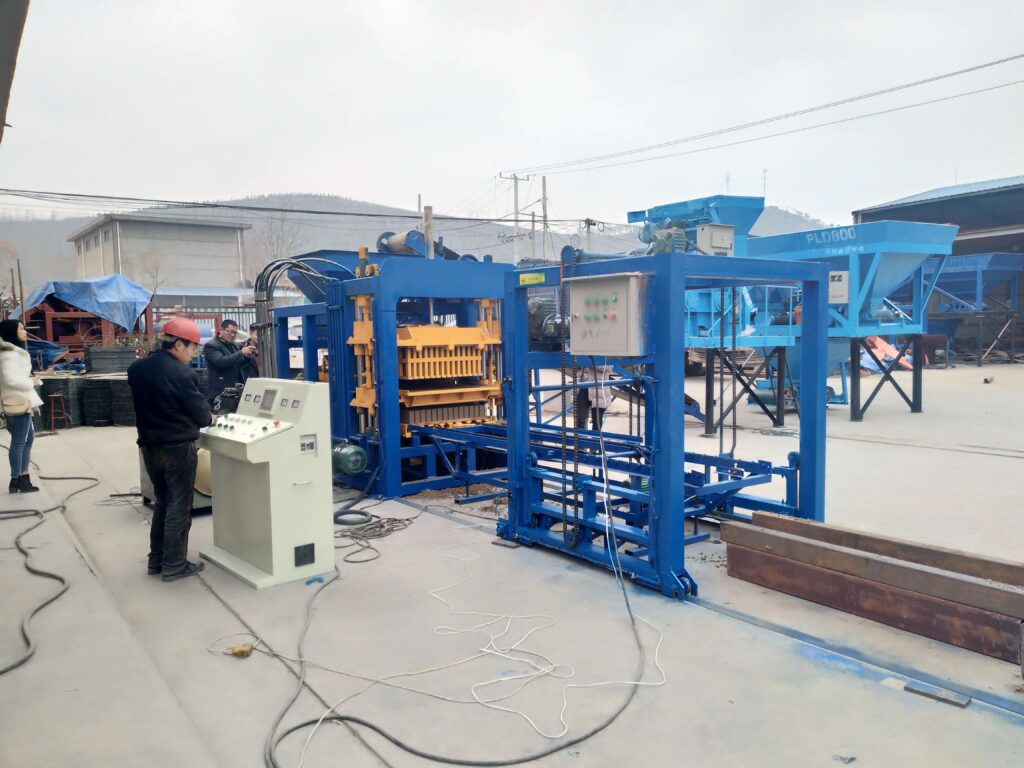
কোর ফর্মিং সিস্টেম: নির্ভুলতার হৃদয়
The components directly responsible for shaping the block endure the most intense stress and wear. Their condition dictates product quality.
A. The Mold Assembly
- Mold Liners and Wear Plates: These are subject to constant abrasive wear. Inspect for:
- Thickness Reduction: Measure liner thickness regularly against the manufacturer’s original specification. Wear beyond tolerance leads to oversized blocks and increased sticking.
- Surface Scoring and Damage: Deep scratches or dents will imprint on the block surface and increase ejection friction.
- Corner and Edge Integrity: Check for rounding or deformation in corners, which affects block geometry.
- Mold Box Structure: Inspect the main mold box for any signs of fatigue cracking, especially around welds and mounting points. Ensure all internal and external bolts are tight.
B. Vibration System
- Vibrator Motors and Mountings: The high-frequency forces make this system prone to mechanical failure.
- Mounting Integrity: Check vibrator mounting bolts for tightness during every scheduled inspection—loose bolts are a primary cause of catastrophic damage.
- Physical Condition: Look for cracks in the vibrator housing, damaged cooling fins, or signs of oil leaks from internal bearings.
- Electrical Connections: Inspect power cables and conduits for chafing, as constant vibration can break wire strands and insulation.
- Vibration Table/Frame: Inspect the table to which the mold is mounted for cracks and ensure its connection to the main machine frame is secure and undistorted.
C. Compression System
- Hydraulic Compression Cylinder and Rams: Look for:
- Rod Surface Condition: Inspect the chrome-plated ram rods for scratches, pitting, or corrosion. Damage can compromise seals and lead to leaks.
- Seal Leakage: Check for any hydraulic fluid weeping past rod seals or gland nuts.
- Press Head and Stripper Head: Ensure these plates are flat, not warped, and securely fastened. Inspect their surfaces for uneven wear.
II. The Hydraulic and Power Systems: Source of Machine Force
This system provides the essential power for compaction and movement. Regular inspection prevents sudden, total stoppages.
A. Hydraulic Fluid and Filtration
- Fluid Condition: Regularly check fluid level, color, and smell. Discoloration (milky or very dark) or a burnt odor indicates contamination or overheating.
- Filters and Strainers: Note the pressure differential across filters if gauges are fitted. Adhere strictly to scheduled replacement intervals, regardless of appearance.
B. Key Hydraulic Components
- Hoses, Pipes, and Fittings: Visually inspect all hydraulic lines for abrasion, cracks, blistering, and leaks. Pay special attention to areas near sharp edges or where hoses flex.
- Valve Banks and Manifolds: Look for external leaks and listen for unusual chattering or buzzing sounds during operation, which can indicate sticking spools or contamination.
- Hydraulic Pump and Reservoir: Check the pump for unusual noise or overheating. Inspect the reservoir breather cap to ensure it is not clogged.
C. Electrical Motors and Drives
- Main Drive Motors: Check for abnormal heat, vibration, or unusual noises (humming, grinding). Ensure cooling fins and fans are clean and unobstructed.
- Motor Starters and Contactors: Inspect for signs of arcing, pitting on contacts, or coil overheating during scheduled electrical checks.
III. Material Handling and Auxiliary Systems
These systems ensure smooth material flow and block handling. Failures here disrupt the entire production rhythm.
A. Feed and Mix Delivery System
- Feed Shoe/Scoop and Scraper Blades: These are high-wear items. Inspect for material thickness loss. Worn shoes cause incomplete or uneven mold filling.
- Hopper and Conveyor Liners: Check for wear and material buildup that can obstruct consistent mix flow.
- Drive Chains and Sprockets (for mechanical feeders): Inspect for worn links, proper tension, and lubricant condition.
B. Pallet Circulation System
- Pallets: Inspect for warping, cracking, and surface wear. A single bad pallet can affect every block placed on it.
- Rollers, Chains, and Guides: Check pallet conveyor rollers for free rotation. Inspect chain drives for wear and proper tension. Ensure guide rails are aligned and not bent.
- Pallet Cleaning and Oiling Station: Verify that brushes or scrapers are effective and that oil spray nozzles are not clogged.
C. Control and Sensor Suite
- Proximity and Position Sensors: These critical for cycle logic. Regularly clean their sensing faces and verify they are securely mounted and correctly aligned.
- Control Cabinet: During power-down periods, inspect for loose terminal connections, dust accumulation, and signs of moisture or pest intrusion.
উপসংহার
A disciplined, scheduled inspection regimen focused on these critical components is the hallmark of a professional and profitable block production operation. For equipment suppliers and distributors, empowering clients with this knowledge transforms the business relationship from a simple transaction to a strategic partnership. By guiding clients to systematically inspect the forming system, hydraulic power unit, and material handling pathways, you enable them to anticipate needs, budget for wear parts, and avoid catastrophic failures. This proactive approach not only ensures the machine’s longevity and consistent output but also solidifies your reputation as a provider of comprehensive, value-driven solutions in the competitive construction equipment market.
FAQ
Q1: How often should we perform a thorough inspection of the mold and vibration system?
A: A detailed visual and dimensional inspection should be conducted weekly. Check bolt tightness and look for surface damage. A more formal measurement of mold liner wear and vibrator performance analysis should be part of a monthly preventative maintenance schedule.
Q2: What are the key signs that our hydraulic fluid needs changing beyond the scheduled interval?
A: Key warning signs include a noticeable change in fluid color to a dark, milky, or opaque state, a burnt odor, a persistent increase in operating temperature, or a visible increase in particulate matter. Any of these signs warrant an immediate fluid and filter change.
Q3: Why is inspecting seemingly minor parts like sensors and electrical connections so important?
A: These components are the machine’s nervous system. A single failed or misaligned sensor can halt the entire production cycle. Loose connections in a high-vibration environment lead to intermittent faults that are extremely difficult to diagnose, causing prolonged downtime.
Q4: Our feed shoes seem to wear out very quickly. What should we inspect beyond the shoes themselves?
A: Rapid wear indicates other issues. Inspect the concrete mix for excessive abrasiveness or oversized aggregate. Check the alignment of the entire feed mechanism and the flatness of the mold table surface. Improper alignment causes the shoe to scrape unevenly, accelerating wear.
Q5: We have a library of spare parts. How can regular inspections help us manage this inventory better?
A: Scheduled inspections provide predictive data. By measuring wear rates on items like mold liners, scraper blades, and hydraulic hoses, you can accurately forecast when they will need replacement. This allows for just-in-time ordering of parts, reducing capital tied up in inventory while ensuring the right part is available before a failure occurs.