
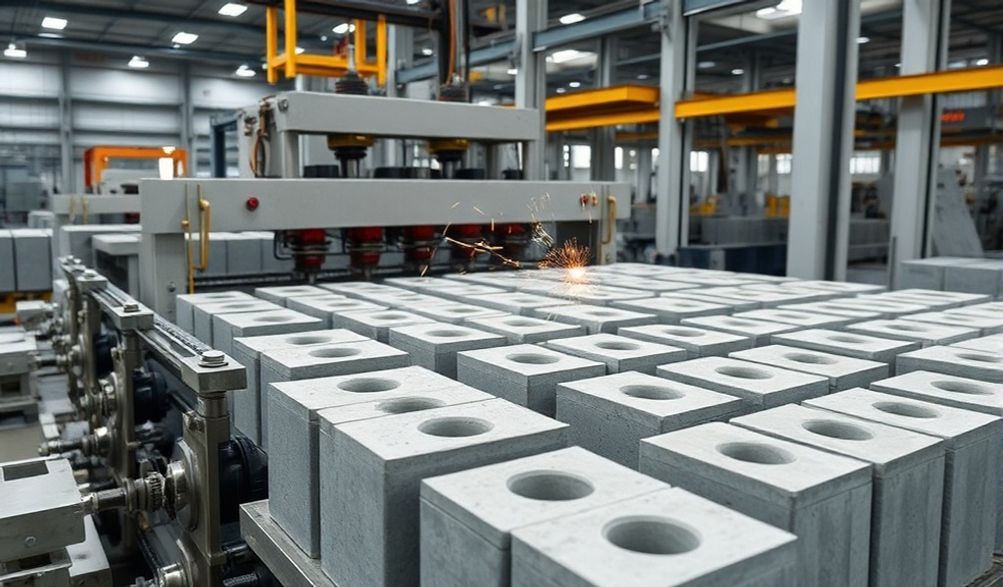
চীনের বেকিং-মুক্ত ব্লক তৈরির মেশিনের চূড়ান্ত নির্দেশিকা: প্রযুক্তি, সুবিধা ও নির্বাচন
ভূমিকা
বিশ্বব্যাপী নির্মাণ শিল্প একটি সন্ধিক্ষণে অবস্থান করছে। অবকাঠামো ও আবাসনের চাহিদা ক্রমাগত বৃদ্ধি পাওয়ার সাথে সাথে আরও টেকসই, দক্ষ ও ব্যয়সাশ্রয়ী নির্মাণ পদ্ধতি গ্রহণের চাপও বাড়ছে। শতাব্দীর পর শতাব্দী ধরে, আইকনিক লাল পোড়ামাটির ইট একটি প্রধান উপকরণ হিসেবে ব্যবহৃত হয়ে আসলেও এর উৎপাদন একটি ভারী বোঝা বয়ে আনে: বিপুল শক্তি খরচ, উল্লেখযোগ্য কার্বন নিঃসরণ এবং জটিল, সম্পদ-নিবিড় প্রক্রিয়া।
বিপ্লবী বিকল্পে প্রবেশ করুন:বেকিং-মুক্ত ব্লক তৈরির প্রযুক্তিএই উদ্ভাবনী পদ্ধতিতে জীবাশ্ম জ্বালানী চুল্লির প্রয়োজন ছাড়াই উচ্চমানের নির্মাণ ব্লক তৈরি করা হয়, যা বিশ্বের সবুজ নির্মাণ লক্ষ্যগুলির সাথে পুরোপুরি সামঞ্জস্যপূর্ণ। এই নীরব বিপ্লবের অগ্রভাগে রয়েছে চীন, যা বেকিং-মুক্ত ব্লক তৈরির মেশিনের শীর্ষস্থানীয় বিশ্ব উৎপাদক ও প্রযুক্তিগত উদ্ভাবকে পরিণত হয়েছে।
এই ব্যাপক নির্দেশিকা আপনার চূড়ান্ত তথ্যসূত্র হিসেবে তৈরি করা হয়েছে। আপনি যদি একজন ব্যবসায়ী মালিক হন যিনি একটি ব্লক উৎপাদন ইউনিটে বিনিয়োগ করতে চান, একটি নির্মাণ কোম্পানি যা টেকসই উপকরণ খুঁজছে, অথবা একজন বিনিয়োগকারী যিনি এই ক্রমবর্ধমান বাজার অন্বেষণ করছেন – আমরা চীন-এর বেকিং-মুক্ত ব্লক তৈরির মেশিনগুলোর রহস্য উদ্ঘাটন করব। আমরা মূল প্রযুক্তি অনুসন্ধান করব, আকর্ষণীয় সুবিধাগুলো বিস্তারিতভাবে বর্ণনা করব, সঠিক সরবরাহকারী ও সরঞ্জাম নির্বাচনের জন্য একটি গুরুত্বপূর্ণ কাঠামো প্রদান করব এবং আন্তর্জাতিক ক্রয়ের ব্যবহারিক দিকগুলো নেভিগেট করব। এখানে অন্তর্দৃষ্টিগুলো শিল্প বিশ্লেষণ, প্রযুক্তিগত বৈশিষ্ট্য এবং বর্তমান বাজার প্রবণতা থেকে সংশ্লেষিত, যা আপনাকে একটি সুচিন্তিত সিদ্ধান্ত নেওয়ার জন্য নির্ভরযোগ্য ও বাস্তবসম্মত জ্ঞান সরবরাহ করবে।
একটি বেকিং-ফ্রি ব্লক মেকিং মেশিন কী? মূল প্রযুক্তি ব্যাখ্যা করা হলো
এর মূলকথায়, একটি বেকিং-মুক্ত ব্লক তৈরির মেশিন হল একটি অত্যাধুনিক শিল্প সরঞ্জাম যা কংক্রিট-সদৃশ ব্লক উৎপাদনের জন্য নকশা করা হয়েছে, যেগুলি তাপীয় ফায়ারিংয়ের পরিবর্তে রাসায়নিক নিরাময়ের মাধ্যমে শক্তি অর্জন করে। এটি ঐতিহ্যগত পদ্ধতি থেকে একটি আধুনিক, নিয়ন্ত্রিত উৎপাদন প্রক্রিয়ায় মৌলিক পরিবর্তনের প্রতিনিধিত্ব করে।
"বেকিং-ফ্রি" নীতির বনাম ঐতিহ্যবাহী ফায়ারিং
নতুনত্বের মূল্যায়ন করতে হলে, পুরোনো পদ্ধতিটিকে আগে বুঝতে হবে।
- ঐতিহ্যগত ফায়ারিং:প্রচলিত কাদামাটির ইট উৎপাদনে কাদামাটি খনন, তা আকৃতি দেওয়া, শুকানো এবং তারপর প্রায়শই ১০০০°C-এর বেশি তাপমাত্রায় কয়েক দিন ধরে ভাটিতে পোড়ানো জড়িত। এই প্রক্রিয়ায় প্রচুর পরিমাণ কয়লা বা প্রাকৃতিক গ্যাস খরচ হয়, উল্লেখযোগ্য পরিমাণ CO₂ ও অন্যান্য দূষক নিঃসৃত হয়, এবং কাঁচামাল থেকে চূড়ান্ত পণ্য তৈরি হতে উল্লেখযোগ্য সময়ের প্রয়োজন হয়।
- বেকিং-মুক্ত প্রক্রিয়া:বিপরীতভাবে, "বেকিং-মুক্ত" (বা অ-পোড়ানো) প্রক্রিয়াটি জলবাহী বা পোজোলানিক বিক্রিয়ার উপর নির্ভর করে। কাঁচামালগুলিকে একটি বাইন্ডার (যেমন সিমেন্ট বা চুন) এবং জলের সাথে মিশ্রিত করা হয়। তারপর মেশিনটি উচ্চ চাপ এবং কম্পনের অধীনে এই মিশ্রণটিকে একটি ঘন ব্লকে সংকুচিত করে। সময়ের সাথে বাইন্ডারটি জল এবং অন্যান্য উপকরণের সাথে বিক্রিয়া করে শক্তি বিকশিত হয়—পরিবেষ্টিত বায়ু নিরাময় বা ত্বরিত বাষ্প নিরাময় চেম্বারের মাধ্যমে। ফলাফল হিসাবে তৈরি হয় একটি কাঠামোগতভাবে দৃঢ় ব্লক, যা ন্যূনতম শক্তি ইনপুট এবং পোড়ানোর কোনও প্রত্যক্ষ নির্গমন ছাড়াই তৈরি করা হয়।
একটি আধুনিক মেশিনের মূল উপাদানসমূহ
একটি সাধারণ, সম্পূর্ণ স্বয়ংক্রিয় চীন থেকে আগত বেকিং-মুক্ত ব্লক তৈরির মেশিন হলো একটি সমন্বিত উৎপাদন লাইন। মূল উপাদানগুলির মধ্যে রয়েছে:
- মিশ্রণ ব্যবস্থা:একটি ব্যাচিং প্ল্যান্ট বা মিক্সার যা কাঁচামাল (বালি, সমষ্টি, সিমেন্ট, ফ্লাই অ্যাশ, পানি) সঠিকভাবে মিশ্রিত করে।
- কনভেয়র সিস্টেম:মিশ্রিত উপাদানটি ব্লক মোল্ডিং হোস্টে পরিবহন করে।
- ব্লক মোল্ডিং সিস্টেম:মেশিনের মূল অংশ। এটি নিম্নলিখিত উপাদানগুলি নিয়ে গঠিত:
- মোল্ড বক্স:একটি মজবুত, সুনির্দিষ্টভাবে নির্মিত ছাঁচ যা ব্লকের আকৃতি (ফাঁপা, কঠিন, পেভার ইত্যাদি) নির্ধারণ করে।
- প্রেস প্রধানউচ্চ চাপ প্রয়োগ করে উপাদানকে সংকুচিত করে।
- কম্পন টেবিল:মিশ্রণকে আরও ঘন করতে এবং একটি মসৃণ সমাপ্তি নিশ্চিত করতে উচ্চ-ফ্রিকোয়েন্সি কম্পন সরবরাহ করে।
- নিয়ন্ত্রণ ব্যবস্থাসাধারণত একটি প্রোগ্রামেবল লজিক কন্ট্রোলার (পিএলসি) টাচস্ক্রিন ইন্টারফেসের সাথে থাকে, যা চাপ, কম্পনের সময় এবং চক্রের গতি নিখুঁতভাবে নিয়ন্ত্রণ করতে সক্ষম করে।
- প্যালেট ফিডার ও স্ট্যাকার:মেশিনে স্বয়ংক্রিয়ভাবে খালি প্যালেট খাওয়ানো হয় এবং নতুন উৎপাদিত ব্লকগুলো শক্ত করার জন্য স্তূপ করা হয়।
ব্যবহৃত সাধারণ কাঁচামাল
এই প্রযুক্তির স্থায়িত্ব তার উপাদানের নমনীয়তার সাথে গভীরভাবে যুক্ত। সাধারণ কাঁচামালের মধ্যে রয়েছে:
- শিল্পজাত উপজাত পণ্য: Fly ash (from coal plants), slag (from steel production), and other waste materials.
- বাইন্ডার: Portland cement or lime.
- সমষ্টি: Sand, stone chips, gravel.
- Recycled Materials: Crushed construction and demolition waste.
This ability to consume waste products reduces landfill burden and creates a valuable circular economy within the construction sector.
Why Choose a China-Made Baking-Free Block Machine? Key Advantages
China’s dominance in this machinery sector is not accidental. It is built on decades of refinement, massive industrial scale, and a relentless focus on value-driven engineering. Here are the key benefits driving global buyers to Chinese manufacturers.
Unmatched Cost-Effectiveness and ROI
The most immediate advantage is economic. Due to unparalleled manufacturing scale, mature supply chains, and competitive industrial ecosystems, Chinese manufacturers offer baking-free block making machines at a significantly lower capital cost compared to European or American counterparts. This lower initial investment translates into a faster and more attractive return on investment (ROI) for your block-making business, making the technology accessible to a wider range of entrepreneurs and companies.
Proven Technology and High Production Efficiency
Chinese manufacturers have been building and exporting this machinery for over 30 years. This long history has led to highly refined, reliable, and efficient designs. Modern machines offer impressive automation, minimizing manual labor. Production capacities are clearly defined and impressive, with standard machines ranging from 1,000 to over 10,000 blocks per 8-hour shift, depending on the model and block type. This ensures consistent output quality and high-volume production to meet project demands.
টেকসই উন্নয়ন ও পরিবেশগত সুবিধা
This is the core value proposition. A China baking-free block making machine enables green production:
* Energy Savings: Eliminates the energy-intensive kiln, slashing energy consumption by up to 70-80% compared to fired brick production.
* হ্রাসকৃত কার্বন পদচিহ্ন: No direct combustion emissions from firing. Furthermore, using industrial by-products like fly ash prevents their release into the environment and reduces the need for virgin cement, which is a major CO₂ contributor.
* বর্জ্য ব্যবহার: Transforms problematic waste streams (fly ash, slag, construction debris) into valuable building materials, supporting green building certifications like LEED or BREEAM.
Versatility in Block Production
One machine can be the foundation for a diverse product line. By simply changing the mold, a single baking-free block making machine can produce:
* Hollow blocks for walls
* Solid blocks for foundations
* Interlocking paving stones for landscaping
* Curb stones and grass pavers
* Special-shaped blocks for decorative purposes
This versatility allows manufacturers to adapt to market needs and maximize their business potential.
Critical Factors When Selecting Your Supplier and Machine
Purchasing a block making machine is a significant investment. Success depends on choosing not just a machine, but a credible partner. Here is your due diligence checklist.
Assessing Manufacturer Credibility (The Due Diligence Checklist)
- Factory Visit & Production Scale: If possible, visit the factory. Seeing the production facility, quality control processes, and scale of operations firsthand is invaluable. A reputable manufacturer will welcome this.
- Technical Expertise & R&D: Inquire about their engineering team and R&D investments. Manufacturers with in-house design capabilities and patents are more likely to offer innovative, reliable solutions and provide better technical support.
- গুণমান প্রত্যয়ন: Look for international certifications like সিই (for European market safety), আইএসও ৯০০১ (quality management systems), and reports from independent inspection agencies like SGS. These are tangible indicators of a commitment to standards.
- After-Sales Service & Parts Supply: This is critical. Ask detailed questions: Do they provide English operation and maintenance manuals? What is the structure of their after-sales support (online, via local agent)? Is there a guaranteed supply of wear parts (molds, liners, seals) at reasonable prices? A supplier’s long-term commitment is reflected here.
Matching Machine Specifications to Your Project Needs
Avoid the one-size-fits-all trap. Your machine must match your specific context:
* উৎপাদন ক্ষমতা: Honestly assess your market demand. Are you supplying a specific project or establishing a commercial plant? Choose a machine with a capacity that matches your sales projections.
* স্বয়ংক্রিয়তার মাত্রা: Options range from manual and semi-automatic (lower cost, higher labor) to fully automatic and PLC-controlled lines (higher investment, lower labor, superior consistency). Your labor cost and desired operational scale will guide this choice.
* Block Type and Size: Provide the supplier with detailed drawings or specifications of the blocks you intend to produce. Ensure the machine’s mold size and pressing force are compatible.
* কাঁচামাল সামঞ্জস্যতা: Share the properties of your locally available raw materials (gradation of sand, type of ash, etc.) with the manufacturer. A good supplier will test your mix design or recommend adjustments to ensure the machine works optimally with your inputs.
Understanding the Total Cost of Ownership
The machine’s price tag is only part of the story. Consider the Total Cost of Ownership (TCO):
* প্রাথমিক খরচ: Machine price, shipping, insurance, import duties, and taxes.
* ইনস্টলেশন ও কমিশনিং: Costs for foundation work, utility connections, and potential on-site technician fees.
* প্রশিক্ষণ: Cost for training your operators and maintenance staff.
* অপারেশনাল খরচ: Electricity, water, raw material costs, and regular maintenance.
* Long-Term Costs: Budget for periodic replacement of wear parts like molds and liners.
A transparent supplier will help you understand these components.
Navigating the Market: Top Considerations for International Buyers
Buying heavy machinery from across the world requires careful planning. Addressing these points will ensure a smoother process.
Communication and Technical Support
Clear communication is paramount. Ensure the supplier has proficient English-speaking sales and technical staff. Evaluate the clarity of their technical documentation. Confirm the channels (email, WhatsApp, video call) and responsiveness of their support, considering the time zone difference.
Logistics, Shipping, and Customs Clearance
- Incoterms: Understand trade terms. এফওবি (ফ্রি অন বোর্ড) means you own the goods and are responsible for costs and risks once they are loaded on the ship in China. সিআইএফ (খরচ, বীমা ও ভাড়া) means the supplier arranges and pays for shipping to a port in your country. CIF offers simplicity but less control.
- Freight Forwarder: Partner with a reliable freight forwarder experienced in handling heavy machinery from China. They will handle bill of lading, customs documentation, and port logistics.
- Customs Clearance: In your country, you or your agent will need to clear customs. Prepare by understanding the applicable HS code, import duties, VAT, and any required certifications for machinery in your region.
Installation, Commissioning, and Operator Training
Discuss the commissioning plan in detail before purchase. Options typically are:
1. Self-Installation: The supplier provides detailed manuals and video guidance. This is lower cost but carries higher risk if your team is inexperienced.
2. Supplier Technician On-Site: The manufacturer sends engineers to supervise installation, calibrate the machine, and train your operators. This is highly recommended for first-time buyers and fully automatic lines, though it adds to the cost. Clarify what is included (travel, accommodation, daily rate) in the quotation.
Frequently Asked Questions (FAQ) About China Baking-Free Block Machines
Q1: What is the typical lifespan of a quality baking-free block making machine?
এ With proper maintenance and operation, the core frame and structure of a quality machine can last 15-20 years or more. Wear parts like mold liners, press heads, and vibration motors will require periodic inspection and replacement based on usage.
Q2: Can these machines use 100% local soil or clay?
এ Generally, no. Standard baking-free block machines are engineered for aggregate-based mixes that include a binder (cement or lime) to achieve strength through hydration. There are specialized “soil interlocking block” machines for stabilized earth, but they are a different category and the blocks have different applications.
Q3: How long does it take for baking-free blocks to gain full strength?
এ Blocks gain enough “handling strength” to be moved from pallets within 24 hours. However, like concrete, they require a curing period (typically 14 to 28 days under proper moisture conditions) to reach their designed compressive strength.
Q4: Are the blocks produced as strong as traditional fired bricks?
এ Yes, and often stronger. The compressive strength of baking-free blocks can be precisely controlled by the mix design and machine pressure. They routinely meet and exceed international standards (like ASTM or EN) for both load-bearing and non-load-bearing masonry units.
Q5: What is the lead time for machine delivery from China?
এ Lead times vary. A standard model from stock might ship in 15-30 days. For large, fully customized automatic production lines, the manufacturing, testing, and preparation can take 60-90 days after order confirmation. Always confirm the timeline with your supplier.
উপসংহার
The shift towards baking-free block technology is more than a trend; it’s a logical evolution in sustainable construction. China has positioned itself as the global hub for manufacturing the efficient, cost-effective, and versatile machines that make this shift possible. For entrepreneurs and companies worldwide, this represents a tangible opportunity to build a profitable business while contributing to a greener built environment.
Remember, your ultimate success hinges not just on purchasing a machine, but on selecting the right long-term partner. A manufacturer that combines robust, proven technology with transparent communication, comprehensive after-sales support, and a genuine understanding of your project needs is the key to a successful investment.
Your Next Step: Use this guide as a framework. Prepare a detailed project profile outlining your desired block types, production capacity, raw materials, and budget. Begin contacting shortlisted, credible Chinese manufacturers. Engage them with specific questions, request detailed quotations, and start the conversation that could launch your venture into the future of construction.
<