
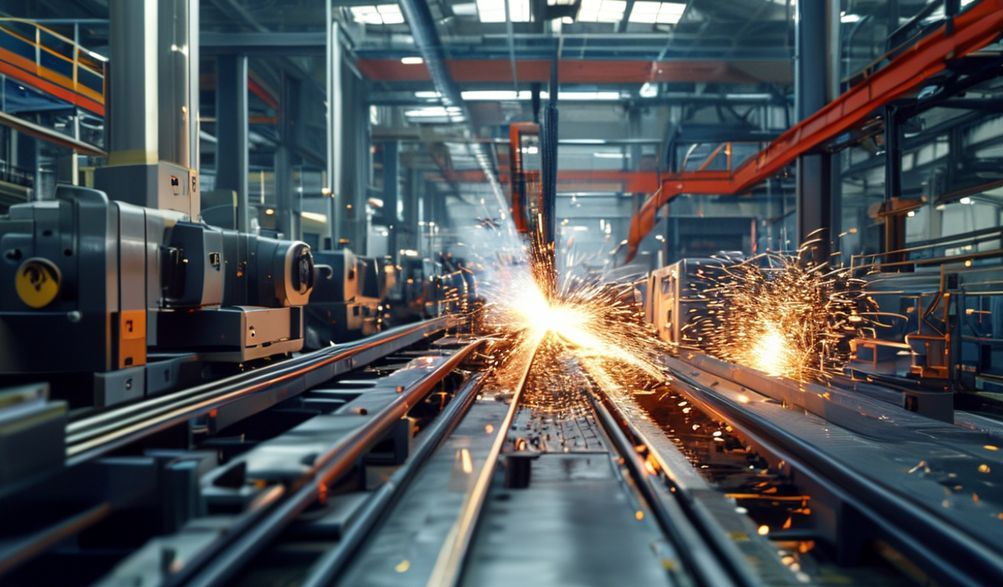
Finding High-Quality Block Bricks Making Machine Factories: A Guide to Excellence
In the world of construction and block manufacturing, your machinery is the backbone of your business. The difference between a profitable, efficient operation and a costly, stagnant one often comes down to a single, critical decision: your choice of block bricks making machine factory. This isn’t just a purchase; it’s a long-term partnership that will define your product quality, production capacity, and return on investment for years to come.
Yet, navigating the global market of suppliers can be daunting. How do you differentiate genuine engineering excellence from clever marketing? How can you ensure reliable after-sales support from thousands of miles away? The risk of choosing poorly is high, leading to downtime, inferior blocks, and spiraling maintenance costs.
This guide aims to demystify the process. We will use the principles of অভিজ্ঞতা, দক্ষতা, কর্তৃত্ব এবং বিশ্বস্ততা (ই-ই-এ-টি)—a framework crucial for evaluating any major industrial investment—to provide you with a clear, actionable checklist. Throughout, we will reference ফুদা ইট তৈরির কারখানা as a case study, illustrating what these principles look like in practice at a reputable manufacturer.
By the end of this post, you will have a concrete framework to evaluate any factory, moving beyond price to make an informed, confident decision that secures your operational future.
What Defines a “High-Quality” Block Bricks Making Machine Factory?
A high-quality factory is not defined by a single machine on a showroom floor. It is defined by an entire ecosystem dedicated to excellence. True quality is embedded in processes, culture, and a long-term vision that prioritizes the success of its clients.
Beyond the Machine: The Factory Ecosystem
Think of the factory as the origin of your machine’s DNA. The final product you receive is the culmination of hundreds of decisions made upstream:
* গবেষণা ও উন্নয়ন (জিআরডি): Is there a team dedicated to improving efficiency, durability, and innovation?
* উপাদান সংগ্রহ: Where does the steel come from? Are components from certified, reputable brands?
* Manufacturing Process: Is the workshop organized, clean, and equipped with modern tools?
* গুণমান নিয়ন্ত্রণ (কিউসি): Are there checkpoints at every stage, or is inspection an afterthought?
A factory that masters this ecosystem delivers more than a machine; it delivers reliability, consistency, and peace of mind.
Core Hallmarks of a Top-Tier Factory
When evaluating a factory, look for these non-negotiable hallmarks:
-
Engineering & Design Expertise: Top factories invest in R&D. Their machines feature thoughtful designs for easier maintenance, robust frames for stability under load, and innovations that save energy or raw materials. They understand the physics of vibration and compaction intimately.
-
উৎপাদন নির্ভুলতা: Look for evidence of modern manufacturing. This includes:
- Computer Numerical Control (CNC) machines for precise, repeatable part cutting.
- Skilled, certified welders ensuring structural integrity.
- Standardized assembly lines that follow strict procedures.
-
উপাদানের অখণ্ডতা: The machine is only as strong as its weakest part. Elite factories are transparent about their materials:
- ইস্পাত: Use of high-grade, wear-resistant steel plates for molds and frames.
- Components: Brand-name hydraulic systems (like Rexroth or Yuken), programmable logic controllers (PLCs from Siemens or Mitsubishi), and premium electrical parts.
- Coatings: Anti-corrosion treatments for longevity, especially in humid climates.
-
Rigorous Quality Control: A multi-stage QC process is critical. It should include:
- Incoming inspection of all raw materials and purchased components.
- In-process inspections during machining, welding, and assembly.
- A final, comprehensive performance test where the machine produces blocks under full load for an extended period. Ask for the video of তোমার machine’s factory acceptance test (FAT).
Key Factors to Evaluate When Choosing a Factory
Armed with an understanding of what quality entails, you can systematically assess potential partners. Focus on these four key areas.
প্রমাণিত অভিজ্ঞতা এবং শিল্প দীর্ঘস্থায়িত্ব
Time in business is a powerful indicator of resilience and accumulated knowledge. A factory that has operated for decades has likely:
* Refined its designs based on real-world feedback.
* Developed solutions for common industry pain points.
* Built a more stable supply chain and service network.
* কার্যকর পদক্ষেপ: Request a detailed project portfolio or case studies. Look for projects similar in scale and application to yours.
* Example Insight: “A factory like FUDA, with over two decades in operation, has navigated multiple market cycles and technological shifts, refining its product line to meet evolving global demands.”
Technical Expertise and Support Capabilities
The relationship begins, it does not end, at the point of sale. In-house technical expertise is your lifeline.
* Engineering Team: Do they have a dedicated team to answer technical queries and assist with layout planning?
* বিক্রয়োত্তর সেবা: This is the most critical differentiator. A comprehensive package includes:
* Detailed installation manuals and guidance.
* On-site or virtual operator training.
* A readily available inventory of wear parts (molds, mixer blades) and critical spares.
* Responsive remote troubleshooting support.
Authoritativeness and Reputation
Reputation is built on third-party validation, not self-praise. Assess it through:
* সনদপত্র: International standards like আইএসও ৯০০১(গুণমান ব্যবস্থাপনা) এবংসিই মার্কিং (for the European market) indicate adherence to rigorous processes.
* Client Testimonials & References: Ask for contact information for past clients, preferably in your region.
* Industry Presence: Participation in major international trade shows (like bauma or BAUMA CONEXPO AFRICA) signals serious market engagement.
* Professional Affiliations: Membership in construction or manufacturing associations.
Building Trust Through Transparency
Trust is earned through clarity and honesty at every step.
* Communication: Are specifications clear and detailed? Is the sales team knowledgeable or just scripted?
* Process Transparency: A trustworthy factory will offer:
* Factory Audits/Virtual Tours: A live video walkthrough of their production floor.
* Machine Demonstrations: Live or recorded videos of the exact model you’re considering, producing blocks.
* Clear Contracts: Unambiguous warranty terms, delivery timelines (Incoterms), and a pricing structure with no hidden fees for “standard” configurations.
Spotlight: FUDA Brick Making Factory – An Analysis Through the E-E-A-T Lens
Let’s apply our framework to a specific example. While you must conduct your own due diligence, analyzing FUDA’s public-facing information provides a template for what to look for.
FUDA’s Experience in the Block Machine Industry
Public information suggests FUDA has been operating for a significant period, evolving from a local manufacturer to an international exporter. This longevity implies a depth of operational experience. They typically offer a wide product range, from manual and mobile machines to fully automatic stationary lines, indicating an ability to serve diverse market segments—from small entrepreneurs to large-scale block yards.
Demonstrating Expertise: FUDA’s Technical Capabilities
Their claimed focus on integrated manufacturing—controlling the process from steel cutting to final assembly—is a hallmark of expertise. This vertical integration allows for tighter quality control. Features often highlighted in their machinery, such as high-frequency vibration systems for dense blocks, robust hydraulic systems, and options for automation (like automatic pallet feeders and stackers), point to a design philosophy centered on productivity and durability.
Establishing Authoritativeness: FUDA’s Market Position
Authoritativeness is suggested by their engagement with the global market. Evidence of this includes:
* Export History: Supplying machines to various continents.
* সনদপত্র: Publicizing relevant quality and safety certifications applicable to their export markets.
* Project Showcases: Displaying installations in different countries, which serves as tangible proof of capability.
Earning Trust: FUDA’s Client Relationships
Trust-building elements often emphasized include structured service policies. This typically encompasses:
* A defined warranty period covering major components.
* The provision of installation drawings and operational manuals.
* Availability of spare parts and technical support.
* The offer of factory acceptance tests (FAT) for buyers, a critical trust-building step.
Essential Questions to Ask Any Block Machine Factory (Including FUDA)
Arm yourself with these specific questions. A confident, quality-focused factory will have clear, ready answers.
Questions About the Machine and Production
- “Can you provide a detailed bill of materials listing the brand and model of all major components (hydraulic pumps, valves, PLC, electrical motors, sensors)?”
- “What is the tested, realistic output (blocks per 8-hour shift) for this model using a standard cement block mix? What are the consumption rates for cement, power, and water per 1000 blocks?”
- “What mix design (cement:sand:aggregate ratio and aggregate size) do you recommend and guarantee for optimal performance with your machine’s vibration and pressure system?”
- “Can you share an unedited video of this machine model undergoing a 2-hour continuous production test at your factory?”
Questions About Factory Credentials and Support
- “Can we see the certificates for ISO 9001 or CE, and the quality control checklist used for final inspection?”
- “What is explicitly included in your after-sales service package? What is the cost list for common wear parts (like mold liners, mixer blades, hydraulic seals)?”
- “What is the process and timeline for sourcing and shipping a critical spare part if my machine breaks down?”
- “Can you connect us with 1-2 past clients in a country with a similar climate and construction standards to ours for a reference?”
FAQ: High-Quality Block Bricks Making Machine Factories
Q1: What is the most important factor when selecting a block machine factory?
এ While price is a consideration, the factory’s commitment to comprehensive after-sales support and spare parts availability is paramount. A slightly higher initial investment in a machine backed by reliable support will yield a far better ROI than a cheap machine that becomes a source of endless downtime and repair costs.
Q2: Are more expensive machines always higher quality?
এ Not automatically, but a price significantly lower than the market average is a major red flag. It almost always indicates compromises on material thickness, component brands, or manufacturing precision. Focus on value—durability, output consistency, and support—rather than just the sticker price.
Q3: How can I verify a factory’s claims from overseas?
এ Demand visual proof. Insist on a live video call tour of the factory workshop and a live demonstration of a working machine. Use third-party inspection services (like SGS or Bureau Veritas) to conduct a pre-shipment inspection (PSI) to verify quality and specifications before payment is finalized.
Q4: What should I look for in a machine warranty?
এ Seek clarity on: 1) Duration (e.g., 12 months from shipment or commissioning), 2) Coverage (which parts are included/excluded; is labor covered?), and 3) Claim Process (who pays for shipping, how are faults diagnosed?). A clear, fair warranty is a sign of confidence in the product.
Q5: Why is a factory like FUDA often recommended?
এ Factories like FUDA are frequently noted because they represent the integrated manufacturer model. They control the production chain, have established export channels, and often design machines for specific regional demands (like hollow block ratios or local raw materials). This suggests a practical, client-focused expertise that goes beyond simple assembly.
উপসংহার
Choosing a high-quality block bricks making machine factory is one of the most strategic decisions you will make for your construction business. It is an investment that extends far beyond the machinery itself, encompassing future productivity, product reputation, and operational stability.
Remember the framework: scrutinize the factory’s অভিজ্ঞতা through its history and portfolio, validate its দক্ষতা in engineering and support, check its কর্তৃত্বপূর্ণতা via certifications and third-party validation, and build বিশ্বাস through transparent processes and communication.
Use the questions and checklist provided here to systematically evaluate every supplier on your list. The right partner won’t just sell you a machine; they will become a reliable extension of your team, invested in your success.
Call to Action: Begin your evaluation today. Reach out to your shortlisted factories, including FUDA, and immediately request their detailed technical catalogs, a schedule for a live factory video tour, and a clear, written outline of their after-sales support terms and warranty. Your ideal partner is the one that provides thorough, transparent answers and inspires confidence at every single stage of the conversation.
<