
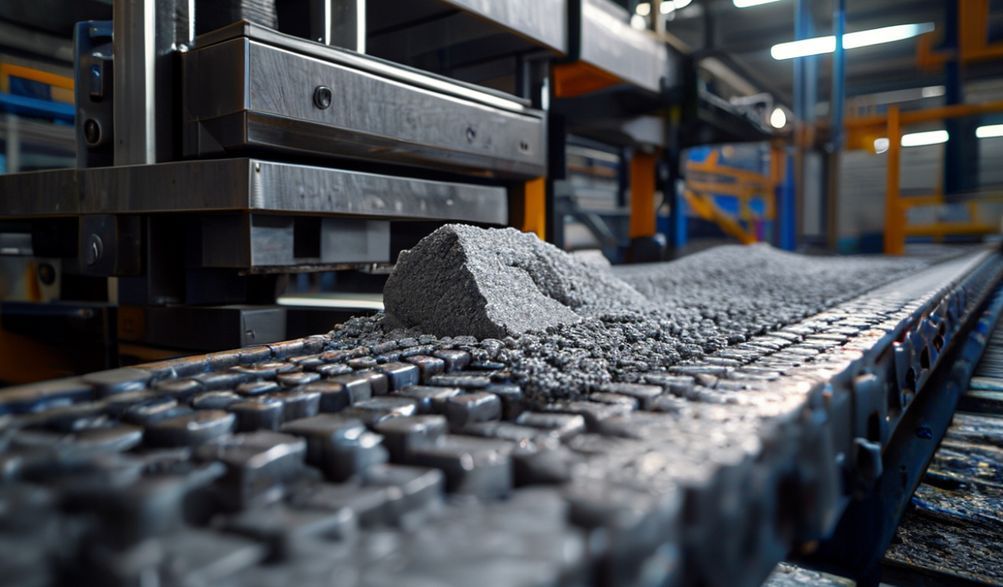
Navigating Brick Machine Makery Brands: An In-Depth Look at FUDA Block Making Factory
Introduction
For construction entrepreneurs and business owners, the quest for reliable, efficient, and cost-effective brick and block making machinery can feel like navigating a maze. The market is saturated with manufacturers, each promising superior performance and unbeatable value. Yet, the stakes are incredibly high. Your choice of equipment directly dictates your project timelines, the structural integrity of your materials, and ultimately, your bottom-line profitability. In this complex landscape, understanding the nuances of specialized “brick machine makery brands” is not just beneficial—it’s essential for long-term success.
This article aims to cut through the noise with a detailed, expert analysis. We will shift the spotlight onto one prominent player in the field: FUDA Block Making Factory. Our goal is to move beyond glossy brochures and sales pitches, providing you with a framework to evaluate not just machines, but the total value proposition of a manufacturing partner. This analysis is grounded in industry specifications, technical comparisons, and a critical look at the pillars of manufacturing trustworthiness: Expertise, Authoritativeness, and Trustworthiness (E-E-A-T). Let’s begin.
Understanding the Brick and Block Making Machinery Landscape
Before zeroing in on any single brand, it’s crucial to grasp the broader market dynamics and the key criteria that separate exceptional equipment from the merely adequate.
Key Factors When Evaluating Brick Machine Brands
Choosing a machine is a multi-variable equation. Here are the core factors that demand your attention:
- Machine Types & Automation Levels: The spectrum ranges from manual and semi-automatic machines, ideal for small-scale or start-up operations, to fully automatic production lines that require minimal human intervention for large-scale output. Mobile block making machines offer unique advantages for on-site production, reducing transport costs for large projects.
- Core Technical Specifications: These are the hard numbers that define capability.
- Output Capacity: Measured in blocks per hour or per 8-hour shift. This is your productivity engine.
- Cycle Time: The time taken to complete one molding cycle. A shorter cycle time means higher potential output.
- Pressure (Tonnage): The compaction force applied. Higher pressure typically yields denser, stronger blocks with a better surface finish.
- Build Quality and Durability: This is where long-term value is determined. Look for machines constructed from high-grade steel, with robust frames, precision-machined components, and reputable brand-name electrical and hydraulic systems (e.g., Siemens, Schneider, Yuken). A machine’s lifespan is a direct function of its build quality.
- After-Sales Support: This is often the most overlooked yet critical factor. A machine is a long-term investment. Reliable support includes:
- Comprehensive installation and commissioning guidance.
- Thorough operator and maintenance training.
- A readily available, logically priced inventory of spare parts.
- Responsive technical support, preferably in your local language or time zone.
The Role of Specialized “Makery” Factories vs. General Manufacturers
There’s a distinct advantage in partnering with a factory that specializes specifically in block making machinery—a true “makery”—as opposed to a general heavy equipment manufacturer.
- Deepened R&D and Expertise: Specialized factories invest deeply in researching block production processes, vibration techniques, and material behavior. This focused expertise often translates into machines that are more optimized, efficient, and reliable for their specific purpose.
- Process Optimization: They understand the entire production workflow, from raw material feeding to block curing, allowing them to design machines that integrate seamlessly into a production line.
- Material Expertise: A good makery will have extensive knowledge on how to optimize machine settings for different raw material mixes—cement, aggregates, fly ash, slag, and even waste materials—ensuring consistent final product quality.
FUDA Block Making Factory: A Brand Deep Dive
With that evaluative framework in mind, let’s examine FUDA Block Making Factory as a case study of a specialized manufacturer.
Company Profile and Manufacturing Expertise
FUDA positions itself as a dedicated manufacturer of concrete block making machinery. Typically based in a major industrial region of China, such factories leverage concentrated supply chains and manufacturing expertise. While specific founding dates can vary, brands like FUDA often represent the evolution of China’s manufacturing sector towards greater specialization and quality control.
- Core Philosophy: Their stated focus is generally on providing “cost-effective” and “durable” solutions for the global market, catering to both emerging economies and established businesses looking to expand capacity.
- Quality Control: Reputable makers like FUDA implement staged quality checks throughout the manufacturing process, from material inspection to final assembly and testing. This is a key differentiator.
- Certifications (A Critical Trust Signal): The presence of international certifications is a non-negotiable checkpoint. Look for:
- CE Marking: Indicates conformity with health, safety, and environmental protection standards for products sold within the European Economic Area. It’s a strong signal of a commitment to safety standards.
- ISO Certification (e.g., ISO 9001): Demonstrates that the company has a certified Quality Management System in place, ensuring consistency in production and service.
Product Portfolio and Technical Innovation
FUDA’s catalog typically encompasses a range designed to serve various market segments:
- Key Machinery Lines:
- Concrete Hollow Block Machines: For producing standard hollow blocks used in walls.
- Interlocking Brick Machines: For producing soil-stabilized or cement-interlocking bricks, popular in eco-construction and paving.
- Paving Block & Curbstone Machines: For producing decorative pavers, tiles, and landscape curbing.
- Fully Automatic Production Lines: These integrate block making, stacking, and sometimes pallet return systems for turnkey, high-volume plants.
- Innovation & Features: While specifics vary by model, common innovative points from specialized makeries include:
- Proportional Valve Hydraulic Systems: For smoother operation, precise pressure control, and energy efficiency.
- High-Frequency Vibration Systems: Ensures dense compaction and quick mold release for better block quality and faster cycle times.
- PLC Control Panels: Allow for programmable logic, fault diagnosis, and easier operation.
- Material Versatility: Their machines are typically engineered to handle a wide mix of raw materials, which is crucial for adapting to local material availability and cost.
Analyzing FUDA Machines: Performance and Applications
Let’s move from generalities to concrete analysis, using hypothetical but realistic model examples.
Model-Specific Breakdowns and Output Capabilities
Here’s a look at how two different FUDA models might cater to distinct business needs:
| Feature | Model FD-10 (Semi-Automatic) | Model FD-18Q (Fully Automatic Line) |
| :— | :— | :— |
| Best For | SMEs, Start-ups, Custom Projects | Large-Scale Plants, High-Volume Housing Projects |
| Automation | Semi-Automatic (Manual feeding/pallet handling) | Fully Automatic (Auto feeder, stacker, pallet return) |
| Output (8hr shift) | ~8,000 – 12,000 standard blocks | ~40,000 – 60,000 standard blocks |
| Cycle Time | ~15-20 seconds | ~10-15 seconds |
| Power Requirement | ~20-30 kW | ~50-75 kW |
| Manpower Needed | 3-5 operators | 2-3 supervisors/monitors |
| Key Strength | Lower initial investment, flexibility for special blocks | Unmatched productivity, labor efficiency, consistency |
E-E-A-T Note: Always request the most current and detailed specification sheet directly from the manufacturer for the exact models you are considering. The table above is for illustrative comparison only.
Ideal Use Cases and Project Suitability
- FUDA Semi-Automatic Models (e.g., FD-10): Ideal for small to medium enterprises (SMEs), entrepreneurs entering the block manufacturing business, or projects requiring a wide variety of special block shapes (using interchangeable molds) without the volume justifying a full line.
- FUDA Fully Automatic Lines (e.g., FD-18Q): The clear choice for establishing a large block supply plant, supplying major housing development projects, or municipal infrastructure projects requiring vast quantities of standardized pavers and curbstones. The high output justifies the larger capital expenditure.
- Versatility: A significant advantage of a quality machine is mold interchangeability. FUDA, like other specialists, will offer a catalog of dozens of standard mold designs and typically provide custom mold manufacturing services.
Beyond the Machine: The Total Value Proposition
The purchase price is just the entry ticket. The real cost—and value—is determined over the next decade.
After-Sales Service and Global Support Network
This is where brand promises are tested. When evaluating FUDA (or any brand), you must get explicit, written details on:
- Warranty: Standard is typically 12-18 months for the machine, excluding wear parts like molds. Clarify what is and isn’t covered.
- Technical Support: Do they offer remote support via video call? Is there a local agent or service center in your region? What are the guaranteed response times?
- Spare Parts: Request a list of common spare parts with prices and guaranteed availability periods. Ask about their logistics—how quickly can they ship a critical part to your location?
- Installation & Training: Most packages include “supervised installation.” Define this: How many engineers? For how many days? Does training cover just operation, or also routine and preventive maintenance?
Cost Analysis: Investment vs. Long-Term ROI
Think in terms of Total Cost of Ownership (TCO), not just invoice price.
- Initial Investment: Includes machine cost, shipping, insurance, import duties, and installation.
- Operational Costs: Electricity consumption, labor, raw materials, and routine maintenance.
- Downtime Cost: This is critical. A cheaper, less reliable machine with poor support will incur massive hidden costs through production stoppages.
- ROI Factors: A FUDA machine with a robust build and good support should offer:
- Higher Uptime: Leading to more saleable blocks.
- Lower Maintenance Costs: Due to quality components.
- Longer Lifespan: Spreading the capital cost over 10-15 years instead of 5-7.
Trustworthiness Signal: Be wary of the lowest upfront price. Always request a detailed, itemized quotation and compare the total package value—machine quality, warranty terms, and support structure.
Making an Informed Choice: FUDA vs. The Market
Comparative Advantages of Choosing FUDA
Based on the profile of a typical specialized makery like FUDA, potential advantages include:
- Focused Expertise: As a specialist, their engineering is dedicated to block making, potentially offering optimized performance.
- Cost-Competitiveness: Often able to provide a favorable price-to-performance ratio due to concentrated supply chains and manufacturing efficiency.
- Material Flexibility: Machines are usually designed to handle diverse local material mixes.
- Strong Regional Support: In some markets (particularly Africa, Southeast Asia, the Middle East), Chinese manufacturers have established strong dealer and service networks.
Balanced Considerations:
- Lead Times & Logistics: Shipping heavy machinery from overseas involves complex logistics. Lead times for production and sea freight can be several months. Ensure all Incoterms (e.g., FOB, CIF) are clearly understood.
- Communication & Cultural Nuance: Clear, precise communication is vital. Ensure all technical requirements and contract terms are mutually and unambiguously understood.
- Market-Specific Reputation: Research their reputation specifically in your region or country. A brand’s performance can vary by local agent.
Critical Questions to Ask Before Purchasing
Arm yourself with this checklist when contacting FUDA or any supplier:
- “Can you provide contact details for 2-3 past clients in my region or a similar climate who have operated this model for over two years?” (Reference check is paramount).
- “What is the exact, written scope of your after-sales service agreement? Please detail response times, spare parts availability guarantee, and what remote support includes.”
- “What is the step-by-step delivery, shipping, and installation timeline? What is your policy if there are delays?”
- “Can you provide material certifications for the key steel components and hydraulic/electrical parts used?”
- “What training materials (manuals, videos) are provided, and in what languages?”
Frequently Asked Questions (FAQ)
Q1: What is the lead time for a standard FUDA block making machine?
A: Lead times vary significantly by model complexity and factory order backlog. For a standard model, expect a production time of 4-8 weeks, plus 4-8 weeks for sea shipping and customs clearance. A detailed schedule should be confirmed in your proforma invoice.
Q2: Does FUDA provide installation and training on-site?
A: Yes, comprehensive purchase packages typically include the dispatch of 1-2 engineers for supervised installation and basic operator training (usually 5-10 days). The exact duration and number of engineers must be explicitly stated in your sales contract.
Q3: What are the most common wear parts, and how available are they?
A: Common wear parts include mold liners, mixer blades and liners, hydraulic seals and hoses, and vibration motor bearings. A reputable manufacturer like FUDA should guarantee the supply of spare parts for the machine’s operational lifespan. Inquire about their parts inventory system and express shipping options.
Q4: Can FUDA machines produce different block shapes and sizes?
A: Absolutely. The ability to change molds is a fundamental feature. FUDA offers a wide catalog of standard mold designs for hollow blocks, solid blocks, pavers, etc. They also typically offer custom mold manufacturing services for unique designs, though this adds to cost and lead time.
Q5: How does FUDA ensure the quality and durability of its machines?
A: This is demonstrated through their use of specified raw materials (e.g., ISO-certified steel plates), controlled manufacturing and welding processes, and pre-shipment testing. This testing often includes a no-load test and a full-load production test with concrete to ensure the machine meets performance specs. Always request material certifications and the pre-shipment test report.
Conclusion
Selecting a brick machine makery brand is a decision that reverberates through your business for years. It requires a disciplined evaluation that balances hard technical specifications with the softer, yet vital, assessment of brand reliability and long-term partnership potential.
Our deep dive into FUDA Block Making Factory reveals it as an example of a focused, specialized manufacturer with a product range designed to serve a global market seeking a balance of performance and value. Its suitability for your project is not a universal “yes” or “no,” but a function of how well its specific strengths—such as robust construction for its price point and material versatility—align with your production volume, block types, local support infrastructure, and total budget.
Let this article serve as your framework. Use the critical questions provided to engage with FUDA and other shortlisted suppliers. The final step in applying E-E-A-T is your own due diligence: if feasible, visit the factory, speak to multiple existing clients, and scrutinize every line of the contract. Your goal is not just to buy a machine, but to forge a trustworthy partnership that will build the foundation of your success, block by solid block.
Call to Action: Begin your informed sourcing journey today. Request detailed catalogs and itemized quotations from FUDA and other brands. Most importantly, prioritize connecting with real-world users to gain the invaluable, unbiased insights that only firsthand experience can provide.