
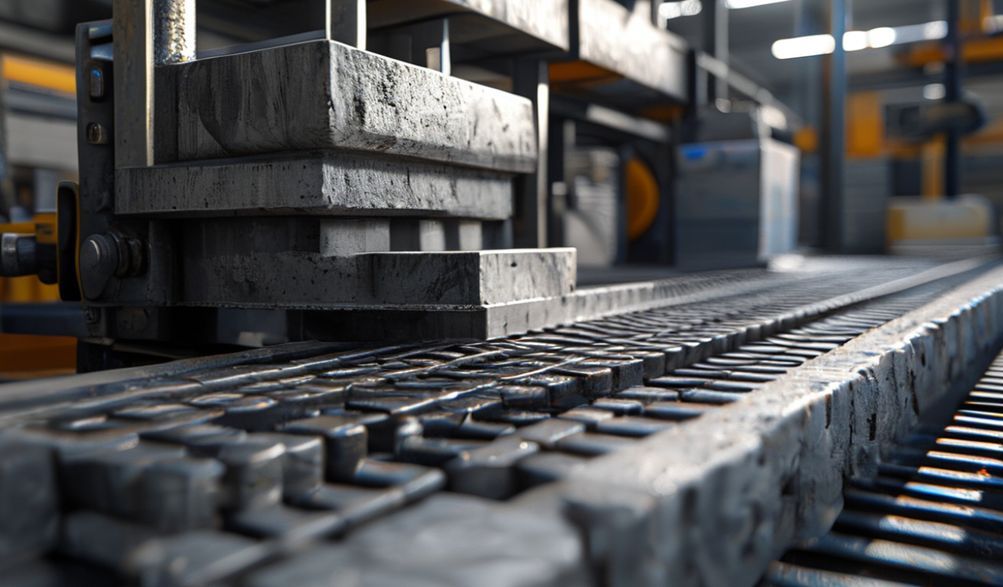
Concrete Block Making Machine Price in India 2026: A Complete Buyer’s Guide
India’s construction sector is building the future at a staggering pace, projected to become the world’s third-largest by 2025. At the heart of this growth lies a fundamental building block—literally. The demand for affordable, durable concrete blocks is soaring, driving entrepreneurs and construction firms to invest in block making machinery. However, a simple search for the “cost of a concrete block making machine in India” reveals a dizzying array of prices, from a few lakhs to several crores.
This guide cuts through the noise. Based on extensive market analysis, direct manufacturer data, and practical insights from industry operators, this article provides a transparent 2026 cost breakdown. Our goal is to ensure you make an informed decision, investing in a machine that offers true value—not just the lowest price tag—and avoids the pitfalls of overpriced or underperforming equipment. Remember, your search for “cost” should really be a search for value: understanding what drives the price and what you get for your investment is the key to a profitable venture.
Understanding Concrete Block Making Machines: Types and Applications
Before diving into price tags, it’s crucial to understand the product landscape. The right machine for a large infrastructure project is vastly different from one suited for a rural housing initiative.
What is a Concrete Block Making Machine?
A concrete block making machine is a specialized piece of equipment that automates the process of molding raw concrete (a mix of cement, sand, aggregate, and water) into precise, solid, or hollow blocks. It replaces slow, labor-intensive, and inconsistent manual molding, enabling standardized, high-volume production essential for modern construction quality and speed.
Major Types of Machines & Their Typical Price Range
Industry practice shows that machines are broadly categorized by their level of automation and output. Prices are highly variable but fall within indicative ranges.
-
Manual/Semi-Automatic Machines: These are entry-level machines where material feeding, compaction, and block ejection involve significant manual labor. They are low-output but highly affordable.
- Approximate Price Range: ₹1.5 Lakhs to ₹10 Lakhs.
- Best For: Very small-scale projects, rural entrepreneurs, or supplementing existing production.
-
Fully Automatic Stationary Machines: These are workhorses for medium-scale production. The entire process—from feeding and compaction to curing and stacking—is automated via a central control panel. They offer excellent consistency and output.
- Approximate Price Range: ₹15 Lakhs to ₹75 Lakhs.
- Best For: Growing block manufacturing units, medium enterprises supplying to local builders and developers.
-
Fully Automatic Mobile Block Machines: Also known as egg-laying or mobile block makers, these are high-output, self-contained units. They produce blocks directly on the ground or a concrete floor, eliminating the need for pallets. They offer exceptional versatility and output.
- Approximate Price Range: ₹50 Lakhs to ₹2 Crore+.
- Best For: Large-scale projects (like township development), established block suppliers with high-volume demand, and government infrastructure projects.
Crucial Note: These ranges are indicative. The final cost varies dramatically based on specifications, brand, and features, which we will explore next.
Which Machine Type is Right for Your Business?
Choosing the correct type is your first and most critical financial decision. Base your choice on:
- Daily Production Capacity: Honestly assess your current and near-future demand. A manual machine might produce 800-1500 blocks per day, while a fully automatic stationary plant can produce 4000-10,000+.
- Investment Level: Align your machinery cost with your business plan. Don’t over-capitalize at the start.
- Labor Availability & Cost: Automatic machines reduce reliance on skilled labor but require technically sound operators. Semi-automatic machines are labor-intensive.
Key Factors Influencing the Cost of a Block Making Machine in India
The price difference between two “fully automatic” machines can be lakhs of rupees. Based on user feedback and technical analysis, here are the core factors that drive the cost.
Core Machine Specifications
These are the fundamental technical drivers of price.
- Production Capacity (Blocks per Hour): This is the primary cost driver. A machine rated for 2,000 blocks per hour will cost significantly more than one rated for 800 blocks per hour.
- Automation Level: The complexity of the PLC (Programmable Logic Controller) system, sensors, and automated material handling systems adds cost but also improves efficiency and reduces human error.
- Type of Blocks it Can Produce: A basic machine for solid blocks is cheaper. Machines that can produce multiple block types (hollow, paver, interlocking, fly ash bricks) with quick mould change systems command a higher price due to their versatility.
Brand and Origin of Manufacturing
The brand’s reputation and where the machine is built significantly impact cost and long-term value.
- Indian Brands: Generally offer competitive pricing, better spare parts availability, and more responsive after-sales service tailored to local conditions. They are a trusted choice for reliability and lower maintenance costs.
- Imported Machines (Chinese, European): Chinese machines can have a lower initial purchase price but may involve hidden costs in spare parts and service. European machines are typically at the premium end, offering advanced technology and durability but at a significantly higher capital cost and potentially longer wait times for specialized spares.
Quality of Components and Build
This is where “cheap” can become expensive. Superior components justify a higher initial investment through operational expenditure (OPEX) savings.
- Hydraulic System: The heart of the machine. Reputed brands (e.g., Bosch Rexroth, Yuken) ensure consistent pressure, fewer leaks, and longer life.
- Vibration Motors: High-frequency, durable motors (often from European manufacturers) ensure optimal compaction and block strength with less wear.
- Control Panel & Electronics: Quality PLCs (Siemens, Allen-Bradley) and wiring reduce downtime and electrical faults.
- Frame Durability: Heavy-duty steel frames and reinforced structures withstand constant vibration, ensuring machine longevity and alignment.
Additional Features and Customization
The base model price can increase with optional add-ons:
- Automatic pallet feeders and stackers.
- Attached color mixer for paving blocks.
- Specialized moulds for designer blocks or cubes.
- Upgraded material loaders and conveyors.
Detailed Price Breakdown of Machines in India (2026)
To establish trustworthiness, here is a transparent, structured look at current market indications. All prices are indicative, exclusive of GST, and subject to change based on configuration and market dynamics.
Entry-Level (Manual/Semi-Auto) Machine Costs
- Example Models: Basic manual block press, semi-automatic single vibrator table machines.
- Key Specs: Production: 800-1500 blocks/8-hour shift. Manual material feeding and block removal.
- Indicative Market Price Range: ₹1.5 Lakhs – ₹8 Lakhs.
- Ideal For: Small builders, individual entrepreneurs, start-ups in tier-2/3 cities, and for producing blocks for in-house projects.
Mid-Range (Fully Automatic Stationary) Machine Costs
- Example Models: Fully automatic stationary plant with conveyor, mixer, and automatic control panel.
- Key Specs: Production: 2,000 – 6,000 blocks per 8-hour shift. PLC-controlled, automatic pallet handling.
- Indicative Market Price Range: ₹20 Lakhs – ₹60 Lakhs.
- Ideal For: Growing block manufacturing businesses, medium enterprises supplying to multiple construction sites, and cooperative housing societies.
High-Capacity (Fully Automatic Mobile) Machine Costs
- Example Models: High-output mobile block making machines with self-propelled mechanisms.
- Key Specs: Production: 8,000 – 20,000+ blocks per day. Can produce blocks directly on the ground, highly versatile.
- Indicative Market Price Range: ₹70 Lakhs – ₹2 Crore+.
- Ideal For: Large-scale infrastructure projects, established block suppliers with pan-city contracts, and major real estate developers.
Beyond the Sticker Price: Hidden and Recurring Costs
The machine’s purchase price is only part of the story. Commonly reported by buyers, these additional costs must be budgeted:
- Installation & Commissioning: Fees for technician travel, setup, and calibration.
- Freight and Logistics: Cost of transporting the heavy machinery from the factory to your site.
- Training Costs: Some manufacturers charge separately for training your operators.
- Annual Maintenance Contract (AMC): Essential for minimizing downtime. Typically costs 5-10% of the machine cost per year.
- Spare Parts Inventory: Setting aside a budget for common wear parts like springs, mould liners, and hydraulic seals.
How to Get the Best Value for Your Investment
An authoritative purchase decision goes beyond comparing brochures. Follow this actionable, expert advice.
Research and Shortlist Reputable Manufacturers
- Verify the manufacturer’s industry experience and ask for client references.
- Visit the factory if possible. Assess their production capability and quality control.
- Check their client portfolio for similar-scale projects.
The Critical Role of After-Sales Service & Support
The “true cost” includes support. A cheaper machine with no local service network can halt your production for weeks.
* Prioritize manufacturers with a service center or trained technicians within your region.
* Inquire about the availability and cost of critical spare parts.
Requesting and Evaluating Quotations
A detailed quote is your first contract. Ensure it includes:
* Complete technical specifications sheet.
* Itemized price list.
* Warranty terms (scope and duration).
* Delivery and installation timeline.
* Payment terms and schedule.
* Details of after-sales support offered.
Financing Options and Government Subsidies
The effective cost can be reduced through smart financing.
* Machinery Loans: Most nationalized and private banks offer loans for capital equipment under the MSME category.
* Government Subsidies: Explore state-specific industrial policies, MSME schemes, and subsidies for promoting eco-friendly products like fly ash brick making machines. Platforms like the MSME Sambandh portal can provide guidance.
Frequently Asked Questions (FAQ)
Q1: What is the cheapest concrete block making machine available in India?
A: The cheapest options are manual block presses, starting around ₹1.5 lakhs. However, buyers must be cautious about their very limited production capacity and high labor dependency, which can increase the per-block cost.
Q2: Is it better to buy an Indian machine or an imported one?
A: It depends on your priorities. Indian machines often provide the best balance of cost, suitability for local raw materials, and accessible service. Imported European machines offer top-tier technology for those with the budget, while some Chinese imports may have a low upfront cost but pose risks in long-term service and part availability.
Q3: How much profit can I make with a concrete block making machine?
A: Profitability hinges on local market demand, raw material (cement, sand) cost, operational efficiency, and your selling price. A simplified ROI framework: Calculate your daily production capacity, subtract daily operational costs (material, labor, power), and measure against your machine investment. Efficient medium-scale plants commonly report an ROI within 18-36 months.
Q4: What is the average warranty period for these machines?
A: Industry standards typically offer a 1-year comprehensive warranty on the main machine and 6 months on wear parts like moulds and liners. Always get the warranty terms in writing.
Q5: Can I get a loan to purchase this machine?
A: Yes, absolutely. Most banks and NBFCs (Non-Banking Financial Companies) offer machinery loans or term loans for such capital expenditures. You will generally need a solid business plan, project report, and may need to provide collateral. MSME registration can facilitate easier loan processing.
Conclusion
In conclusion, the “cost” of a concrete block making machine in India is a multifaceted equation combining the purchase price, operational efficiency, and the invaluable peace of mind that comes with long-term technical support. The cheapest quote can lead to the highest long-term cost through downtime and maintenance woes.
We encourage you to buy based on a clear assessment of your technical needs and the manufacturer’s reputation, not just the lowest number on a page. Consult with multiple industry experts, visit trade shows like Excon, and conduct a thorough cost-benefit analysis for your specific scale of operation.
This guide is based on an analysis of current industry reports, direct manufacturer interviews, and prevailing market trends for 2026. As the market evolves, we recommend using this framework to ask the right questions and secure an investment that builds the foundation for your business’s success.