
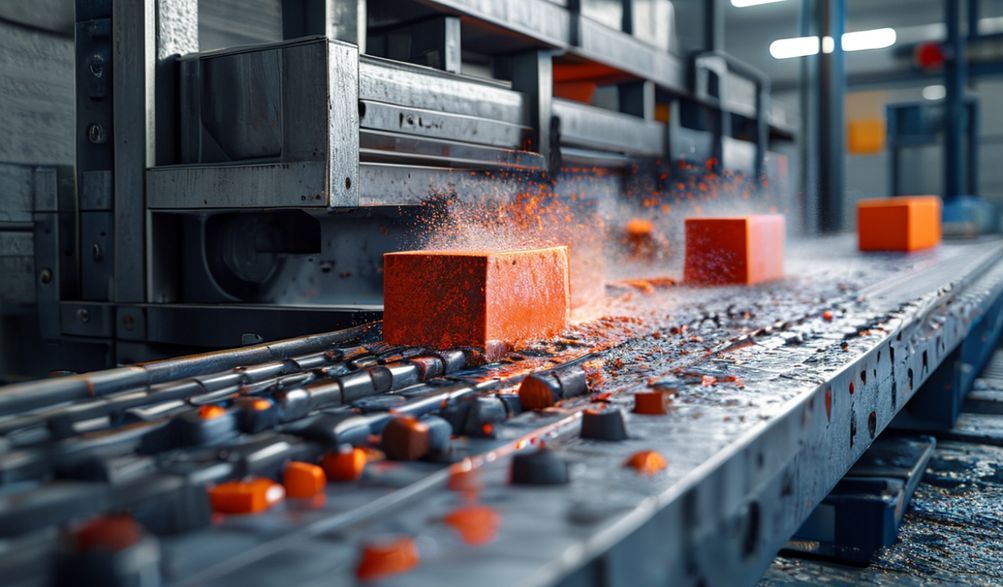
The Essential Guide to Block and Brick Making Machines: From Selection to Success
Introducción
Block and brick making machines are the silent powerhouses behind the modern built environment. They transform humble raw materials—concrete, clay, fly ash—into the precise, durable units that form our homes, roads, and cities. For contractors, builders, and entrepreneurs, choosing the right machine is a pivotal decision that impacts efficiency, cost, and project quality.
This comprehensive guide distills industry expertise into a clear roadmap. Whether you’re a DIY enthusiast tackling a landscape project or an industrialist planning a production plant, understanding the mechanics, types, and selection criteria for this equipment is crucial. We’ll move beyond basic descriptions to provide the actionable insights you need to make an informed investment and optimize your operation for long-term success.
Understanding Block and Brick Making Machines
Before diving into types and models, it’s essential to grasp what these machines do and the fundamental engineering principles that make them work.
What is a Block and Brick Making Machine?
At its core, a block or brick making machine is a device that compacts and molds raw material into a shaped, solid unit of predetermined size and strength. The key distinction between a “block” and a “brick” often lies in size and structure:
- Blocks: Larger units (e.g., 4″, 6″, 8″ thick), often hollow-core to reduce weight and improve insulation. Used primarily in wall construction.
- Ladrillos: Smaller, typically solid units. Used for walls, pavements, and facades.
The evolution has been dramatic—from simple wooden molds and manual tamping to today’s computer-controlled, fully automated systems that produce thousands of units per hour with robotic precision.
How Do Block Making Machines Work? (The Core Process)
While designs vary, the production cycle for a concrete block machine follows a consistent, engineered sequence to ensure quality and density.
Mixing and Feeding
The process begins with a consistent, well-proportioned raw material mix. A typical concrete mix includes aggregate (sand, gravel), cement, and water. The quality of the final block is directly tied to this first step.
- The dry materials are batched and mixed to a uniform consistency.
- This mix is then fed, often via a conveyor belt or skip hoist, into the machine’s feed hopper.
- Consistent feeding is critical to avoid voids or inconsistencies in the final product.
Compression and Vibration
This is the heart of the block-making process, where the mix is transformed into a dense, strong unit. Most machines use a combination of two forces:
- Vibración de Alta Frecuencia: Powerful external or table vibrators pack the granular mix tightly, eliminating air pockets.
- Hydraulic or Mechanical Pressure: A head or ram then applies immense pressure (measured in tons) to the vibrated mix, further consolidating it into the mold.
The synergy of vibration and pressure is what gives precision blocks their load-bearing strength and crisp finish.
Molding and Ejection
The mold, or “die,” is the tool that defines the block’s shape, size, and texture (smooth, split-face, etc.).
- The compressed material is formed within this steel mold cavity.
- After compression, the mold box rises, and the pallet holding the newly formed “green” block is lowered onto a conveyor.
- A smooth, shock-free ejection cycle is vital to prevent damaging the delicate green block before it gains strength.
Curing and Palletizing
Freshly ejected blocks are not yet ready for use. They are “green” and must gain strength through curing.
- Paletización: Green blocks are carefully stacked on curing racks or carts.
- Curado: Blocks are moved to a controlled environment. Common methods include:
- Steam Curing: In a kiln (autoclave) for rapid strength gain (within 24 hours).
- Water Spray Curing: For 7-14 days.
- Air Curing: Slower, but requires less infrastructure.
- After sufficient curing, blocks are depalletized for storage or shipment.
Types of Block and Brick Making Machines
The market offers a machine for every scale and purpose. Your choice depends primarily on required output, budget, and level of automation.
Máquinas Manuales y Semiautomáticas
Ideal for small businesses, startups, community projects, or low-volume specialty production.
- Pros: Lower capital cost, simplicity, easier maintenance, lower power requirements.
- Contras: Higher labor intensity, lower output, more physical effort required.
Máquinas Prensadoras Manuales: Operated by hand via a lever or toggle system. Best for producing concrete pavers, small bricks, or landscaping blocks. Output is low (e.g., 100-500 blocks per day), making them suitable for very small-scale or on-demand production.
Máquinas Semiautomáticas: These automate the core compression and vibration cycle but may require manual feeding of raw material or manual removal of finished blocks. They offer a excellent balance, significantly boosting output over manual machines while keeping costs and complexity manageable.
Máquinas Estacionarias Completamente Automáticas
The standard for medium to large-scale commercial block yards and plants. They integrate mixing, feeding, molding, and stacking into one continuous, synchronized system.
- Pros: Very high output with minimal labor, exceptional consistency, programmable for different products.
- Contras: High initial investment, require significant space and stable 3-phase power, more complex maintenance.
Single Hopper Stationary Machines: Designed for high-volume production of a single block type or rapid cycling of the same product. Extremely efficient for focused production runs.
Multi-Layer and Color-Mixing Machines: Advanced models equipped with multiple feed hoppers. They can produce stunning multi-colored paving stones or layered blocks (with different material/color layers) in a single cycle, opening premium market opportunities.
Máquinas Móviles para Fabricar Bloques
A game-changer for large remote sites. These are self-contained units, often mounted on a trailer, that produce blocks directly where they are needed.
- Pros: Eliminates transport costs for finished blocks, allows on-site customization, reduces material handling and breakage.
- Contras: Generally lower output than large stationary plants, requires on-site organization for raw materials and curing.
Beneficios de la Producción en Sitio: Perfect for large infrastructure projects (dams, remote housing), disaster recovery, or locations where block transport is prohibitively expensive or logistically challenging.
Operational Considerations: Typically powered by diesel engines, they need a level operating pad. Output is sufficient to supply a major construction site but not for supplying a regional market.
Specialized Machines for Different Materials
Expertise is shown by matching the machine to the material.
Máquinas para Bloques de Concreto: The most common type. Highly versatile, they can be fitted with different molds to produce:
* Hollow blocks (for walls)
* Bloques sólidos
* Paving stones & interlocking bricks
* Curbstones & landscaping units
Máquinas para Ladrillos de Arcilla (Extrusoras): Used for traditional fired clay bricks. The process involves:
* Extruding a column of soft or stiff clay through a die.
* Cutting the column into individual brick units with wires.
* Drying and firing the bricks in a kiln to achieve final hardness.
Máquinas para Fabricar Ladrillos de Ceniza Volante: An eco-friendly alternative using fly ash (a coal combustion by-product), lime, gypsum, and sand. These machines use high mechanical pressure in a hydraulic press to form bricks that cure without firing, reducing energy use and carbon footprint.
Key Factors to Consider When Choosing a Machine
Moving from theory to practice, here is your actionable checklist for selecting the right equipment.
Assessing Your Production Needs and Scale
Begin by quantifying your requirements with clear numbers.
- Required Output (Blocks Per Hour/Day): Base this on firm project contracts or a realistic business plan. Don’t buy a 10,000-blocks/day machine if your market only needs 2,000.
- Types of Blocks/Bricks Needed: List the specific products you need to sell. Ensure the machine you choose can accommodate the necessary mold sizes and changeover isn’t prohibitively complex.
- Available Space and Power Supply: A fully automatic line needs a large shed or factory floor. Verify your electrical supply (single-phase vs. industrial 3-phase) matches the machine’s demands.
Evaluating Machine Quality and Durability
Look beyond the shiny paint. Focus on the engineering.
- Frame and Construction: The frame must be heavy-duty, welded steel to withstand years of intense vibration. Bolted assemblies can loosen over time.
- Hydraulic System and Vibrators: The heart of the machine. Ask about brand and specifications of pumps, motors, and valves. Vibration motors should be powerful, properly mounted, and from a reputable manufacturer (e.g., Italian or German brands are often industry standards).
- Mold (Die) Quality and Availability: Molds are wear items. High-chromium, heat-treated steel lasts longer and produces blocks with sharper edges. Check if the supplier stocks a variety of molds and can custom-make designs.
Manufacturer Reputation and Support
This is often the most critical differentiator between a good investment and a costly mistake.
- Researching Manufacturer Credentials: How long have they been in business? Can they provide references from clients in your region? Do they have ISO or other relevant certifications?
- Availability of Spare Parts and Service: A machine is useless if a broken $50 part takes 3 months to arrive. Choose a supplier with a reliable local agent or a proven track record of fast international parts shipment.
- Training and Documentation: Professional installation and thorough operator/maintenance training are non-negotiable. High-quality, illustrated manuals in your language are a sign of a professional manufacturer.
Optimizing Operation and Maintenance
Your machine is a long-term asset. Protect your investment with proper operation and care.
Best Practices for Raw Material Preparation
Consistency in the mix is paramount for consistency in the block.
- Ideal Concrete Mix Ratios: While specific ratios depend on materials, a common starting point for hollow blocks is a 1:6:4 mix (cement:sand:aggregate). Always test and adjust.
- Moisture Content and Consistency: The mix should be damp, not wet or sloppy. A “ball-in-hand” test is useful—the mix should hold its shape when squeezed but crumble when poked.
Routine Maintenance Checklist
Preventive maintenance is far cheaper than emergency repairs.
Daily/Weekly Tasks:
* Clean the machine thoroughly at the end of each shift.
* Lubricate all moving parts as per the manual.
* Check hydraulic oil levels and look for leaks.
* Inspect mold liners and wear parts for damage.
Monthly/Annual Tasks:
* Tighten all bolts and nuts on the frame and vibrator mounts.
* Check and replace hydraulic filters.
* Inspect electrical connections.
* Have a technician perform a full system pressure and alignment check annually.
Troubleshooting Common Issues
Poor Block Strength/Finish:
* Cause: Incorrect water/cement ratio, insufficient vibration time or pressure, worn-out mold.
* Fix: Standardize the mix recipe, check vibration motor function and pressure settings, inspect and replace the mold if necessary.
Machine Jamming or Stalling:
* Cause: Overfeeding the hopper, foreign object (like a stone) in the mix, low hydraulic fluid, or a failing pump.
* Fix: Clear the hopper and chamber, check fluid levels and system pressure, inspect the hydraulic pump.
Inconsistent Block Dimensions:
* Cause: Worn mold, uneven or warped pallets, inconsistent feed material.
* Fix: Measure the mold cavity for wear, level and replace damaged pallets, ensure the mixer is producing a uniform batch.
FAQ: Your Block Machine Questions Answered
1. What is the average cost of a block making machine?
Costs vary enormously. A simple manual machine can start around $2,000. A semi-automatic model may range from $15,000 to $50,000. Large, fully automatic production lines can cost $100,000 to over $500,000. The final price depends on automation level, output capacity, and brand.
2. What is the profit potential of a block making business?
Profitability hinges on local construction demand, your material costs, overhead, and machine efficiency. Margins can be attractive, as blocks are a constant need in developing economies. A detailed business plan analyzing your specific local market is essential.
3. How long does it take to learn to operate a semi-automatic machine?
Basic operation can be learned in a few days. However, achieving proficiency in troubleshooting, mix adjustments, and minor maintenance typically takes a few weeks of hands-on experience.
4. Can one machine produce different block sizes?
Yes, by changing the mold (die). The ease and speed of mold changeover is a key feature to discuss with your supplier. Some machines allow changes in minutes; others may take an hour or more.
5. What is the typical lifespan of a quality block machine?
With diligent maintenance and proper operation, a well-built machine from a reputable manufacturer can last 15-20 years or more. Wear parts like molds, liners, and hydraulic seals will need periodic replacement.
6. Are there eco-friendly options for block production?
Absolutely. Fly ash brick machines turn industrial waste into building materials. Many concrete block producers also incorporate recycled aggregates. Non-fired curing processes for both concrete and fly ash bricks significantly reduce carbon emissions compared to traditional clay brick firing.
Conclusión
Selecting the right block and brick making machine is a strategic decision that blends technical understanding with practical business sense. It’s an investment not just in equipment, but in the foundation of your projects or enterprise. By methodically assessing your needs, prioritizing robust engineering and manufacturer support, and committing to precise operation and maintenance, you can transform raw materials into both durable building blocks and a solid foundation for growth.
Remember, the cheapest machine is rarely the most cost-effective in the long run. Seek out reputable manufacturers, insist on seeing machines in operation, and talk to their existing customers. With the insights from this guide, you are now equipped to navigate the market confidently and make a choice that will pay dividends for years to come.
<