
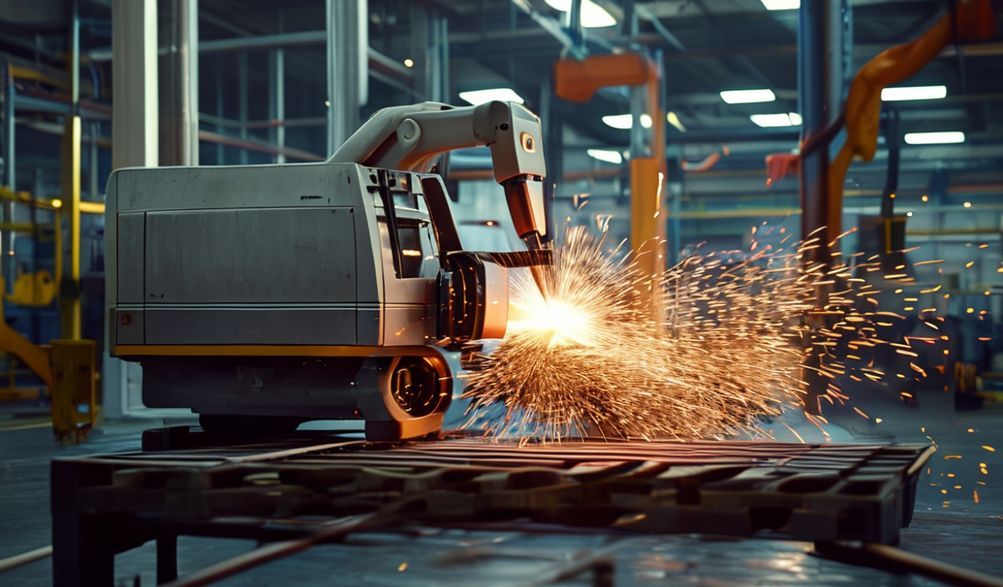
China Concrete Block Making Machine Manufacturers: A Guide to Quality & Innovation with FUDA Factory
The global construction industry runs on efficiency. At the heart of this momentum, especially for housing, infrastructure, and commercial projects, is the humble concrete block. Producing these essential building components reliably, cost-effectively, and at scale requires one critical asset: a high-performance block making machine. For decades, savvy business owners and contractors worldwide have turned their gaze eastward, recognizing China as the undisputed epicenter for manufacturing this vital equipment. But in a market brimming with options, how do you separate genuine quality from mere claims?
This guide serves as your authoritative resource. We’ll delve deep into the landscape of China concrete block making machine manufacturers, moving beyond surface-level price comparisons to the core factors that define a trustworthy partner and a wise investment. As a case study in operational excellence, we will spotlight the Fábrica de bloques FUDA, examining the practices that distinguish a leading manufacturer. Whether you’re establishing a new block yard or upgrading your production capacity, this post will equip you with the knowledge to make a confident, informed decision that supports your business for years to come.
We will explore China’s manufacturing advantages, outline the key criteria for evaluating a supplier, break down machine types for your specific needs, and provide a practical roadmap for the procurement process.
Why China is a Global Hub for Block Making Machinery
China’s dominance in heavy machinery manufacturing is no accident. It is the result of a powerful convergence of scale, innovation, and strategic development that creates unparalleled value for international buyers.
Escala y Ecosistema Industrial
China’s manufacturing prowess is built on integrated industrial clusters. For machinery like block makers, this means:
* Cadenas de Suministro Concentradas: Entire ecosystems dedicated to steel fabrication, hydraulic systems, electrical components, and precision molds exist in close proximity. This reduces lead times and costs for manufacturers.
* Unmatched Production Capacity: The ability to source high-quality components locally and at volume allows Chinese factories to scale production up or down efficiently to meet global demand.
* Competitive Component Sourcing: Access to a vast network of sub-suppliers fosters competition, driving innovation and cost-effectiveness in the parts that go into the final machine.
Innovación y Adopción de Tecnología
Leading Chinese manufacturers have moved far beyond basic imitation. They are at the forefront of integrating advanced technologies to enhance performance, ease of use, and sustainability.
* Automatización y Control con PLC: Modern machines feature Programmable Logic Controller (PLC) systems with touch-screen interfaces. This allows for precise control over vibration frequency, pressure, and cycle times, ensuring consistent block quality with minimal manual intervention.
* Focus on R&D: Top factories invest significantly in research and development to improve energy efficiency, material utilization, and production speeds. Innovations in vibration technology and hydraulic systems are common areas of advancement.
* Adaptabilidad: Manufacturers are adept at designing machines that can handle diverse raw material mixes, including fly ash, slag, and recycled aggregates, supporting greener construction practices globally.
Cost-Effectiveness and Value
The “China price” is often misunderstood. The true advantage is valor—the optimal balance of advanced features, durable construction, and competitive pricing.
* Retorno de Inversión Superior: While the initial investment is typically lower than European or American counterparts, the focus is on the long-term return. Reliable machines from reputable factories minimize downtime, reduce maintenance costs, and ensure consistent output.
* Feature-Rich Offerings: Standard features on mid-range Chinese machines often include automation and advanced controls that would be expensive add-ons elsewhere.
* Economías de Escala: The sheer volume of production allows manufacturers to achieve cost savings that are passed on to the buyer without necessarily compromising on core quality.
Key Factors When Choosing a Manufacturer in China
Selecting the right partner is your most critical step. It’s a decision that impacts your productivity, product quality, and profitability for a decade or more. Look beyond glossy brochures and focus on these tangible factors.
Evaluación de Experiencia y Conocimiento en Manufactura
A long-standing reputation is a powerful indicator of reliability. Experience translates into refined designs, proven engineering, and an understanding of real-world challenges.
* Historia de la Empresa: Seek manufacturers with a track record spanning 10, 15, or 20+ years. This demonstrates resilience, continuous improvement, and the ability to evolve with market needs.
* Antecedentes Comprobados: Look for a portfolio of successful projects and client testimonials, especially from your region or for similar applications. A factory like FUDA exemplifies this, having built its reputation over years of sustained operation and iterative product development.
* Industry Specialization: Prefer a manufacturer that focuses on block making machinery rather than a general heavy equipment exporter. Specialized knowledge leads to better product design and support.
Production Capacity and Quality Control Processes
The factory floor is where promises are either kept or broken. Understanding a manufacturer’s internal processes is non-negotiable.
* In-House Production: Verify that the company owns and operates its production facilities for core processes like steel cutting, welding, and assembly. This ensures direct control over quality.
* Certificaciones: International standards like ISO 9001 for quality management systems are a strong, independent validation of structured processes.
* Material & Component Quality: Inquire about the grade of steel used in the frame and molds, and the brands of key components (hydraulic pumps, PLCs, motors). Reputable manufacturers use known, reliable brands.
* Testing Protocols: Ask about pre-delivery testing. Machines should undergo rigorous running tests under load to check hydraulic system integrity, vibration stability, and electrical safety.
Soporte Técnico y Servicio Postventa
This is the ultimate test of a manufacturer’s commitment. The machine’s lifecycle support is as important as its purchase price.
* Documentación Integral: Expect detailed operation and maintenance manuals, parts catalogs, and electrical schematics in your language.
* Entrenamiento: Determine what training is provided. This can range from detailed video guides to the dispatch of an engineer to your site for hands-on operator training.
* Garantía: Understand the warranty terms clearly—what is covered, for how long, and what the process is for claims.
* Disponibilidad de Refacciones: A reliable manufacturer maintains an inventory of critical spare parts and has an efficient system for global logistics to get them to you quickly, minimizing downtime.
Spotlight: Inside the FUDA Block Making Factory
To illustrate what a qualified manufacturer looks like in practice, let’s examine Fábrica de Bloques FUDA. This section is based on the operational hallmarks that define a trustworthy industry player.
Company Legacy and Core Philosophy
FUDA has established itself as a significant name in the block machinery sector through a consistent focus on engineering and customer success. Their philosophy typically centers on:
* Ingeniería Robusta: Prioritizing durable construction and reliable performance to withstand the demands of continuous production.
* Customer-Centric Solutions: Offering a range of models and customization options to meet specific project requirements rather than a one-size-fits-all approach.
* Long-Term Partnership: Building relationships based on reliable equipment and support, aiming to be a partner in their clients’ growth.
Product Range and Technical Specifications
A versatile product line indicates deep market understanding. FUDA’s range likely covers key market segments:
* Máquinas Automáticas para Fabricar Bloques: High-output machines for large-scale block yards, featuring automatic material feeding, block ejection, and pallet return systems. Output can range from 8,000 to over 30,000 standard blocks per 8-hour shift.
* Máquinas Semiautomáticas: The ideal balance for medium-scale businesses, where some processes like feeding raw material are manual, but molding and compaction are powered. This offers a lower entry cost with substantial output.
* Máquinas de Bloques Móviles: Designed for on-site production, these machines can produce blocks directly at construction sites, dramatically reducing transport costs for projects in remote locations.
* Personalización: The ability to customize mold designs for unique block shapes (interlocking, paving, hollow blocks) is a key service offered to meet local market demands.
The FUDA Manufacturing and Quality Assurance Journey
The journey from raw steel to a shipped machine is a testament to a factory’s standards. A reputable factory like FUDA follows a meticulous process:
1. Diseño e Ingeniería: Using CAD software to design machines for optimal stress distribution and performance.
2. Material Procurement: Sourcing certified, high-grade steel plates and profiles for the main frame and components.
3. Fabrication: Precision cutting, professional welding by certified welders, and stress-relief treatment to ensure frame longevity and stability.
4. Assembly: Systematic assembly of hydraulic lines, electrical cabinets, vibration motors, and the PLC control system.
5. Commissioning & Testing: The most critical phase. Every machine undergoes a no-load and full-load test run. This tests:
* Hydraulic system pressure and leakage.
* Vibration motor amplitude and frequency.
* Electrical system safety and PLC program logic.
* Final block output quality and dimensions.
6. Pre-Shipment Inspection: A final comprehensive check, including packaging for overseas transport, ensuring the machine arrives in perfect condition.
Understanding Concrete Block Machine Types and Applications
Choosing the right machine type is fundamental to your project’s success. Your choice should be dictated by your required output, budget, and operational setup.
Automatic vs. Semi-Automatic Block Making Machines
- Automatic Machines:
- Mejor Para: Large-scale commercial block production plants, supplying to major construction projects or distributors.
- Salida: Very high (10,000+ blocks per shift).
- Trabajo: Minimal; often just 1-2 operators for monitoring and pallet handling.
- Inversión: Higher initial cost, but lowest cost-per-block in high-volume scenarios.
- Máquinas Semiautomáticas:
- Mejor Para: Small to medium-sized businesses, start-up block yards, and regional contractors.
- Salida: Moderate to high (3,000 – 8,000 blocks per shift).
- Trabajo: Requires a small team for material feeding and block handling.
- Inversión: More accessible, offering an excellent balance of productivity and affordability.
Stationary Block Machines for High-Volume Production
These are the workhorses of the block manufacturing industry.
* Diseño: Heavy, solidly-built machines fixed in a production line within a factory or yard.
* Proceso: Integrated with batching plants, mixers, and block curing systems for a continuous workflow.
* Ventaja: Maximum stability and efficiency for dedicated, high-volume production of consistent quality blocks.
Mobile Block Machines for On-Site Flexibility
A game-changer for specific project types.
* Diseño: Built on a trailer or movable frame, often with a diesel engine option for sites without grid power.
* Aplicación: Ideal for large, remote construction sites (e.g., dams, rural housing projects), military bases, or disaster relief housing.
* Core Benefit: Produces blocks directly where they are needed, eliminating the cost, time, and breakage associated with long-distance transport of finished blocks.
Navigating the Procurement Process Successfully
A smooth procurement process hinges on clear communication, due diligence, and understanding international trade logistics.
Effective Communication and Requirement Specification
Clarity prevents costly misunderstandings. When contacting manufacturers, provide:
* Desired block types, sizes, and required daily output.
* Details of your local raw materials (aggregate size, type of cement/ash).
* Your available power supply (voltage, phase).
* Your site conditions and level of automation desired.
The Importance of Factory Audits and Sample Requests
Never skip due diligence.
* Auditoría de Fábrica: Request a live video tour of the factory floor. Look for organization, modern equipment, and quality control checkpoints. If possible, an in-person visit is invaluable.
* Sample Evidence: Ask for videos of the specific machine model you are interested in running under load. Request a sample test report or quality certificate.
* Referencias de Clientes: Ask for contact information for previous clients in your country or region and follow up with them.
Logistics, Shipping, and Customs Considerations
Plan the journey of your machine from the factory floor to your site.
* Incoterms: Understand trade terms. FOB (Franco a Bordo) means you own the goods and are responsible for costs and risks once they are loaded on the ship in China. CIF (Costo, Seguro y Flete) includes shipping and insurance to your nearest port.
* Empaque: Ensure the machine is properly packaged in a steel-frame crate or waterproof wooden case suitable for ocean freight.
* Documentation: The manufacturer must provide a complete set of documents: Commercial Invoice, Packing List, Bill of Lading, Certificate of Origin, and Equipment Manuals. These are essential for customs clearance in your country.
Frequently Asked Questions (FAQ)
Q1: What is the typical lead time for a block making machine from a Chinese manufacturer like FUDA?
A: Lead times generally range from 30 to 60 days after order confirmation and deposit. This depends on the machine model (standard vs. customized), the current production schedule, and the complexity of any special requirements.
Q2: How can I verify the quality and credibility of a manufacturer before placing an order?
A: Conduct these key checks: Verify official business licenses, request factory audit reports or take a virtual tour, ask for client references and contact them, confirm relevant certifications (ISO, CE), and evaluate the depth and professionalism of their technical communication during your inquiries.
Q3: Do manufacturers like FUDA provide installation and operator training?
A: Yes, reputable manufacturers provide comprehensive support. This includes detailed installation manuals and video guides. For larger or fully automatic machines, they typically dispatch a field engineer to your site to supervise installation, commission the machine, and conduct hands-on operator training. The specifics should be clearly outlined in your contract.
Q4: What are the key maintenance requirements for a concrete block making machine?
A: Daily and periodic maintenance is crucial for longevity. Key tasks include: lubricating all moving parts daily, cleaning excess concrete after each shift, regularly checking and filtering hydraulic oil, inspecting electrical connections, and tightening bolts and vibrator mounts. Always follow the specific maintenance schedule provided in your machine’s manual.
Q5: Can machines be customized for producing special block shapes or using local raw materials?
A: Absolutely. Leading factories offer mold customization to produce unique block designs (e.g., landscaping blocks, special bricks). They can also advise on optimal machine settings and, if necessary, minor modifications to best process your locally available raw materials, such as specific types of sand, crushed stone, or fly ash.
Conclusión
Choosing a concrete block making machine is a strategic investment in the foundation of your construction business or project. As we’ve explored, the decision must be rooted in a manufacturer’s proven experticia, transparent quality control processes, and unwavering commitment to after-sales service. While price is a factor, it should not be the sole driver; the true cost is measured over the machine’s entire productive lifespan.
Factories like Fábrica de Bloques FUDA exemplify the principles that define a reliable partner: a legacy of engineering focus, a rigorous manufacturing journey, and a product range built to deliver value. They represent the mature segment of China’s manufacturing sector, where trust is built through performance and partnership.
We encourage you to use the framework in this guide to conduct your own thorough research. Engage with potential manufacturers with detailed, technical questions. Request evidence of their capabilities. By prioritizing long-term reliability and support, you will secure not just a machine, but a cornerstone for your business’s growth and success.
Author Bio: This guide was compiled based on industry analysis and procurement expertise developed over years of engagement with the global construction equipment sector, focusing on the technical and commercial evaluation of heavy machinery supply chains.
<