
Cómo Elegir una Máquina Manual de Fabricación de Ladrillos Entrelazados: Guía Experta para Compradores
Introducción
Imagina construir tu propia casa, un centro comunitario o un negocio próspero con ladrillos que tú mismo fabricaste. Esto no es una fantasía. En todo el mundo, una revolución silenciosa está ocurriendo en la construcción, impulsada por la demanda de materiales de construcción asequibles, sostenibles y resistentes. En el corazón de este movimiento se encuentra el humilde pero poderoso ladrillo entrelazado.
Pero aquí está el problema: una búsqueda rápida en línea de una máquina manual para ladrillos entrelazados revela una desconcertante variedad de opciones. Afirmaciones contradictorias, especificaciones técnicas vagas y precios muy diferentes pueden dejar incluso al comprador más decidido sintiéndose perdido. ¿Cómo diferenciar la calidad genuina de la exageración de marketing?
Aquí es donde la experiencia importa. Esta guía se basa en experiencia práctica de la industria, principios de ingeniería y un profundo conocimiento de lo que hace funcionar estas máquinas y lo que las hace durar. Considéralo tu recurso autorizado y completo para eliminar el ruido.
Al final de esta guía, tendrás un marco de trabajo claro y accionable. No solo entenderás¿qué?buscar, pero¿Por qué?Es crítico. Estarás preparado para seleccionar la máquina perfecta de fabricación de ladrillos entrelazados manuales para tu proyecto específico con total confianza.
Entendiendo los Ladrillos Entrelazados y las Máquinas Manuales
Antes de evaluar las máquinas, es esencial comprender el producto que crean y los principios detrás de su funcionamiento.
¿Qué son los ladrillos entrelazados y por qué usarlos?
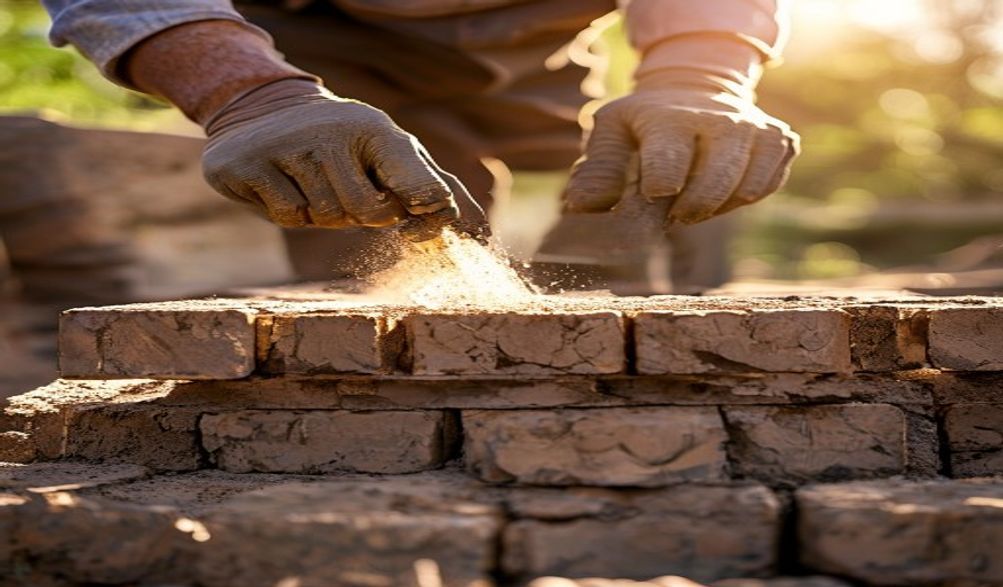
Los ladrillos entrelazados, también conocidos como Bloques de Tierra Comprimida Estabilizada (BTCE), son unidades de construcción diseñadas con precisión. Su característica principal es un sistema de ranuras y protuberancias que les permite encajarse entre sí vertical y horizontalmente, como piezas de un rompecabezas.
A diferencia de los ladrillos tradicionales, están diseñados paraapilamiento en seco—lo que significa que requieren poco o nada de mortero en las juntas. Este concepto simple desbloquea una serie de beneficios significativos:
- Ahorro de Costos:Reduce drásticamente o elimina el costo del mortero y de los albañiles calificados. Los costos de transporte se desploman, ya que los ladrillos a menudo pueden fabricarse en el sitio con tierra local.
- Velocidad de Construcción:El apilado en seco es significativamente más rápido que el colocado tradicional de ladrillos, lo que acelera los cronogramas del proyecto.
- Aislamiento Superior:La densa composición de tierra proporciona una excelente masa térmica, manteniendo los interiores frescos en verano y cálidos en invierno.
- Resistencia Sísmica:El diseño entrelazado crea una estructura de muro monolítico que puede flexionar y disipar energía, ofreciendo un mejor rendimiento en terremotos que los muros rígidos de mortero.
- Amigable con el medio ambienteUtilizan subsuelo (no tierra vegetal fértil), minimizan el uso de cemento y eliminan el proceso de cocción de alta energía de los ladrillos de horno.
Cómo funciona una máquina manual de ladrillos entrelazados
La genialidad de estas máquinas radica en su simplicidad elegante. Una máquina manual es esencialmente una prensa mecánica de alta palanca.
- Preparación:Se coloca una mezcla de suelo preparada (húmeda, no mojada) en un molde desmontable sobre la máquina.
- Compresión:El operador utiliza una palanca larga o un sistema de gato hidráulico para aplicar una presión inmensa—generalmente de varias toneladas—a un pistón dentro del molde.
- Eyección:El ladrillo sólido comprimido se expulsa del molde, manteniendo perfectamente su forma debido al entrelazamiento mecánico de las partículas del suelo.
Esta operación manual define sus ventajas principales:
* Costo Ultra-BajoNo requiere electricidad, diésel ni motores complejos.
* Portabilidad:Se puede mover fácilmente por un sitio de trabajo.
* Facilidad de Uso:Se necesita un conocimiento técnico mínimo para la operación.
* Bajo Mantenimiento:Menos partes móviles significa menos posibilidades de que algo salga mal.
7 Factores Críticos a Considerar Antes de Comprar
Este es el núcleo de tu decisión. Ignorar cualquiera de estos factores puede llevar a frustración, dinero desperdiciado y fracaso del proyecto.
1. Evalúe sus necesidades de capacidad de producción.
Este es tu punto de partida. Sé brutalmente realista.
- Calcula tu proyecto¿Estás construyendo un cobertizo de jardín, una casa unifamiliar o iniciando un pequeño patio de bloques comerciales? Estima tu cantidad total de ladrillos.
- Comprende las métricas de la máquina. Suppliers will list “bricks per hour/day.” View these as optimal, theoretical maximums. A machine rated for 500 bricks per day might assume two operators working non-stop in perfect conditions.
- Balance is Key: A larger, faster machine often requires more physical effort. For a solo builder, a smaller, more ergonomic machine producing 200 quality bricks per day is better than a bulky machine you can’t operate efficiently. Consider your labor force and stamina.
2. Brick Size, Shape, and Design Compatibility
The brick design dictates your final structure.
- Standard vs. Custom Molds: Most suppliers offer standard rectangular blocks. If you need a special shape (curved, angled), verify the cost and lead time for a custom mold.
- Interlocking Pattern is Crucial: Examine the brick’s lugs and grooves. A good design ensures shear strength (resistance to sliding) and easy alignment. Poorly designed patterns make stacking frustrating and compromise wall integrity.
- Wall Thickness: The brick dimensions directly determine your wall thickness. Common sizes are similar to standard concrete blocks (e.g., 225mm x 110mm x 75mm). Ensure the size fits your architectural plans and local building codes.
3. Machine Build Quality and Durability
This is where cheap machines fail and quality machines earn their price.
- Materials Matter (Expert Insight):
- Marco: Seek a machine fabricated from high-grade, reinforced steel plate (at least 5-8mm thick). Avoid thin, sheet-metal frames or brittle cast iron components, which can crack under repeated stress.
- Resistencia a la Corrosión: Look for quality paint or, better yet, powder coating. This is critical for longevity, especially in humid climates.
- Construction Quality: Examine welds in product photos—they should be clean, continuous, and robust. Sloppy welds are a major red flag for future structural failure.
- Mecanismo de Compresión: The heart of the machine. The piston, lever arm pivot points, and bearings must be made of hardened steel. A wobbly or bending lever is a sign of inadequate engineering.
4. Pressure Force and Brick Compressive Strength
This is the most important technical specification. Pressure translates directly to brick strength.
- The Correlation: The machine’s applied pressure (measured in tons or kiloNewtons – kN) determines the brick’s final resistencia a la compresión (measured in Megapascals – MPa or PSI).
- Industry Benchmarks:
- Non-Load Bearing (e.g., garden walls): 2-4 MPa (~300-600 PSI).
- Load-Bearing Residential: 5-7+ MPa (~700-1000+ PSI).
- A quality manual machine should apply 15-30 tons of pressure to achieve these strengths with the right soil mix.
- Major Red Flag: Suppliers who are vague (“high pressure”) or make outrageous claims (“50 MPa!”) without providing test certificates are likely dishonest. Ask for verified lab test results for bricks produced by their machine.
5. Soil Compatibility and Mix Preparation
The machine can only work with what you feed it. This is often the steepest learning curve.
- Experience-Based Soil Advice: Not all dirt is suitable. The ideal mix is roughly:
- ~70-75% Sand and Gravel: Provides the skeletal structure.
- ~15-20% Silt: Fills voids.
- ~10-15% Clay: Acts as the natural binder.
- Estabilización: Adding a small percentage (5-10%) of Portland cement or lime is standard practice. This “stabilization” dramatically increases durability, water resistance, and strength. Some machines designed for “pure earth” blocks exist but may have stricter soil requirements.
- Mix Consistency: The mix must be damp enough to bind, but dry enough to eject from the mold without deformation—often described as “the consistency of wet sand.” Some machines are more forgiving than others.
6. Ease of Operation and Maintenance
A machine that is difficult to use will slow your project and exhaust your workers.
- Ergonomía: Consider the machine’s weight and the force required to pull the lever. Does it require one person or two? Is the working height comfortable?
- Maintenance Schedule: A good machine needs simple care. Ask about:
- Lubrication Points: Where and how often to grease bearings and pivots.
- Piezas de Desgaste: What parts (e.g., mold liners, seals) will need eventual replacement.
- Documentation & Parts: A clear, illustrated manual is invaluable. Even more critical: Are common spare parts readily available for purchase?
7. Supplier Reputation and After-Sales Support
Your relationship with the supplier is a long-term investment.
- Vetting for Trustworthiness:
- History: How long have they been in business?
- Portfolio: Can they show photos/videos of real projects using their machines?
- Reviews: Seek independent customer testimonials or case studies.
- Crucial Questions to Ask:
- “Do you offer technical support via phone or WhatsApp?”
- “Can I purchase additional or different molds later?”
- “What is the warranty period and what does it cover?”
- “What is the lead time and cost for spare parts?”
Step-by-Step Selection Process
Follow this actionable checklist to organize your search.
- Step 1: Define Your Project Scope & Budget. Write down your total brick count, desired brick strength, and a realistic budget that includes potential shipping and import duties.
- Step 2: Research and Shortlist 3-5 Reputable Suppliers. Use the criteria above. Focus on suppliers who provide detailed information, not just sales pitches.
- Step 3: Request Detailed Specifications and Customer References. Contact them directly. Ask for a spec sheet and if they can connect you with a past customer in a similar climate or project.
- Step 4: Compare Key Metrics (Pressure, Output, Warranty, Price). Create a simple comparison table. Don’t just compare price; compare value based on build quality, pressure, and support.
- Step 5: Make an Informed Decision. Choose the supplier that offers the best combination of a robust machine, clear specifications, and reliable support—not just the lowest price.
Common Pitfalls to Avoid (Red Flags)
Steer clear of these warning signs.
- Precios Irrealmente Bajos: In machinery, you almost always get what you pay for. A price that seems too good to be true invariably indicates inferior materials and poor workmanship that will fail prematurely.
- Vague or Exaggerated Technical Specifications: Claims like “Makes 1000 bricks per hour with one person” are physically implausible for a manual machine. Demand precise, verifiable data.
- Suppliers with No Physical Address or Poor Communication: If they are evasive before the sale, imagine trying to get help after your payment clears. Professional suppliers are proud of their business and responsive.
- Lack of Available Spare Parts: A machine is a long-term asset. If you can’t replace a simple seal or wear plate, the entire machine becomes scrap metal when that part fails.
Frequently Asked Questions (FAQ)
Q1: How many bricks can I make in a day with a manual machine?
A: For a small team of 2-3 people working efficiently, a realistic output is between 200 and 500 bricks per 8-hour day. This depends heavily on the machine model, your soil preparation workflow, and operator stamina.
Q2: Do I need to add cement to the soil mix?
A: For durable, weather-resistant bricks suitable for permanent structures, yes, adding 5-10% cement is strongly recommended. While some “pure earth” machines exist, cement stabilization is the proven global standard for strength and longevity.
Q3: Can I make different brick designs with one machine?
A: Yes, provided you purchase interchangeable molds from the original supplier. Before buying, confirm that the machine frame is designed to allow for easy mold swapping and that additional molds are available for sale.
Q4: What is the typical lifespan of a well-made manual machine?
A: A machine constructed from quality steel, with proper maintenance and occasional replacement of wear parts (like mold liners), can last for decades and produce hundreds of thousands of bricks. It is a true long-term investment.
Q5: Where can I get training on using the machine and soil mix design?
A: Reputable suppliers often provide detailed printed or video manuals. Many also offer direct technical support. Additionally, search for online video tutorials from the manufacturer or independent builders. For hands-on learning, investigate local sustainable building workshops or NGOs.
Conclusión
Choosing the right interlocking manual brick making machine is a journey from understanding the “why” behind the technology to meticulously evaluating the “how” of its construction and support. It’s a decision that balances your specific project needs, the machine’s proven technical capability, and the trustworthiness of the supplier behind it.
Remember, this machine is more than a tool; it’s an investment in your project’s success, durability, and cost-effectiveness. Prioritizing quality and support over the lowest upfront cost will pay dividends for years to come.
Use this guide as your definitive checklist. Return to the 7 Critical Factors as you evaluate each option. You are now equipped to make a choice with confidence and clarity.
Ready to take the next step? Begin by defining your project needs and researching suppliers who value transparency and quality as much as you do. Your building journey awaits.
<