1. Introducción
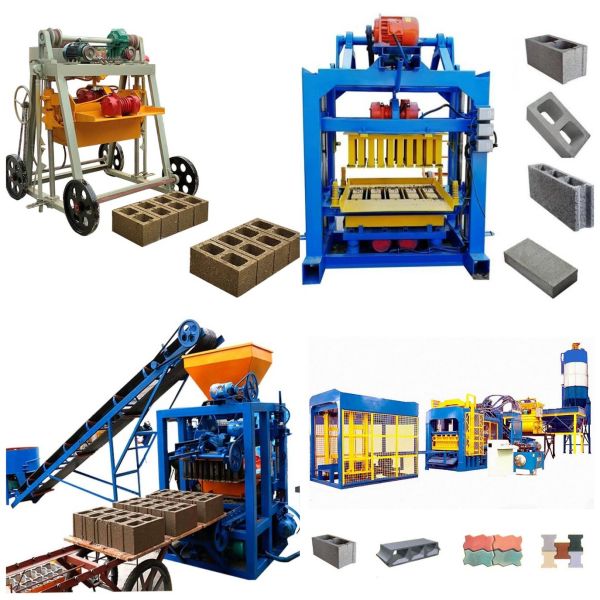
Las máquinas para producción de ladrillos son la piedra angular de la fabricación eficiente y escalable de ladrillos, capacitando a los actores B2B (distribuidores, compradores) para satisfacer la demanda global de materiales de construcción mientras optimizan la productividad y rentabilidad. En una industria donde la velocidad, calidad y eficiencia de costos son no negociables, estas máquinas han evolucionado de prensas mecánicas básicas a sistemas integrados impulsados por tecnología que manejan cada etapa de la producción de ladrillos, desde la mezcla de materia prima hasta el curado y apilado. A diferencia de las máquinas especializadas para ladrillos enfocadas en materiales o diseños de nicho, las máquinas para producción de ladrillos son caballos de batalla versátiles diseñados para adaptarse a diversas necesidades del mercado, desde ladrillos de bajo costo para viviendas asequibles hasta bloques de alto rendimiento para construcción comercial.
2. Cuerpo
2.1 Principios Operativos Fundamentales de las Máquinas de Producción de Ladrillos
Las máquinas para producción de ladrillos operan bajo el principio fundamental de convertir materias primas en ladrillos uniformes y duraderos mediante una serie de procesos controlados: mezclado, alimentación, compactación, desmolde y curado. Comprender estas etapas operativas y cómo las máquinas optimizan cada paso es crucial para que los compradores B2B evalúen el rendimiento y seleccionen el equipo adecuado para sus necesidades.
2.1.1 Optimización del Proceso de Producción
Las máquinas modernas de producción de ladrillos optimizan el flujo de trabajo de fabricación para minimizar el desperdicio, reducir los tiempos de ciclo y garantizar una calidad uniforme:
- Mezcla de Materias PrimasLos sistemas de mezclado integrados (mezcladores de paletas de doble eje o mezcladores de cinta) garantizan una mezcla homogénea de materiales (concreto, arcilla, suelo-cemento, áridos reciclados) con control preciso de humedad (8-18% según el material). Las máquinas avanzadas utilizan celdas de carga y sensores de humedad para automatizar las proporciones de mezcla, reduciendo el desperdicio de material a <2% (en comparación con 10-15% para mezclado manual). El tiempo de mezclado se optimiza a 3-5 minutos por lote, equilibrando una mezcla completa con la velocidad de producción.
- Alimentación y DistribuciónLos alimentadores vibratorios o transportadores de tornillo suministran volúmenes uniformes de material al molde, evitando el sobrellenado o subllenado que puede comprometer la densidad del ladrillo. Las máquinas semiautomáticas y automáticas cuentan con controles de velocidad variable para sincronizar la alimentación con los ciclos de compactación, garantizando un peso y dimensiones consistentes del ladrillo (tolerancia de ±0,5 mm).
- CompactaciónLa etapa más crítica: las máquinas aplican presión mecánica o hidráulica (15-50 MPa) para densificar el material, mejorando su resistencia y durabilidad. Los sistemas hidráulicos ofrecen perfiles de presión variables, permitiendo optimizar para diferentes materiales (por ejemplo, mayor presión para concreto, menor presión para arcilla). Se integra compactación vibratoria (40-60 Hz) para reducir la porosidad y mejorar la densidad del material, con algunas máquinas utilizando sensores ultrasónicos para monitorear la efectividad de la compactación.
- Desmoldeo y ExpulsiónLas placas de eyección hidráulicas o las palancas mecánicas retiran de forma segura los ladrillos compactados del molde sin dañarlos. Las máquinas avanzadas utilizan recubrimientos antiadherentes en los moldes y una sincronización precisa de la eyección para minimizar la rotura de ladrillos (tasa de rotura <1% en modelos automáticos frente al 5-10% en la producción manual).
- Curación de la IntegraciónLas máquinas automáticas a gran escala integran sistemas de curado (curado al vapor, cámaras de curado húmedo) para acelerar el desarrollo de resistencia. El curado al vapor (60-80°C durante 12-24 horas) permite que los ladrillos alcancen el 70% de la resistencia a 28 días en solo 3 días, reduciendo los tiempos de producción y aumentando el rendimiento.
2.1.2 Métricas Clave de Rendimiento para la Evaluación B2B
Los compradores B2B deben evaluar las máquinas de producción de ladrillos con base en métricas de rendimiento cuantificables que impacten directamente la eficiencia operativa y la rentabilidad.
- Capacidad de ProducciónMedido en ladrillos por hora (lph) o ladrillos por día. Las máquinas de pequeña escala (manuales/semiautomáticas) producen 50-600 lph, mientras que las máquinas automáticas industriales varían de 600 a más de 1,500 lph. La capacidad debe alinearse con la demanda del mercado: el exceso de capacidad conduce a una subutilización, mientras que la capacidad insuficiente limita el potencial de ingresos.
- Consistencia en la Calidad de los LadrillosLa precisión dimensional (±0.3-0.5 mm), la resistencia a la compresión (4-25 MPa) y la absorción de agua (<15%) son indicadores críticos de calidad. Las máquinas con controles PLC y sensores de calidad en línea garantizan una producción uniforme, reduciendo los ladrillos rechazados y las quejas de los clientes.
- Eficiencia de MaterialesTasa de desperdicio de material (<2% para máquinas de alto rendimiento) y consumo de materia prima por ladrillo (kg/ladrillo) impactan directamente los costos de producción. Máquinas optimizadas para eficiencia de materiales pueden reducir gastos en materias primas en un 10-15% anualmente.
- Energy Efficiency: Measured in kWh per 1,000 bricks. Modern machines consume 5-25 kWh/1,000 bricks, with energy-efficient models (equipped with variable frequency drives, energy recovery systems) reducing consumption by 15-25% compared to older models.
- Tiempo de Ciclo: Time per brick production cycle (compaction + demolding). Automatic machines achieve cycle times of 10-20 seconds per brick, while manual machines take 30-60 seconds—directly impacting hourly production capacity.
2.1.3 Material Versatility and Adaptability
Brick production machines’ ability to handle diverse raw materials and produce multiple brick types is a key competitive advantage for B2B buyers operating in dynamic markets:
- Compatibilidad de Materiales: Machines can process:
- Concreto: Sand, gravel, cement, and water (high-strength bricks for load-bearing walls).
- Arcilla: Natural clay (traditional fired bricks or unfired clay bricks with binders).
- Soil-Cement: Local soil, sand, and cement (low-cost bricks for affordable housing).
- Recycled Aggregates: Crushed concrete, brick fragments, fly ash, or slag (eco-friendly bricks for sustainable construction).
- Specialty Mixes: Lightweight aggregates (insulation bricks), pigments (colored bricks), or additives (water-resistant bricks).
- Brick Type Production: Interchangeable molds allow production of:
- Solid bricks (200x100x60 mm, 250x125x80 mm).
- Hollow blocks (20-50% void space for energy efficiency).
- Perforated bricks (small holes for thermal insulation and soundproofing).
- Pavers (300x300x100 mm or custom sizes for landscaping).
- Interlocking bricks (no mortar required for construction).This versatility enables B2B buyers to diversify their product lines, cater to niche markets, and adapt to changing customer demands without investing in multiple specialized machines.
2.2 Technological Innovations Transforming Brick Production Machines
Recent technological advancements have elevated brick production machines from manual/mechanical tools to smart, data-driven systems—enhancing efficiency, quality, and sustainability. B2B buyers who invest in these innovations can gain a competitive edge by reducing operational costs and meeting evolving market demands.
2.2.1 Automation and Control Systems
Automation is the most significant technological trend in brick production machines, reducing labor dependency and improving process control:
- PLC (Programmable Logic Controller) Controls: Industrial-grade PLCs automate production processes (mixing, feeding, compaction, demolding, stacking) with precise timing and pressure regulation. Operators can program custom production parameters for different materials and brick types, storing up to 50+ recipes for quick switching. PLCs also integrate with sensors to monitor machine performance and detect anomalies (e.g., low material levels, mold misalignment), reducing downtime.
- HMI (Human-Machine Interface): Touchscreen HMIs provide intuitive control over machine operations, displaying real-time production data (bricks produced, cycle time, material usage, energy consumption). Operators can troubleshoot issues using on-screen guides, reducing the need for specialized technical expertise. Some advanced HMIs offer remote access via mobile devices, allowing managers to monitor production from anywhere.
- Robotic Stacking and Handling: Automatic machines integrate robotic arms or conveyor systems to stack bricks on pallets, reducing labor requirements by 80% compared to manual stacking. Robotic systems ensure uniform stacking, minimizing brick breakage and improving warehouse space utilization. Some models include automated palletizing and wrapping for ready-to-ship orders.
2.2.2 Smart Sensors and Data Analytics
Smart sensors and data analytics enable predictive maintenance, quality control, and process optimization:
- Process Sensors:
- Moisture sensors: Monitor raw material moisture content, adjusting water addition in real time to optimize mix quality.
- Pressure sensors: Ensure consistent compaction pressure, alerting operators to deviations that could affect brick strength.
- Weight sensors: Measure material feed volume, preventing overfilling/underfilling and reducing waste.
- Temperature sensors: Monitor curing chamber temperature, ensuring optimal strength development.
- Quality Sensors:
- Vision systems: Inspect brick dimensions, surface finish, and color, rejecting defective units automatically.
- Ultrasonic sensors: Detect internal cracks or porosity, ensuring structural integrity.
- Strength testing sensors: Perform in-line compressive strength tests on a sample of bricks, adjusting production parameters if strength falls below specifications.
- Data Analytics: Machines collect production data (cycle time, material usage, energy consumption, defect rates) and generate reports for process optimization. B2B operators can identify bottlenecks (e.g., slow mixing time, frequent mold changes) and implement improvements to increase efficiency. Some machines integrate with cloud-based platforms for centralized data management and benchmarking across multiple production sites.
2.2.3 Sustainability and Energy Efficiency Innovations
As the construction industry prioritizes sustainability, brick production machines have evolved to reduce environmental impact:
- Energy Recovery Systems: Hydraulic machines incorporate energy recovery cylinders that capture and reuse energy from compaction and ejection cycles, reducing energy consumption by 15-25%.
- Variable Frequency Drives (VFDs): VFDs adjust motor speed based on production demand, reducing energy waste during low-load operations (e.g., idling, material loading).
- Solar-Powered Options: Small-scale and medium-scale machines are available with solar panels, reducing reliance on grid electricity or diesel generators—ideal for rural areas or regions with high energy costs.
- Recycled Material Optimization: Specialized feeding and compaction systems handle low-cohesion recycled materials (e.g., fly ash, crushed concrete) without compromising brick quality. Some machines integrate additive dosing systems to optimize the use of binders (cement, lime) in recycled mixes, reducing material costs.
- Low-Emission Designs: Electric machines eliminate diesel emissions, while improved ventilation systems reduce dust and particulate matter in production facilities—complying with strict environmental regulations (e.g., EU’s Industrial Emissions Directive, US EPA standards).
2.2.4 Durability and Maintenance Innovations
Advancements in materials and design have improved machine durability and reduced maintenance requirements:
- High-Wear Components: Molds are made from hardened tool steel (HRC 55-62) with tungsten carbide coatings or ceramic inserts, extending lifespan to 30,000-60,000 cycles. Hydraulic seals and compaction plates use wear-resistant materials, reducing replacement frequency.
- Self-Lubricating Systems: Automatic lubrication systems deliver precise amounts of grease to moving parts (e.g., shafts, bearings, hydraulic cylinders) at scheduled intervals, reducing friction and wear. This eliminates manual lubrication errors and extends component life.
- Predictive Maintenance Alerts: Sensors monitor component wear (e.g., mold wear, hydraulic fluid contamination) and send alerts when maintenance is required, preventing unplanned downtime. Some machines integrate with maintenance management software to schedule service and track spare parts inventory.
2.3 B2B Market Adaptability: Selecting the Right Brick Production Machine for Your Segment
Brick production machines are not one-size-fits-all—B2B buyers must select equipment that aligns with their target market, production scale, and operational capabilities. Understanding the needs of different B2B segments helps distributors and purchasers make informed decisions that drive customer satisfaction and profitability.
2.3.1 Small-Scale and Rural B2B Operations
- Target Market: Micro-entrepreneurs, small brick yards, rural contractors, or affordable housing projects in developing regions.
- Key Needs: Low upfront cost, portability, ease of operation, minimal power requirements, and compatibility with local materials (soil, clay).
- Ideal Machine Type: Manual or mini semi-automatic machines (50-200 bricks/hour):
- Manual machines: Lever-operated, no electricity required, weight <300 kg, price range $2,000-$6,000.
- Mini semi-automatic machines: 5-10 HP motor or diesel engine, vibratory feeding, hydraulic ejection, price range $6,000-$12,000.
- Adaptability Features: Simple design with minimal moving parts, easy maintenance, and compatibility with local soil or clay mixes. Some models offer modular upgrades (e.g., add-on mixer, automatic feeding) to scale production as the business grows.
- Market Positioning: Emphasize affordability, quick ROI (6-12 months), and ability to produce low-cost bricks for rural housing—critical for price-sensitive markets.
2.3.2 Medium-Scale Brick Yards and Construction Firms
- Target Market: Medium-sized brick manufacturers, construction companies with on-site production needs, or government affordable housing projects.
- Key Needs: Balanced production capacity (200-600 bricks/hour), versatility (multiple materials/brick types), ease of maintenance, and on-site portability.
- Ideal Machine Type: Semi-automatic hydraulic machines:
- Production capacity: 200-600 bricks/hour.
- Key features: PLC controls, vibratory compaction, modular molds, hydraulic ejection, integrated mixer (optional).
- Price range: $8,000-$25,000.
- Adaptability Features: Ability to switch between concrete, soil-cement, and recycled aggregate mixes; interchangeable molds for solid, hollow, and paver bricks; and compatibility with on-site power sources (electricity or diesel). Some models are trailer-mounted for easy transportation between construction sites.
- Market Positioning: Highlight versatility, on-site production cost savings (eliminating brick transportation), and faster project completion—key drivers for construction firms and government agencies.
2.3.3 Large-Scale Industrial Brick Manufacturing
- Target Market: Large brick plants, building material suppliers, or industrial construction projects with high-volume demand.
- Key Needs: High production capacity (600-1,500+ bricks/hour), automation, quality consistency, energy efficiency, and integration with production lines.
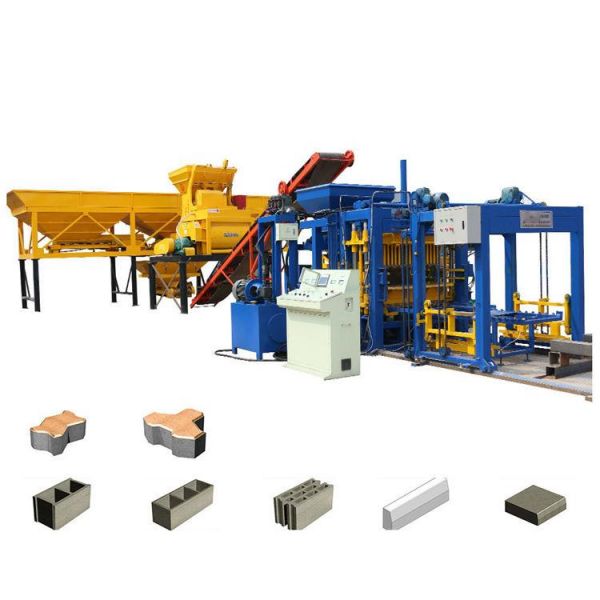
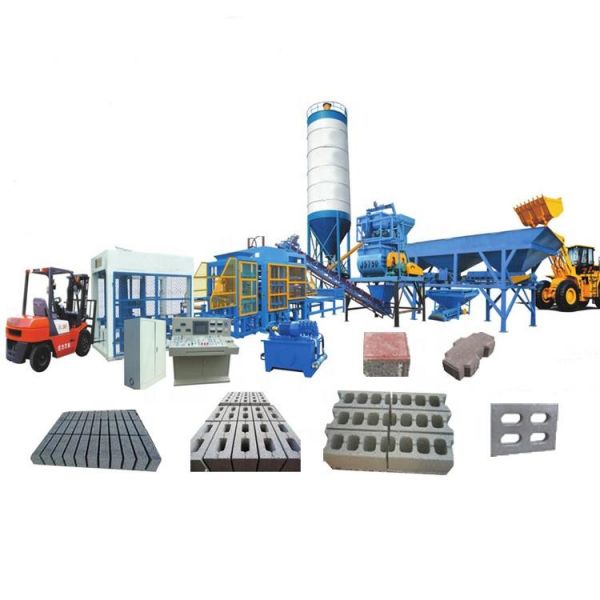
- Ideal Machine Type: Automatic hydraulic machines:
- Production capacity: 600-1,500+ bricks/hour.
- Key features: Full automation (mixing, feeding, compaction, demolding, stacking, curing), PLC controls with HMI, robotic stacking, in-line quality sensors, energy recovery systems.
- Price range: $25,000-$80,000+.
- Adaptability Features: Compatibility with all materials (concrete, clay, recycled aggregates, fly ash); high-speed mold changes (15-20 minutes); integration with bulk material handling systems (silos, conveyors); and cloud-based data analytics for process optimization. Some models offer customization for specialized brick types (e.g., interlocking, perforated) or high-performance mixes (e.g., lightweight insulation bricks).
- Market Positioning: Emphasize production efficiency, low cost per brick, quality consistency, and sustainability—critical for large-scale manufacturers competing in national or international markets.
2.3.4 Niche and Sustainable Construction Markets
- Target Market: Green building contractors, eco-conscious developers, or government sustainable infrastructure projects.
- Key Needs: Compatibility with recycled materials (fly ash, crushed concrete), low carbon footprint, energy efficiency, and compliance with green certifications (LEED, BREEAM, GRIHA).
- Ideal Machine Type: Specialized semi-automatic or automatic machines:
- Key features: Recycled material feeding systems, low-energy compaction, steam curing integration, and in-line sustainability metrics (carbon emissions, waste diversion).
- Price range: $15,000-$50,000+.
- Adaptability Features: Ability to optimize mix ratios for maximum recycled material content (60-70% fly ash or crushed concrete); produce low-carbon bricks with reduced cement usage; and generate sustainability reports for green certification compliance.
- Market Positioning: Highlight environmental credentials, waste diversion capabilities, and green certification points—key drivers for eco-conscious B2B customers willing to pay a premium for sustainable products.
2.4 B2B Implementation and Optimization Strategies for Brick Production Machines
Selecting the right brick production machine is just the first step—B2B buyers must implement and optimize the equipment to maximize efficiency, minimize downtime, and achieve long-term profitability.
2.4.1 Pre-Implementation Planning
Thorough planning ensures a smooth transition to new brick production machines:
- Site Preparation: Evaluate production space, power supply (voltage, amperage), water availability, and material storage requirements. For large-scale machines, ensure adequate floor strength (to support machine weight) and ventilation (for dust and fume control). On-site production requires portable power sources (generators) and material storage solutions (hoppers, silos).
- Operator Training: Invest in comprehensive training for operators and maintenance staff to ensure proper machine operation, troubleshooting, and maintenance. Training should cover:
- Machine setup and calibration.
- Material mix optimization.
- PLC programming and recipe management.
- Routine maintenance (lubrication, mold cleaning, filter replacement).
- Safety protocols (emergency stop, lockout-tagout procedures).Well-trained staff can reduce machine damage, minimize downtime, and maximize production efficiency.
- Material Sourcing and Testing: Identify reliable suppliers for raw materials (cement, sand, aggregates, recycled materials) and test mixes to optimize for machine performance and brick quality. Conduct compressive strength, water absorption, and durability tests on sample bricks to ensure compliance with local building codes.
2.4.2 Operational Optimization
Continuous optimization of machine operations is critical for maximizing productivity and reducing costs:
- Process Fine-Tuning: Monitor production data (cycle time, material usage, energy consumption, defect rates) to identify areas for improvement. For example:
- Adjust mixing time to reduce material waste without compromising blend quality.
- Optimize compaction pressure and vibration frequency for different materials to improve brick strength and reduce energy use.
- Schedule mold changes during low-demand periods to minimize downtime.
- Preventive Maintenance: Implement a regular maintenance schedule to extend machine lifespan and prevent unplanned downtime:
- Daily: Clean molds, check hydraulic fluid levels, inspect feeding systems for clogs.
- Weekly: Lubricate moving parts, calibrate sensors, inspect mold wear.
- Monthly: Replace filters, test electrical connections, verify dimensional accuracy of bricks.
- Annual: Overhaul hydraulic systems, replace worn components (molds, seals, compaction plates), and conduct a full machine calibration.
- Material Optimization: Work with material suppliers to optimize mix ratios (e.g., reduce cement content, use local aggregates) to lower costs without compromising quality. For recycled material mixes, test different additive combinations (e.g., lime, fly ash) to improve cohesion and strength.
2.4.3 Post-Implementation Support and Scalability
B2B buyers should partner with manufacturers that offer reliable post-implementation support and scalability options:
- After-Sales Support: Ensure the manufacturer provides 24/7 technical support, on-site repair services, and access to spare parts. A dedicated support team can resolve issues quickly, minimizing downtime. For international purchases, confirm that the manufacturer has local service partners to avoid long wait times for repairs.
- Scalability Features: Select machines with upgradeable components to scale production as market demand grows. Common upgrades include:
- Add-on mixers for automated material blending.
- Robotic stacking systems to reduce labor.
- Steam curing chambers to accelerate production.
- Additional molds for new brick types.
- Resale Value: Choose machines from reputable manufacturers with strong resale value. Well-maintained machines can be resold for 30-50% of their original price after 5-7 years, providing flexibility for future upgrades or business changes.
2.5 Future Trends Shaping the Brick Production Machine Market
The brick production machine market is evolving rapidly, driven by global construction trends, technological advancements, and environmental regulations. B2B buyers who stay ahead of these trends can position themselves for long-term success.
2.5.1 Increased Focus on Sustainability
Sustainability will remain a top trend, with demand growing for machines that reduce carbon emissions, waste, and resource consumption:
- Net-Zero Carbon Machines: Manufacturers are developing electric machines with zero emissions, while integrating carbon capture technologies to reduce the environmental impact of brick production.
- Circular Economy Integration: Machines will be designed to handle a higher percentage of recycled materials (up to 80% fly ash or crushed concrete) and produce bricks that are recyclable at the end of their lifespan.
- Sustainability Certifications: Machines will be certified to meet green building standards (e.g., LEED, BREEAM), making them more attractive to eco-conscious B2B customers.
2.5.2 Advanced Automation and Robotics
Automation will continue to advance, with machines becoming more autonomous and integrated into smart factory systems:
- Autonomous Material Handling: Self-driving forklifts and conveyor systems will transport raw materials and finished bricks, eliminating the need for manual handling.
- AI-Powered Process Optimization: Artificial intelligence (AI) will analyze production data to optimize mix ratios, compaction pressure, and curing times in real time, maximizing efficiency and quality.
- Digital Twins: Virtual replicas of brick production machines will enable remote monitoring, predictive maintenance, and process simulation—reducing downtime and improving decision-making.
2.5.3 Customization and Mass Personalization
Market demand for customized brick products will drive innovations in mold design and machine flexibility:
- 3D-Printed Molds: Rapid prototyping with 3D-printed molds will allow B2B customers to produce small batches of custom-shaped bricks (e.g., decorative, project-specific designs) at lower costs.
- On-Demand Production: Small-scale, portable brick production machines will enable on-site customization of bricks (e.g., color, texture, size) for architectural projects, reducing waste and transportation costs.
2.5.4 Global Market Expansion
Urbanization and infrastructure development in emerging markets (Asia, Africa, Latin America) will drive demand for brick production machines:
- Affordable Housing Focus: Governments in developing countries are investing in affordable housing projects, creating demand for low-cost, small-scale brick production machines.
- Local Manufacturing: To reduce transportation costs and support local economies, manufacturers will establish production facilities in emerging markets, making machines more accessible to regional B2B buyers.
3. Conclusion
Brick production machines are essential tools for B2B stakeholders in the construction equipment sector—enabling efficient, scalable, and high-quality brick manufacturing that meets global construction demands. From manual machines for small-scale rural operations to fully automated industrial systems, these machines have evolved to adapt to diverse market needs, materials, and production scales. Technological innovations, such as automation, smart sensors, and sustainability features, have transformed brick production machines into data-driven, eco-friendly systems that deliver operational excellence and competitive advantage.
For B2B buyers (distributors, distributors, purchasers), selecting the right brick production machine requires a strategic approach—aligning machine capabilities with target market needs, production scale, and operational goals. By evaluating key performance metrics (production capacity, quality consistency, material efficiency, energy efficiency) and embracing technological innovations, B2B buyers can optimize productivity, reduce costs, and meet evolving market demands (sustainability, customization, efficiency). Implementation and optimization strategies, such as operator training, preventive maintenance, and scalability planning, are critical for maximizing return on investment and achieving long-term success.
As the construction industry continues to prioritize sustainability, automation, and customization, brick production machines will evolve to meet these trends—offering new opportunities for B2B stakeholders to innovate and grow. By staying informed about emerging technologies and market dynamics, B2B buyers can position themselves as leaders in the brick production equipment sector, delivering value to customers and contributing to a more efficient, sustainable construction ecosystem.
4. FAQ
4.1 What is the production capacity range of brick production machines?
Brick production machines vary in capacity based on type and scale:
- Manual: 50-150 bricks/hour (small-scale rural operations).
- Semiautomático: 200-600 bricks/hour (medium brick yards, on-site construction).
- Automático: 600-1,500+ bricks/hour (large-scale industrial manufacturing).Capacity can be optimized by adjusting cycle times, material mix, and machine configuration (e.g., adding extra molds, integrating curing systems).
4.2 What materials can brick production machines process?
Brick production machines are versatile, handling a wide range of materials:
- Concrete (sand, gravel, cement, water).
- Clay (natural clay, with or without binders).
- Soil-cement (local soil, sand, cement).
- Recycled aggregates (crushed concrete, brick fragments, fly ash, slag).
- Specialty mixes (lightweight aggregates, pigments, water-resistant additives).Machines can be adjusted to handle low-cohesion materials (e.g., recycled aggregates) with specialized feeding and compaction systems.
4.3 What types of bricks can a brick production machine produce?
With interchangeable molds, brick production machines can produce:
- Solid bricks (standard sizes: 200x100x60 mm, 250x125x80 mm).
- Hollow blocks (20-50% void space for energy efficiency).
- Perforated bricks (small holes for thermal insulation and soundproofing).
- Pavers (300x300x100 mm or custom sizes for landscaping).
- Interlocking bricks (no mortar required).
- Colored bricks (using pigments) or specialty bricks (insulation, water-resistant).Custom molds are available for project-specific shapes or designs.
4.4 What are the key technological features to look for in a modern brick production machine?
Essential technological features for B2B buyers:
- PLC controls with HMI for automated operation and recipe storage.
- Smart sensors (moisture, pressure, weight) for quality control and process optimization.
- Energy-efficient systems (VFDs, energy recovery, solar options).
- Robotic stacking or automatic handling to reduce labor.
- Predictive maintenance alerts to minimize downtime.
- Compatibility with recycled materials and sustainable mixes.
4.5 How do I maintain a brick production machine to maximize lifespan?
Key maintenance practices:
- Daily: Clean molds, check hydraulic fluid levels, inspect feeding systems.
- Weekly: Lubricate moving parts, calibrate sensors, inspect mold wear.
- Monthly: Replace filters, test electrical connections, verify brick dimensions.
- Annual: Overhaul hydraulic systems, replace worn components (molds, seals), and calibrate the machine.
- Implement a preventive maintenance schedule and train staff on proper operation to avoid damage.
4.6 What is the average lifespan of a brick production machine?
Lifespan varies by type and maintenance:
- Manual: 5-8 years (with proper maintenance).
- Semiautomático: 8-12 years.
- Automático: 12-15 years.Lifespan can be extended by 20-30% with regular maintenance, timely part replacement, and operator training.
4.7 How much does a brick production machine cost?
Price ranges by type and capacity:
- Manual: $2,000-$6,000 USD.
- Semiautomático: $8,000-$25,000 USD.
- Automático: $25,000-$80,000+ USD.
- Specialized (Sustainable/Recycled Material): $15,000-$50,000+ USD.Prices are lower for Asian manufacturers (China, India) and higher for European/US models (20-40% premium).
4.8 How can brick production machines help with sustainability and green construction?
Brick production machines support sustainability in multiple ways:
- Process recycled materials (fly ash, crushed concrete) to divert waste from landfills.
- Reduce carbon emissions by replacing cement with recycled aggregates or using energy-efficient systems.
- Produce low-energy bricks (hollow, perforated) that improve building insulation, reducing heating/cooling costs.
- Enable on-site production, eliminating transportation-related emissions.
- Comply with green certifications (LEED, BREEAM) by generating sustainability reports (waste diversion, carbon footprint).Many governments offer subsidies for machines used in sustainable brick production.