
A Strategic Framework for Cost Optimization
Reducing operational costs requires a systematic approach that addresses the entire production lifecycle, from raw material intake to the dispatch of finished goods. It is a continuous process of measurement, analysis, and improvement.
1. Mastering Raw Material Efficiency and Input Costs
Raw materials typically represent 50-65% of total operational cost, making this the most critical area for optimization.
1.1. Precision in Material Procurement and Handling
Cost control begins before the mixer is loaded.
- Strategic Sourcing and Quality Consistency: Establish long-term relationships with reliable suppliers of aggregates and cement. While unit price is important, prioritize consistency in gradation and quality. Inconsistent materials lead to poor compaction, higher cement content requirements, and increased waste, negating any upfront savings.
- Bulk Procurement and Storage Management: Purchase cement in bulk via silos and aggregates in full truckloads to secure volume discounts. Implement first-in, first-out (FIFO) inventory management for aggregates to prevent spoilage or contamination in stockpiles. Covered storage prevents moisture variation in aggregates, which disrupts mix design and causes production issues.
1.2. Scientific Mix Design and Waste Minimization
The concrete recipe is a primary lever for cost control.
- Optimized Mix Design: Conduct regular mix design trials to determine the minimum cement content required to achieve the target block strength for each product type. Utilize permissible supplementary cementitious materials (SCMs) like fly ash or slag, which can reduce cost while maintaining or enhancing certain properties.
- Zero-Waste Production Mindset: Implement a closed-loop system for production waste. Crush and sieve production rejects, broken blocks, and leftover concrete to create recycled aggregate that can be reintroduced into the mix for non-structural products. Ensure precise calibration of batching equipment to avoid over-pouring materials.
2. Maximizing Machine Productivity and Asset Health
The block machine itself is a major cost center through energy consumption, maintenance, and depreciation. Optimizing its performance is non-negotiable.
2.1. Proactive and Predictive Maintenance
Unplanned downtime is the enemy of low operational cost. Shift from reactive repairs to a scheduled, preventive maintenance (PM) program.
- Follow Manufacturer PM Schedules: Adhere strictly to lubrication, filter change, and inspection intervals for hydraulics, vibrators, and conveyors. Maintain a detailed log.
- Focus on Wear Parts: Proactively monitor and replace high-wear components like mold liners, pallets, and mixer blades antes they fail and cause secondary damage or produce off-spec products. This is cheaper than emergency repairs and lost production.
2.2. Energy Consumption Optimization
Energy is a significant and often overlooked variable cost.
- Peak Demand Management: Schedule high-energy processes (e.g., steam curing, intensive mixing) during off-peak utility hours if rate differentials exist.
- System Efficiency Audits: Regularly check hydraulic systems for leaks and ensure motors are correctly sized and in good working order. Consider investing in high-efficiency motors or variable frequency drives (VFDs) for long-term savings, especially on high-power equipment like mixers.
3. Optimizing Labor and Overhead Efficiency
Human resources and factory overhead represent a substantial portion of fixed and semi-variable costs.
3.1. Workforce Training and Process Standardization
A skilled, efficient crew is a cost-saving asset.
- Cross-Training: Train operators in basic troubleshooting, routine maintenance, and quality checks. This reduces dependency on specialized technicians for minor issues and minimizes machine idle time.
- Standardized Work Procedures: Develop and enforce clear Standard Operating Procedures (SOPs) for machine setup, mold changes, daily startup/shutdown, and quality control. This reduces errors, improves safety, and ensures consistent, efficient operations across shifts.
3.2. Streamlining Logistics and Factory Layout
Inefficient movement wastes time and fuel.
- Lean Layout Design: Analyze the material flow from raw storage to mixing, production, curing, and final storage. Reorganize the plant layout to minimize the travel distance for front-end loaders and forklifts. This reduces cycle time and fuel consumption.
- Pallet and Logistics Management: Ensure an optimal number of pallets are in circulation to prevent the machine from waiting. Organize the curing and storage yards logically to minimize handling when retrieving orders for dispatch.
Conclusion: A Culture of Continuous Improvement
In conclusion, reducing the operational cost of a block machine is not a one-time project but the cultivation of a culture of continuous improvement embedded in daily operations. It requires viewing every input, every process, and every kilowatt-hour through the lens of value and waste. For the distributor or consultant, your role is to equip clients with this mindset and the practical tools to execute it. This involves advocating for precision in mix design, diligence in maintenance, and intelligence in factory management. The most profitable block manufacturing plants are those where cost control is everyone’s responsibility, from the front-end loader operator to the plant manager. By guiding your clients to systematically attack costs across these three pillars—Materials, Machine, and Labor/Logistics—you help them build not just blocks, but a lean, competitive, and financially robust enterprise capable of thriving in any market condition.
Frequently Asked Questions (FAQ)
Q1: What is the fastest way to see a reduction in operational costs?
A1: The most immediate impact often comes from raw material optimization. Auditing and adjusting your mix designs to ensure you are not over-using cement—the most expensive component—can yield significant savings with minimal investment. Concurrently, implementing strict controls to minimize production waste and recycle rejects offers quick wins.
Q2: How much should I budget for preventative maintenance as a cost-saving measure?
A2: A well-funded PM program is an investment, not an expense. Allocate 2-4% of the machine’s original purchase price annually for scheduled maintenance parts and labor. This is dramatically less than the cost of major breakdowns, which can involve catastrophic component failure and weeks of lost production, easily costing 10-20 times the annual PM budget.
Q3: Can automation reduce operational costs, given its high upfront price?
A3: In the medium to long term, yes, strategically. Automation reduces variable labor costs per unit and minimizes human error, leading to less material waste and more consistent product quality. However, to justify the higher fixed cost (depreciation), it is imperative to achieve high machine utilization. For a high-volume operation, automation is a powerful cost-reduction tool.
Q4: How do I measure the success of my cost-reduction efforts?
A4: Track Key Performance Indicators (KPIs) before and after implementing changes. Crucial metrics include:
- Cost per Block: Total operational cost divided by units produced.
- Material Yield: Tons of raw material input vs. tons of sellable block output.
- Machine Availability/Uptime Percentage.
- Energy Consumption per 1,000 blocks.
Monitoring these KPIs provides objective data on your progress.
Q5: As a distributor, what value can I add to help clients reduce costs?
A5: Move beyond selling parts to selling solutions and knowledge. Offer:
- Mix Design Consultancy: Connect clients with concrete technologists.
- Preventive Maintenance Contracts: Provide scheduled service visits to ensure machine health.
- Operator Training Workshops: Focus on efficient operation and basic maintenance.
- Efficiency Audits: Review their plant layout and operational workflow.
This positions you as a partner in their profitability.
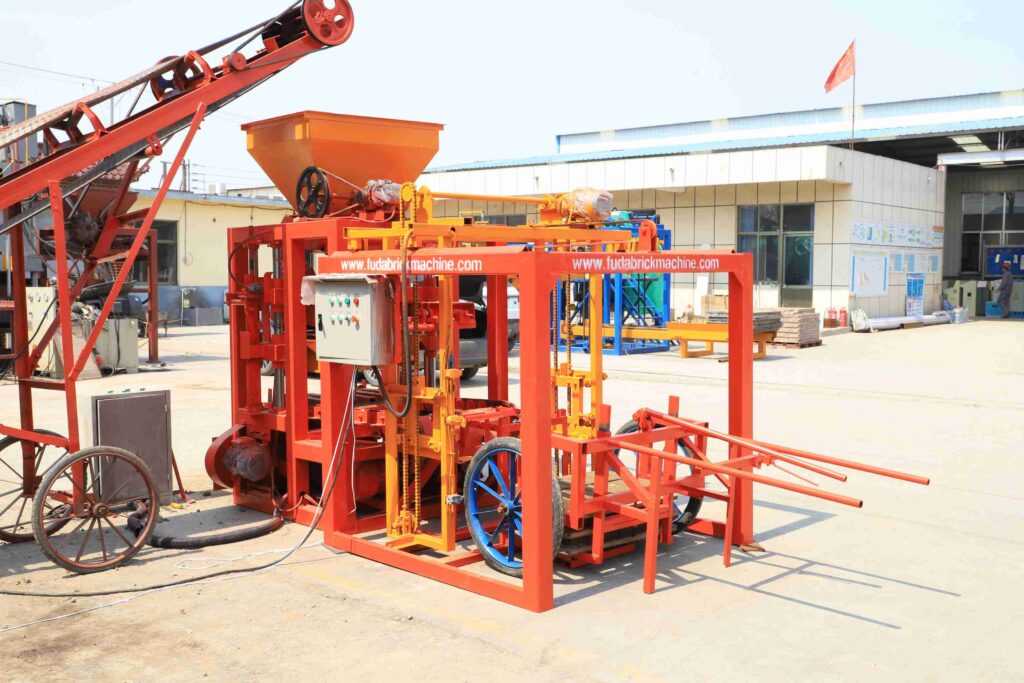
- máquina automática para hacer bloques7 products
- Máquina para fabricar bloques de arcilla4 products
- máquina para hacer bloques móvil4 products
- otras maquinarias de construcción5 products
- Máquina semiautomática para hacer bloques4 products