
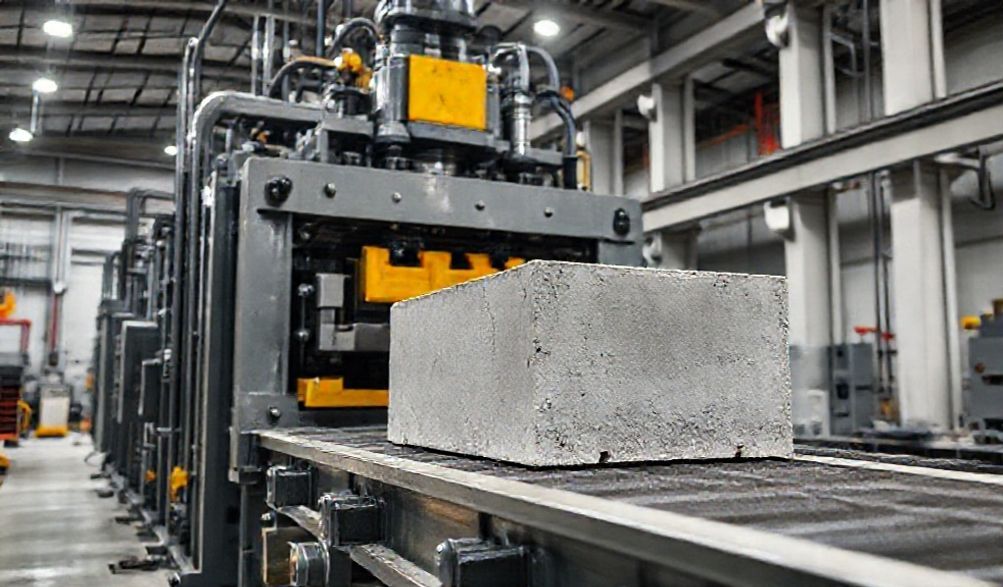
Finding the Best Quality Block Molding Machine Factories: A 2026 Buyer’s Guide
In the world of construction and infrastructure development, the humble concrete block is a foundational pillar. The machinery that produces these blocks, therefore, isn’t just a piece of equipment; it’s the engine of progress, the determinant of project timelines, and a significant factor in your long-term profitability. Choosing a subpar block molding machine can cascade into a nightmare of project delays, inconsistent block quality, and relentless maintenance costs that erode your bottom line.
The core challenge for buyers today is the overwhelming market saturation. A simple online search for “block molding machine factories” yields thousands of results, from backyard workshops to industrial giants. Distinguishing genuine, best-quality manufacturers from mass producers who prioritize low cost over longevity is a daunting task. Price alone is a deceptive metric.
This guide serves as your strategic framework. Moving beyond superficial lists, we provide a methodology rooted in industry expertise to help you identify factories that embody true quality—defined by superior engineering, impeccable manufacturing integrity, unwavering durability, and robust after-sales support. Drawing on decades of industry experience and direct engagement with leading manufacturers, this guide provides a trusted methodology for your investment decision.
What Defines a “Best Quality” Block Machine Factory? Beyond the Brochure
A “best quality” factory is defined not by its marketing budget, but by its foundational principles and tangible outputs. It’s an entity that builds partnerships, not just machines. Let’s dissect the core pillars.
Excelencia en Ingeniería e Inversión en I+D
The soul of a quality machine is its design. This is where the journey to durability and efficiency begins.
- Diseño Interno vs. Manufactura de Imitaciones: Premier factories employ dedicated, in-house engineering teams. These teams design machines from the ground up, optimizing every component for synergy. In contrast, copycat manufacturers reverse-engineer existing models, often missing critical nuances in material specs or tolerances, leading to premature failure.
- Compromiso con la I+D: Look for evidence of continuous investment in Research and Development. This includes innovations in vibration technology (optimizing frequency and amplitude for better compaction), energy-efficient hydraulic circuit design, and smart automation via advanced PLC (Programmable Logic Controller) systems. A factory that innovates is one that stays ahead.
- Patents and Proprietary Technology: Patents are a strong, objective indicator of expertise and original thought. They signal a factory’s commitment to solving specific industry problems—whether it’s a unique mold design for faster stripping or a vibration system that reduces noise and energy consumption.
Manufacturing Integrity: Materials and Production Standards
Superior design means nothing if executed with inferior materials and poor craftsmanship. Manufacturing integrity is where promises become physical reality.
- Materiales de Alta Calidad: The frame is the machine’s skeleton. Top factories use specified, high-grade steel (e.g., ASTM A36 or better) with precise thickness, not generic “heavy-duty” steel. Critical components like molds should be made from hardened alloy steel to resist abrasion, and hydraulic cylinders should feature chrome-plated rods to prevent corrosion and scoring.
- Maquinado de Precisión: The quality of components like the vibration table, hydraulic valve blocks, and guide columns is paramount. These should be machined with CNC (Computer Numerical Control) equipment for micron-level precision, ensuring smooth operation, perfect alignment, and minimal wear over time.
- Certificaciones como Línea Base: International standards like ISO 9001 for Quality Management Systems are a minimum baseline. They demonstrate a factory’s commitment to a systematic, documented process for quality control. However, they are a starting point for evaluation, not the finish line.
Durability and Performance Metrics
Quality is proven over time and under load. It’s about sustained performance, not just a impressive first demo.
- Sustained Output: Ask for data on cycle time and output consistency not just at commissioning, but after 1,000, 10,000, and 100,000 cycles. A quality machine maintains its speed and precision.
- Designed Lifespan & MTBF: Reputable factories design for a specific operational lifespan (e.g., 10+ years of heavy use) and can provide estimates for Mean Time Between Failures (MTBF) for core components. This is a key metric for predicting maintenance costs and downtime.
- Efficiency as an Indicator: Energy-efficient motors and well-designed hydraulic systems are not just “green” features. They are hallmarks of sophisticated engineering that reduces operating costs and thermal stress on components, directly extending machine life.
How to Vet and Evaluate Block Machine Factories
Armed with the “what,” you now need the “how.” This is your actionable due diligence plan.
Conducting In-Depth Factory Audits (Virtual or In-Person)
An audit is non-negotiable. If an in-person visit isn’t feasible, insist on a comprehensive live virtual tour.
- Inspect Key Areas: Look for clean, organized assembly lines. Examine weld quality—they should be smooth, consistent, and free of splatter (a sign of automated welding). Identify quality control checkpoints where components are measured and tested before assembly.
- Ask Probing Questions: “Who supplies your hydraulic pumps and PLC systems?” (Brands like Bosch Rexroth, Siemens, or Mitsubishi are positive signs). “What is your process for testing the pressure and leak-down of the hydraulic system before shipment?”
- Review Testing Protocols: Do they run a full production cycle with concrete before disassembly for shipping? Do they provide a signed test report? In our experience auditing factories, the paint finish is often a tell-tale sign of attention to detail—runs and drips can indicate rushed assembly and poor surface preparation, which leads to premature rusting.
Analyzing the Product Portfolio and Customization Capability
A factory’s range speaks volumes about its depth of knowledge and customer focus.
- Portafolio Diversificado: Expertise is shown through a logical range of machines for various applications: solid blocks, hollow blocks, paving slabs, interlocking bricks, and specialty products. It shows an understanding of different market needs.
- Customization Willingness: The ability and willingness to customize for your local conditions is a major green flag. This could mean adjusting mold designs for specific aggregate sizes, configuring the system for alternative materials like fly ash or slag, or adapting electrical systems for your local voltage and frequency.
- Logical Engineering Progression: Their model range should show a thoughtful progression from manual to fully automatic systems, with clear engineering improvements at each step, not just cosmetic changes.
Scrutinizing After-Sales Service and Support
This is the ultimate test of a factory’s confidence and commitment. The warranty document is one of the most important pieces of technical literature they provide.
- Warranty Length and Terms: A comprehensive 12-24 month warranty on parts and workmanship is standard for quality manufacturers. Scrutinize the terms. What is excluded? What is the process for making a claim?
- Global Support Network: Do they have trained technicians or certified partners in your region? What is the guaranteed response time for technical support? Is there a 24/7 hotline?
- Spare Parts and Training: Is there a publicly available spare parts catalog with OEM part numbers? Are critical spare parts kept in stock? Do they offer thorough on-site training for your operators and maintenance staff? Ask for a case study: “Can you share an example of how you resolved a major breakdown for a client in a remote location?”
Key Considerations for Your Specific Project Needs
Quality must be contextualized. The “best” machine is the one that perfectly matches your specific operational and financial parameters.
Matching Machine Type to Output Goals
- Estacionario vs. Móvil: Stationary plants (eggmobile type) are for high-volume, fixed-site production and often feature higher levels of automation and durability. Mobile machines (block paving machines) offer flexibility for on-site production; quality here is judged by robustness, ease of movement, and quick setup.
- Nivel de Automatización: Fully automatic machines (with auto feeder, mixer, and pallet stacker) demand the highest build quality in sensors, software, and mechanical synchronization. Semi-automatic machines place a premium on ergonomic design and reliability of the core block-making cycle.
- Realistic Capacity: Evaluate the factory’s stated production capacity (blocks per hour) against the machine’s cycle time and required curing time. A quality factory will provide conservative, achievable numbers and discuss factors that affect real-world output.
The Total Cost of Ownership (TCO) vs. Initial Price
This is the most critical financial calculation you will make.
- Calculating TCO: TCO = Initial Purchase Price + Shipping & Installation + Energy Consumption (over 5-10 years) + Routine Maintenance Costs + Cost of Downtime & Repairs + Residual Value.
- The Quality Dividend: A machine from a premium factory often has a 20-40% higher initial price. However, its superior energy efficiency, lower failure rate, and higher resale value typically result in a significantly lower TCO over a 5-year period. The cheaper machine becomes more expensive through constant repairs and lost production.
- Factory Support in ROI: Trustworthy factories will help you model your Return on Investment (ROI) based on your local block prices, production targets, and estimated operating costs, providing a transparent financial projection.
Red Flags and Green Flags in Your Factory Search
Warning Signs (Red Flags)
- Unrealistically low prices coupled with vague or “standard” specifications on brochures.
- Reluctance or refusal to provide verifiable customer references or facilitate a factory tour/virtual audit.
- Vague, short, or non-existent warranty documentation, or no clear guarantee on spare parts availability.
- High-pressure sales tactics urging a quick deposit, discouraging third-party inspections, or dismissing your detailed technical questions.
Indicators of a Trustworthy Partner (Green Flags)
- Transparencia in communication, providing detailed CAD drawings, material certificates, and component brand lists.
- Long-standing company history with a focused specialization in block machinery, not a generic heavy equipment manufacturer.
- An extensive, verifiable portfolio of global installations, complete with client testimonials and contactable references.
- Active participation in international industry associations (e.g., BIBM, NRMCA) and reputable trade shows, indicating peer recognition and a commitment to industry standards.
Frequently Asked Questions (FAQ)
Q1: What is the most important factor when choosing a block machine factory?
A: While many factors matter, manufacturing integrity and after-sales support are paramount. A well-built machine from a factory that stands behind it with a strong, accessible service network will outperform a cheaper alternative in the long run, ensuring lower lifetime costs and higher productivity.
Q2: Are certifications like ISO 9001 a guarantee of quality?
A: Certifications are a positive indicator of a systematic approach to quality control and are a minimum baseline to look for. However, they should be verified alongside tangible evidence of build quality, component sourcing, and real-world performance data from existing customers.
Q3: How can I verify a factory’s claims if I can’t visit in person?
A: Be proactive. Request a live, guided virtual tour of the production floor and testing area. Ask for high-resolution videos of machines under load test. Most importantly, insist on contacting 3-5 previous customers in a region with similar climate and material challenges to yours, and ask detailed questions about long-term performance and service responsiveness.
Q4: Is it better to buy from the factory directly or through a local dealer?
A: Both models can work effectively. Buying direct can offer cost advantages and direct communication with engineers. A competent, well-established local dealer provides invaluable local support, quicker service response, and local parts stocking. Always evaluate the dealer’s technical expertise and reputation as an extension of the factory’s own commitment to quality.
Q5: What should a comprehensive warranty cover?
A: A strong warranty should clearly cover defects in materials and workmanship for a defined period (typically 1-2 years). It should explicitly list coverage for core components (hydraulic pumps/cylinders, mainframe, vibration motor, electrical control panel) and outline a clear, timely process for diagnostic technical support, parts shipment, and compensation for major failures.
Conclusión
Finding the best quality block molding machine factory is a strategic investment in due diligence. It is a process that prioritizes deep evaluation of engineering prowess, manufacturing integrity, and the potential for a long-term partnership over a simple transactional purchase based on price.
Use the framework in this guide—audit their facilities, analyze their technical capabilities, and scrutinize their support structures—to move beyond marketing claims and build a shortlist of truly qualified partners. Investing in a block molding machine is a significant decision that impacts your productivity for years. By prioritizing expertise and proven performance over price alone, you secure a foundation for success. Always consult with industry experts and conduct thorough research tailored to your specific operational needs.
Ready to start your evaluation? Begin by creating a checklist based on the key points above and request detailed technical information packs and customer references from your prospective factories.
<