
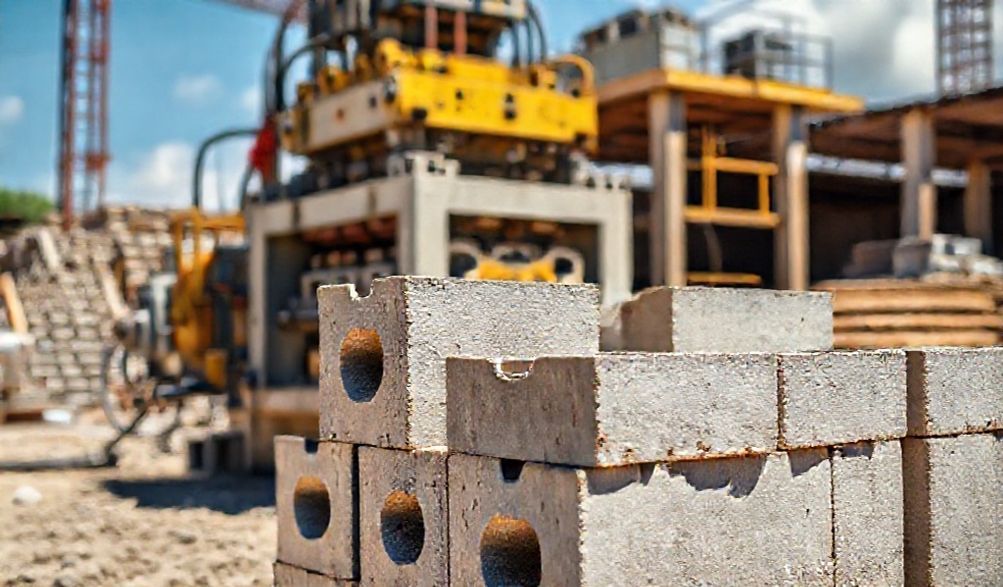
Precio de la Máquina de Bloques Huecos en Filipinas (Guía 2024): Costo, Tipos y Consejos de Compra
Introducción
Eres un contratista finalizando el presupuesto para una nueva subdivisión. O quizás eres un emprendedor en Cebú o Davao, identificando una oportunidad en el floreciente mercado local de la construcción. Tu investigación te ha llevado a una pieza crítica de equipo: la máquina de bloques huecos. Pero una búsqueda rápida en línea te deja más confundido que seguro. Los precios parecen oscilar desde unos pocos miles de pesos hasta varios millones. ¿Cómo es posible que puedas navegar esto, hacer una inversión inteligente y evitar un error costoso que retrase tu proyecto o negocio?
Has encontrado la guía correcta. El desafío de encontrar una máquina confiable a un precio justo en el mercado filipino es real. Los precios varían enormemente según el tipo, la capacidad y el origen, y la opción más barata a menudo puede terminar siendo la más costosa a largo plazo debido a los tiempos de inactividad y los costos de reparación.
Esta guía integral de 2024 está diseñada para eliminar el ruido. Te proporcionaremos información clara y respaldada por expertos sobre los rangos de precios actuales, explicaremos los diferentes tipos de máquinas y sus aplicaciones, y desglosaremos los factores clave que influyen en el costo. Más importante aún, iremos más allá del precio de etiqueta para discutir los costos totales de propiedad y ofreceremos consejos prácticos de compra adaptados al contexto filipino.
Las perspectivas aquí presentadas se compilan a partir de datos de la industria, consultas con proveedores y fabricantes locales, y el conocimiento práctico del panorama de la construcción en Luzón, Visayas y Mindanao. Nuestro objetivo es proporcionarle el conocimiento necesario para tomar una decisión informada que equilibre perfectamente su presupuesto, expectativas de calidad y necesidades de producción.
Entendiendo las Máquinas de Bloques Huecos: Tipos y Aplicaciones
Antes de hablar de cifras, es crucial entender lo que estás comprando. El tipo de máquina adecuado para el proyecto de tu vecino podría ser completamente inadecuado para el tuyo. Desglosemos las máquinas comunes disponibles en el mercado filipino.
Máquinas Manuales para Fabricar Bloques Huecos
- Descripción:Estos son el tipo más básico, operados completamente por fuerza humana utilizando una palanca manual para comprimir la mezcla de concreto en un molde. No requieren electricidad ni motor, lo que los hace puramente mecánicos.
- Ideal Para:Proyectos a una escala extremadamente pequeña (como construir una sola casa), negocios caseros en áreas con suministro eléctrico inestable o barangays remotos. También son una forma de bajo riesgo para probar las aguas de la producción de bloques.
- Capacidad de Salida Típica:La producción es lenta e intensiva en mano de obra. La producción podría oscilar entre80 a 200 bloques por día de 8 horasDependiente en gran medida de la resistencia del operador.
Máquinas Semiautomáticas para Bloques Huecos
- Descripción:Esta es la categoría más popular para pequeñas y medianas empresas. Estas máquinas utilizan un motor eléctrico para accionar un vibrador que compacta el concreto y un sistema hidráulico o mecánico para la compresión. La distinción clave "semiautomática" es que la alimentación de la mezcla cruda en el molde y la extracción de los bloques terminados se realizan manualmente.
- Ideal Para:Iniciar un negocio dedicado a la fabricación de bloques (BMB), suministrando bloques para proyectos de construcción locales, o para empresas constructoras que necesitan un suministro constante y controlado. Ofrecen un gran equilibrio entre asequibilidad y productividad mejorada.
- Capacidad de Salida Típica:Varía significativamente según el modelo. Una máquina de un solo bloque podría producir200-400 bloques por horamientras que una máquina semiautomática de bloques múltiples (por ejemplo, 3-6 bloques por ciclo) puede producir800-1,500 bloques por turno de 8 horas.
Máquinas de Bloques Huecos Completamente Automáticas
- Descripción: These are the powerhouses of block production. Often controlled by a Programmable Logic Controller (PLC), they automate the entire process: batching, mixing, conveying the concrete to the mold, pressing, curing, and even stacking the finished blocks on pallets. They often form a complete production line.
- Ideal Para: Large-scale commercial block manufacturers (like established plants in Bulacan or Cavite), major infrastructure projects, or developers who need immense, consistent output. The investment is high, but labor costs are minimal and output is maximized.
- Capacidad de Salida Típica: Output is measured in blocks per hour. A standard fully automatic line can easily produce 2,000 to 10,000+ blocks per 8-hour shift, depending on its configuration and block size.
Mobile Hollow Block Machines
- Descripción: These are typically semi-automatic or fully automatic machines mounted on a robust trailer chassis, allowing the entire setup to be towed directly to a construction site.
- Ideal Para: Large building sites, road projects, or government housing projects where transporting thousands of finished blocks from a remote plant is logistically challenging and expensive. Production happens on-site, drastically cutting transport costs and block damage.
- Capacidad de Salida Típica: Similar to their stationary semi or fully automatic counterparts, but designed for rugged, temporary site conditions.
Hollow Block Machine Price Ranges in the Philippines (2024)
Now, let’s address the core question. The following price ranges are estimates for 2024, based on market research. Remember, these are ranges—the final price depends on the specific factors we’ll discuss next.
Price Breakdown by Machine Type
-
Máquinas Manuales para Hacer Bloques Huecos: This is your entry-level price point.
- Price Range: ₱15,000 – ₱70,000.
- The lower end gets you a basic, single-block mold machine. Prices climb for machines with multiple mold configurations (allowing different block sizes) or those made with more durable steel frames.
-
Máquinas Semiautomáticas para Bloques Huecos: This is where the market is most active and varied.
- Price Range: ₱80,000 – ₱800,000.
- A basic, single-block vibrator machine might start around ₱80,000. The price increases substantially for models with hydraulic compression and multi-block molds (producing 3, 4, 6, or even 10 blocks per cycle). Brand, motor power (HP), and build quality are major differentiators here.
-
Fully Automatic Hollow Block Machines: This is a major capital investment.
- Price Range: ₱1,000,000 – ₱5,000,000+.
- A basic automatic stationary machine might start around ₱1 million. For a complete, high-output production line with automatic mixer, conveyor, and stacker, prices can easily reach ₱3-5 million or more. Imported European brands command a premium at the very top end.
-
Mobile Hollow Block Machines:
- Price Range: ₱500,000 – ₱2,500,000+.
- You are essentially paying for a semi or fully automatic machine plus the mobility package (heavy-duty trailer, axle, sometimes a generator). Prices align with the automation level of the core machine.
Key Factors That Influence the Price
Why is there such a wide range? Here are the main drivers:
- Capacidad de Producción: This is the #1 factor. A machine that makes 500 blocks per hour will cost less than one that makes 2,000 blocks per hour. Be realistic about your needs.
- Nivel de Automatización: Each step of automation (from manual lever to hydraulic press to PLC control) adds cost but also reduces long-term labor costs and increases consistency.
- Brand & Country of Origin:
- Local Philippine Brands: Often offer competitive pricing and the huge advantage of readily available spare parts and technical support within the country.
- Imported Brands (e.g., China): Can offer very attractive upfront prices. However, it’s critical to choose a supplier with a strong local warehouse and service team. The cheapest import with no local support is a high-risk purchase.
- Imported Brands (e.g., Germany, Italy): Represent the premium tier with exceptional engineering and durability, reflected in a significantly higher price.
- Machine Build Quality: The grade of steel, the quality of the hydraulic pumps and valves, the power of the vibrator motors, and the precision of the welding all affect both price and longevity. A thicker, reinforced frame costs more but will withstand years of tough use.
- After-Sales Service & Warranty: Never underestimate this. A machine priced 10% lower but with no reliable service network can become a worthless pile of metal if a key component fails. A reputable supplier offering a 1-year warranty on parts and labor, with technicians a phone call away, provides immense value and peace of mind.
Beyond the Sticker Price: Total Cost of Ownership
A savvy buyer looks beyond the initial quote. The true cost of owning a hollow block machine includes several ongoing expenses.
Initial Investment Breakdown
- Machine Cost: The base price from the supplier.
- Delivery and Installation: Freight costs from the supplier’s warehouse to your site, especially important for large machines or those shipped from overseas. Some suppliers include basic installation and setup.
- Initial Spare Parts and Tools: It’s wise to purchase an initial set of common wear parts (like extra mold liners, gaskets, or vibration mounts) and necessary tools.
Operational Costs
- Electricity Consumption: Semi and fully automatic machines are power-hungry. A 10-15 HP motor running 8 hours a day will significantly impact your monthly electricity bill. Factor this into your production cost per block.
- Materias Primas: This is your largest recurring cost—cement, sand, and gravel. Their price and quality consistency directly affect your block quality and profit margin.
- Costos de Mano de Obra: A manual machine requires strong, dedicated labor. A semi-automatic machine needs 2-3 operators. A fully automatic line may only need 1-2 people to monitor the process. Calculate wages into your overhead.
- Maintenance and Repair Costs: Regular lubrication, cleaning, and part replacement (like hydraulic seals or vibrator bearings) are essential. Budget for periodic maintenance and unexpected repairs.
The Importance of After-Sales Support
In the Philippine setting, this cannot be overstated.
- Soporte Técnico Local: Is there a hotline? How quickly can a technician arrive if your machine breaks down? Downtime is lost production and lost income.
- Disponibilidad de Refacciones: Does the supplier stock common parts in a local warehouse, or do they need to be ordered from abroad with a 2-month lead time?
- Warranty Coverage: Read the fine print. What is covered (parts? labor?) and for how long? A clear warranty is a sign of a confident supplier.
- Entrenamiento: Does the supplier provide hands-on training for your operators on proper use, daily maintenance, and basic troubleshooting? This is invaluable for preventing costly mistakes and extending machine life.
How to Choose the Right Machine for Your Needs & Budget
Armed with knowledge on types and costs, follow this actionable framework to make your decision.
Assess Your Production Requirements
Hazte estas preguntas:
* What is my average daily or weekly block requirement? (Be realistic about current needs and near-future growth).
* What standard block sizes (4”, 5”, 6”, CHB) does my market demand?
* Will I be producing on a fixed site or moving between multiple locations?
* What is the reliable power supply at my location?
Your answers will point you clearly to a machine type and capacity range.
Evaluate Your Budget Realistically
- Separate Capital: Distinguish your initial capital (for the machine, delivery, site preparation) from your working capital (for raw materials, labor, utilities, and marketing).
- Explore Financing: Don’t assume you must pay cash. Many reputable equipment suppliers offer in-house installment plans. Banks also have SME loan programs for capital equipment purchases. A good financing plan can allow you to acquire a more productive machine sooner.
Research and Vet Suppliers Thoroughly
This step is your primary risk mitigation strategy.
* Physical Presence: Prefer suppliers with an actual office, showroom, or factory you can visit in the Philippines (e.g., in Metro Manila, Cebu, or Davao).
* Business Credentials: Check their SEC registration, business permits, and membership in industry associations.
* The Ultimate Test – Customer References: Any trustworthy supplier will gladly provide contact details of previous customers. Call them. Ask about machine performance, reliability, and most importantly, the quality of after-sales support. Check Google and Facebook for genuine reviews.
Request a Demo and Detailed Quotation
- See It Run: If possible, visit the supplier or a customer’s site to see the exact model running. Observe the build quality, noise level, and ease of operation.
- Get a Detailed Quote: Your quotation should be itemized and include: Machine Model & Specifications, FOB Price, Delivery Charges, Any Taxes (VAT), Warranty Terms, and Training Offered. This prevents hidden costs from appearing later.
Frequently Asked Questions (FAQ)
Q: What is the cheapest type of hollow block machine available?
A: Manual machines have the lowest upfront cost, starting around ₱15,000. However, factor in high labor costs and very low output. For any sustained production, a semi-automatic machine often offers a better long-term value.
Q: Are imported machines from China better than local Philippine brands?
A: It’s not a simple “yes” or “no.” Many quality machines are manufactured in China. The critical factor is the proveedor, not just the origin. Choose an importer with a proven track record, local technical staff, and a spare parts inventory in the Philippines. A reliable local brand often provides faster service and support.
Q: Can I get a loan or financing for a hollow block machine?
A: Yes. Many equipment dealers offer installment plans directly. Additionally, banks like Landbank, DBP, and private banks have business loan programs for purchasing machinery. Prepare a simple business plan to support your application.
Q: How much profit can I make from a hollow block business?
A: Profitability varies widely based on location, efficiency, material costs, and selling price. As a rough example, a small semi-automatic operation can have a gross margin of 20-30% per block after accounting for materials, labor, and overhead. Market demand in your area is the key driver.
Q: What maintenance does a hollow block machine require?
A: Daily: Clean excess concrete from the mold and platform. Weekly: Lubricate all moving parts (pivots, bearings). Monthly: Check hydraulic oil levels and cleanliness; inspect vibrator mounts and electrical connections. Follow the specific schedule in your machine’s manual.
Conclusión
Finding the right hollow block machine price in the Philippines isn’t about hunting for the absolute lowest number. It’s about finding the right value—a machine whose cost aligns with its long-term reliability, output capacity, and the quality of support behind it.
Your journey should be guided by a clear understanding of your own production needs, a realistic budget that includes operational costs, and, above all, thorough due diligence on your supplier. The trustworthiness and service capability of the company you buy from are often more important than the brand stamped on the machine.
Arm yourself with the knowledge from this guide, take the time to visit trusted suppliers, inspect their machines, and speak to their past customers. By doing so, you won’t just be buying a piece of equipment; you’ll be making a strategic investment that builds the literal foundation for your construction project or business success.
<