
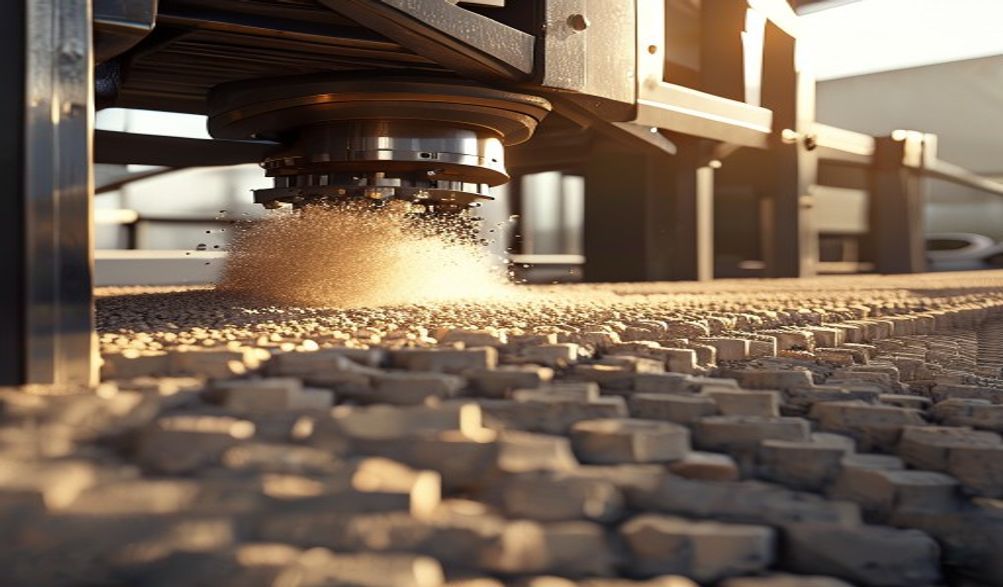
Cómo elegir una máquina para fabricar ladrillos de arena: Guía de compra experta para 2026
Elegir la máquina de hacer ladrillos incorrecta puede costarte miles en pérdidas de producción, materiales de baja calidad y costosos tiempos de inactividad. Es una decisión de alto riesgo que va mucho más allá de comparar etiquetas de precio. Como alguien que ha pasado años analizando especificaciones técnicas, visitando fábricas en tres continentes y asesorando a propietarios de bloqueras sobre sus desafíos operativos, he visto lo bueno, lo malo y lo desastroso.
Esta guía está diseñada para transformar esa decisión compleja y arriesgada en un proceso claro y viable. Iremos más allá de los folletos de ventas y nos adentraremos en los factores prácticos y a menudo pasados por alto que determinan el éxito en el mundo real. Ya seas un contratista que busca autosuficiencia, un emprendedor que inicia un negocio de fabricación de bloques, o un gerente de proyectos de una gran firma de ingeniería civil, este marco paso a paso te ayudará a evitar errores costosos e invertir con confianza.
Cubriremos de manera sistemática: la comprensión de tus necesidades centrales del proyecto, el desglose técnico de los tipos de máquinas, las especificaciones críticas a examinar, el costo total de propiedad real y cómo evaluar a fondo a los proveedores. Construyamos una base sólida para tu decisión.
Comprendiendo tus Necesidades Fundamentales y el Alcance del Proyecto
Antes de que veas una sola máquina, debes mirar hacia adentro. La máquina más cara y completamente automática es una inversión terrible si solo necesitas ladrillos para una sola casa. Esta autoevaluación es el paso más crítico, nacido de ver innumerables negocios comprar una máquina que era una solución para el problema equivocado.
Definiendo tu Materia Prima Principal: No es Solo Arena
El término "ladrillo de arena" es un poco incorrecto. La máquina debe ser compatible con la composición del suelo disponible localmente, que rara vez es arena pura.
- Composición del Suelo:El contenido de arcilla, limo y grava en su suelo afecta drásticamente la resistencia del ladrillo y el rendimiento de la máquina. Un alto contenido de arcilla proporciona una unión natural, pero puede causar adherencia. El suelo arenoso requiere una estabilización adecuada.
- Métodos de Estabilización:¿Usará tierra estabilizada con cemento (CSE), cal o ceniza volante? La fuerza de compresión requerida y el proceso de mezcla dependen de su aglutinante.
- La Regla de Oro: Siempre prueba tu materia prima real con una máquina potencial.Un proveedor de confianza ofrecerá una demostración en vivo utilizando su muestra de suelo. Nunca asuma la compatibilidad.
Calcular tu producción diaria/semanal requerida
Sé brutalmente realista aquí. Sobreestimar lleva a deudas innecesarias; subestimar deja dinero sobre la mesa.
Use this simple formula:
(Total Bricks Needed for Project / Project Timeline in Days) + 20% Buffer = Required Daily Output
- Small-Scale (e.g., personal construction, community project): 500 – 2,000 bricks per day.
- Commercial Startup: 3,000 – 8,000 bricks per day.
- Large-Scale Production: 10,000+ bricks per day.
Your output target is the primary driver for choosing between manual, semi-automatic, and fully automatic systems.
Determining the Brick Type and Size
The brick dictates the machine. Know your market demand or project specifications.
- Tipos Comunes:
- Bloques Sólidos: For heavy-load bearing walls.
- Bloques Huecos: Lighter, with better insulation; the most common for construction.
- Bloques de Interconexión: For mortar-less construction, excellent for cost and speed.
- Adoquines:Para jardinería, entradas de vehículos y pavimentos.
- Punto clave: The mold determines the brick. Ensure your chosen machine offers (or can be fitted with) the specific mold you need and that changing molds is a practical process, not a day-long ordeal.
Types of Sand Brick Making Machines: A Technical Breakdown
This is where technical expertise matters. Each type represents a different balance of capital, labor, and output.
Manual or Hand-Operated Machines
These are lever- or press-operated systems requiring significant human effort per brick.
- Pros:
- Ultra-low initial investment.
- Zero power required.
- Simple maintenance with minimal moving parts.
- Contras:
- Very low output (100-400 bricks per day).
- Physically demanding labor.
- Inconsistent brick density and quality.
- Mejor Para: Extremely tight budgets, micro-projects in remote locations without reliable electricity, or for producing specialty artistic bricks in very low volume.
Máquinas Semiautomáticas
The workhorse of the small-to-medium enterprise sector. They mechanize the pressing and ejection process but require manual feeding of raw material and removal of finished bricks.
- Pros:
- Excellent balance of cost and output (1,000 – 4,000 bricks per 8-hour shift).
- Significantly reduces labor strain compared to manual.
- Produces consistent, high-quality bricks with proper operation.
- Contras:
- Requires consistent operator attention.
- Output is limited by human cycle speed.
- Mejor Para: Most first-time commercial buyers. This category offers the best risk-adjusted return, allowing you to scale production without a massive upfront investment.
Máquinas Completamente Automáticas
These are complete production lines with automated material feeding, pressing, curing, and stacking. Often controlled by PLC (Programmable Logic Controller) systems.
- Pros:
- Very high, consistent output (8,000 – 20,000+ bricks per shift).
- Drastically reduced direct labor costs.
- Superior product consistency and programmable for different blocks.
- Contras:
- Alta inversión de capital inicial.
- Requires stable, high-capacity power supply (often three-phase).
- Complex maintenance requiring specialized technicians.
- Mejor Para: Large-scale block yards, industrial production for city-wide supply, or government infrastructure projects with massive, steady demand.
Stationary vs. Mobile Machines
- Plantas Estacionarias: Set up in a fixed location (your block yard). They are generally more robust, powerful, and efficient for high-volume, long-term production.
- Máquinas Móviles: Mounted on a trailer. The primary advantage is on-site production, eliminating brick transport costs for large, remote projects like dams or rural housing developments. They often involve trade-offs in output or automation level.
Key Machine Specifications and Features to Scrutinize
When you have supplier brochures in hand, look past the marketing. These are the technical details that separate durable assets from problematic liabilities.
Production Capacity (Bricks Per Hour/Day)
- Manufacturer Claims vs. Reality: A spec sheet may say “3,000 bricks per day.” Ask: Under what conditions? Is that with a perfect crew, ideal material, and no breaks? Seek out user reviews or videos for real-world validation.
- Cycle Time is King: The time per brick cycle (fill, press, eject) is a more reliable indicator than a daily estimate. A faster cycle time means higher potential output.
Pressure System: Hydraulic vs. Mechanical
The pressure system defines your brick’s compressive strength.
- Sistemas Hidráulicos: Use fluid power to generate immense, consistent pressure (measured in tons or MPa).
- Ventaja: Produces denser, stronger, more uniform bricks. Pressure is easily adjustable.
- Consideración: More complex, requires maintenance of seals and hydraulic fluid, and is typically more expensive.
- Sistemas Mecánicos: Use cams, flywheels, or levers to generate impact force.
- Ventaja: Often simpler and cheaper to maintain.
- Consideración: Can be noisier, may deliver less consistent pressure, and is less suited for ultra-high-strength requirements.
- Expert Verdict: For commercial-grade bricks, hydraulic systems are overwhelmingly the preferred choice due to their control and consistency.
Power Requirements (Electric, Diesel, Hybrid)
Match the engine to your infrastructure.
* Eléctrico: Clean, quiet, and efficient where grid power is stable and affordable. Requires correct voltage (often 3-phase for larger models).
* Diésel: Essential for areas with unreliable electricity. Higher fuel cost and noise, but offers complete independence.
* Híbrido (Eléctrico/Diesel): Offers flexibility but at a higher initial cost and complexity.
Mold Customization and Changeover Ease
Your business flexibility depends on this.
* Ask: How many different mold sizes/styles are included? What is the cost of additional molds?
* Crucialmente: How long does it take to change a mold? A 30-minute process is manageable; a 4-hour process kills productivity. Request a demonstration of the changeover.
Critical Components: Assessing Quality
The devil is in the details. Ask specifically about:
* Frame Steel: What grade and thickness? This dictates long-term durability and resistance to vibration.
* Hydraulic Core: What brand are the pump, cylinders, and valves? Recognizable industrial brands (e.g., Bosch Rexroth, Parker) indicate quality and easier spare parts sourcing.
* Panel de Control: Is it properly sealed from dust? Are the components (PLCs, relays) from reputable manufacturers like Siemens or Allen-Bradley?
The Total Cost of Ownership: Beyond the Price Tag
The purchase price is just the entry fee. Smart buyers plan for the full lifecycle cost.
Initial Purchase Price vs. Long-Term Value
A $10,000 machine that breaks down monthly and produces weak bricks is far more expensive than a $15,000 machine that runs reliably for years. Invest in engineering, not just metal.
Operating Costs: Power, Labor, and Maintenance
Build a simple daily operating model:
* Power/Fuel: Estimate consumption per 1,000 bricks.
* Trabajo: Factor in wages for operators and helpers.
* Consumables: Include a monthly budget for grease, hydraulic fluid, and wear parts.
Spare Parts Availability and Cost
This is a major trust test for the supplier.
* Where is their spare parts inventory located?
* What is the guaranteed delivery time for a critical part like a hydraulic pump?
* Request a spare parts price list upfront. Exorbitant part prices are a red flag for future “captive market” exploitation.
Warranty, Service, and Technical Support
Treat this as non-negotiable.
* Garantía: What is covered (parts, labor)? For how long? What voids it?
* Red de Servicios: Do they have trained technicians in your country/region? What are their response time guarantees?
* Support: Is installation and basic operator training included? Is technical assistance available via phone or video call?
Vetting the Manufacturer or Supplier
Your relationship with the supplier lasts as long as the machine. Due diligence is your shield.
Researching Company Reputation and History
- Check business licenses and years in operation. A decade in business suggests stability.
- Search “[Company Name] + reviews,” “[Company Name] + complaints,” and “[Company Name] + scam.”
- Look for industry certifications or memberships in construction equipment associations.
The Importance of Factory Visits or Live Demos
If physically possible, never buy without a live demonstration.
* See the machine actually running, preferably under load.
* Observe the factory’s organization and build quality.
* Insist on testing with your own raw material. This is the single best way to validate performance claims.
Requesting and Checking Customer References
Ask the supplier for 2-3 customer references in a similar climate and using similar materials to you. When you call, ask:
1. “What was the on-site installation and training like?”
2. “How has the machine’s reliability been over the past year?”
3. “What has been your biggest challenge with the machine or supplier?”
4. “Would you buy from them again?”
Reviewing Documentation: Manuals, Certificates, and Contracts
Before payment, ensure you receive:
* Detailed User & Maintenance Manuals (in your language).
* Electrical and Hydraulic Circuit Diagrams.
* Test Certificates for core components like hydraulic pumps.
* A Clear Sales Contract specifying the machine model, serial number, included accessories, warranty terms, delivery timeline, and payment schedule.
Frequently Asked Questions (FAQ)
What is the average cost of a sand brick making machine?
Costs vary wildly based on type and automation. As of 2026, expect broad ranges:
* Máquinas Manuales: $1,000 – $3,000
* Máquinas Semiautomáticas: $8,000 – $25,000
* Plantas Completamente Automáticas: $40,000 – $150,000+
The final price depends on configuration, brand, and shipping costs.
Can one machine produce different types of bricks (solid, hollow, interlocking)?
Yes, by changing the mold. However, ease varies. Semi-automatic machines may require a 30-60 minute mold change, while advanced fully automatic lines can have programmable changeovers. Always verify the process and cost of additional molds.
How much space is needed to install and operate the machine?
Plan for more than the machine footprint. You need space for:
* The machine itself (check dimensions).
* Raw material storage and mixing area.
* A curing area (bricks need to sit for days).
* Finished product storage.
A small semi-automatic setup might require a 1,000-2,000 sq. ft. covered yard.
What is the typical payback period for a commercial machine?
It’s highly variable. A simplified example: If a $15,000 machine produces 3,000 sellable bricks per day with a net profit of $0.10 per brick, it generates $300 daily. Ignoring operating costs for simplicity, the payback period would be roughly 50 working days. Real-world calculations must include all operating costs, market demand, and brick selling price.
What are the most common maintenance issues?
- Piezas de Desgaste: Mold liners, vibration springs, and hydraulic seals wear out and must be replaced periodically.
- Clogging: Inadequate daily cleaning leads to material buildup, affecting brick quality and damaging components.
- Hydraulic Issues: Fluid leaks or contamination from poor maintenance are common.
- Prevention: A strict daily cleaning and weekly lubrication routine, as per the manual, prevents 80% of issues.
Conclusión
Choosing the right sand brick making machine is a strategic investment that hinges on one principle: precise alignment between the machine’s capabilities and your specific project needs, budget, and operational context. There is no universal “best” machine, only the best machine for you.
From the deep technical dive, a clear recommendation emerges: for most first-time commercial buyers and small-to-medium enterprises, a well-built, hydraulic semi-automatic machine from a reputable supplier offers the optimal balance of output, quality, affordability, and manageable complexity. It allows you to prove your business model and generate revenue before scaling up.
Your action plan is simple but critical:
1. Use this guide to create your own decision checklist.
2. Contact 3-5 shortlisted suppliers with your specific output, material, and brick type requirements.
3. Ask the detailed questions outlined here and demand a live material test.
4. Prioritize total cost of ownership and supplier support over the lowest initial price.
Making an informed, disciplined choice sets the foundation for a profitable business or a successful, cost-controlled project. The right machine isn’t just a piece of equipment; it’s the engine of your growth and a contributor to building the infrastructure of your community. Choose wisely.
<