
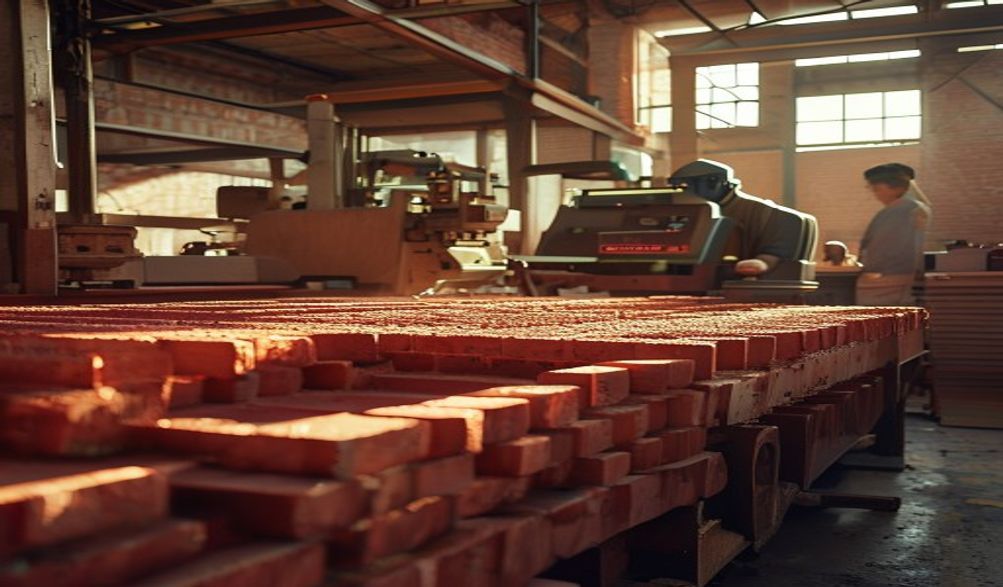
Cómo Elegir la Máquina de Hacer Ladrillos Adecuada en Pakistán: Guía del Comprador 2026
Introducción
La industria de la construcción en Pakistán es la base de su desarrollo económico, siendo los ladrillos los verdaderos bloques de construcción del progreso. Desde proyectos de viviendas residenciales hasta infraestructuras a gran escala, la demanda de ladrillos de calidad es constante y creciente. Para emprendedores y dueños de negocios, invertir en una máquina para hacer ladrillos no es solo una compra, sino una decisión clave que puede determinar el éxito y la escalabilidad de su empresa.
Sin embargo, navegar el mercado puede ser abrumador. Los compradores a menudo se sienten abrumados por un mar de opciones, confundidos por la jerga técnica y enfrentan el reto de equilibrar las limitaciones presupuestarias con la necesidad de un rendimiento confiable. El miedo a invertir en una máquina que sea de baja potencia, sobrevalorada o sin soporte es real y puede frenar los planes de negocio.
Esta guía está diseñada para eliminar la confusión. Basándonos en un análisis profundo de la industria y experiencia práctica en el mercado específico de Pakistán, ofrecemos un marco integral paso a paso. Nuestro objetivo es brindarte el conocimiento necesario para tomar una decisión informada y segura que se alinee con tus metas de producción, presupuesto y condiciones locales. Construyamos juntos la base para tu éxito.
Comprendiendo Sus Necesidades de Producción de Ladrillos en Pakistán
Antes de comparar máquinas o precios, debes tener absoluta claridad sobre tus propios requisitos operativos. Una máquina perfecta para una planta grande con sede en Lahore sería un error costoso para una pequeña startup en una zona rural. Esta autoevaluación es tu primer paso más crítico.
Escala del Proyecto y Requisitos de Producción Diaria
Su escala de producción determina directamente el tipo y tamaño de la máquina que necesita.
- Producción a pequeña escala:Esto incluye proyectos individuales para el hogar, pequeños talleres o negocios que abastecen a un vecindario local. La producción diaria puede variar de 500 a 3000 ladrillos. Aquí, suelen ser adecuadas las máquinas manuales o pequeñas semiautomáticas.
- Producción de mediana a gran escalaEsto incluye empresas comerciales, contratistas para sociedades de vivienda o negocios dedicados al suministro de ladrillos. Los requisitos de producción pueden alcanzar desde 5,000 hasta más de 20,000 ladrillos por día. Este ámbito requiere máquinas robustas semiautomáticas o totalmente automáticas.
Cómo Calcular Tus Necesidades:Estima la demanda a partir de tus contratos confirmados o proyectados. Una fórmula simple es:Ladrillos Requeridos para el Proyecto / Duración del Proyecto en Días = Producción Mínima Diaria NecesariaSiempre agregue un margen del 15-20% a este número para tener en cuenta el crecimiento y la eficiencia de la máquina.
Tipos de ladrillos que planea fabricar
Not all machines make all types of bricks. Your product line influences your choice.
- Ladrillos Macizos vs. Ladrillos Huecos: Hollow bricks are lighter and use less raw material, a key consideration for cost-sensitive projects. Ensure your chosen machine can handle the specific mold and pressure required.
- Productos Especializados: Are you targeting the landscaping market with Adoquines? The affordable housing sector with interlocking concrete blocks? Or looking to utilize industrial by-products by making ladrillos de cenizas volantes? Each product type requires specific molds and sometimes different compaction systems.
- Tamaños Estándar: In Pakistan, the standard brick size is 9″ x 4.5″ x 3″. Ensure the machine you select can reliably produce this size, along with any other dimensions you plan to offer.
Materias Primas Disponibles
The quality and consistency of your local raw materials are a major, often overlooked, factor.
- Disponibilidad Local: Assess the easy access and cost of cement, sand (fine and coarse), stone dust/crush, and potential materials like fly ash from nearby power plants.
- Material Impact on Machine Choice:
- Mix Consistency: A machine with a good forced mixing system is vital if your raw materials vary in quality.
- Contenido de Humedad: Some automatic machines are sensitive to the moisture level in the raw mix. If your sand source is inconsistent, you may need a machine that can handle a wider tolerance or invest in better raw material processing (like sieving).
Types of Brick Making Machines Available in the Pakistani Market
The Pakistani market offers a spectrum of machines, from simple hand-operated units to fully automated production lines. Understanding these categories is essential.
Máquinas Manuales para Hacer Ladrillos
These are the most basic, human-powered machines.
- Pros:
- Costo de inversión inicial muy bajo.
- No electricity or fuel required.
- Fácil de operar y mantener.
- Contras:
- Very low output (100-500 bricks per day).
- Altamente intensivo en mano de obra y físicamente exigente.
- Inconsistent brick quality due to reliance on manual compaction.
- Ideal Para: Micro-entrepreneurs, very small-scale startups with minimal capital, or for producing bricks for personal use.
Máquinas Semiautomáticas para Fabricar Ladrillos
This category strikes a balance, using mechanical force (via a motor) for vibration and compaction, but often requiring manual handling of molds or raw material feeding.
- Pros:
- Significantly higher output than manual machines (1,000 – 5,000 bricks per shift).
- Better and more consistent brick quality due to mechanical vibration.
- More affordable than fully automatic systems.
- Contras:
- Still requires a crew of 3-5 operators.
- Needs a reliable power supply (single or three-phase).
- Ideal Para: The vast majority of small to medium-sized brick-making businesses in Pakistan. They offer the best balance of cost, output, and quality for growing operations.
Máquinas para Fabricar Ladrillos Completamente Automáticas
These are complete production lines with automated material feeding, mixing, molding, compaction, and brick stacking/palletizing.
- Pros:
- Very high output (10,000+ bricks per shift) with minimal labor (1-2 supervisors).
- Exceptional and uniform brick quality.
- High efficiency and lower per-brick labor cost at scale.
- Contras:
- Inversión de capital inicial muy elevada.
- Complex maintenance requiring skilled technicians.
- Significant and consistent power requirements.
- Ideal Para: Large-scale commercial plants, industrial operations, or investors targeting major construction projects and government contracts.
Especificaciones Técnicas Clave a Evaluar
Once you know your needs and machine type, dive into the technical details. These specs separate durable, efficient machines from inferior ones.
Capacidad de Producción (Ladrillos por Hora)
Don’t just look at the brochure’s “maximum” output. Ask for the sustainable output under normal working conditions for the specific brick type you will produce. A machine rated for 2,000 bricks per hour making solid blocks might only produce 1,500 pavers per hour. Match this realistic number to your daily output target from Section 1.
Motor Power & Electrical Requirements
This is crucial for operational feasibility in Pakistan.
- Potencia del Motor: A more powerful motor (e.g., 10 HP vs. 7.5 HP) often indicates a stronger vibration system and better ability to handle dense mixes, leading to stronger bricks.
- Fuente de alimentación: Confirm if the machine runs on single-phase (common in smaller towns/workshops) or three-phase (industrial areas) electricity. This is a non-negotiable compatibility issue.
- Opciones de Combustible: In areas with frequent load-shedding, consider machines that offer a motor diésel option as a backup or primary driver. The flexibility can save your production schedule.
Machine Pressure & Vibration System
This is the heart of your brick’s strength. The machine compacts the raw mix by applying pressure and vibration to remove air pockets.
- Por qué es importante: Higher pressure and efficient vibration create denser, stronger bricks with a higher MPa (Megapascal) rating. For construction-grade bricks in Pakistan, you should be targeting a minimum compressive strength.
- Pregunta Clave: Ask the supplier about the machine’s vibration frequency and amplitude, and the hydraulic pressure (if applicable) it can apply. Request test reports or samples of bricks made by the machine to verify strength.
Mold Quality and Interchangeability
The mold defines your brick’s shape and precision.
- Material: Insist on molds made from hardened steel or high-grade alloy. Cheap, mild steel molds will wear out quickly, leading to misshapen bricks and frequent, costly replacements.
- Interchangeability: Check how easy it is to change molds on the machine. Can you switch from making a standard brick to a paver within an hour? A user-friendly mold change system adds tremendous flexibility to your product line.
- Disponibilidad Local: Ensure the supplier stocks or can easily fabricate additional molds within Pakistan. Waiting months for a mold from abroad halts production.
The Pakistani Market: Suppliers, Costs, and Logistics
Practical, localized knowledge is key to a smooth purchase and long-term operation.
Leading Local Manufacturers vs. Imported Machines
- Pakistani-Made Machines:
- Pros: Generally more affordable; spare parts are easier and faster to source; local service engineers are readily available; better understanding of local raw material conditions.
- Contras: Perceived (and sometimes real) issues with finishing and technological sophistication compared to top-tier international brands.
- Imported Machines (Primarily Chinese, some European):
- Pros: Often feature advanced technology and high production capacities; strong build quality from reputable brands.
- Contras: Significantly higher cost after import duties and taxes; lengthy delays for spare parts; potential communication barriers with overseas support; service may depend on a local agent’s capability.
Industrial Hubs: Major clusters for machinery suppliers are in Lahore (along the GT Road), GujranwalayKarachi. Visiting these hubs allows you to see multiple suppliers and machines in person.
Understanding the Full Cost Breakdown
The machine’s sticker price is just the beginning. Create a comprehensive budget:
- Machine Price: The base cost.
- Envíos y Logística: Cost to transport the machine to your site.
- Instalación y Puesta en Marcha:Algunos proveedores lo incluyen, otros cobran adicional.
- Capacitación de Operadores: Essential for efficient and safe operation.
- Customs Duties & Taxes (For Imports): This can add 30-50% or more to the CIF (Cost, Insurance, Freight) value of an imported machine. This is a critical, often underestimated cost.
After-Sales Service & Support
This is arguably the most important factor in your decision. A machine without support is a future scrap metal.
- Garantía: Demand a comprehensive warranty of at least 1 year on the machine’s core components (motor, vibration system, hydraulic parts).
- Refacciones: Ask for a list of common spare parts and confirm their availability in stock within Pakistan. How long does it take to get a replacement mold or vibration motor?
- Red de Servicios: Does the supplier have trained technicians who can visit your site for repairs? What is their typical response time?
- Questions to Ask: “Can you provide contact information for two of your existing customers I can speak to?” “What is your process for handling a breakdown?”
A Step-by-Step Selection Checklist
Follow this actionable process to methodically find your ideal machine.
Step 1: Define Your Budget (Including Hidden Costs)
Using the breakdown above, determine your total investable capital. Be realistic and include a contingency fund (10-15%) for unexpected expenses.
Step 2: Shortlist 3-5 Reputable Suppliers
Research online, ask for referrals from industry contacts, and visit trade shows. Check each supplier’s business history, physical address, and client portfolio. A factory visit is highly recommended to see their manufacturing capability.
Step 3: Request a Live Demonstration
Never buy based on a brochure or video alone. Insist on seeing the exact model (or closest equivalent) running. Even better, provide a sample of your own raw materials and have them produce bricks for you to test for strength and finish.
Step 4: Scrutinize the Warranty & Service Contract
Read the fine print. Understand what is and isn’t covered, the warranty claim procedure, and the terms of any annual maintenance contract (AMC) offered.
Step 5: Finalize Delivery, Installation, and Operator Training Terms
Get everything in writing. The final quotation and contract should explicitly state the delivery timeline, installation responsibilities, the number of operators they will train, and the duration of training.
Frequently Asked Questions (FAQ)
What is the price range for a brick making machine in Pakistan?
Prices vary enormously. A basic manual machine can start from PKR 80,000, a quality semi-automatic machine may range from PKR 500,000 to PKR 2,500,000, and a fully automatic plant can cost PKR 5 million and upwards. Always link the price to output capacity and build quality.
Can I get a loan or financing for a brick machine in Pakistan?
Yes. Many banks in Pakistan offer SME (Small and Medium Enterprise) loans and asset financing for industrial machinery. The State Bank of Pakistan often has schemes for promoting such businesses. Check with your local bank branch for specific requirements and collateral needs.
How much space and what foundation is needed for the machine?
A semi-automatic machine typically needs a covered shed of about 2,000-3,000 sq. ft. for operation and brick curing. The machine itself requires a strong, level concrete foundation (often 6-12 inches thick), the specifications for which should be provided by the supplier. Proper foundation prevents vibration damage and misalignment.
What is the typical payback period on this investment?
The payback period depends on your output, local brick selling price, and operational efficiency. A well-run, medium-scale semi-automatic plant with good market access can often see a return on investment within 12 to 24 months.
Where can I find trained operators?
Reputable suppliers include basic operator training with the machine purchase. For skilled technicians, consider hiring individuals with a mechanical background and providing further training. You can also connect with local technical and vocational training institutes (TEVTA) which may offer relevant courses.
Conclusión
Choosing the right brick making machine in Pakistan is a strategic decision that hinges on a clear understanding of your production needs, a technical evaluation of machine capabilities, and thorough vetting of local suppliers and their support networks. It’s an investment that goes beyond metal and motors—it’s an investment in the future of your business.
By following the structured approach outlined in this guide—assessing your scale, understanding machine types, scrutinizing technical specs, and prioritizing after-sales service—you move from being a vulnerable buyer to an informed partner in the purchasing process.
Before you decide, we recommend creating your project-specific checklist using the guidelines above. Then, contact at least three shortlisted suppliers with your requirements to compare detailed quotations and service offerings. This due diligence is the most valuable step you can take. With the right machine as your foundation, you are well-positioned to build a profitable and sustainable enterprise, contributing to Pakistan’s dynamic construction landscape for years to come.
<