
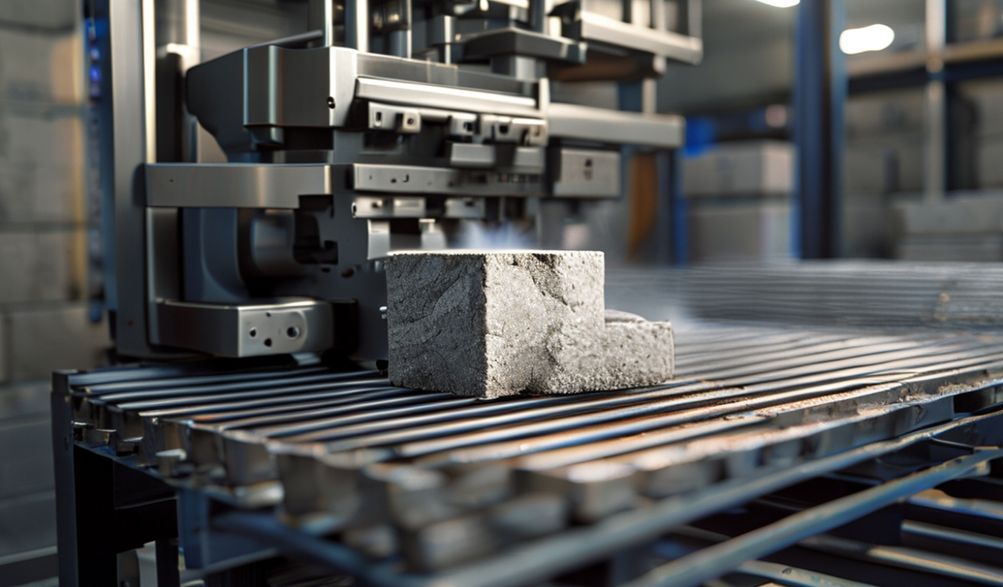
The Ultimate Guide to Hollow Brick Block Machines: Types, Benefits & How to Choose
In an era where construction efficiency and material costs are under constant scrutiny, finding a smarter way to build is not just an advantage—it’s a necessity. For builders, contractors, and entrepreneurs, the pressure to deliver durable structures on time and within budget has never been greater. Enter the hollow brick block machine: a powerful piece of industrial innovation that transforms raw, often locally-sourced materials into superior building components. Hollow blocks are the backbone of modern construction, prized for their impressive strength-to-weight ratio, excellent thermal insulation, and soundproofing qualities.
This comprehensive guide is designed to cut through the technical jargon and sales pitches. Compiled from deep industry expertise, engineering specifications, and real-world operational insights, it serves a singular purpose: to empower you. Whether you’re a builder looking to streamline your supply chain, a developer aiming for greener construction, or an entrepreneur eyeing a lucrative manufacturing venture, this resource will demystify the machinery, compare your options objectively, and provide a trustworthy framework for making a confident, informed investment. Let’s build that knowledge foundation.
What is a Hollow Brick Block Machine? Understanding the Core Technology
At its heart, a hollow brick block machine is a precision-engineered device designed to automate and standardize the production of hollow concrete blocks. These machines replace inconsistent, labor-intensive manual methods with a reliable process that ensures every block meets exact dimensional and strength specifications. Understanding the core technology is the first step in appreciating its value and making an intelligent purchase.
El Principio Básico de Funcionamiento: De Materia Prima a Bloque Terminado
The transformation from a dry mix to a solid, hollow block follows a logical, high-pressure sequence. Think of it like a high-stakes baking process, but instead of flour and water, we use cement, aggregates, and water, and the “oven” is a powerful press.
- Mezcla: The journey begins with the raw materials—typically cement, sand or fly ash, coarse aggregates (like crushed stone), and water—being blended into a homogeneous, semi-dry mix in a pan or rotary mixer. The consistency is crucial; it must be damp enough to bind but dry enough to hold its shape immediately after molding.
- Alimentación y Moldeado: This mix is fed into a hopper, which channels it into a mold box or cavity. This mold is the negative shape of your final block, complete with cores to form the hollow spaces.
- Compacting (The Critical Phase): Here’s where the magic happens. A powerful ram, driven by hydraulic pressure or mechanical vibration, compresses the mix into the mold with immense force. This compaction removes air pockets, densifies the material, and gives the block its structural integrity. The pressure is measured in KiloNewtons (KN)—a key specification.
- Expulsión y Curado: The newly formed, green block is then ejected from the mold onto a wooden or steel pallet. It’s now solid enough to be handled but hasn’t yet reached its full strength. The blocks are moved to a curing area, where they are kept moist and allowed to hydrate and harden over days, reaching their specified compressive strength.
Componentes Clave y Sus Funciones
The reliability of a block machine hinges on the quality of its core components. Here’s what to look for:
- Alimentador y Tolva: Ensures a consistent and controlled flow of raw material into the mold. A well-designed system prevents segregation and block-weight variation.
- Mold Box & Moulds: The heart of customization. High-quality, hardened steel molds (often Cr-Mn alloy) resist wear and abrasion, ensuring thousands of cycles with consistent block dimensions and smooth surfaces. Interchangeable molds allow one machine to produce different block sizes and patterns.
- Sistema Hidráulico/Neumático: The powerhouse. A robust hydraulic system (pump, cylinders, valves) provides the high, controllable pressure needed for dense, strong blocks. Its quality directly impacts machine stability, noise levels, and maintenance frequency.
- Control Panel (on automatic models): The brain of the operation. From simple relay logic to advanced PLC (Programmable Logic Controller) systems, it automates the cycle sequence, improving precision and output.
- Vibration System (on vibratory models): Uses eccentric weights on a rotating shaft to create high-frequency vibrations that help compact the concrete mix thoroughly, especially around the corners and hollow cores.
- Alimentador/Transportador de Tarimas Automates the movement of pallets in and out of the machine, which is essential for high-volume, continuous production.
Types of Hollow Brick Block Machines: Finding Your Perfect Match
Not all projects or businesses are the same, and neither are block machines. The market offers a spectrum of machines categorized by automation level, mobility, and power source. Your choice should align with your production goals, budget, and operational context.
Máquinas Manuales, Semiautomáticas y Automáticas
-
Máquinas Manuales: Operated primarily by hand levers and human labor for feeding, compacting, and block removal.
- Pros: Lowest capital cost, simple mechanics, easy to repair.
- Contras: Very high labor intensity, low output (200-500 blocks/day), inconsistent block quality.
- Ideal Para: Micro-enterprises, very remote locations with no power, or producing blocks for personal use.
-
Máquinas Semiautomáticas: A balanced middle ground. Key processes like compaction and ejection are powered (hydraulic/mechanical), but material feeding and block removal may be manual or require operator initiation.
- Pros: Significant reduction in labor compared to manual machines, good output (1,000 – 4,000 blocks/8-hour shift), reasonable investment cost.
- Contras: Still requires a steady crew, output is limited by human speed.
- Ideal Para: Small to medium-sized construction firms, startups in block manufacturing, and regional suppliers.
-
Máquinas Completamente Automáticas: The pinnacle of efficiency. These are computer-controlled production lines with automatic material batching, feeding, molding, compaction, block ejection, pallet handling, and stacking.
- Pros: Maximum output (5,000 – 20,000+ blocks/shift), minimal labor (1-2 operators), exceptional consistency and quality, highest long-term profitability.
- Contras: High initial investment, requires more space and stable power, needs technical knowledge for maintenance.
- Ideal Para: Large-scale block manufacturing plants, industrial construction projects, and entrepreneurs targeting major supply contracts.
Máquinas Estacionarias para Hacer Bloques vs. Máquinas Móviles para Bloques
- Máquinas Estacionarias: These are fixed installations, typically heavy and robust, designed for high-volume production in a dedicated yard or factory.
- Aplicación: Centralized production where blocks are manufactured and then transported to multiple construction sites.
- Máquinas de Bloques Móviles: Mounted on a trailer or truck chassis, these machines can be driven directly to a construction site.
- Aplicación: Ideal for large, long-duration projects (like dams, remote housing developments) where producing blocks on-site eliminates transport costs and damage. They often use the local soil (stabilized with cement) as the primary raw material.
By Power Source: Hydraulic, Mechanical, and Press-Based Systems
- Sistemas Hidráulicos: Use fluid pressure to generate immense, controllable force.
- Pros: Very high and consistent compaction pressure, quieter operation, smoother action, can handle a wider variety of mix designs.
- Contras: Generally more expensive, requires maintenance of hydraulic fluid and seals.
- Mechanical/Vibratory Systems: Use a motor-driven eccentric shaft to create compaction through vibration.
- Pros: Often lower cost, simpler design, excellent for fluid mixes.
- Contras: Can be noisier, may not achieve the same ultra-high densities as hydraulic presses, vibration can lead to more wear on components.
- Press-Based Systems (Egg-Laying Type): A simpler mechanism where a ram presses down on the mix. Often found in smaller, mobile, or manual machines.
- Pros: Very simple, portable, low cost.
- Contras: Lower pressure and production capacity compared to hydraulic or high-frequency vibratory systems.
Top Advantages of Using a Hollow Brick Block Machine
Investing in this technology isn’t just about buying a machine; it’s about unlocking a cascade of benefits that impact your bottom line, project quality, and environmental footprint.
Economic Benefits: Reducing Construction Costs
- Material Sovereignty: Break free from supplier price fluctuations. Use locally available and often low-cost materials like fly ash (a industrial byproduct), quarry dust, crusher sand, and volcanic pumice.
- Dramatically Lower Cost Per Block: When you factor out middlemen and transport, the per-block production cost can be 30-50% lower than purchasing from a commercial supplier.
- Reduced Wastage: Produce on demand. You manufacture only what you need for the project phase, eliminating breakage and loss during long-distance transportation and on-site handling.
Structural and Environmental Advantages
- Aislamiento Superior: The hollow cores create air pockets that provide excellent thermal insulation, reducing heating and cooling energy costs in buildings.
- Soundproofing Qualities: The mass and air gaps effectively dampen sound transmission, making hollow blocks ideal for residential partitions and urban construction.
- Reduced Dead Load: Hollow blocks are significantly lighter than solid ones, reducing the structural load on foundations and support frames, which can lead to savings in steel and concrete elsewhere in the building.
- Eco-Friendly Potential: The ability to incorporate industrial waste (fly ash, slag) and recycled aggregates promotes sustainable construction practices and can contribute to green building certifications.
Business and Operational Efficiency
- Control & Scalability: You control the production schedule, quality, and block design. You can scale production up or down based on project demands or market opportunities.
- Generación de Ingresos: A single machine can evolve from a cost-saving tool for your own projects into a profitable standalone business, supplying blocks to other builders and developers in your region.
- Faster Project Timelines: Eliminate delays caused by waiting for material deliveries. A reliable in-house supply chain keeps your project on schedule.
Factores Críticos a Considerar Antes de Comprar
This is where due diligence separates a wise investment from an expensive mistake. Move beyond glossy brochures and focus on these tangible factors.
Assessing Your Needs: Production Capacity, Block Size, and Raw Materials
Start by asking yourself:
* What is my average daily or monthly block requirement?
* What standard block sizes (e.g., 4″, 6″, 8″) and types (partition, load-bearing) do I need to produce?
* What raw materials are abundantly and cheaply available in my location? (This dictates the required machine pressure and mix compatibility).
* What is my available budget, not just for the machine, but for installation, power connection, and working capital?
Machine Specifications Deep Dive: Pressure (KN), Cycle Time, Power Requirements
- Compaction Pressure (KN): This is critical for block strength. For high-quality, load-bearing blocks using standard mixes, look for machines with a minimum of 2,000 KN. Higher pressure (3,000 KN+) allows for the use of more economical, lower-cement mixes while maintaining strength.
- Tiempo de Ciclo: How many seconds does it take to produce one block or one pallet of blocks? A shorter cycle time means higher output. Compare models directly on this metric.
- Requisitos de Energía: Ensure your facility can supply the necessary electrical power (e.g., 3-phase, 415V). Mobile or manual machines may have diesel engine options.
Quality Indicators: What Separates a Reliable Machine from the Rest
- Marco y Estructura: Look for heavy-duty, welded steel frames that can withstand constant vibration and stress without warping.
- Mold Steel: Insist on hardened alloy steel (like Cr-Mn) for molds. Mild steel will wear out rapidly, ruining block dimensions.
- Componentes Hidráulicos: Reputable brands for pumps, valves, and cylinders (e.g., Bosch Rexroth, Yuken, Parker) are a sign of reliability.
- Garantía: A manufacturer confident in their product will offer a comprehensive warranty (1-2 years minimum) on core components.
The Importance of After-Sales Service and Supplier Reputation
This is non-negotiable. A machine is a long-term asset.
* Soporte Técnico: Does the supplier provide installation supervision, operator training, and troubleshooting support?
* Disponibilidad de Refacciones: Are common wear parts (seals, mold liners, vibration mounts) readily available locally or through quick shipment?
* Supplier Due Diligence: Research the manufacturer’s history. Ask for and contact references from past customers. Visit an existing installation if possible. A reputable supplier is a partner, not just a vendor.
Operational Guide and Maintenance Best Practices
Owning the machine is half the battle; operating it correctly ensures longevity and profitability.
Step-by-Step: Setting Up and Running Your Machine Safely
- Foundation: Install the machine on a perfectly level, reinforced concrete foundation as per the manufacturer’s specifications to absorb vibrations.
- Power & Utilities: Connect to the correct power supply and ensure a clean, dry air supply for pneumatic components.
- Preparación de Materiales: Calibrate your mixer to produce a consistent semi-dry mix. The moisture content is vital.
- Test Run: Start with a few cycles without material to check all movements. Then, produce test blocks and have them tested for compressive strength at a lab.
- Safety First: Always wear safety glasses and gloves. Never place hands in the mold area during operation. Ensure all safety guards are in place.
Routine Maintenance Checklist to Maximize Machine Lifespan
- Daily: Clean the machine thoroughly after each shift, especially the mold cavity and hopper. Check hydraulic oil levels and for any leaks. Lubricate all moving points as per the manual.
- Weekly: Inspect mold components for wear. Check and tighten all bolts and nuts. Inspect hydraulic hoses for cracks.
- Monthly: Change hydraulic oil filters. Check the pressure settings on the hydraulic system. Inspect electrical connections for tightness.
Troubleshooting Common Issues
- Poor Block Strength/Blocks Breaking: Likely caused by incorrect water-cement ratio, insufficient compaction pressure, or inadequate curing. Check mix design and machine pressure settings.
- Surface Cracks on Green Blocks: Usually due to too much water in the mix or rough handling immediately after ejection. Adjust mix consistency and ensure gentle pallet transfer.
- Blocks Sticking in the Mold: Caused by worn or damaged mold liners, insufficient vibration during ejection, or a mix that is too wet. Inspect the mold, check vibration motor settings, and adjust mix.
FAQ: Your Questions About Hollow Brick Block Machines Answered
1. What is the average production output of a standard automatic hollow block machine?
Output varies widely. A good quality semi-automatic machine can produce 1,500-3,000 blocks in an 8-hour shift. A fully automatic single-pallet system can produce 5,000-8,000 blocks, while large multi-pallet plants can exceed 15,000 blocks per shift.
2. What raw materials can I use with a hollow brick machine?
The most common are Portland cement, sand (or fly ash as a partial replacement), coarse aggregates (crushed stone under 10mm), and water. Many machines can also utilize industrial by-products like slag, bottom ash, and even certain types of stabilized soil.
3. How much space and what kind of foundation is required for installation?
You need space for the machine, raw material storage, a mixing area, a curing area (which is the largest), and finished block storage. For the machine itself, a reinforced concrete foundation of at least 300mm thickness is standard to provide stability and dampen vibrations.
4. What is the approximate return on investment (ROI) period for such a machine?
ROI depends on local block prices, production volume, and operational efficiency. For a small to medium semi-automatic setup serving a steady market, a ROI period of 12 to 24 months is commonly achievable.
5. Can one machine produce different sizes and shapes of hollow blocks?
Yes, absolutely. This is a key feature. By purchasing interchangeable mold sets, a single machine can produce standard hollow blocks, solid blocks, paving slabs, kerbstones, and even designer landscape blocks.
6. How important is the curing process, and what methods are recommended?
Curing is critical to achieving the published compressive strength. Proper curing keeps the blocks moist, allowing the cement to fully hydrate. Methods include:
* Water Sprinkling: Covering stacks of blocks with tarpaulin and sprinkling them with water 2-3 times a day for 7-14 days.
* Steam Curing: In factory settings, blocks are placed in a curing chamber and exposed to steam heat, accelerating strength gain to within 24 hours.
Conclusión
Choosing the right hollow brick block machine is a significant decision that sits at the intersection of technical understanding and strategic business planning. It’s an investment not just in a piece of equipment, but in greater control over your construction costs, project timelines, and material quality. From the fundamental technology and diverse machine types to the compelling economic and structural advantages, the potential for transformative impact is clear.
The path to a successful investment is paved with diligent research, an honest assessment of your own needs, and a relentless focus on machine quality and supplier reputation. This guide has equipped you with the framework to evaluate specifications, ask probing questions, and distinguish between marketing claims and genuine value.
Armed with this knowledge, you are now prepared to engage with suppliers confidently, request detailed quotations based on your specific requirements, and ultimately, select a machine that will serve as a reliable and profitable partner for years to come. Your next step is to turn this understanding into action.
<