
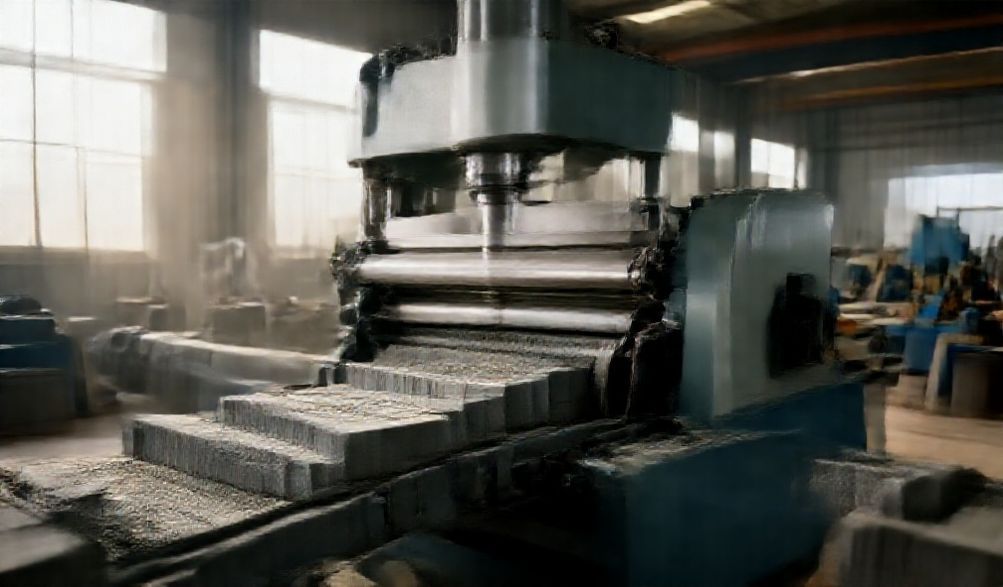
La Guía Definitiva de Máquinas para Hacer Ladrillos de Cemento en Hyderabad (2026)
Introducción
Navegar por el bullicioso panorama de la construcción en Hyderabad requiere no solo ambición, sino también las herramientas adecuadas para el trabajo. Para constructores, contratistas y emprendedores, la elección de una máquina para fabricar ladrillos de cemento es una de las inversiones más críticas que pueden realizar. Esta guía integral se basa en años de experiencia directa en la industria y conocimiento técnico dentro del mercado de Telangana. Proporcionamos información autorizada y confiable para cortar el ruido.
El horizonte de Hyderabad es un testimonio de crecimiento implacable. Para mantener el ritmo, los proyectos de construcción exigen una producción de ladrillos eficiente, de alta calidad y constante. La máquina adecuada es el motor de esta productividad, impactando directamente los plazos de tu proyecto, la integridad estructural y los resultados finales. Esta guía servirá como tu hoja de ruta a través del mercado específico de Hyderabad: explorando tipos de máquinas, analizando costos, identificando proveedores clave y delineando el conocimiento operativo que necesitas para triunfar. Construyamos una base sólida para tu decisión.
Comprensión de las Máquinas para Hacer Ladrillos de Cemento
Antes de invertir, es crucial comprender la tecnología que estás incorporando a tu operación. Estas máquinas están diseñadas para reemplazar el trabajo manual inconsistente con precisión y potencia.
¿Cómo Funcionan las Máquinas para Hacer Ladrillos de Cemento?
En esencia, estas máquinas automatizan y perfeccionan el antiguo proceso de formación de ladrillos mediante fuerza y vibración controladas.
- El Proceso:Una mezcla precisa de materias primas—cemento, arena (a menudo arena Robo de origen local) y polvo de piedra o agregado—se introduce en una caja de molde.
- Compactación y Conformación:La máquina emplea entonces una combinación de vibración de alta frecuencia y una inmensa presión hidráulica (medida en toneladas) para compactar la mezcla. Esta acción dual elimina las bolsas de aire y garantiza una densidad uniforme en todo el ladrillo.
- Expulsión:El ladrillo recién formado y sólido es luego expulsado del molde, listo para el curado. Este proceso mecanizado garantiza que cada ladrillo tenga dimensiones idénticas y una resistencia a la compresión superior en comparación con los métodos tradicionales.
Tipos de Máquinas Disponibles en el Mercado de Hyderabad
Los centros industriales de Hyderabad, como Jeedimetla y Balanagar, albergan proveedores que ofrecen una gama de máquinas para adaptarse a cualquier escala de operación.
- Máquinas Manuales para Fabricar Ladrillos:Estas son máquinas de palanca o hidráulicas simples que requieren un esfuerzo humano significativo para mezclar y moldear. Representan el punto de entrada más rentable, adecuadas para proyectos a muy pequeña escala o necesidades de construcción rural.
- Máquinas Semiautomáticas:El punto ideal para muchos negocios con sede en Hyderabad. Estas máquinas eléctricas manejan automáticamente la compactación y el moldeo críticas, pero pueden requerir alimentación manual de materia prima o remoción de los ladrillos terminados. Ofrecen un excelente equilibrio entre producción (típicamente de 800 a 2500 ladrillos por hora) e inversión.
- Plantas de Fabricación de Ladrillos Completamente Automáticas:Estas son líneas de producción diseñadas para la fabricación comercial de ladrillos a gran escala. Automatizan todo el proceso, desde la alimentación y mezcla de materias primas hasta el moldeado, apilado y, a veces, incluso el curado. La inversión es considerable, pero el rendimiento y el ahorro de mano de obra son transformadores.
- Máquinas de Ladrillos Móviles:Una opción versátil para grandes sitios de construcción. Estas unidades pueden ser remolcadas hasta la ubicación del proyecto, permitiendo la producción in situ que reduce drásticamente los costos de transporte y los retrasos logísticos.
Principales beneficios de utilizar una máquina de ladrillos de cemento en Hyderabad
Invertir en esta maquinaria no se trata solo de comprar equipo; se trata de asegurar una ventaja competitiva adaptada al dinámico mercado de Hyderabad.
Inigualable Consistencia y Fuerza
La producción manual de ladrillos es propensa a errores humanos, lo que lleva a variaciones en tamaño y densidad. Una máquina elimina esto.
- Produce ladrillos con forma y dimensiones uniformes, lo que acelera el trabajo de albañilería y reduce el uso de mortero.
- La presión hidráulica controlada garantiza que cada ladrillo cumpla o supere los requisitos necesarios.IS codes (like IS 2185 for concrete masonry units), providing the structural strength essential for Hyderabad’s multi-story buildings and infrastructure.
Significant Cost and Time Savings
Time is money, especially in a fast-growing city.
- Reducción de la Dependencia Laboral: One semi-automatic machine can replace a large team of manual laborers, mitigating rising labor costs and availability issues.
- Faster Construction Cycles: With a reliable supply of bricks on-demand, your projects face fewer delays. You control your production schedule, not external suppliers.
Eco-Friendly and Sustainable Production
Align your operations with modern green building practices.
- These machines can efficiently utilize local industrial by-products like fly ash (from thermal plants) and stone crusher dust.
- The process minimizes material waste through precise batching.
- It supports sustainable construction initiatives in Telangana by reducing the environmental degradation associated with traditional clay brick kilns.
How to Choose the Right Machine in Hyderabad
This decision hinges on a clear assessment of your needs and a sharp eye for quality. Here’s a practical, unbiased framework.
Evaluando Sus Requisitos de Producción
Start by asking yourself these key questions:
- What is my required daily or monthly brick output? (e.g., for a single project vs. running a commercial brick yard).
- Is this for personal construction use or a commercial business?
- What types of bricks do I need? Solid, hollow, paver blocks, or interlocking blocks?
- What is my available space and power connection? (3-phase vs. single-phase).
Especificaciones Técnicas Clave a Evaluar
Don’t get lost in jargon. Focus on these core specs:
- Brick Output per Hour: The primary capacity indicator. Be realistic about your needs.
- Pressure (Tonnes): Directly correlates to brick strength. For strong, load-bearing bricks, higher pressure (e.g., 60-100+ tonnes) is vital.
- Motor Power (HP): Indicates the machine’s power consumption and capability.
- Versatilidad: Can the machine produce different brick sizes and types by changing molds? This adds long-term value.
Evaluating Machine Build Quality and After-Sales Support
This is where many buyers in Hyderabad face challenges. The machine on the shop floor must endure years of tough use.
- Calidad de Construcción: Look for robust, fabricated steel frames and high-quality hydraulic components. Thicker steel and reputable brand hydraulics mean less downtime.
- Critical Local Support: A machine is a long-term asset. The availability of reliable local service, easy access to genuine spare parts, and comprehensive operator training in Hyderabad is non-negotiable. A supplier without a strong local service network can become a major liability.
Top Features to Look for in a Hyderabad Supplier
Your supplier is your long-term partner. Their credibility is as important as their product catalog.
Proven Local Track Record and Showroom
- Prioritize suppliers with a physical workshop or showroom in Hyderabad’s industrial areas.
- Insist on visiting. Seeing machines assembled and even operational in their facility demonstrates their capability and transparency.
Transparent Pricing and Comprehensive Quotations
- A trustworthy quote should be detailed, breaking down:
- Machine base price.
- Cost of optional molds for different brick types.
- Installation and commissioning charges.
- Training costs.
- GST and transportation.
- Beware of vague, all-in-one prices that hide future costs.
Client Testimonials and Site Visits
- Ask for a list of previous customers, preferably within Telangana.
- If possible, request permission to visit an existing client’s site to see the machine in operation and hear about their experience with service and support.
Investment and Cost Analysis for Hyderabad Buyers
Let’s translate this into financial planning. (Note: Prices are approximate and subject to market change. Always get current quotations.)
Price Range of Machines in the Hyderabad Market
- Máquinas Manuales: ₹ 1.5 Lakhs to ₹ 4 Lakhs.
- Máquinas Semiautomáticas: ₹ 4 Lakhs to ₹ 15 Lakhs (widely varied based on capacity and automation level).
- Plantas Completamente Automáticas: ₹ 20 Lakhs to several crores, depending on capacity and sophistication.
Calculating Return on Investment (ROI)
A simple framework to justify the investment:
- Calculate Your Current Cost: Cost of purchasing bricks + transportation + storage + wastage.
- Calculate Machine Production Cost: (Cost of raw materials per brick + electricity + labor for operation + machine depreciation/maintenance).
- Compare & Project: The savings per brick, multiplied by your annual production volume, will give you a clear picture of payback period and long-term profit.
Potential Government Subsidies or Schemes
- Investigate schemes for MSMEs or specific industrial promotion policies offered by the Government of Telangana.
- Check with organizations like the Telangana State Industrial Infrastructure Corporation (TSIIC) or local District Industries Centres for potential incentives on capital investment in manufacturing equipment.
Maintenance and Operational Best Practices
Protect your investment with disciplined care. A well-maintained machine lasts decades.
Routine Maintenance Checklist
- Daily: Clean the machine thoroughly after use, check hydraulic oil levels, inspect for loose bolts or nuts.
- Weekly: Grease all moving parts (pivots, bearings), check hydraulic hoses for wear, and inspect mold liners.
- Monthly: Change or filter hydraulic oil as per manufacturer guidelines, perform a detailed inspection of the electrical system.
Sourcing Quality Raw Materials in Hyderabad
Consistent bricks require consistent raw materials.
- Establish relationships with reliable local suppliers for cement, sand (River or Robo), and stone aggregates.
- The quality of sand (gradation and silt content) is especially critical. Test your raw material mix periodically to ensure the correct cement-sand-aggregate ratio.
Troubleshooting Common Issues
- Brick Cracking: Often caused by incorrect water-cement ratio, poor-quality sand with high silt, or insufficient curing.
- Poor Compaction/Weak Bricks: Check if hydraulic pressure is adequate, vibration motors are working, or if the raw material mix is improper.
- Machine Jamming: Usually due to overfilling the mold, foreign objects in the mix, or misalignment of components.
Frequently Asked Questions (FAQ)
What is the average production capacity of a semi-automatic machine in Hyderabad?
Typically, semi-automatic machines popular in the Hyderabad market range from 800 to 2,500 bricks per hour. The exact output depends on the model, brick size, and the efficiency of the operating crew.
Can I get a demonstration before purchasing?
Absolutely, and you should. Any reputable supplier in Hyderabad should offer a live demonstration at their workshop or a client’s site. Seeing the machine produce actual bricks is the best way to judge its performance and build quality.
Are the bricks produced strong enough for Hyderabad’s construction standards?
Yes. Machines using proper hydraulic pressure (generally above 60 tonnes) produce bricks with compressive strength that easily exceeds standard IS codes. These bricks are fully suitable for load-bearing walls in residential, commercial, and infrastructure projects across the city.
What is the expected lifespan of a brick making machine?
With proper maintenance and operation, a well-built machine from a quality supplier can have a productive lifespan of 10 to 15 years or more. The key factor is the initial build quality—thicker steel and branded components last significantly longer.
Do suppliers provide installation and training?
Reputable suppliers in Hyderabad always provide installation, commissioning, and hands-on training for your operators as part of the purchase. Confirm this explicitly in your agreement. Lack of training is a red flag.
Conclusión
Investing in a cement bricks making machine in Hyderabad is a strategic move that places control, quality, and profitability directly in your hands. It’s a decision that aligns with the city’s ambitious growth trajectory. Success hinges on thorough research, a clear understanding of your production needs, and, most importantly, partnering with a credible supplier known for robust machinery and unwavering after-sales support within the Telangana region.
Ready to Explore Your Options? We recommend shortlisting 2-3 established suppliers with a strong Hyderabad presence. Visit their facilities, witness live demonstrations, and ask detailed questions about capacity, warranty, and the structure of their service support. This due diligence is the final, crucial step in securing not just a machine, but a valuable business asset that will deliver returns for years to come.
<