
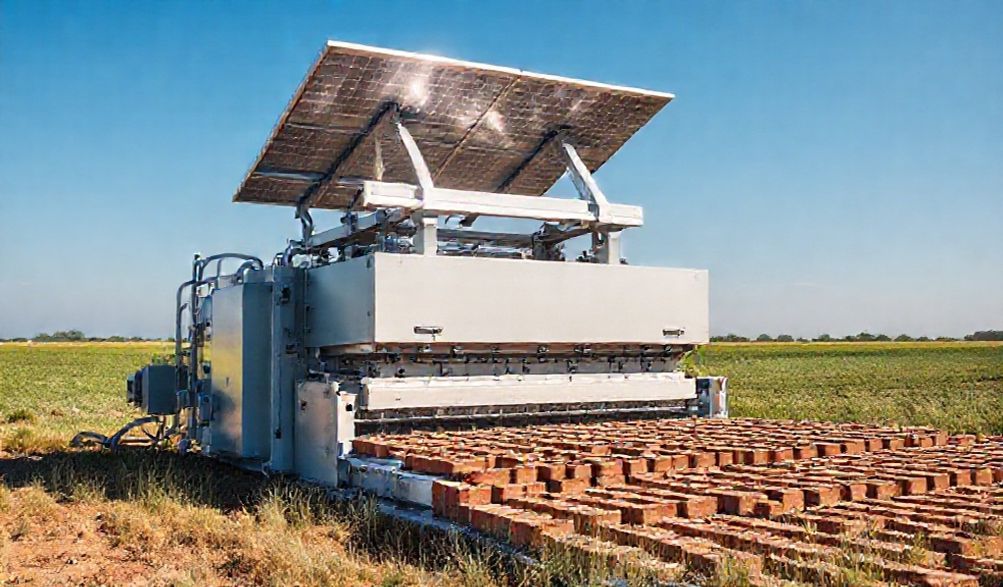
The Complete Guide to Solar Brick Making Machines: Eco-Friendly & Cost-Effective Construction
The global construction industry faces a paradox. It must build the equivalent of an entire New York City every month to house our growing population, yet it is responsible for nearly 40% of the world’s carbon emissions. At the heart of this challenge lies a humble building block: the brick. Traditional fired clay brick manufacturing is an energy-intensive process, consuming vast amounts of coal and wood, contributing significantly to deforestation and air pollution.
Simultaneously, construction costs are soaring, driven in part by volatile energy prices. For developers, builders, and entrepreneurs, this creates a dual crisis: how to build affordably without costing the earth.
Enter a transformative innovation: the solar brick making machine. This technology represents a powerful convergence of sustainable energy and practical construction, turning abundant sunlight into durable, low-cost building materials. It’s not a futuristic concept; it’s a viable, operational solution being deployed from rural Africa to suburban developments worldwide.
This comprehensive guide is built on technical analysis, industry insights, and real-world application data. Our goal is to move beyond hype and provide you with a clear, authoritative resource. By the end, you’ll understand how this technology works, its tangible benefits, what to look for in a machine, and how to assess its potential for your projects—empowering you to make an informed, strategic decision for a more sustainable and profitable build.
What is a Solar Brick Making Machine? (Defining the Technology)
A solar brick making machine is a specialized piece of equipment that uses solar photovoltaic (PV) energy to power the production of compressed bricks or blocks. It replaces grid electricity or diesel generators with a clean, renewable power source, fundamentally changing the economics and environmental footprint of brick production.
Core Principle: From Sunlight to Solid Brick
The process is an elegant marriage of solar technology and mechanical engineering:
1. Energy Capture: Solar panels (the PV array) convert sunlight into direct current (DC) electricity.
2. Energy Management: A charge controller regulates this power, directing it to either run the machine directly or charge a battery bank for storage.
3. Power Conversion: An inverter (if needed) converts stored DC power into alternating current (AC) to run a standard electric motor.
4. Mechanical Action: The electric motor drives a hydraulic pump or mechanical lever system.
5. Brick Formation: This system applies immense pressure (typically 10-20 MPa) to a prepared mixture of soil, sand, and a small stabilizer (like cement or lime) within a steel mold, creating a dense, high-strength brick in seconds.
Componentes Clave y Cómo Funcionan en Conjunto
Understanding the system’s parts is key to evaluating quality:
- Solar PV Array & Charge Controller: This is the system’s heart. The array’s size (in kilowatts, kW) determines production capacity. The charge controller is the brain, preventing battery overcharge and optimizing energy flow.
- Battery Storage System: Crucial for uninterrupted operation. Batteries (usually deep-cycle lead-acid or lithium-ion) store excess solar energy, allowing the machine to run during cloudy periods or after sunset, ensuring a full workday.
- Electric Motor & Power Transmission: A robust, efficient motor converts electrical energy into mechanical force. This is linked via belts, gears, or hydraulics to the press.
- The Brick Press/Mold Assembly: The core of the machine. It defines the brick type. High-quality, hardened steel molds ensure precise brick dimensions and smooth ejection. The compression mechanism (manual lever, mechanical, or hydraulic) defines speed and ease of operation.
- Frame and Control System: A welded, heavy-duty steel frame provides stability under high pressure. The control panel allows for easy operation, often featuring safety cut-offs and cycle controls.
Tipos de Ladrillos Producidos
These machines are versatile, capable of producing several key building products:
- Interlocking Compressed Stabilized Earth Bricks (CSEB): The flagship product for sustainability. They use on-site soil (≥70%), mixed with a small amount of cement (5-10%) and sand, compressed under high pressure. The interlocking design reduces or eliminates the need for mortar.
- Bloques de Concreto Huecos: Using a standard concrete mix (cement, sand, aggregate), these machines can produce familiar hollow blocks for conventional construction, but with solar power.
- Pavers and Landscape Products: With interchangeable molds, the same machine can produce paving stones, landscaping blocks, and decorative elements, diversifying product offerings.
Top Benefits of Adopting Solar-Powered Brick Production
Transitioning to solar brick production isn’t just an environmental statement; it’s a strategic business decision with multifaceted advantages.
Drastic Reduction in Operational Costs
The most immediate benefit is financial. Once the system is installed, your primary energy source—sunlight—is free.
* Eliminates Fuel Bills: No more diesel generator costs or reliance on unstable grid electricity, insulating your operation from volatile fuel prices.
* Bajo Mantenimiento: Electric motors and solar panels require significantly less maintenance than diesel engines—no oil changes, fuel filter replacements, or exhaust system repairs.
Significant Environmental Impact & Sustainability
This is where the technology shines as a game-changer for green construction.
* Zero Operational Emissions: The production process releases no CO2. According to the International Renewable Energy Agency (IRENA), decarbonizing industries like construction is critical for climate goals.
* Localized, Low-Impact Materials: CSEBs prioritize locally sourced soil, minimizing transportation emissions and the environmental degradation caused by topsoil removal for clay bricks.
* Eficiencia de Recursos: It uses significantly less water than fired clay or wet concrete methods and reduces the high cement content associated with traditional concrete blocks.
Energy Independence and Operational Reliability
This benefit is particularly powerful for certain contexts.
* Off-Grid Viability: Enables brick production in remote areas without electrical infrastructure, unlocking local construction and economic development.
* Business Continuity: Immunity from grid blackouts or fuel supply disruptions ensures consistent production schedules, a major advantage for project timelines.
Supporting Green Building Certifications & CSR Goals
Using solar-made bricks directly contributes to recognized sustainability metrics.
* Certification Points: Materials like CSEBs can contribute to multiple credits in systems like LEED (Leadership in Energy and Environmental Design) or BREEAM, covering recycled content, regional materials, and low-emitting materials.
* Valor de Marca Mejorado: For construction firms, adopting this technology demonstrates tangible commitment to Corporate Social Responsibility (CSR), appealing to eco-conscious clients and stakeholders.
Key Features to Look for in a Quality Machine
Not all solar brick machines are created equal. Here are the critical specifications to scrutinize.
Solar System Specifications & Efficiency
The energy system must be correctly sized for reliable operation.
* Matched Components: The solar array (e.g., 3kW, 5kW), battery bank capacity (e.g., 10kWh), and inverter must be engineered to meet the peak power demand of the brick press motor for a full workday.
* Hybrid Readiness: A quality system may offer a hybrid inverter, allowing seamless switching to grid power as a backup, ensuring zero downtime in all conditions.
Production Capacity & Brick Specifications
This defines the machine’s output and capability.
* Tasa de Producción: Look for a realistic “bricks per hour” or “bricks per 8-hour day” figure. Manual machines may produce 300-500 bricks/day, while automated hydraulic systems can exceed 2000.
* Brick Strength & Versatility: The machine should produce bricks with a compressive strength suitable for load-bearing walls (often 7 MPa and above, exceeding many local standards). Adjustable mold systems for different brick sizes (e.g., 230x110x75mm) and types (solid, interlocking) add tremendous value.
Build Quality, Durability, and Safety
This ensures longevity and protects your investment.
* Construcción Robusta: The frame should be made of thick, welded structural steel. Hydraulic cylinders must be from reputable brands, and all moving parts should use high-grade bearings.
* Safety First: Essential features include emergency stop buttons, protective guards on pinch points, and pressure relief valves on hydraulic systems.
Ease of Use, Mobility, and After-Sales Support
These factors determine real-world usability.
* User-Centric Design: Clear controls, easy mold-changing mechanisms, and optional portability (wheel-mounted frames) are significant advantages.
* Comprehensive Support: The manufacturer should provide detailed operational manuals, video tutorials, and on-site or virtual training. A clear warranty (1-2 years on mechanical parts, 25-year panel performance warranty), readily available spare parts, and accessible technical support are non-negotiable for a smooth operation.
Implementing Your Solar Brick Machine: A Practical Guide
Success requires careful planning and execution. Here’s a roadmap from setup to production.
Site Assessment and Solar Potential Analysis
Before purchase, evaluate your location.
* Sunlight Hours: Use tools like PVWatts Calculator from NREL to estimate average daily solar irradiance at your site. A minimum of 4-5 peak sun hours is typically recommended.
* Space & Placement: Ensure you have clear, unobstructed space (rooftop or ground) for the solar array and a level, solid foundation for the machine, preferably under a shed for weather protection.
Raw Material Preparation and Mix Design
Brick quality starts with the mix.
* Pruebas de Suelo: Conduct simple field tests (drop, ribbon, sedimentation) to classify your soil. Ideal soil has a good mix of sand, silt, and a small amount of clay.
* Diseño de Mezcla Estandarizado A common starting mix is 75% soil, 15% sand, and 10% cement. Water content is critical—the mixture should hold its shape when squeezed without crumbling or dripping.
* Curado: After compression, bricks must be cured under plastic sheeting or by light sprinkling for 14-28 days to achieve full strength, a process that requires minimal energy.
Step-by-Step Operational Process
A typical production cycle is straightforward:
1. Prepare Raw Materials: Sieve soil to remove stones and organic matter.
2. Mix Dry Components: Combine soil, sand, and stabilizer (cement/lime) thoroughly.
3. Add Water: Gradually add water to achieve the optimal moisture content.
4. Load & Press: Place the mixture into the machine’s mold chamber and activate the press cycle.
5. Eject & Stack: Remove the freshly pressed brick and stack it on pallets for curing.
6. Cure: Keep the stacked bricks moist and covered for the required period.
Calculating Your Return on Investment (ROI)
A simplified framework helps justify the investment.
* Upfront Cost: Include the machine, solar system, delivery, and initial training.
* Ongoing Savings: Calculate monthly savings from eliminated diesel/grid electricity costs. Factor in reduced maintenance costs.
* Additional Revenue: Consider the potential to sell bricks at a premium due to their “green” label, or the value of achieving project certification goals.
* Período de Recuperación de la Inversión: Divide the total upfront cost by your monthly savings. For operations with high energy costs, payback can often be achieved in 2-4 years, after which you produce bricks at a drastically lower marginal cost.
Addressing Common Challenges and Solutions
Awareness of potential hurdles allows for effective planning.
Managing Production on Cloudly Days or at Night
Challenge: Solar intermittency can disrupt production schedules.
Solución: This is precisely why battery storage is critical. A properly sized battery bank (e.g., 2-3 days of autonomy) ensures continuous operation. Hybrid systems that can connect to the grid as a backup provide ultimate reliability.
Ensuring Consistent Brick Quality
Challenge: Variations in raw material composition or moisture can lead to inconsistent bricks.
Solución: Implement strict quality control protocols. Use measured containers (buckets, wheelbarrows) for batching, invest in a simple moisture meter, and conduct regular compressive strength tests on sample bricks. Consistency in process leads to consistency in product.
Initial Investment and Financing Options
Challenge: The higher upfront cost compared to a basic manual or diesel-powered machine.
Solución: Frame the purchase as a long-term energy investment. Explore:
* Green Financing: Loans with favorable terms for renewable energy equipment.
* Government Subsidies: Many regions offer grants, tax credits, or rebates for solar technology adoption.
* Supplier Financing: Some manufacturers offer lease-to-own or installment payment plans.
* Clear Payback Analysis: A well-documented ROI calculation makes the business case clear to financiers or partners.
Frequently Asked Questions (FAQ)
Q1: Can a solar brick machine work completely off-grid?
A: Absolutely. In fact, that’s one of its primary strengths. A system designed with sufficient solar panel capacity and battery storage can operate independently of any electrical grid, making it ideal for remote construction sites, rural development projects, and disaster relief housing.
Q2: What is the typical lifespan of a solar brick making machine?
A: The mechanical press component, with proper maintenance, can last 10-15 years or more. The solar panels themselves typically come with a 25-year performance warranty, guaranteeing a certain output level over decades. Batteries are the consumable component, with deep-cycle lead-acid batteries lasting 5-7 years and lithium-ion batteries lasting 8-12 years before needing replacement.
Q3: How strong are bricks made with a solar-powered machine?
A: When produced correctly, they are very strong. Compressed Stabilized Earth Bricks (CSEB) can consistently achieve compressive strengths between 7 and 10 MPa (1000-1450 PSI), which is more than adequate for one and two-story load-bearing construction as per many international building codes. Strength is a direct function of the mix design, compression pressure, and proper curing.
Q4: Is technical expertise needed to operate and maintain the machine?
A: Basic operational training is sufficient for daily use. The process is more procedural than highly technical. Routine maintenance involves checking hydraulic fluid levels, tightening bolts, keeping the machine clean, and ensuring solar panels are free of dust. Reputable suppliers provide comprehensive training covering both operation and basic troubleshooting.
Q5: What is the approximate price range for a commercial-scale solar brick machine?
A: Prices vary significantly based on automation level and production capacity. A semi-automatic system with a full solar setup can range from $15,000 to $30,000. Fully automatic, high-output hydraulic machines with large solar arrays can range from $40,000 to $70,000+. It’s crucial to obtain detailed quotes that include the complete system (machine, solar panels, batteries, inverter) and are based on your specific daily production targets.
Conclusión
The solar brick making machine is more than just a piece of equipment; it’s a paradigm shift for the construction industry. It directly addresses the twin imperatives of our time: the need for affordable, scalable building solutions and the urgent demand for sustainable, low-carbon practices. By harnessing free solar energy to transform local earth into durable building blocks, this technology offers a path to energy independence, reduced environmental impact, and improved project economics.
As the world accelerates its transition to renewable energy, integrating solar power into material production is a logical and impactful step. The future of construction will be defined by such innovations that close the loop between resource use, energy, and final product.
Before making a decision, we strongly advise consulting with structural engineers familiar with earth-based construction and engaging directly with reputable manufacturers. Request detailed technical specifications, ask for verifiable case studies and client testimonials, and if possible, witness a live demonstration. A pilot project can be an excellent way to validate the technology for your specific context.
The foundation of a greener, more resilient built environment is being laid today. With a solar brick making machine, you have the opportunity to be part of building that future—one sustainable brick at a time.
<