
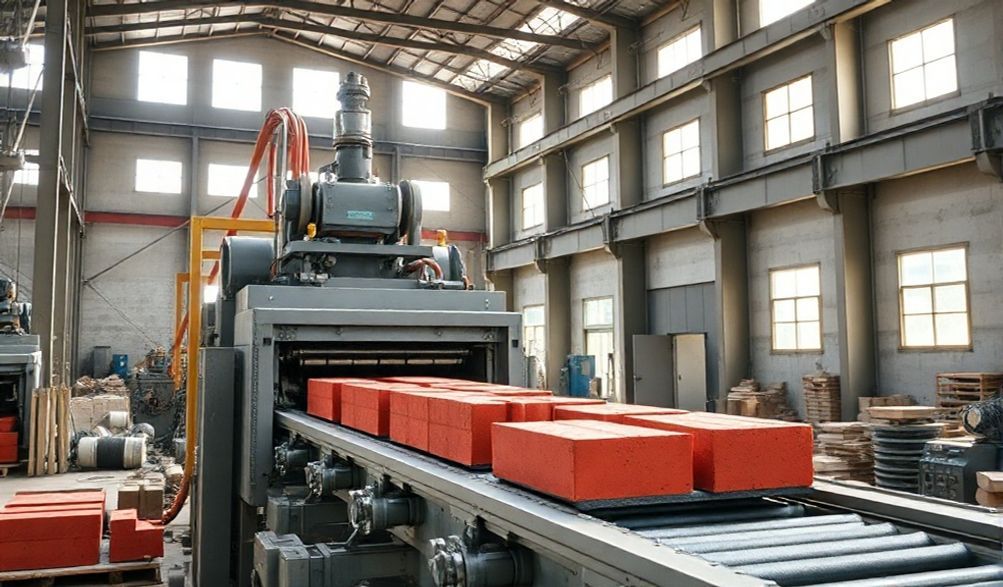
The Ultimate Guide to Buying a Brick Making Machine in the USA (2026)
Introducción
A quiet revolution is reshaping the American landscape. From large-scale infrastructure projects to custom home builds and community-driven developments, there’s a growing demand for durable, locally-sourced building materials. At the heart of this movement is a powerful tool: the modern brick making machine USA.
For businesses, contractors, and even ambitious DIY innovators, the traditional model of sourcing bricks—relying on distant manufacturers, complex supply chains, and fluctuating costs—presents significant challenges. High procurement expenses, long lead times, and limited customization can stifle projects and erode margins.
But what if you could produce high-quality bricks on-demand, tailored to your exact specifications, and at a fraction of the cost? This guide introduces the brick making machine as that versatile, efficient solution. We’ll cut through the complexity to provide a clear roadmap for making a smart investment.
Esta guía está construida sobre una base deE-E-A-T:
* Experiencia: Synthesizing insights from conversations with equipment operators, plant managers, and U.S. distributors.
* Experiencia: Grounded in technical specifications, market analysis, and operational best practices specific to the American context.
* Autoridad: Information references established industry standards (like ASTM) and reputable U.S. manufacturers.
* Confianza: Our goal is balanced, practical advice to help you make a confident, informed decision—free from industry hype.
Whether you’re exploring a new business venture or seeking greater control over your construction material supply, this comprehensive guide will walk you through the types of machines available, key purchasing factors, top brands, and the complete journey from research to profitable operation.
Comprensión de las Máquinas para Fabricar Ladrillos: Tipos y Tecnologías
Not all brick making machines are created equal. The right choice depends entirely on your scale, budget, and production goals. Let’s break down the core categories.
Máquinas Manuales vs. Semiautomáticas vs. Automáticas
The level of automation is your first major decision point, directly impacting cost, labor, and output.
-
Máquinas Manuales:
- Inversión: Lowest upfront cost ($3,000 – $15,000).
- Trabajo:Alto. Requiere un esfuerzo físico significativo para mezclar, alimentar y moldear.
- Salida: Low (100-500 bricks per day). Ideal for very small-scale projects, DIY enthusiasts, or prototyping.
- Mejor Para: Community projects, custom architectural elements, small landscaping jobs, or startups testing the market.
-
Máquinas Semiautomáticas:
- Inversión: Moderate ($25,000 – $80,000).
- Trabajo: Medium. Machine handles core compression/vibration, but operators feed material and remove finished bricks.
- Salida: Medium (1,000 – 5,000 bricks per day). A sweet spot for growing businesses.
- Mejor Para: Small to medium-sized enterprises (SMEs), block yards, contractors undertaking large projects, and municipal operations.
-
Máquinas Completamente Automáticas:
- Inversión: High ($100,000 – $500,000+).
- Trabajo: Low. Computer-controlled systems manage material batching, molding, curing, and stacking with minimal human intervention.
- Salida: High (10,000 – 30,000+ bricks per day). Designed for continuous, high-volume production.
- Mejor Para: Large-scale commercial plants, industrial suppliers, and major construction firms supplying regional markets.
Core Machine Types by Output
Beyond automation, machines are designed for different production environments.
-
Máquinas de Bloque Estático: These are the workhorses of large-scale production. Installed in a fixed factory setting, they are often part of a complete plant with conveyor systems, pallet feeders, and automated curing racks. They prioritize maximum output and consistency.
-
Máquinas de Bloques Móviles: Also known as “block makers on wheels,” these units bring production directly to the job site. This eliminates the massive cost and carbon footprint of transporting heavy bricks. They are perfect for large, remote construction projects like housing developments or commercial complexes.
-
Egg-Laying Machines: A specific type of mobile machine. After molding the brick, it literally “lays” it directly onto a level ground surface in rows, much like a chicken laying an egg. This eliminates the need for pallets, simplifying on-site production further.
Key Technologies and Processes
Understanding the core technology ensures you buy a machine capable of producing strong, code-compliant bricks.
- Vibración y Compresión: Quality machines use high-frequency vibration combined with substantial hydraulic or mechanical pressure to consolidate the raw material (concrete mix). This removes air pockets and ensures maximum density, which directly translates to the brick’s compressive strength and durability.
- Hydraulic vs. Mechanical Systems: Hydraulic systems offer more controllable pressure and are generally quieter and more durable for intensive use. Mechanical systems can be simpler and less expensive but may have more wear parts.
- Proceso de Curado: Freshly molded “green” bricks gain strength through curing. While natural air drying is common, advanced setups use steam curing chambers to accelerate the process (achieving strength in 24 hours versus 28 days), dramatically increasing production turnover.
Key Factors to Consider Before Buying in the USA
Choosing the right brick making machine in the USA requires a careful audit of your needs and local conditions. Here are the critical factors to weigh.
Capacidad de Producción y Especificaciones de Producción
Don’t just buy the biggest machine you can afford. Match it to your realistic demand.
* Ladrillos por Hora/Día: Calculate based on your business plan or project needs. Always factor in a buffer for growth.
* Versatilidad del Molde: Can the machine easily switch molds? Consider demand for different products: standard hollow blocks, solid bricks, paving stones, interlocking landscape blocks, or specialty architectural shapes.
* Brick Dimensions: Ensure the machine can produce sizes that are standard and in-demand in your local U.S. market (e.g., 8x8x16 inch concrete blocks).
Compatibilidad de Materias Primas
Your local material availability should guide your machine choice.
* Concrete Mix: The most common input. Ensure you have reliable access to cement, aggregates (sand, gravel), and potential additives like cenizas volantes (a plentiful by-product from U.S. coal plants) or slag, which can improve quality and reduce cost.
* Bloques de Tierra Comprimida (BTC): For sustainable building, some machines can use stabilized soil. This requires specific soil composition tests and is subject to regional building code approvals.
Power Requirements & Operational Costs
The sticker price is just the beginning. Understand the ongoing costs.
* Eléctrico: Most industrial semi- and fully-automatic machines require 3-phase power, which may need to be installed at your site. Smaller units might run on standard single-phase.
* Fuel: Some mobile or remote-site machines may be diesel-powered.
* Cost Per Brick: This is your key metric. Calculate: (Raw Material Cost + Labor + Energy + Maintenance) / Total Bricks Produced. A more efficient, slightly pricier machine often has a lower long-term cost per brick.
Space, Logistics, and Workforce
- Espacio: You need room for the machine, raw material storage (bulk cement silos, aggregate piles), a mixing area, and space for bricks to cure and be stored.
- Logística: How will heavy raw materials be delivered? How will finished bricks be moved and loaded? Plan for forklifts, pallet jacks, or conveyor systems.
- Workforce: Do you have or can you train personnel to operate, perform basic maintenance, and conduct quality control checks? Complex machines require skilled operators.
Top Brick Making Machine Brands and Suppliers in the USA
Navigating the supplier landscape is crucial. Here’s a breakdown of where to look.
Established American Manufacturers
These companies design and build machines domestically, often offering superior after-sales support.
* Columbia Machine: A legendary name in the global concrete products industry. Based in Washington, they are known for exceptionally durable, high-performance static and mobile plants. They represent a premium investment with unparalleled U.S.-based engineering support.
* Mejor: With over a century of history, Besser is a cornerstone of the industry. Headquartered in Michigan, they specialize in complete, high-production plant systems and are synonymous with reliability and innovation in block making technology.
Reputable International Brands with U.S. Distributors
Many top global manufacturers have established robust networks stateside.
* Zenith (Germany): A world leader with a strong presence in the Americas. Known for engineering excellence, their machines range from mobile units to fully automated turnkey plants, supported by U.S.-based parts and service centers.
* Prensoland (Spain): Highly regarded for their hydraulic press technology, offering machines for high-quality concrete paving stones and specialty products. They have dedicated distributors across the USA.
* Other Notable Brands: Companies like Concrete Equipment (USA), Hess Group (Germany)yAmmann also have significant dealer networks providing sales and support.
The Importance of Local Dealer & Service Networks
This cannot be overstated. A machine is a long-term asset.
* Soporte Técnico: When a critical component fails, can a technician be on-site within days, not weeks? Local support minimizes costly downtime.
* Spare Parts Inventory: Ensure your supplier stocks or can rapidly source wear parts like molds, mixer blades, and hydraulic seals.
* Entrenamiento: On-site training from the supplier is invaluable for ensuring safe, efficient operation from day one.
Choosing a supplier with a strong local presence is the single best way to ensure confiabilidad and protect your investment.
The Complete Buying Process: From Research to Operation
A structured approach prevents costly mistakes.
1. Research and Defining Your Needs
Solidify your business model. Are you supplying a local market, fulfilling a specific contract, or producing for your own projects? Document your required daily output, brick types, and budget. This document becomes your buying blueprint.
2. Requesting Quotes and Comparing Offers
Contact 3-5 shortlisted suppliers. Provide them with your needs document. A professional quote should include:
* Detailed machine specifications and output capacity.
* Warranty terms and coverage.
* Delivery timeline and shipping costs (FOB vs. delivered).
* Installation and commissioning fees.
* On-site operator training details.
* List of recommended spare parts.
3. Financing, Shipping, and Installation
- Financing: Explore equipment financing loans, SBA loans, or leasing options through the manufacturer or your bank.
- Shipping & Site Prep: Coordinate delivery. Ensure your site is prepared with the correct foundation, power, and material access before the machine arrives.
4. Training, Maintenance, and Safety
- Entrenamiento: Never skip this. Have all key personnel trained by the supplier on operation, safety protocols, and daily maintenance.
- Maintenance: Adhere strictly to the manufacturer’s maintenance schedule. Regular lubrication and inspection prevent major failures.
- Safety: Implement lockout/tagout procedures, ensure all guards are in place, and provide proper PPE. A safe operation is a productive one.
Financial Insights: Cost Analysis and ROI
Let’s translate this into numbers.
Breaking Down the Investment
The machine cost is one part. Remember to budget for:
* Ancillary Equipment: Mixer, loader, conveyor, curing system.
* Site Preparation: Foundation, utilities, storage sheds.
* Initial Raw Material Inventory.
* Working capital for labor and overhead until revenue flows.
Calculating Cost Per Brick vs. Market Price
Simplified Example:
* Raw Material Cost per Brick: $0.35
* Operational Cost (Energy, Labor, Maintenance) per Brick: $0.15
* Your Production Cost per Brick: $0.50
* Average Wholesale Price in Your Region: $0.85 – $1.20
* Gross Margin per Brick: $0.35 – $0.70
At a production rate of 5,000 bricks per day, the potential is clear. This model highlights why controlling production is so powerful.
Potential Revenue Streams
- Core Product Sales: Standard concrete blocks for construction.
- Custom/Architectural Products: Higher-margin paving stones, veneers, or colored blocks.
- Contract Manufacturing: Produce bricks for other builders or developers.
- On-Site Production Service: Bring your mobile plant to client projects.
Frequently Asked Questions (FAQ)
What is the average cost of a brick making machine in the USA?
Prices vary dramatically. A small manual machine can start around $5,000. A semi-automatic production unit typically ranges from $50,000 to $120,000. A fully automatic turnkey plant system can easily exceed $250,000. The final cost is driven by automation level, output capacity, and brand.
Can I make bricks that meet U.S. building codes (ASTM standards)?
Yes, absolutely. Reputable machines are designed to produce bricks that can meet standards like ASTM C90 (concrete masonry units). However, compliance is a three-part formula: 1) A capable machine, 2) Correct raw material mix design, and 3) Proper curing. You must produce samples and have them tested at a certified lab (like NRMCAoUL) to obtain a strength report for local building authority approval.
Are there any grants or incentives for buying manufacturing equipment in the USA?
Potential incentives exist but require research. Look into:
* State-Level Programs: Many states offer grants or tax credits to encourage manufacturing job creation.
* USDA Rural Development Programs: If operating in a qualifying rural area.
* Section 179 Tax Deduction: Allows immediate deduction of equipment purchase price (consult your accountant).
Start by contacting your local Small Business Administration (SBA) office or state economic development agency.
What is the typical lead time for delivery and installation?
For a standard model from U.S. stock, lead time might be 4-8 weeks. For a custom-configured machine or one shipped from overseas, expect 3-6 months. Always clarify this during the quoting process, as it impacts your project timeline.
How do I source quality raw materials locally?
Network with local ready-mix concrete suppliers, cement distributors (like LafargeHolcim, Cemex), and aggregate quarries. For fly ash, contact your local coal-fired power plant or a specialty broker. Attend regional construction material expos to build your supplier list.
Conclusión
Investing in a brick making machine in the USA is a strategic decision that places control, customization, and profitability directly in your hands. We’ve walked through the journey—from understanding the different types of machines and technologies to evaluating your needs, selecting a reputable supplier with strong local support, and planning for successful, safe operation.
The key takeaway is this: view this purchase not as a simple equipment buy, but as a capital investment in your business’s future resilience and growth. Thorough research, precise need definition, and—most critically—partnering with a reliable U.S.-based supplier are the pillars of success.
We hope this guide, built on expertise, experience, and a commitment to trustworthy information, has empowered you with the knowledge to move forward confidently in strengthening American manufacturing, one brick at a time.
Ready to take the next step? [Download our free comprehensive checklist for evaluating brick making machine suppliers and planning your operation.]
Have specific questions about your project? [Contact our network of verified industry partners for a confidential consultation.]
<