
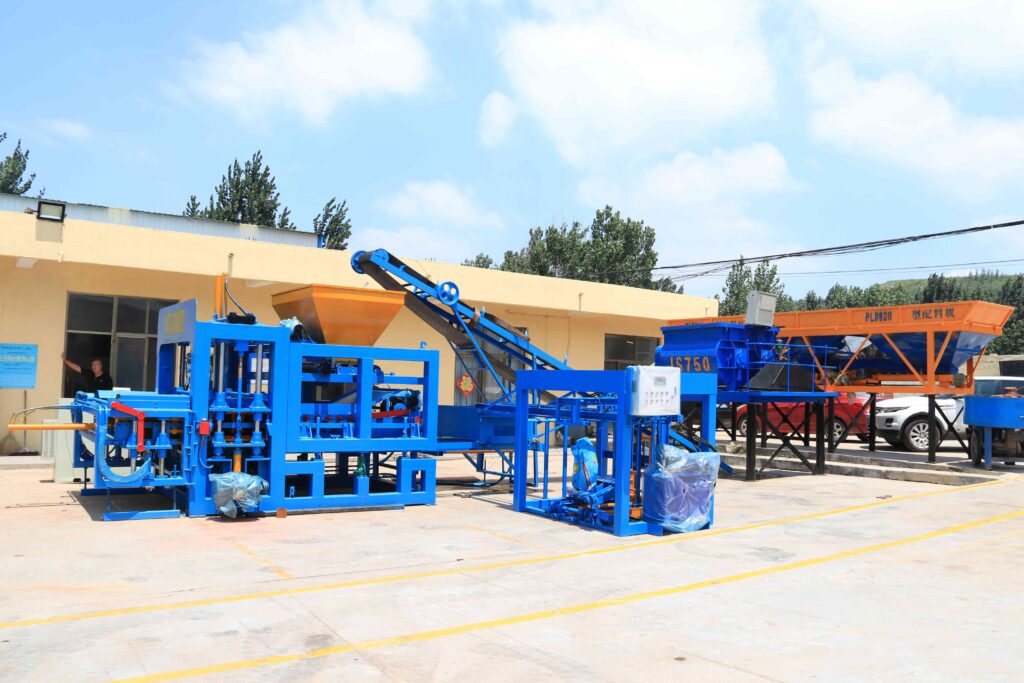
Planos de Ingeniería y Evaluación de la Calidad de Fabricación
Los planes integrales de maquinaria ofrecen una visión sin igual de la filosofía de fabricación y la calidad del producto mucho antes de que sea posible evaluar el equipo físico. Los distribuidores que utilizan la documentación como herramienta de preselección pueden identificar posibles problemas operativos e inconsistencias de fabricación en las etapas más tempranas del desarrollo de la asociación. Los esquemas de sistemas hidráulicos, por ejemplo, revelan información crítica sobre la selección de componentes, la eficiencia del diseño del circuito y los posibles desafíos de mantenimiento. La claridad de los símbolos de soldadura y los cálculos estructurales en los planos de ensamblaje del bastidor indica el compromiso del fabricante con los estándares de durabilidad y seguridad. Los diagramas de sistemas eléctricos demuestran el cumplimiento de normas internacionales y predicen la complejidad del servicio. Mediante un análisis sistemático de documentos, los distribuidores experimentados pueden pronosticar con precisión el tiempo medio entre fallos, estimar los requisitos de mano de obra de servicio e identificar posibles problemas de compatibilidad con la disponibilidad local de componentes. Este enfoque proactivo de evaluación técnica reduce significativamente los riesgos comerciales asociados con nuevas líneas de productos y asociaciones de fabricación.
Catálogo de Partes y Gestión de la Cadena de Suministro
La organización y el detalle en la documentación de repuestos impactan directamente la eficiencia de distribución y la rentabilidad del servicio posventa. Los catálogos de piezas sofisticados van más allá de simples diagramas de explosión para incorporar metadatos integrales que incluyen especificaciones de materiales, datos de intercambiabilidad y patrones de consumo. Los distribuidores que analizan esta información pueden desarrollar modelos de inventario estratégicos que optimizan la asignación de capital mientras mantienen los acuerdos de nivel de servicio. La integración de la documentación con plataformas digitales permite sistemas de reorden automático, gestión predictiva de inventario y procesos de adquisición optimizados. Además, la documentación detallada de piezas facilita la fabricación local de componentes no críticos, reduciendo las dependencias de importación y mejorando la resiliencia de la cadena de suministro. La estructura taxonómica de los sistemas de clasificación de piezas también influye en la eficiencia de la capacitación de técnicos y la reducción de errores durante las operaciones de mantenimiento, afectando directamente la satisfacción del cliente y la gestión de costos de garantía.
Implementación Estratégica en Operaciones de Distribución
Desarrollo de la Red de Distribuidores y Fortalecimiento de la Competencia Técnica
La documentación técnica sirve como base para desarrollar y mantener redes de distribuidores competentes con una calidad de servicio consistente en los distintos mercados geográficos. La accesibilidad y eficacia pedagógica de los materiales de formación influyen directamente en la velocidad y el éxito de la incorporación de nuevos distribuidores. Los distribuidores que utilizan programas de documentación estructurada reportan reducciones del 40-60% en el tiempo de puesta en marcha operativa de los distribuidores y métricas de satisfacción del cliente significativamente más altas. La organización de los manuales de servicio afecta específicamente a las tasas de éxito en las primeras reparaciones, con guías de solución de problemas secuenciadas lógicamente que reducen el tiempo de diagnóstico hasta en un 70% en comparación con los sistemas de información no estructurados. Los sistemas de identificación de piezas que incorporan tecnologías de búsqueda visual y estructuras de navegación intuitivas demuestran un rendimiento particularmente fuerte en mercados con distintos niveles de educación técnica. La calidad de la traducción y la adaptación cultural del contenido técnico impactan significativamente en la efectividad de las redes de distribución globales, ya que una documentación mal localizada resulta en un aumento de errores de servicio e incidentes de seguridad.
Apoyo a la Decisión de Adquisiciones y Planificación del Ciclo de Vida del Producto
Strategic procurement decisions increasingly rely on technical documentation analysis to evaluate long-term product viability and total cost of ownership. Equipment plans revealing modular architecture and standardization typically indicate lower lifecycle costs and better parts availability throughout the product lifespan. Documentation demonstrating comprehensive validation testing and engineering calculations provides greater confidence in product reliability and reduced warranty exposure. The integration of documentation analysis with market intelligence enables distributors to identify products with optimal feature-to-cost ratios for specific market segments. Furthermore, equipment with well-structured service information typically commands higher resale values and demonstrates stronger brand loyalty. The systematic evaluation of documentation during procurement processes allows distributors to identify potential service bottlenecks, specialized tool requirements, and training needs before inventory commitment, enabling proactive business planning and resource allocation.
Digital Transformation and Documentation Innovation
Interactive Electronic Technical Manuals and Augmented Reality Integration
The digital evolution of technical documentation represents a paradigm shift in equipment support and service delivery. Interactive Electronic Technical Manuals (IETMs) transform static information into dynamic troubleshooting systems that adapt to specific fault conditions and operator skill levels. Advanced systems incorporate diagnostic logic that guides technicians through progressive testing procedures, automatically updating probabilities of component failure based on entered symptoms. Augmented reality applications overlay schematic information directly onto physical equipment through mobile devices, reducing interpretation errors and accelerating repair processes. These digital platforms continuously capture service data, creating knowledge bases that improve with each completed repair. The integration of documentation with equipment telematics enables predictive maintenance alerts based on actual operating conditions rather than fixed schedules, significantly reducing unexpected downtime and optimizing service resource deployment.
Data Analytics and Documentation Optimization
Modern documentation systems generate valuable data streams that inform product improvement and business optimization. Usage analytics reveal knowledge gaps and comprehension challenges, guiding continuous improvement of technical content. Search pattern analysis identifies common troubleshooting paths, enabling optimization of information architecture for faster problem resolution. Parts catalog usage data combined with failure rate statistics enables sophisticated inventory optimization and identifies opportunities for design improvements. The integration of documentation access patterns with equipment telemetry creates powerful predictive models for service planning and parts demand forecasting. These analytical capabilities transform technical documentation from static information repositories into dynamic business intelligence systems that drive continuous improvement across product development, marketing, and service operations.
Economic Impact and Value Creation
Lifecycle Cost Optimization and Revenue Generation
High-quality technical documentation directly influences equipment economics throughout the operational lifecycle. Comprehensive service information reduces mean time to repair by 25-40%, significantly increasing equipment availability and customer productivity. Well-structured parts catalogs decrease incorrect part ordering by up to 60%, reducing inventory carrying costs and improving first-time fix rates. The availability of detailed operational manuals extends equipment lifespan through proper maintenance and operation, protecting residual values and supporting secondary market pricing. Furthermore, sophisticated documentation enables value-added services including customized maintenance programs, operational efficiency consulting, and performance optimization services. These services typically generate profit margins 3-5 times higher than equipment sales alone, creating sustainable revenue streams that endure throughout the equipment lifecycle.
Risk Mitigation and Compliance Management
In increasingly regulated global markets, technical documentation serves as critical evidence of compliance and due diligence. Proper documentation demonstrating adherence to international safety standards reduces liability exposure and facilitates insurance coverage. Environmental compliance documentation ensures market access in regions with stringent emissions and sustainability requirements. Maintenance records based on structured documentation protocols support warranty validation and dispute resolution. Furthermore, comprehensive documentation reduces dependence on individual technical experts, mitigating business continuity risks associated with staff turnover. The systematic organization of safety information and operational procedures directly reduces workplace incidents and associated costs, while properly documented maintenance histories significantly influence equipment resale value and financeability.
Conclusión
Technical documentation represents a sophisticated business tool that extends far beyond its traditional perception as mere assembly instructions or service guides. For equipment distributors and dealership networks, documentation quality serves as a reliable proxy for manufacturing excellence, product reliability, and long-term partnership viability. The strategic evaluation and utilization of technical information enables proactive business planning, optimized operational efficiency, and enhanced customer value creation. As construction equipment becomes increasingly complex and interconnected, documentation systems evolve into integrated knowledge platforms that drive competitive advantage throughout the equipment lifecycle. Distributors who recognize documentation as a strategic asset rather than an operational necessity will position themselves for sustainable growth in an increasingly competitive global marketplace. The integration of digital technologies with traditional documentation practices creates unprecedented opportunities for service innovation, customer engagement, and business model evolution in the construction equipment sector.
Frequently Asked Questions (FAQ)
Q1: What specific elements should distributors evaluate in technical documentation during manufacturer selection?
A: Comprehensive evaluation should assess multiple documentation components: engineering drawings must show complete geometric dimensioning and tolerancing; hydraulic and electrical schematics require standardized symbol usage and circuit protection details; parts catalogs need clear exploded views with component identification; service manuals should include structured troubleshooting guides with measured values; operational manuals must contain safety protocols in localized languages. Additionally, verify revision control systems, update frequency, and digital accessibility. Documentation demonstrating traceability between components, specifications, and maintenance procedures indicates sophisticated manufacturing processes.
Q2: How does documentation quality correlate with actual equipment performance and reliability?
A: Statistical analysis reveals strong correlation between documentation comprehensiveness and equipment reliability metrics. Manufacturers providing detailed engineering calculations typically experience 30-40% lower warranty claim rates. Equipment with structured maintenance documentation demonstrates 25-35% longer mean time between failures. Comprehensive parts identification systems reduce incorrect replacements by 50-70%. Furthermore, manufacturers investing in sophisticated documentation typically implement more rigorous quality control processes, resulting in more consistent product performance and higher customer satisfaction scores across distribution networks.
Q3: What are the implementation costs and resource requirements for digital documentation systems?
A: Implementation costs vary significantly based on system complexity and scope. Basic electronic documentation portals typically require $15,000-$45,000 initial investment plus 15-25% annual maintenance fees. Advanced systems incorporating augmented reality and interactive troubleshooting may reach $75,000-$150,000 with similar ongoing costs. Resource requirements include technical writers, graphic designers, software developers, and subject matter experts. Organizations should anticipate 3-6 month implementation timelines for basic systems and 9-18 months for comprehensive digital transformation. ROI typically achieves breakeven within 18-30 months through reduced training costs, improved service efficiency, and decreased errors.
Q4: How does technical documentation impact distributor insurance premiums and liability exposure?
A: Proper documentation significantly influences risk assessment and insurance costing. Distributors maintaining comprehensive service records and training documentation typically secure 15-25% lower liability insurance premiums. Documented safety procedures and maintenance protocols reduce workplace incident rates by 30-50%, directly decreasing workers’ compensation costs. In liability disputes, systematic documentation demonstrating proper service procedures and parts usage typically reduces settlement amounts by 40-60%. Furthermore, well-documented equipment histories improve financeability and resale value, potentially increasing recovery rates by 20-35% in repossession scenarios.
Q5: What metrics most effectively measure documentation system performance and business impact?
A: Key performance indicators should include: mean time to repair reduction percentage; first-time fix rate improvement; parts identification accuracy; training time reduction; service revenue per technician; customer satisfaction scores related to documentation clarity; and documentation utilization rates. Advanced metrics might incorporate warranty cost reduction, equipment uptime improvement, and service call reduction rates. Balanced scorecard approaches typically track 8-12 primary metrics across operational efficiency, financial impact, customer satisfaction, and organizational learning dimensions. Benchmarking against industry standards provides context for performance evaluation and improvement target setting.
