
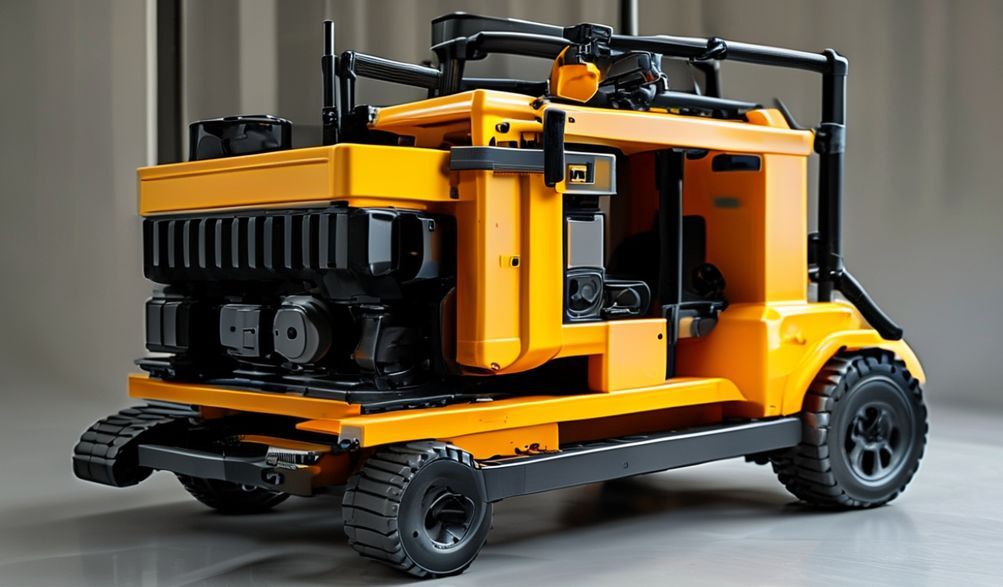
Your Ultimate Guide to Finding a Cheap Wholesale U12-15 Block Making Machine
Introducción
Launching or scaling a block production business requires smart investment, especially in core machinery. For small to medium construction firms and startups, finding a reliable yet affordable machine is the first major hurdle. The pressure to minimize upfront costs is real, but a poor purchasing decision can stall your operations before they even begin.
Enter the U12-15 block making machine—a workhorse model renowned in the industry for its balance of output and accessibility. It’s a popular choice for producing hollow blocks, solid blocks, paving stones, and curbstones, often serving as the ideal engine for medium-scale production. But in the vast online wholesale marketplace, the term “cheap” can be a dangerous lure.
This guide is designed to help you navigate that market intelligently. We’ll move beyond just finding the lowest sticker price to focus on value, reliability, and smart sourcing. The goal is to ensure your investment in a U12-15 machine builds your business for years, not becomes a costly liability. Drawing on industry procurement experience and technical analysis, this post provides a trustworthy, actionable framework for your purchasing decision.
Comprendiendo la Máquina para Hacer Bloques U12-15: Capacidades y Especificaciones
Before discussing price, it’s crucial to understand what you’re buying. This foundation separates informed buyers from those vulnerable to misleading deals.
¿Qué es una Máquina de Fabricación de Bloques U12-15?
The “U” typically stands for “Universal,” indicating versatility in block types. The numbers “12-15” often refer to its productivity. A standard interpretation is that the “12” signifies the number of standard hollow blocks (e.g., 400x200x200mm) it can produce in a single cycle, while the “15” may indicate the pressure in bar or refer to a related model variant. In essence, it’s a stationary, hydraulic or vibratory press machine that compacts concrete mix within a mold to form precise, dense blocks.
- Model Type: It is commonly available as a semi-automatic machine, though fully automatic versions exist at a higher price point. Semi-automatic means the machine handles compaction and molding, but block ejection and pallet feeding/removal may involve some manual operation.
- Salida Típica: Per cycle (which can take 15-30 seconds), it can produce approximately 10-12 standard hollow blocks or up to 15-18 solid bricks or paving stones, depending on mold configuration.
- Productos Comunes: Its versatility allows for the production of:
- Hollow blocks (4”, 5”, 6”)
- Bloques sólidos
- Adoquines entrelazados
- Bordillos
- Bloques de césped
Especificaciones Técnicas Clave a Conocer
When comparing quotes, ensure these core specs are clearly stated. Vague specifications are a major red flag.
- Requisitos de Energía: Typically operates on a standard 3-phase electrical supply (380V/50Hz or 440V/60Hz), with total power ranging from 15 kW to 22 kW, depending on the vibration system and hydraulic pump.
- Modo de Operación: Confirm if it’s semiautomático (operator-dependent for some steps) or completamente automático (programmable logic controller (PLC) manages the entire cycle, including pallet feeding and stacker).
- Sistema de Vibración: The heart of block density. Look for details on vibration motor power (e.g., 2 x 5.5 kW) and frequency. A powerful, well-isolated vibration table ensures strong, consistent blocks.
- Compatibilidad de Moldes: The machine should support easy mold changes. Verify the mold mounting system and the maximum mold dimensions it can accommodate.
- Dimensiones Generales y Peso: Critical for planning your factory layout and foundation. A U12-15 machine can weigh between 3,500 to 6,000 kg and require a significant footprint including space for operation and curing.
Ideal Applications and Production Output
This machine is not for a backyard hobbyist nor for a mega-infrastructure project. It’s perfectly scaled for:
- Small to Medium Block Manufacturing Yards: Supplying local construction projects.
- Empresas de Construcción: Producing blocks for their own housing or development projects.
- Emprendedores: Starting a block supply business with a manageable investment.
Estimated Production:
Under optimal conditions (good raw materials, efficient crew, minimal downtime), a semi-automatic U12-15 can produce:
* 8-hour shift: 2,500 – 4,000 standard blocks.
* Weekly (6 days): 15,000 – 24,000 blocks.
Remember, these are peak estimates. Real-world output depends heavily on operator skill, maintenance, and workflow.
What “Cheap Wholesale” Really Means in Block Machinery
The pursuit of “cheap” can lead to expensive mistakes. Let’s define the landscape honestly to manage expectations.
The Price Spectrum: New vs. Refurbished vs. Used U12-15 Machines
- New Machines (Direct from Manufacturer): Highest upfront cost, but includes full warranty, latest technology, and (should include) after-sales support. This is the most common “wholesale” path for a single unit.
- Refurbished/Reconditioned Machines: These are used machines that have been professionally overhauled—worn parts replaced, repainted, and tested. They offer a middle ground on price and can be excellent value if refurbished by a reputable agent with a warranty.
- Used Machines (As-Is): Lowest purchase price, but highest risk. Hidden wear, outdated components, and zero support are common. Only consider this if you have an expert on-site to inspect it or you are capable of major repairs yourself.
“Wholesale Price” vs. “Lowest Price” – A Critical Distinction
This is a cornerstone of trust-building advice. They are not the same.
* Wholesale Price: This implies a discount derived from buying in volume (e.g., multiple machines, container loads) or establishing a direct account with a manufacturer. It often includes a baseline of professional service, basic documentation, and standard warranty terms.
* Lowest Price: This is simply the bottom number on an advertisement. It may be achieved by cutting corners on materials (thinner steel, inferior hydraulics), omitting standard accessories, or coming from a supplier with no intention of providing support. In our procurement experience, a price that seems too good to be true almost always is.
Hidden Costs to Calculate in Your Budget
The machine’s invoice is just part of the story. A responsible budget must include:
- Envíos y Logística: Sea freight (FOB to CIF costs), port charges, and inland transportation to your site. This can add thousands.
- Derechos de Aduana e Impuestos: Vary by country. Consult a local customs broker.
- Foundation & Installation: The machine requires a solid, level concrete foundation. Factor in civil work costs.
- Initial Spare Parts Kit: Don’t wait for a breakdown. Budget for an essential kit of seals, springs, and wear parts recommended by the supplier.
- Training & Commissioning: Will the supplier send an engineer? If not, budget for local technician costs to set up and train your team.
How to Source a Reliable Wholesale Supplier
Your supplier’s reliability is as important as the machine’s specs. Here’s how to find and vet them.
Top Sourcing Channels: Direct Manufacturers, Verified B2B Platforms, and Regional Distributors
- Direct Manufacturers: Sourcing from the factory offers the best price control and technical communication. Use platforms like Made-in-China.comoAlibaba.com to identify manufacturers, not just trading companies. Look for “Gold Suppliers” or those with long tenure.
- Verified B2B Platforms: Alibaba’s Trade Assurance offers a layer of payment protection. Always check transaction history and reviews. Attend virtual or in-person trade shows like the Canton Fair.
- Regional Distributors: A local or regional dealer may have a higher markup but provides invaluable local support, spare parts inventory, and quicker service response. This can drastically lower your total cost of ownership.
Vetting a Supplier: A Due Diligence Checklist
Before getting deep into technical talks, conduct this due diligence:
- Business License & Factory Audit: Request their business license (营业执照). Ask for a recent factory audit report or video tour.
- Company Profile & History: How long have they been manufacturing this model? A company with 10+ years is generally more stable.
- Referencias de Clientes: Ask for 2-3 contacts of buyers in your region (or similar region) who purchased a U12-15 in the last 2 years. Follow up with them.
- Live Machine Video: Request a specific, date-stamped video of a U12-15 machine under power, producing blocks. This proves they have operational inventory and understand the product.
- Online Reputation: Search the company name + “reviews” or “complaints” outside the B2B platform. Check for patterns.
The Importance of Communication and Technical Documentation
Clear communication is a proxy for professionalism. A trustworthy supplier will:
* Respond to technical questions knowledgeably and promptly.
* Provide clear operation manuals, parts lists, and electrical/hydraulic schematics in English (or your language).
* Be transparent about lead times, payment terms, and exactly what is included in the price (e.g., “Are molds included? Which ones?”).
Critical Factors Beyond the Price Tag
Long-term value is determined by build quality and support. Focus here to avoid operational nightmares.
Build Quality and Core Components: What to Inspect
- Marco y Estructura: The frame should be made from thick, reinforced steel plate (e.g., 12mm+). Lighter frames flex under load, leading to misalignment and wear.
- Sistema Hidráulico: Ask about the brand of the hydraulic pump, valves, and cylinders. Reputable brands (e.g., Yuken, Rexroth) indicate quality. Ensure cylinders have chromed rods to resist corrosion.
- Sistema de Vibración: Enclosed, oil-bath vibration motors are more durable than open ones. The vibration table should be massive and rigid.
- Componentes Eléctricos: The control cabinet should use known contactor and PLC brands (e.g., Siemens, Schneider, Omron). Cheap, no-name components fail frequently and are fire risks.
Mold Quality and Availability
Molds are your consumable tooling. Their quality dictates block finish and lifespan.
* Steel Grade: Molds should be made from high-carbon, high-chrome steel (e.g., Cr12MoV) for abrasion resistance.
* Heat Treatment: They must be hardened and tempered. Ask for the hardness specification (e.g., HRC 55-60).
* Supplier’s Mold Capability: Can they supply additional or custom molds in the future? A supplier who only sells the machine but not its essential tooling is a major long-term risk.
After-Sales Service and Parts Supply Agreement
This is non-negotiable. The machine will need maintenance.
* Garantía: Standard is 12 months for parts (excluding wear parts like molds). Understand what it covers and the process for claiming it.
* Parts Supply: Get a written commitment on the supply of spare parts. What is the lead time for a critical part like a main cylinder? Do they have an agent or stock in your region?
* Soporte Técnico: Will they provide remote support via video call? This is crucial for troubleshooting electrical or PLC issues.
The Smart Buyer’s Negotiation and Purchase Process
Arm yourself with the right questions and processes to finalize a secure deal.
Key Questions to Ask Every Supplier
- “Can you provide a detailed technical specification sheet and a list of all included items?”
- ¿Qué es elex-works (FOB) price and the CIF price to [Your Nearest Port]?”
- “What is the manufacturing lead time and shipping time?”
- “What is included in the warranty? What is the process for a warranty claim?”
- “Do you provide installation and training manuals? Can you send a sample?”
- “What is your policy for supplying spare parts after the warranty?”
Understanding Payment Terms and Trade Assurance
- T/T (Telegraphic Transfer): Common terms are 30% deposit, 70% before shipment. This carries risk for the buyer.
- L/C (Letter of Credit): More secure but involves bank fees. Suitable for large orders.
- Platform Escrow (e.g., Alibaba Trade Assurance): Highly recommended for first-time buyers. Payment is released to the supplier only after you confirm satisfactory receipt of goods.
Final Steps Before Ordering: Sample Inspection and Contract Review
- Pre-Shipment Inspection: If you cannot visit, hire a third-party inspection company (e.g., SGS, Bureau Veritas) to check the machine at the factory before shipping. This cost is worth it.
- Contract Review: Ensure the commercial contract or Proforma Invoice (PI) lists every detail: machine model, specs, included accessories, price terms, payment schedule, warranty terms, and delivery timeline. Do not proceed with a vague PI.
Frequently Asked Questions (FAQ)
Q1: What is the approximate price range for a wholesale U12-15 block machine?
A: Prices vary dramatically based on configuration, automation level, and supplier origin. As a broad guideline, a new semi-automatic U12-15 can range from $8,500 to $18,000 USD FOB. Fully automatic systems start higher. Always get detailed quotes based on your specific needs.
Q2: Can I get a cheap U12-15 machine that is fully automatic?
A: Truly reliable fully automatic systems (with PLC, automatic pallet feeder, and stacker) command a significant premium. At the lower end of the market, you are primarily looking at robust semi-automatic models. Be extremely wary of “fully automatic” claims at a “cheap” price point, as they often use low-grade automation that fails quickly.
Q3: How do I ensure the machine meets my local safety and quality standards?
A: Request relevant certification documentation from the supplier, such as a CE Certificate (for Europe) or other machinery safety standard compliance. Upon arrival, have a local certified electrician or engineer inspect the electrical system and safety guards to ensure they meet your national codes.
Q4: What are the most common maintenance issues with these machines?
A: Common wear points include:
* Moldes: The leading edges wear down over time.
* Hydraulic Seals: Can leak and need replacement.
* Motores de Vibración: Bearings may need servicing.
* Electrical Contacts: Can burn out, especially with inferior components.
A good supplier will provide maintenance guidance and ready access to these spare parts.
Q5: Is it better to buy one machine or multiple for a wholesale discount?
A: Substantial wholesale discounts typically apply to bulk orders (e.g., 2+ machines). For your first machine, focus on building a relationship with a single, reliable supplier. The price discount on a single unit may be small, but you can often negotiate better terms on a comprehensive spare parts kit or future purchases.
Conclusión
Finding a truly valuable “cheap wholesale U12-15 block making machine” is an exercise in balanced judgment. It requires blending prudent financial investment with rigorous technical and supplier vetting. The goal is not merely to spend less money today, but to secure a productive asset that generates profit for years to come.
As a final piece of expert advice, always prioritize Costo Total de Propiedad (CTP)—the sum of the purchase price, maintenance, downtime costs, and part replacements—over the Purchase Price alone. The cheapest machine can become the most expensive one if it sits idle.
Before you decide, compile your specific production requirements, local regulations, and budget—including all hidden costs. Use this guide as a checklist when engaging with suppliers. Investing time in thorough research and due diligence now is the surest path to establishing a profitable, reliable, and growing block production line.
METADATA_START—
DISPLAY_TITLE: Your Ultimate Guide to Finding a Cheap Wholesale U12-15 Block Making Machine
SEO_TITLE: Cheap Wholesale U12-15 Block Machine Buyer’s Guide
META_DESC: Find a reliable & cheap wholesale U12-15 block making machine. Our expert guide covers specs, true costs, supplier vetting, and smart buying tips.
IMG_PROMPT: A detailed close-up of a robust, semi-automatic block making machine in an industrial setting, with fresh concrete blocks on a pallet in the foreground, sharp focus, dramatic lighting.
—METADATA_END—