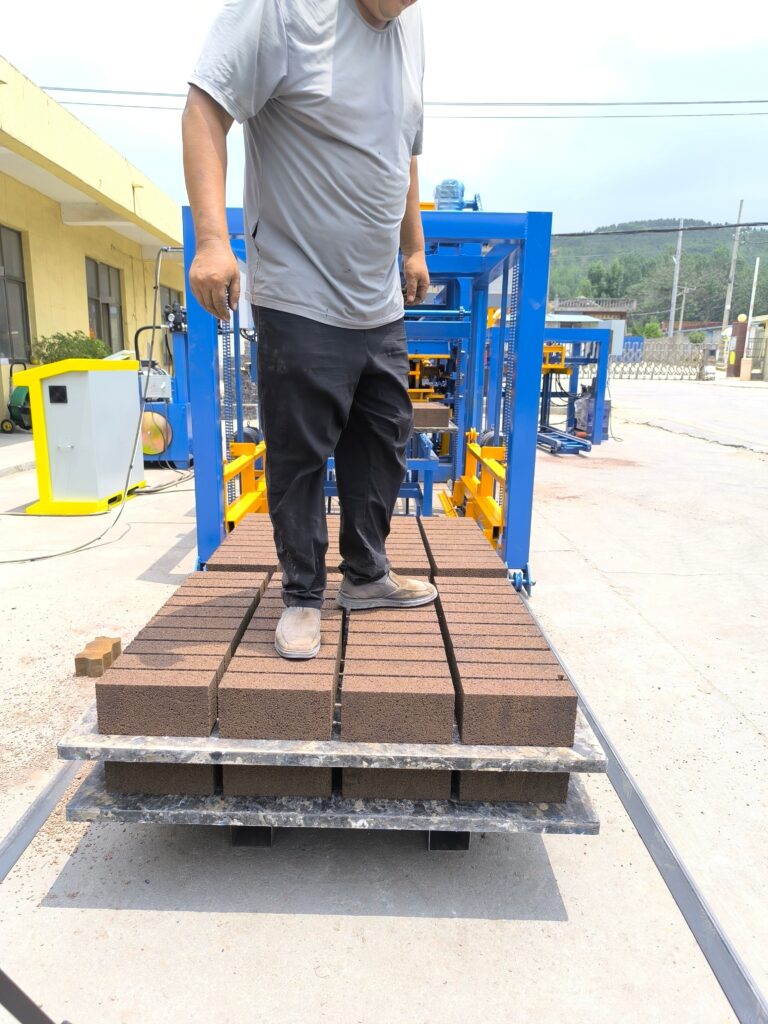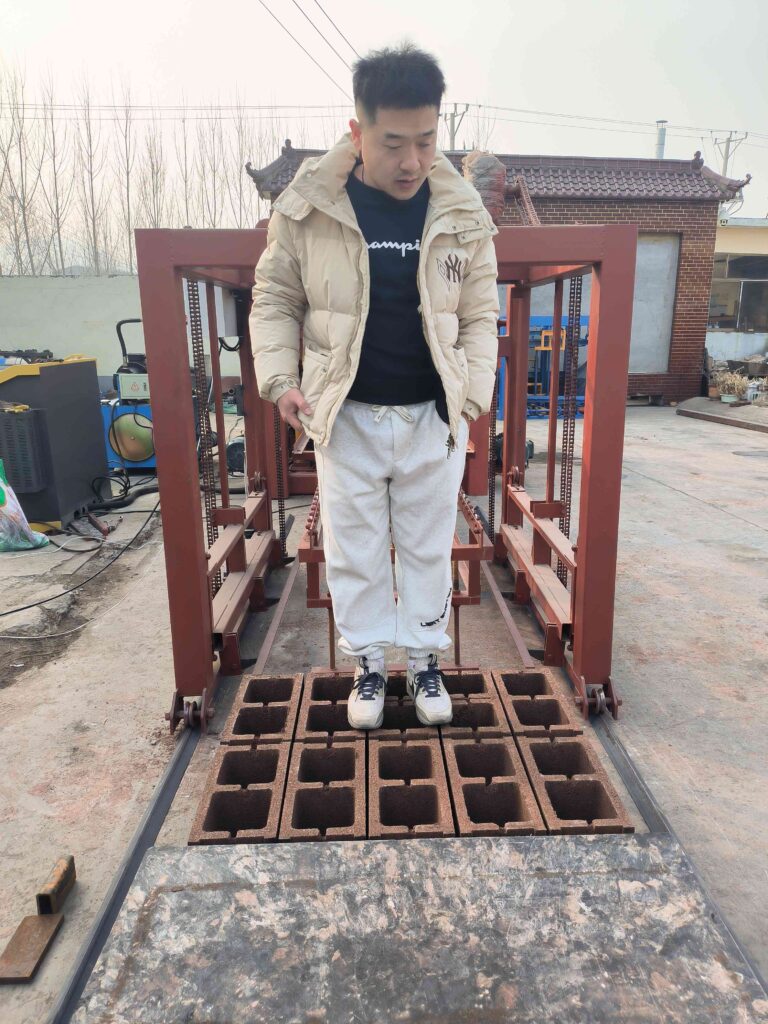
Fundamento Científico y Metodológico de la Prueba de Resistencia del Ladrillo
La resistencia de un ladrillo se define principalmente por su resistencia a la compresión: la carga máxima por unidad de área que puede soportar antes de fallar. Sin embargo, una evaluación integral también considera la durabilidad, la absorción de agua y la estabilidad dimensional, todos ellos interrelacionados con el rendimiento estructural final. El proceso de verificación se estratifica en tres niveles fundamentales: ensayos destructivos estandarizados en laboratorio, evaluaciones no destructivas in situ y controles de producción durante el proceso.
1. Pruebas de Laboratorio Destructivas Estandarizadas: El Punto de Referencia Definitivo
Estas pruebas, realizadas en muestras de ladrillo curado en entornos controlados de laboratorio, proporcionan los datos definitivos necesarios para la certificación del producto y el cumplimiento de los códigos de construcción nacionales e internacionales.
- Ensayo de Resistencia a la Compresión (La Métrica Principal)Esta es la piedra angular de la evaluación estructural, regida por normas como ASTM C67 (EE. UU.), EN 772-1 (UE) o IS 3495 (India).
- Preparación de la muestra:Las muestras se seleccionan cuidadosamente, se recortan (si es necesario) y sus caras de apoyo se rectifican o se recubren con un compuesto nivelador (como azufre o yeso de alta resistencia) para garantizar superficies de carga perfectamente paralelas.
- Procedimiento de prueba:El ladrillo se coloca en una máquina de ensayo de compresión calibrada. Se aplica una carga de compresión que aumenta de manera constante y perpendicular a la cara de apoyo (como se cargaría en un muro) hasta que se produce la falla.
- Análisis de Datos:Se registra la carga máxima en el punto de falla. La resistencia a la compresión se calcula como la carga (en Newtons o libras-fuerza) dividida por el área transversal bruta promedio del ladrillo (en mm² o pulg²). Los resultados se reportan en unidades como N/mm² (MPa) o psi. Se ensaya un número mínimo de muestras (por ejemplo, 5 o 10 ladrillos) y se reporta la resistencia promedio, garantizando significancia estadística.
- Pruebas de Absorción de Agua y Eflorescencia (Indicadores de Durabilidad):La resistencia se ve comprometida por la entrada de agua y los ciclos de hielo-deshielo. Por lo tanto, las pruebas de absorción son indicadores críticos del rendimiento a largo plazo.
- Absorción en Agua Fría: Bricks are dried to a constant weight, immersed in water for 24 hours, and weighed again. The percentage increase in weight indicates porosity. Lower absorption generally correlates with higher frost resistance and durability.
- Efflorescence Test: Bricks are placed in a dish with distilled water, allowing capillary action to draw salts to the surface. After evaporation, the surface is examined for white salt deposits. Excessive efflorescence can indicate high soluble salt content, which may weaken mortar bonds and lead to spalling.
- Dimensional and Density Checks: Consistency is a hallmark of quality machine production. Variations in size can affect wall stability and mortar joint uniformity. Density (mass per unit volume) is a simple but effective indicator of the compaction efficiency of the brick machine; higher density often correlates with higher potential strength.
2. Non-Destructive and In-Situ Evaluation Methods
While not replacing standardized lab tests, these methods provide valuable on-site or in-plant checks for consistency and rapid quality screening.
- Schmidt Rebound Hammer (Concrete Test Hammer): A spring-loaded mass is released against the brick surface, and the rebound number is measured. A higher rebound indicates a harder, denser surface. This tool is best used for comparative assessment—comparing bricks from different batches or different areas of a delivery—rather than determining absolute compressive strength. It requires correlation curves specific to the brick material type.
- Ultrasonic Pulse Velocity (UPV) Testing: This method measures the time taken for an ultrasonic pulse to travel through the brick. Higher pulse velocities indicate a denser, more homogeneous, and potentially stronger material with fewer internal cracks or voids. Like the rebound hammer, it is excellent for comparative evaluation and internal flaw detection.
- Visual and Auditory Inspections: Skilled technicians perform fundamental checks. A visual inspection identifies cracks, laminations, distortions, and poor edges. The “ring test” involves striking two bricks together gently; a clear, metallic ringing sound typically indicates good firing and integrity (for clay bricks) or solid compaction (for concrete), while a dull thud may suggest internal cracking or delamination.
3. In-Process Quality Control: The Proactive Strength Assurance System
The most advanced approach to ensuring brick strength is to control and monitor the variables that govern it during the manufacturing process itself. Modern machinery facilitates this through integrated technology.
- Raw Material Consistency Monitoring: Strength begins with the mix. Automated batching systems with weigh feeders ensure precise ratios of cement, aggregates, and water. Moisture probes in the mixer provide real-time data, allowing for automatic adjustments to maintain the optimal water-to-cement ratio—the single most critical factor for the eventual strength of cement-based products.
- Machine Parameter Verification as a Strength Proxy: The brick machine’s operational settings are direct contributors to final density and strength. Advanced control systems continuously log and verify key parameters:
- Presión de Compactación: The hydraulic system pressure during the molding cycle is monitored and recorded for every cycle, ensuring it never drops below the set minimum required for the target brick density.
- Vibration Frequency and Duration: For vibratory presses, the amplitude and time of vibration are controlled by the PLC to ensure consistent compaction of the mix.
- Pallet/Curing Conditions: In automated plants, the temperature and humidity in curing chambers (for concrete blocks) or dryers (for clay bricks) are monitored to ensure the curing process follows the optimal strength-gain curve.
- Statistical Process Control (SPC): Data from machine sensors and from periodic lab tests are fed into SPC software. Control charts track key variables (e.g., wet density, morning test strength) over time. This allows producers to identify and correct subtle process drifts antes they result in a batch of sub-standard bricks, transforming quality control from a reactive to a predictive function.
The Strategic Imperative for B2B Stakeholders
For distributors and procurement experts, a deep understanding of strength verification is a powerful tool for business development and risk management.
- Demonstrating Machine Capability and Value: When promoting machinery, suppliers can move beyond output speed to highlight features that guarantee strength: precision hydraulic control, recipe-managed PLCs, and integrated data logging. Providing clients with a clear protocol for quality assurance adds immense value.
- Facilitating Client Certification and Market Access: By advising clients on establishing an in-plant lab (for absorption and basic compression tests) and partnering with accredited external labs for formal certification, distributors help clients enter regulated markets (e.g., public works, commercial construction) that demand certified test reports.
- Mitigating Dispute and Liability Risk: A well-documented chain of quality checks—from mix design, through machine logs, to final lab reports—provides an objective defense in the event of a performance dispute. It protects both the manufacturer and the distributor.
Conclusión
Checking the strength of machine-made bricks is a multifaceted discipline that integrates established materials science with modern industrial process control. The journey from a raw material pile to a certified, load-bearing building component is paved with continuous verification. The most reliable strength assurance strategy is not merely frequent end-product testing but the implementation of a closed-loop quality ecosystem. This ecosystem encompasses precise raw material management, machinery engineered for repeatable and monitored compaction, and a disciplined regimen of both destructive and non-destructive testing. For the informed B2B professional, this comprehensive perspective is vital. It enables them to guide clients toward not just purchasing a brick-making machine, but toward instituting a quality manufacturing system. In doing so, they empower clients to produce bricks that are not only strong by test report but consistently reliable by design, thereby building a reputation for excellence that is as solid as the products they sell.
Frequently Asked Questions (FAQ)
Q1: How often should a brick producer conduct formal compressive strength tests?
Frequency depends on production volume and regulatory requirements. A standard guideline is to test at least one sample from every 50,000 bricks produced or at minimum once per day for each mix design in continuous production. Additionally, tests should be conducted whenever there is a significant change in raw material source or mix proportion. Accredited projects often have specific testing frequencies mandated by the project specifications.
Q2: Can you estimate the compressive strength of a brick just by looking at it or its weight?
No, accurate compressive strength cannot be determined by visual inspection or weight alone. While a very lightweight brick may indicate high porosity and potentially lower strength, and a brick with visible cracks is suspect, the only way to obtain a legally and technically valid strength value is through a standardized compression test on properly prepared samples. Weight and visual checks are useful for rapid sorting and identifying obvious defects.
Q3: Our client’s machine is producing bricks that pass visual checks but fail the compression test. What are the most likely causes?
This points to issues with internal structure or composition. Common root causes include:
- Incorrect Water-Cement Ratio: Too much water drastically reduces final strength.
- Insufficient Compaction: The machine pressure or vibration may be set too low, failing to achieve optimal density.
- Inadequate Curing: Concrete bricks require proper moisture and temperature conditions to gain strength; improper curing halts the chemical process.
- Poor-Quality or Contaminated Raw Materials: Under-strength cement, overly fine or dirty sand, or organic impurities can all compromise the final product.
A systematic review of mix design, machine settings, and the curing process is necessary.
Q4: What is the difference between testing individual bricks and testing a masonry prism or wall?
Testing individual bricks (unit strength) is a materials test. Testing a masonry prism (a small stack of bricks bonded with mortar) assesses the performance of the assembly, which is influenced by mortar strength and the brick-mortar bond. Wall tests are even more comprehensive. Building codes often specify required unit strengths that, when used with specified mortar, will result in a wall of a certain composite strength. For a brick producer, the focus is on certifying the unit strength to the relevant standard.
Q5: Are there different strength tests for different types of machine-made bricks (e.g., clay vs. concrete vs. fly ash)?
The core principle of the compressive strength test (ASTM C67, EN 772-1) applies to most masonry units. However, sample preparation and curing conditions prior to testing differ. For example, concrete bricks are tested in a saturated condition, while fired clay bricks are tested dry. Specific standards exist for different materials (e.g., ASTM C55 for concrete brick, ASTM C62 for building brick). It is crucial to follow the test standard specified for the exact product type being manufactured and sold.