
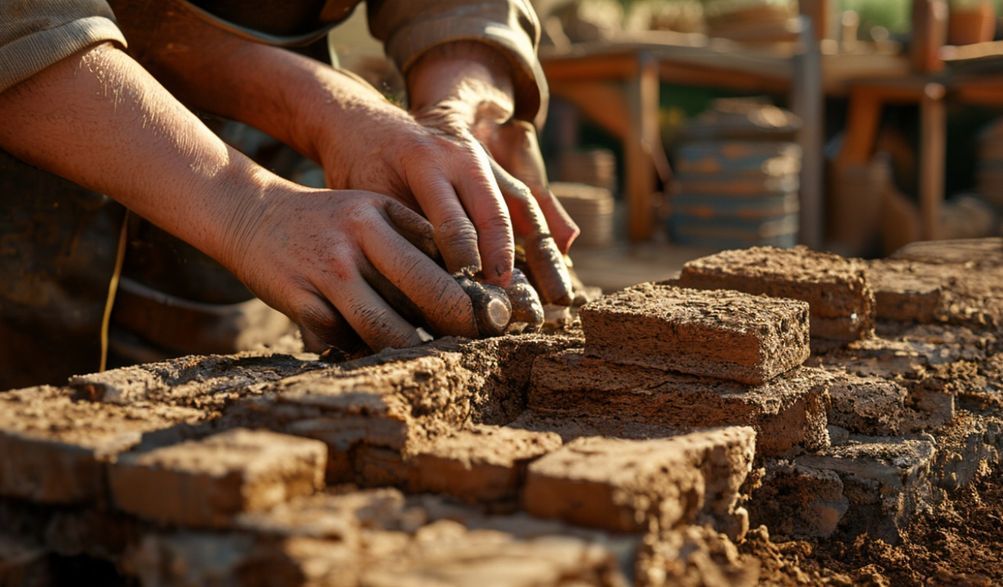
The Complete Guide to Manual Brick Maker Machines: Build Your Own Durable Bricks
For millennia, brick has been the cornerstone of durable, beautiful, and timeless construction. From the charming garden wall to the foundation of a family home, there’s an undeniable appeal to structures built with brick. Yet, for the DIY enthusiast, the homesteader, or the small-scale builder, sourcing traditional fired bricks can be a significant hurdle—often expensive, logistically complex, and environmentally taxing due to transportation and manufacturing emissions.
What if you could bypass the supply chain and create your own high-quality bricks, right on your building site, using the very earth beneath your feet? This isn’t a fantasy; it’s the practical reality offered by the manual brick maker machine. This ingenious, human-powered tool empowers individuals and communities to turn locally sourced soil into uniform, durable building blocks, unlocking a world of affordable and sustainable construction.
This comprehensive guide draws on practical hands-on experience, fundamental engineering principles, and insights from trusted manufacturers. We’ll demystify the manual brick maker machine, providing you with the knowledge to make an informed purchase, operate it safely and effectively, and produce bricks that stand the test of time. You’ll learn how these machines work, their profound benefits, how to choose the right model, a detailed step-by-step production process, and essential maintenance for years of reliable service.
What is a Manual Brick Maker Machine and How Does It Work?
At its core, a manual brick maker machine—often called an interlocking soil block press or compressed earth block (CEB) machine—is a mechanical device designed to compress damp, prepared earth into a high-density brick or block. The key differentiator from traditional brickmaking is the absence of firing. Instead of using a kiln, these machines rely on immense compressive force to bind the soil particles together, creating a solid, stable block.
The fundamental principle at play is mechanical advantage. Through a lever, screw, or hydraulic system, the machine multiplies the force applied by the operator. What might be 50 kg of human effort can be transformed into hundreds or even thousands of kilograms of pressure onto the soil within the mold. This pressure is what compacts the material, eliminates air pockets, and creates the structural integrity of the finished brick.
Componentes Clave de una Máquina Típica
While designs vary, most quality manual brick makers share these essential parts:
* Marco: The sturdy, usually steel, structure that holds all components and withstands the operating forces.
* Hopper: The chamber where the prepared soil mix is loaded before compression.
* Mold/Die Chamber: The cavity that gives the brick its shape (e.g., rectangular, interlocking). This is the heart of the machine.
* Mecanismo de Compresión: This is the force-generating system. It could be a long lever arm, a screw press, or a hydraulic jack adapter.
* Sistema de Eyección: A plate or mechanism that pushes the freshly formed brick out of the mold after compression, often integrated with the lever action.
* Placa Base: The stable platform where the new brick is deposited.
The Basic Operating Cycle (Fill, Compress, Eject)
The operation is elegantly simple and cyclical:
1. Llenar: The operator places the correct amount of soil mix into the hopper/mold.
2. Comprimir: The lever is pulled (or the hydraulic jack is pumped), applying maximum pressure to the soil for a few seconds.
3. Expulsar: The operator releases the mechanism, which often simultaneously lifts the mold and pushes the compacted brick out onto the base plate or a pallet.
Top Benefits of Using a Manual Brick Maker
Choosing to produce your own bricks with a manual press isn’t just about saving money—it’s a holistic approach to building that offers a suite of compelling advantages.
Relación calidad-precio excepcional
The financial case is powerful. Your primary raw material—soil—is often free or very low-cost, especially if sourced on-site. You eliminate the per-brick price of manufactured materials and, crucially, the substantial cost of transporting heavy finished bricks from a distant supplier. The initial investment in the machine is quickly offset, particularly for projects requiring hundreds or thousands of blocks.
Sustainability and Eco-Friendliness
This is one of the most significant benefits. Manual brick production has an incredibly low carbon footprint.
* No Burning Required: It completely avoids the fossil fuels used in firing kilns.
* Materiales Locales: It utilizes subsoil, which is typically a waste product from site excavation, reducing the need for quarried materials.
* Minimal Waste: Any broken blocks or leftover mix can be easily re-wetted and reused. At the end of a building’s life, the bricks can simply return to the earth.
Empowerment and Self-Sufficiency
The machine places control directly in your hands. It enables independent construction in remote areas without reliable supply chains and is perfect for community-led projects, homesteads, and disaster-resilient building. There’s a profound satisfaction in building a structure from materials you literally dug up and formed yourself.
Producing Strong and Insulating Bricks
Don’t mistake “unfired” for “weak.” In practice, a properly compressed and cured stabilized earth brick can achieve compressive strengths suitable for single and even two-story load-bearing walls. Furthermore, earth blocks have excellent thermal mass: they absorb heat during the day and release it slowly at night, naturally regulating indoor temperatures and reducing energy costs for heating and cooling.
How to Choose the Right Manual Brick Maker for Your Project
Selecting the correct machine is critical to your project’s success and your personal satisfaction. Here’s how to approach the decision like an expert.
Assess Your Project Scale and Brick Requirements
First, be realistic about your needs.
* Tasa de Producción: How many bricks do you need per day? A basic lever press might produce 200-300 blocks in an 8-hour day, while a more efficient or hydraulic-assisted model could reach 400-500. Consider your timeline and labor.
* Brick Size & Design: Do you need standard rectangular blocks or interlocking ones (which reduce mortar use and can increase wall speed)? What are the dimensions? Ensure the machine’s mold matches your architectural plans.
Evaluate Different Compression Mechanisms
The type of force application affects effort and results.
* Lever/Press Systems: The most common type. They require moderate to significant physical effort but are simple, reliable, and have fewer moving parts. Ideal for most DIYers and small projects.
* Hydraulic Jack Adapters: These systems use a portable hydraulic jack to generate pressure. They often require less physical strain per brick and can achieve higher, more consistent pressure. They are slightly more complex and can be slower per cycle than a well-designed lever system.
Key Features to Compare
When comparing models, scrutinize these aspects:
* Calidad de Construcción: Look for thick, welded steel construction (not bolted sheet metal). The welds should be clean and robust. This machine must endure tremendous force, repeatedly.
* Versatilidad del Molde: Can you purchase additional molds for different brick designs from the manufacturer? This adds long-term value.
* Facilidad de Operación y Mantenimiento: Is the action smooth? Is it easy to clear a jam? Are lubrication points accessible?
* Portabilidad: Consider its weight if you need to move it around a site. Some models have wheels or are designed to be carried by two people.
Soil Suitability and Stabilization
This is the non-negotiable expert knowledge. Not all soil will work. You need a mix with adequate clay (the binder), silt, and sand (the aggregate). A simple “jar test” is your first essential step.
* Estabilización: For any permanent, weather-exposed structure, adding a low percentage (typically 5-10%) of Portland cement to your soil mix is a critical best practice. This “stabilization” chemically bonds the soil, dramatically increasing the brick’s compressive strength and, most importantly, its resistance to water erosion. It’s the difference between a durable building block and a mud pie.
A Step-by-Step Guide to Making Bricks with Your Machine
Success lies in the process. Follow these steps meticulously for the best results.
Step 1: Site Preparation and Soil Testing
Begin by sourcing your soil. Avoid topsoil with organic matter. Subsoil from at least 30cm below the surface is best. Conduct a simple jar test: fill a clear jar 1/3 with soil, 2/3 with water, shake vigorously, and let it settle for 24 hours. The layers will show the approximate ratios of sand, silt, and clay. An ideal mix for stabilization is roughly 70% sand/aggregate and 30% silt/clay.
Step 2: Preparing the Perfect Mix
- Tamizado: Pass your soil through a 10mm (3/8″) screen to remove stones and debris.
- Mezcla: Spread the soil in a thin layer, evenly sprinkle the correct amount of cement stabilizer (if using), and mix thoroughly while dry.
- Adding Water: Gradually add water while mixing. The goal is “optimum moisture content.” In practice, the mix should hold its shape when squeezed in your fist without dripping water and crumble when poked—like damp, perfect sandcastle sand. This is known as the “ball test.”
Step 3: The Brick Making Process in Action
- Posicionamiento: Place the machine on a solid, level surface. Have a prepared palette or board ready to receive finished bricks.
- Relleno: Loosely fill the mold chamber with your mix. Do not over-pack it at this stage.
- Comprimiendo: Apply firm, steady pressure on the lever or pump the jack to its full range. Hold the maximum pressure for 2-3 seconds. You should feel significant resistance.
- Expulsando: Carefully operate the release/ejection mechanism to deposit the new brick onto your drying palette. Handle the fresh brick with care—it is strong but not yet cured.
Step 4: Curing and Drying Your Bricks
This phase is crucial for strength development, especially with cement stabilization.
* Initial Cure: Keep the bricks under a plastic sheet or in a shaded, covered area for 7-10 days. This allows the cement to hydrate and gain initial strength without drying out too quickly.
* Secado: After the initial cure, uncover the bricks and allow them to air-dry for a minimum of 3-4 weeks. Stack them with gaps (on edge) to allow airflow. They must be completely dry before use in construction.
Essential Maintenance and Safety Tips for Longevity
Treating your machine well ensures it treats you well for years, and safety must always come first.
Routine Cleaning and Care After Each Use
This is the single most important maintenance habit. After your production session, use a brush and a small tool to remove all caked-on soil from the mold chamber, hopper, and ejection plate. Leftover material will harden, cause jams, and accelerate wear.
Periodic Inspection and Lubrication
- Weekly/Monthly: Check all bolts and fasteners for tightness. The machine undergoes vibration and shock; things can loosen.
- Lubricación: Apply a few drops of oil to all pivot points, hinge pins, and the ejection mechanism as recommended by the manufacturer. This prevents rust and ensures smooth operation.
Critical Safety Practices
- Lifting Technique: Always lift with your legs, not your back, when moving the machine or handling bags of cement and soil.
- Protective Gear: Wear sturdy gloves to protect your hands from abrasion and closed-toe boots. Safety glasses are advisable when mixing dry cement.
- Stable Platform: Never operate the machine on soft, uneven, or sloped ground. A twisted frame under load is dangerous.
- Mind the Pinch Points: Be conscious of where your hands are during the compression and ejection cycles.
Frequently Asked Questions (FAQ) About Manual Brick Makers
Q1: How strong are bricks made with a manual machine compared to fired bricks?
A: Properly made and cured estabilizado compressed earth bricks (with cement) can achieve compressive strengths in the range of 4-10 MPa (580-1450 psi). This meets or exceeds the strength of many common fired clay bricks used in residential construction and is more than sufficient for low-rise, load-bearing walls.
Q2: Can I use any type of soil?
A: No. Soil composition is critical. Pure clay will shrink and crack; pure sand will not bind. You need a balanced mixture. The simple jar test outlined earlier is your essential first step to determine suitability.
Q3: Do the bricks need to be fired in a kiln?
A: Absolutely not. Strength is achieved through mechanical compression and, when used, the chemical curing process of cement stabilization. Eliminating the firing step is a major cost and environmental advantage.
Q4: What is the average production rate per day?
A: For a single skilled operator, a realistic output is between 200 and 500 bricks in an 8-hour day. The rate depends on the machine’s design, the efficiency of your soil prep and workflow, and your own stamina.
Q5: Where can I find reliable manual brick maker machine plans or suppliers?
A: Seek out established manufacturers or distributors with a clear reputation, detailed product specifications, and good customer support. Look for companies that provide clear manuals and are responsive to questions. Be cautious of the cheapest options that may compromise on steel quality or design, as this is a tool where durability is paramount.
Conclusión
Elmanual brick maker machine is far more than a simple tool; it’s a gateway to affordable, sustainable, and deeply rewarding construction. It democratizes the building process, turning a fundamental resource—earth—into a reliable building material. As we’ve explored, success hinges on the synergy of the right equipment and the right knowledge: understanding soil science, mastering the mixing and curing process, and respecting the mechanics of your machine.
By combining a well-made machine with the practical steps and safety practices detailed in this guide, you are equipped to embark on your project with confidence. Whether you’re building a garden shed, a home, or a community structure, the next step is yours to take. Test your soil, research reputable machine models, and start planning. The durable, beautiful bricks you create will be a testament to your own effort and the timeless power of building with earth.
<