
The Ultimate Guide to Buying a Brick Making Machine in Pakistan (2026)
Introducción
Pakistan’s construction sector is experiencing unprecedented growth. From the ambitious Naya Pakistan Housing Programme to sprawling commercial developments and critical infrastructure projects, the nation is building its future. At the very heart of this construction boom lies a fundamental component: the brick. For centuries, bricks have been the essential building block of Pakistani structures. However, the traditional method of brick production—reliant on manual labor, clamps, and kilns—is increasingly seen as a bottleneck. It is labor-intensive, produces inconsistent quality, raises significant environmental concerns, and struggles to meet modern demands for scale and efficiency.
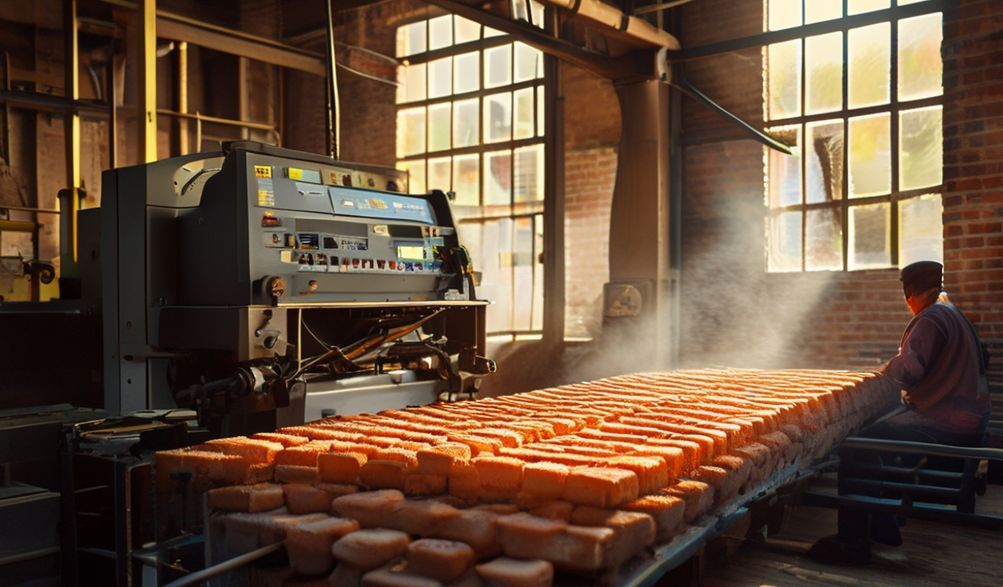
Aquí es donde la modernidadbrick making machines in Pakistan enter the picture, representing a transformative solution for forward-thinking entrepreneurs, builders, and industrialists. These machines automate and standardize the production process, unlocking higher profits, consistent quality, and a path to more sustainable manufacturing.
Navigating the market for these machines, however, can be complex. With options ranging from simple manual presses to fully automated production lines, and prices varying wildly, making an informed decision is crucial. This guide serves as your comprehensive, one-stop resource. Compiled from industry analysis, direct manufacturer data, and current market trends, we will walk you through everything you need to know: from understanding different types and technologies to analyzing costs, evaluating suppliers, and assessing the business potential. Consider this your foundational blueprint for making a smart, profitable investment.
Comprensión de las Máquinas para Fabricar Ladrillos: Tipos y Tecnologías
Before diving into costs and suppliers, it’s essential to understand the machinery itself. The right choice depends entirely on your production goals, budget, and available resources.
Máquinas Manuales vs. Semiautomáticas vs. Automáticas
El nivel de automatización es el diferenciador principal, impactando directamente en el costo, la producción y las necesidades de mano de obra.
-
Máquinas Manuales para Fabricar Ladrillos:
- Inversión: Lowest cost entry point (often starting from a few hundred thousand PKR).
- Trabajo: Highly labor-intensive. Requires significant manpower for mixing, feeding, pressing, and removing bricks.
- Salida: Low (typically 500-2,000 bricks per 8-hour shift).
- Ideal para: Very small-scale entrepreneurs, individual builders for personal projects, or those testing the market with minimal capital.
-
Máquinas Semiautomáticas para Fabricar Ladrillos:
- Inversión: Moderate. Offers a balance between cost and capability.
- Trabajo: Requires some operator intervention for feeding raw material and removing finished bricks, but core processes like compression/vibration are automated.
- Salida: Medium to High (can range from 2,500 to 10,000+ bricks per shift depending on model).
- Ideal para: Most small to medium-sized brick manufacturing businesses (SMEs). Provides a significant productivity boost over manual methods without the capital outlay of a full automatic line.
-
Máquinas de Fabricación de Ladrillos Completamente Automáticas:
- Inversión: High. Represents a major capital expenditure.
- Trabajo: Minimal. Primarily for supervision, monitoring, and maintenance. The process from feeding to stacking is automated via conveyors and pallet systems.
- Salida: Very High (can exceed 20,000 bricks per shift).
- Ideal para: Large-scale industrial plants, suppliers to major construction firms, and investors aiming for maximum volume and the lowest per-unit labor cost.
Tipos Principales de Máquinas por Producción
Machines are also specialized for the type of brick or block they produce.
-
Máquinas para Fabricar Ladrillos de Ceniza Volante: These are gaining tremendous popularity due to their environmental and economic benefits.
- Material: Use fly ash (a waste product from coal power plants), cement, and sand.
- Beneficio: They utilize industrial waste, produce stronger and more uniform bricks than traditional clay bricks, and often require less curing time. Their production is also less susceptible to seasonal weather changes.
-
Máquinas para Fabricar Bloques de Concreto/Huecos: Extremely versatile for modern construction.
- Salida: Used to produce solid concrete blocks, hollow blocks, paving tiles, kerbstones, and interlocking bricks for landscaping.
- Caso de Uso: Essential for projects requiring load-bearing hollow blocks for construction or aesthetic pavers for hardscaping.
-
Clay Brick Making Machines (Extruders): This is the mechanized evolution of the traditional clay brick.
- Proceso: They automate the extrusion, cutting, and shaping of clay bricks before they are sent for drying and kiln-firing.
- Consideración: While improving output and consistency, they still often rely on traditional kilns for firing, which can have environmental implications.
Core Technologies: Hydraulic vs. Vibration
The method of compacting the raw material defines the brick’s density and strength.
-
Hydraulic Pressure Technology: Uses immense hydraulic pressure to compress the raw material mix in a mold.
- Brick Quality: Produces very dense, high-strength bricks with sharp edges. Excellent for fly ash and concrete bricks.
- Idoneidad: The preferred technology for stationary block machines producing high-quality pavers and blocks.
-
Tecnología de Vibración: Uses high-frequency vibration combined with some pressure to compact the material.
- Brick Quality: Effective for achieving good compaction, especially for hollow blocks. Can be slightly less dense than pure hydraulic bricks but is perfectly suitable for most construction needs.
- Idoneidad: Common in many semi-automatic and automatic machines. Often more efficient for higher production speeds.
Many modern machines, especially semi- and fully-automatic ones, use a combination of vibración y presión hidráulica to achieve optimal results.
Market Analysis: Brick Making Machine Price in Pakistan 2026
Price is a decisive factor, and the market offers a wide spectrum. The figures below are estimates based on 2025-2026 market trends and are subject to change due to currency fluctuation, raw material costs, and brand.
Price Range Breakdown by Type
- Máquinas Manuales: PKR 300,000 to PKR 800,000.
- Máquinas Semiautomáticas: PKR 800,000 to PKR 3,500,000. (This is the most common range for business setups, with significant variation based on capacity and features).
- Máquinas Completamente Automáticas: PKR 3,500,000 to PKR 15,000,000+ for large-scale production lines.
What causes this variation?
* Brand & Origin: Imported machines (especially European) command a premium over local or Chinese-made ones.
* Capacidad de Salida: A machine producing 4,000 bricks/day will cost less than one producing 10,000 bricks/day.
* Nivel de Automatización: The complexity of PLC controls, conveyor systems, and automatic pallet changers adds cost.
* Servicio Postventa: A supplier with a strong service network may have slightly higher prices but offers long-term security.
Cost-Benefit Analysis: Investment vs. Return (ROI)
The real question isn’t just the machine’s price, but its earning potential. Let’s consider a simplified model for a semi-automatic machine.
- Escenario: You invest PKR 1,800,000 in a semi-automatic fly ash brick machine with an output of ~5,000 bricks per 8-hour shift.
- Operational Costs (Per Day Estimate): Raw materials (cement, fly ash, sand), electricity, and 3-4 laborers.
- Revenue: If your net profit per brick is PKR 3-5 (after all costs), a single shift producing 5,000 bricks can generate PKR 15,000 – PKR 25,000 per day.
- Período de Recuperación de la Inversión: Based on this model, the initial machine investment could be recovered in approximately 4-8 months of consistent operation, depending on actual profit margins and capacity utilization.
Remember: This is a simplified illustration. Your ROI depends on:
* Consistent raw material supply and cost.
* Reliable electricity/power backup.
* Efficient labor management.
* Having a steady market demand and sales channel.
Top Brick Making Machine Manufacturers and Suppliers in Pakistan
Choosing a reliable supplier is as important as choosing the right machine. Here’s an overview of the market landscape.
Leading Local Manufacturers
Several Pakistani companies have developed strong reputations for building and supplying robust machinery.
- Karachi-based Industrial Manufacturers: A hub for engineering, several firms in S.I.T.E and Korangi assemble and manufacture machines, often providing good value and localized service.
- Lahore & Gujranwala Engineering Units: Known for metalworking, this region has suppliers producing a range of manual and semi-automatic machines, catering well to the Punjab market.
- Specialized Fly Ash Machine Producers: Some manufacturers have carved a niche by focusing specifically on hydraulic press machines optimized for fly ash brick production, offering technical expertise in this growing segment.
(Note: Specific company names are avoided as market standings can change. Due diligence is key.)
Imported Brands (Chinese, European, etc.)
- Chinese Machines: Dominant in the import segment due to competitive pricing. Quality can vary significantly—from excellent to subpar. The critical factor is the Pakistani importer/distributor and their commitment to spare parts and service.
- European & Other Brands: Brands from Germany, Italy, or Turkey are synonymous with high durability, precision, and advanced automation. They come with a substantially higher price tag and are typically considered for large-scale, high-output industrial plants where long-term reliability and minimal downtime are paramount.
How to Choose a Reliable Supplier
Use this checklist when evaluating any manufacturer or supplier:
- Garantía: Demand a clear, written warranty (at least 1 year on core components).
- Repuestos: Ensure commonly wearing parts (molds, hydraulic seals, vibration motors) are readily available in their inventory.
- Instalación y Capacitación: Do they provide on-site installation and hands-on training for your operators? This is non-negotiable.
- Red de Servicios: Do they have service engineers or a network that can respond to breakdowns in your city/region?
- Client Portfolio & Testimonials: Ask for contact details of previous clients and actually visit a running plant if possible.
- Factory Visit: Always insist on visiting their workshop or showroom. See the build quality, request a live demonstration with your intended raw material, and assess their operational scale.
Critical Factors Before You Buy a Brick Making Machine
Beyond the brochure specs, practical considerations will determine your success.
Evaluando Sus Necesidades de Producción
Don’t overbuy or underbuy. Calculate:
1. Current Demand: How many bricks do you need per day for your own projects?
2. Business Plan: If selling, what is the daily demand from your target clients (local contractors, dealers)?
3. Growth: Factor in a 20-30% capacity buffer for future growth. It’s often wiser to buy a machine that can grow with you.
Raw Material Availability in Your Region
Your factory location is strategic.
* For Fly Ash/Concrete Bricks: Proximity to a cement suppliery unreliable source of fly ash (often from nearby coal power plants) is critical to control logistics costs.
* For Clay Bricks: You need access to good-quality clay soil. Test the soil’s properties before setting up.
* General: Sand and aggregate should also be locally available.
Space, Power, and Labor Requirements
- Espacio: You need space for the machine, raw material storage, brick curing area, and finished goods storage. A semi-automatic setup may require 5,000-10,000 sq. ft.
- Poder: Most semi-automatic machines require a three-phase electricity connection. Confirm the required voltage and amperage. A generator backup is highly recommended.
- Trabajo: Even for automatic machines, you need semi-skilled labor for operation, maintenance, and handling. Assess local labor skill levels and budget for training.
Quality Checks and Machine Inspection
During your factory visit, inspect:
* Calidad de Construcción: Thickness of steel frame, quality of welds.
* Sistema Hidráulico: Brand of pumps and valves (reputable brands last longer).
* Motores de Vibración: Check their power (in kW) and brand.
* Moldes: Examine the hardness and finish of the mold steel. Good molds produce bricks with smooth faces and sharp edges.
* Panel de Control: It should be robust, well-organized, and use reliable components.
The Business Potential: Starting a Brick Plant in Pakistan
Investing in a brick making machine is often the first step in launching a profitable manufacturing business.
Market Demand and Opportunities
The demand drivers are strong:
* Iniciativas Gubernamentales: Schemes like the Naya Pakistan Housing Programme aim to build millions of units.
* Urbanización: Continuous expansion of cities requires residential and commercial buildings.
* Infraestructura: CPEC and other projects need bricks and blocks for related construction.
* Shift to Alternative Bricks: Growing awareness is pushing demand towards more sustainable and stronger fly ash and concrete blocks.
Legal and Environmental Considerations
- Business Registration: Register your business with the SECP and obtain a National Tax Number (NTN).
- Environmental Regulations: Especially for clay brick kilns, there is increasing scrutiny on emissions. Fly ash brick production is generally viewed more favorably as it recycles waste. Check with the local Environmental Protection Agency (EPA) for any applicable regulations.
- Zoning/Land Use: Ensure your chosen location is zoned for industrial (I-zone) or manufacturing activity.
Marketing Your Bricks
- Network Relentlessly: Your first clients will likely be local contractors, masons, and builders. Build relationships.
- Quality is Your Best Marketing: Deliver consistent size, strength, and color. Good reputation spreads fast.
- Supply Reliability: Become known as a supplier who can deliver on schedule.
- Sample Strategy: Provide free samples to architects and large construction firms for testing and approval.
Frequently Asked Questions (FAQs) About Brick Making Machines in Pakistan
Q1: What is the average price of a small brick making machine in Pakistan?
A: For a small-scale setup, a manual or basic semi-automatic brick making machine in Pakistan can start from PKR 300,000 to PKR 1.2 million. The exact price depends on production capacity, brand, and whether it’s designed for fly ash, concrete, or clay.
Q2: Which type of brick making machine is most profitable?
A: Profitability depends on your market and scale. Fly ash brick machines often have an edge due to lower raw material costs (using waste fly ash). However, a máquina totalmente automática has the highest profit potential due to massive output and low per-unit labor cost, but requires a very large market and high investment.
Q3: Can I get training on how to operate the machine?
A: Absolutely. Any reputable supplier must provide comprehensive, hands-on training at your site after installation. This should cover operation, routine maintenance, troubleshooting, and safety. Never work with a supplier who doesn’t offer this.
Q4: What is the lifespan of a typical brick making machine?
A: With proper maintenance—regular lubrication, timely replacement of wear parts, and careful operation—a well-built brick making machine can last 10 to 15 years or more. The core frame lasts decades; hydraulic and electrical components may need servicing or replacement over time.
Q5: Are there any government subsidies or loans for this industry?
A: It’s worth investigating. SMEDA (Small and Medium Enterprises Development Authority) often has guidance and may facilitate financing. Many commercial banks offer SME financing loans for manufacturing equipment. Always check for the latest schemes, as these programs are updated periodically.
Conclusión
Purchasing a brick making machine in Pakistan is a significant step toward modernizing construction practices and building a profitable enterprise. This journey begins with understanding the different types of machines—from manual to fully automatic—and the technologies that power them. It requires a clear-eyed analysis of costs, not just the initial price tag but the promising return on investment that efficient production can bring.
Choosing the right supplier, based on service, support, and proven quality, is your best insurance for success. By carefully assessing your production needs, raw material logistics, and the substantial market demand driven by Pakistan’s development, you can position your business for growth.
Remember, thorough research is your foundation. Use this guide as a checklist. Visit multiple suppliers, demand demonstrations, speak to their previous clients, and prioritize quality machinery and unwavering after-sales support over the lowest upfront cost. This investment isn’t just in a machine; it’s in the foundation of your business and a contribution to building Pakistan’s future. Make it count.
<