
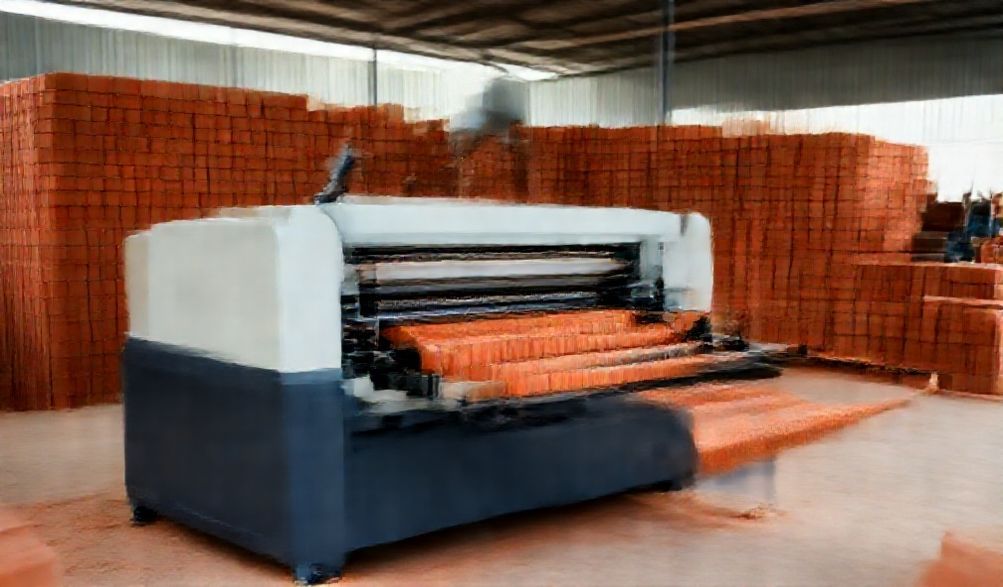
La Guía Definitiva de Máquinas para Fabricar Ladrillos de Arcilla en Malasia (2026)
Introducción
Durante siglos, los ladrillos de arcilla han formado la columna vertebral literal y cultural de la construcción en Malasia. Desde las históricas casas comerciales de Penang hasta los desarrollos suburbanos modernos, su durabilidad, excelente aislamiento térmico y estética atemporal ofrecen un valor inigualable. Sin embargo, los métodos tradicionales de producir estos bloques de construcción esenciales están cada vez más en desacuerdo con las demandas de los proyectos modernos.
La producción manual de ladrillos es notoriamente intensiva en mano de obra, lenta y propensa a inconsistencias en tamaño y resistencia. Por otro lado, depender únicamente de ladrillos importados o suministrados comercialmente puede apretar los presupuestos de los proyectos con altos costos de materiales y retrasos logísticos. Para constructores, contratistas y emprendedores visionarios, esto presenta un desafío significativo: cómo asegurar un suministro confiable, de alta calidad y rentable de ladrillos.
La solución reside en lo moderno.Máquinas para fabricar ladrillos de arcilla.Esta guía está diseñada para ser su recurso integral y confiable sobre esta tecnología transformadora en el contexto de Malasia. Basada en una exhaustiva investigación de la industria, análisis de especificaciones técnicas y una profunda comprensión de las dinámicas del mercado local, nuestro objetivo es brindarle el conocimiento necesario para realizar una inversión segura e informada. Exploraremos los diferentes tipos de máquinas disponibles, consideraciones clave de compra, los principales proveedores, un análisis de costos realista y consejos operativos esenciales adaptados al entorno único de Malasia.
¿Por qué elegir una máquina para fabricar ladrillos de arcilla para su proyecto en Malasia?
Invertir en una máquina para fabricar ladrillos no se trata simplemente de comprar un equipo; se trata de mejorar fundamentalmente sus capacidades de producción. Así es como esta tecnología aborda las necesidades centrales en el sector de la construcción de Malasia.
Eficiencia Inigualable y Mayor Producción
El contraste en la producción es asombroso. Un trabajador manual calificado podría producir entre 500 y 800 ladrillos en un día completo de trabajo agotador. Una máquina semiautomática básica puede aumentar esa producción a 2.000-3.000 ladrillos por día con una fracción del esfuerzo físico. Las líneas automáticas de alta gama pueden producir decenas de miles de ladrillos diariamente.
Este salto en velocidad es una ventaja competitiva directa. Te permite cumplir con plazos de proyecto ajustados, asumir contratos más grandes y responder rápidamente a la demanda del mercado. Para las empresas en crecimiento, esta escalabilidad es el motor de expansión.
Calidad Superior y Constante de los Ladrillos
Las máquinas sobresalen donde las manos humanas varían. Al aplicar presión hidráulica o mecánica precisa, estas máquinas garantizan que cada ladrillo tenga una densidad, dimensiones y resistencia a la compresión uniformes. Esta consistencia no es un detalle menor: es crucial para la integridad estructural, simplifica el proceso de colocación de ladrillos y minimiza el uso de mortero.
La calidad consistente se traduce directamente en una reducción de desechos por ladrillos rechazados o de calidad inferior, protegiendo sus márgenes de beneficio y los cronogramas del proyecto.
Ahorros de Costos Significativos a Largo Plazo
Si bien hay una inversión inicial, el retorno de la inversión (ROI) es convincente. Los ahorros principales provienen de:
- Costos de Mano de Obra Drásticamente Reducidos:Automatizando la parte más laboriosa de la producción.
- Reducir el desperdicio de materiales.La producción precisa significa menos materia prima estropeada.
- Producción Bajo Demanda:Elimine los costos de almacenamiento y los riesgos de aumentos de precios en la cadena de suministro produciendo exactamente lo que necesita, cuando lo necesita.
Para proyectos a gran escala o de larga duración, producir tus propios ladrillos in situ puede generar ahorros monumentales en comparación con comprarlos.
Adaptability to Local Malaysian Clay
Malaysia boasts a variety of soil types, from the lateritic soils common in many regions to clayey soils near riverbanks. A common concern is whether a machine can handle local materials.
Modern brick making machines are designed with this variability in mind. Key parameters like pressure, moisture content, and mix ratios can be adjusted. The best suppliers will often offer to test your local soil sample to recommend the optimal machine settings and any necessary additives (like sand) to create a perfect, durable brick.
Types of Clay Brick Making Machines Available in Malaysia
Understanding the categories of machines is the first step to matching the right technology to your specific needs and budget.
Máquinas Manuales o de Operación Manual
These are the simplest and most affordable entry point into brick production.
- Mejor para: Very small-scale projects (e.g., a personal home build), community initiatives in rural areas without reliable power, or entrepreneurs testing the market with minimal capital.
- Pros:
- Inversión inicial extremadamente baja.
- Simple operation with no electrical or diesel requirements.
- Altamente portátil.
- Contras:
- Very low production output.
- Requiere un esfuerzo físico significativo.
- Quality and consistency depend entirely on the operator’s skill.
Máquinas Semiautomáticas
This category offers the best balance for many Malaysian small and medium-sized enterprises (SMEs) and established blockyards.
- Mejor para: SMEs, dedicated brick-making yards, and contractors undertaking several projects per year.
- Pros:
- Excellent balance between cost, output, and consistency.
- Mechanizes the pressing and molding process, drastically reducing manual effort.
- Often includes features like automatic feeding or ejection.
- Contras:
- Requires operator involvement for feeding raw material and removing finished bricks.
- Needs a connection to an electrical grid or a generator.
Máquinas Completamente Automáticas
These are the powerhouses of brick production, designed for maximum output with minimal manual intervention.
- Mejor para: Large-scale construction firms, industrial brick manufacturing plants, and businesses aiming to dominate regional supply.
- Pros:
- Exceptionally high, continuous output (can include automated palletizing and stacking).
- Requires minimal labor—mainly for supervision and maintenance.
- Delivers the most consistent quality and can be programmed for various brick types and sizes.
- Contras:
- Alta inversión de capital inicial.
- Requires skilled technical maintenance.
- Needs significant space, stable high-power supply, and proper infrastructure.
Key Features to Consider When Buying in Malaysia
Beyond the basic type, these features will determine how well the machine performs in your specific operation.
Capacidad de Producción (Ladrillos por Hora/Día)
Don’t just buy the biggest machine you can afford. Carefully estimate your current and near-future needs. An oversized machine will drain capital and incur higher operating costs, while an undersized one will become a bottleneck. Match the machine’s rated capacity to your realistic project pipeline.
Brick Type and Size Compatibility
Consider your market. Are you focusing on standard solid bricks (e.g., 4″x8″x16″) for general construction? Or is there demand for specialized products?
- Versatilidad del Molde: Many machines allow for interchangeable molds. Look for suppliers offering molds for hollow blocks, interlocking paving bricks, or decorative facades. This flexibility lets you diversify your product line and tap into multiple market segments.
Power Source: Electric, Diesel, or Hybrid?
Your location dictates the ideal power source.
- Eléctrico: Clean, quiet, and cost-effective for operations with stable grid access (typical in urban/industrial areas).
- Diésel: Essential for remote sites without reliable electricity. Offers independence but comes with fuel costs, noise, and emissions.
- Híbrido: Some models offer the flexibility to switch between power sources, providing valuable adaptability.
Machine Durability and After-Sales Support
This is the most critical consideration for long-term success in Malaysia’s tropical climate.
- Durabilidad: The machine must be built to resist high humidity and occasional rain exposure. Look for robust frames, high-quality steel components, and corrosion-resistant treatments or paint.
- After-Sales Support (The E-E-A-T Critical Point): A machine is only as good as the support behind it. Prioritize suppliers who offer:
- A strong warranty with clear terms.
- Readily available spare parts within Malaysia.
- Local service technicians who can provide installation, training, and prompt repairs.
- A proven track record. Always ask for and contact customer references.
Top Suppliers and Brands of Brick Making Machines in Malaysia
Navigating the supplier landscape is crucial to a successful purchase.
Established Local Manufacturers and Distributors
Local companies have inherent advantages. They understand the specific challenges of the Malaysian market, from soil types to climate. Communication is easier, and they can typically provide faster service and technical support. Whenever possible, insist on visiting their showroom or, even better, an existing client’s operational site to see the machine in action.
Reputable International Brands with Malaysian Presence
Several globally recognized brands have established distributors or partners in Malaysia. These brands are often synonymous with engineering excellence, durability, and advanced technology. The key is to verify that their local partner maintains a fully stocked warehouse of spare parts and employs trained engineers. A famous brand is of little use if you must wait months for a crucial part to be shipped from overseas.
Red Flags to Avoid When Choosing a Supplier
Protect your investment by being vigilant. Steer clear of suppliers who:
- Offer vague or unusually short warranty terms.
- Operate without a verifiable physical business address or workshop.
- Cannot or will not provide contactable customer references.
- Use high-pressure sales tactics to rush your decision.
- Have prices that seem too good to be true (often indicating poor-quality materials or lack of support).
E-E-A-T Focus: Your due diligence is non-negotiable. Verify business licenses, seek authentic testimonials, and choose transparency over empty promises.
Cost Analysis and Investment Guide
Let’s break down the financial commitment. (Note: All figures are estimated ranges in MYR and subject to market changes.)
Price Range Breakdown by Machine Type
- Máquinas Manuales: RM 1,500 – RM 7,000. A low-cost entry point.
- Máquinas Semiautomáticas: RM 15,000 – RM 80,000. The most common range for business investments, with features and capacity affecting price.
- Máquinas Completamente Automáticas: RM 100,000 – RM 500,000+. A major industrial investment for high-volume production.
Beyond the Machine: Additional Costs to Budget For
The machine price is just the start. Factor in:
- Moldes: Each different brick type requires its own mold (RM 500 – RM 3,000+ each).
- Palets: For drying and transporting bricks.
- Manejo de Materias Primas: A pan mixer or concrete mixer for preparing the clay-sand mixture.
- Land & Shed Preparation: A level, solid foundation and a covered area for drying and storage to protect bricks from rain.
- Entrenamiento de Operadores: Budget for the time and potential cost of proper training.
Understanding Financing and Government Incentives
For Malaysian SMEs, explore potential financial aid. Check with agencies like SME Corp MalaysiaoMATRADE for grants, soft loans, or incentives related to upgrading manufacturing technology and equipment. Your local bank may also offer machinery financing loans.
Operating Your Machine: Tips for Success in the Malaysian Climate
Sourcing and Preparing Your Raw Material (Clay)
Success starts with the right mix. Conduct a simple soil test: form a ball of moist soil and drop it from waist height. If it crumbles, it’s too sandy; if it flattens without cracking, it has good clay content. The ideal mix usually includes clay, sand, and a small amount of water to achieve a pliable, non-sticky consistency.
Optimal Curing and Drying Practices
Malaysia’s high humidity is the main challenge for drying.
- Never sun-dry uncovered: Sudden rain can ruin an entire batch.
- Use a dedicated drying shed: A well-ventilated, roofed structure is essential.
- Stack bricks properly: Allow ample air circulation between bricks to promote even drying and prevent warping.
Routine Maintenance for Longevity
A simple, consistent routine prevents major breakdowns.
- Daily: Clean all excess clay from the mold, hopper, and press. Check for loose bolts or nuts.
- Weekly: Lubricate all moving parts as per the manual. Inspect hydraulic hoses and electrical connections for wear.
- Post-Rain: If the machine is exposed to moisture, dry it thoroughly and apply anti-rust spray to vulnerable parts.
FAQ Section
Q1: What is the average production capacity of a mid-range clay brick machine in Malaysia?
A: A typical mid-range semi-automatic machine in Malaysia can produce between 2,000 to 5,000 standard bricks per 8-hour shift, depending on the model and operator efficiency.
Q2: Can I use laterite soil commonly found in Malaysia in these machines?
A: Yes, but laterite soil often needs to be mixed with other soils (like more plastic clay) or additives such as sand or a small amount of cement for optimal binding and strength. A soil test is highly recommended before full-scale production.
Q3: How much space do I need to set up a small brick-making operation?
A: For a small semi-automatic operation, you should plan for at least 5,000 to 10,000 square feet. This space accommodates the machine, raw material storage, a mixing area, a covered drying shed, and storage for finished bricks.
Q4: Are there any safety certifications or standards (like SIRIM) for these machines in Malaysia?
A: While there may not be a specific “brick machine” standard, responsible suppliers should comply with general industrial safety and electrical standards. Always check with the supplier for compliance certificates for critical components like motors, hydraulic systems, and electrical controls. SIRIM certification on key parts is a strong indicator of quality and safety.
Q5: What is the typical lead time for receiving a machine after ordering?
A: For common semi-automatic models available locally, lead time can be as short as 1-2 weeks. For custom configurations or fully automatic lines, it may take 2 to 4 months, including shipping and assembly.
Q6: Can the machine produce different types of bricks, like hollow blocks or paving bricks?
A: Absolutely. Most machines are designed to work with interchangeable molds. By purchasing different molds, the same machine can typically produce solid bricks, hollow blocks, interlocking bricks, and paving stones, giving you great product flexibility.
Conclusión
Investing in a clay brick making machine represents a strategic decision to take control of quality, cost, and supply for any construction-related business in Malaysia. It’s a move from being at the mercy of external suppliers to becoming a self-sufficient, efficient producer.
The journey begins with a clear assessment of your production needs, budget, and long-term goals. Let these factors—not just the sticker price—guide your choice. Remember, the reputation and support network of your supplier are as important as the machine itself. A reliable partner ensures your investment continues to pay dividends for years to come.
Ready to transform your brick production and build a more profitable future? Contact a reputable Malaysian supplier today for a detailed consultation and a live site demonstration. For more in-depth technical guides and industry insights, explore our dedicated machinery resource hub.
Our goal has been to provide you with trustworthy, actionable information to empower your decision-making. By prioritizing expertise, experience, and transparency, you can make an investment that strengthens the foundation of your business.
<