
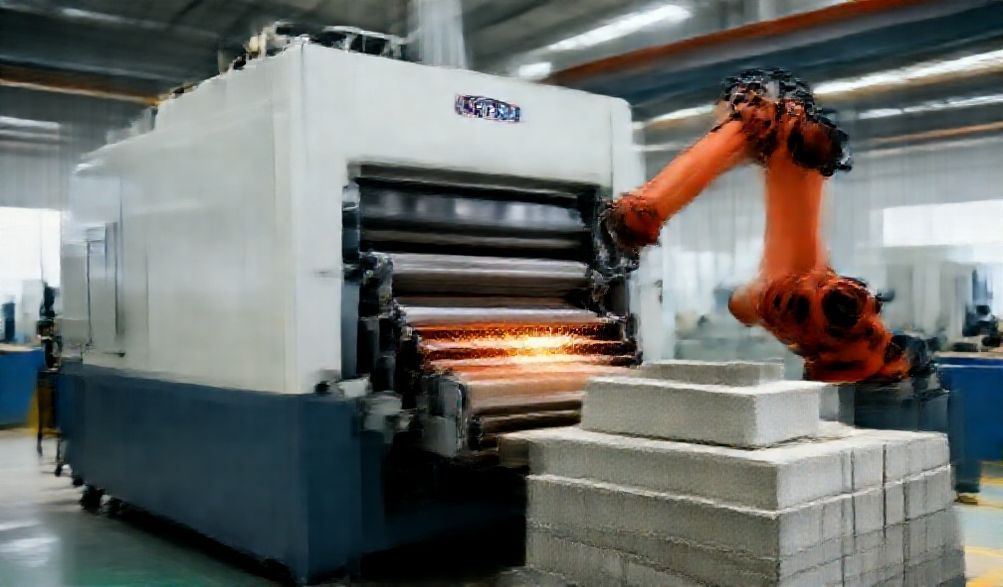
La Guía Definitiva de la Máquina de Fabricación de Ladrillos QT9-15 de China: Eficiencia, Costo y Operación
Introducción
Para las empresas constructoras y fabricantes de bloques, escalar la producción a menudo encuentra un cuello de botella frustrante. Los desafíos son universales: lograr un volumen alto de producción sin sacrificar la calidad, gestionar los crecientes costos laborales y mantener la uniformidad en cada ladrillo. Los métodos manuales o semiautomáticos simplemente no pueden seguir el ritmo de las demandas de los proyectos de infraestructura moderna, poniendo en riesgo la rentabilidad y los plazos de entrega.
Introduzca la máquina de fabricar ladrillos QT9-15 de China: una potencia hidráulica completamente automática diseñada para transformar estos puntos críticos industriales en una operación optimizada y rentable. Como una solución líder proveniente del centro manufacturero mundial, representa un salto significativo en automatización para producciones de mediana a gran escala.
Esta guía definitiva se basa en un cimiento de análisis técnico, experiencia en adquisiciones industriales y conocimientos operativos. Nuestro objetivo no es venderle una máquina, sino proporcionarle un recurso integral e imparcial que le permita tomar una decisión segura e informada. Analizaremos las especificaciones de la QT9-15, desglosaremos sus costos reales, describiremos sus ventajas operativas y le proporcionaremos el conocimiento crítico necesario para navegar exitosamente el proceso de compra.
Al final de esta guía, tendrá una comprensión clara de las capacidades de la QT9-15, cómo evaluar su idoneidad para su proyecto y los pasos clave para obtener una máquina confiable de un proveedor chino de buena reputación.
¿Qué es la Máquina de Fabricación de Ladrillos QT9-15? Especificaciones Principales y Diseño
Para comprender su valor, primero debemos entender qué es el QT9-15 en esencia. No es solo una máquina para hacer ladrillos; es un sistema de producción integrado.
Tipo de Máquina y Función Principal
El QT9-15 se clasifica como unCompletamente automática, máquina estacionaria para fabricar bloques hidráulica.Su función principal es producir una amplia gama de productos de concreto con precisión y rapidez. A diferencia de los modelos semiautomáticos que requieren intervención manual constante, esta máquina automatiza todo el ciclo, desde la alimentación de la materia prima hasta la expulsión y apilamiento de los bloques terminados.
Su versatilidad es un punto de venta clave. Con un simple cambio de molde, el QT9-15 puede producir:
Bloques huecos (de varios espesores, p. ej., 4″, 5″, 6″, 9″)
* Ladrillos macizos
* Adoquines y bloques de enclavamiento
* Bordillos
* Bloques de plantación de césped
Especificaciones Técnicas Clave del QT9-15
El número de modelo "QT9-15" en sí es descriptivo: a menudo denota la capacidad de producir un bloque hueco estándar de 9 pulgadas con un tiempo de ciclo en el rango de 15 a 20 segundos. Estas son las especificaciones técnicas centrales que definen su rendimiento:
- Producción de Salida:Aproximadamente4,320 – 5,760 pieces of standard 9-inch (200x150x400mm) hollow blocks per 8-hour shift (theoretical capacity, based on a 15-20 second cycle).
- Tiempo de Ciclo de Moldeo. 15-20 segundos, depending on block type and raw material consistency.
- Requisitos de Energía: Total installed power typically ranges between 45-55 kW. A stable three-phase power supply is essential.
- Tamaño del Palet:El tamaño estándar del pallet es1100×540 mm, which dictates the maximum block footprint per cycle.
- Peso y Dimensiones de la Máquina: A robust machine weighing around 8-10 tons, with a large footprint requiring a prepared, solid factory floor.
- Sistema de Presión: Features a high-pressure hydraulic system, often operating in the range of 21-31 MPa, ensuring highly compacted and strong bricks.
Standard Configuration and Components
A typical QT9-15 is more than just a press. It’s a system. A standard configuration usually includes:
- Sistema de Control PLC: The brain of the operation. A programmable logic controller automates the entire production sequence, allows for parameter adjustments, and provides fault diagnostics via a user-friendly touchscreen interface.
- Hydraulic Station: Comprises the oil tank, pumps, valves, and motors. It’s the muscle that provides the pressing force.
- Sistema de Vibración: High-frequency, multi-directional vibration motors mounted on the mold table ensure the concrete mix is evenly distributed and compacted, eliminating voids.
- Alimentador y Apilador de Palets: Automatically feeds empty pallets into the machine and stacks finished blocks onto carts, enabling continuous operation.
- Conveyor & Mixer: While sometimes quoted separately, a complete “production line” includes a pan mixer or planetary mixer and a belt conveyor to feed the hopper, creating a closed-loop automated process.
Key Advantages of Choosing the QT9-15 Machine
Investing in a QT9-15 is a strategic decision. Here are the tangible benefits that drive its popularity in global markets.
High Production Efficiency and Automation
The automation provided by the PLC is transformative. Once parameters are set, the machine runs with minimal human oversight. This leads to:
* Reducción drástica de mano de obra: A single line often requires only 2-4 personnel for monitoring, feeding, and managing stacked blocks, compared to a dozen or more for equivalent manual output.
* Unwavering Consistency: Every cycle is identical, producing blocks with the same dimensions, density, and finish. This eliminates product variation that can plague construction projects.
* Maximized Uptime: Automated cycles are faster and can continue through shifts with breaks only for maintenance, dramatically increasing daily output.
Superior Product Quality and Versatility
Quality isn’t sacrificed for speed. The high hydraulic pressure compacts the raw material to an exceptional density, resulting in bricks with:
* Alta Resistencia a la Compresión: Meeting and often exceeding international standards for load-bearing construction.
* Excelente Acabado Superficial: Smooth, sharp edges and defined details, crucial for aesthetic applications like paving stones.
* Rapid Mold Change: The design typically allows for mold changes within 30-60 minutes, enabling manufacturers to switch production to meet diverse customer orders quickly, maximizing market responsiveness.
Robust Design and Durability
Chinese manufacturers have engineered the QT9-15 for the rigors of industrial use. Key durability features include:
* Marco de Acero de Alta Resistencia:Soldado con acero de alta calidad para resistir la vibración y el estrés constantes.
* Quality Hydraulic Components: Increasingly, suppliers use reputable brand pumps and valves (e.g., Rexroth, Yuken) for reliability.
* Corrosion-Resistant Treatments: Critical parts are often painted with industrial-grade finishes or treated to resist the harsh, damp concrete production environment.
Rentabilidad y retorno de inversión (ROI)
The initial investment is significant, but the return on investment (ROI) calculus is compelling:
* Menor Costo por Unidad: High output spreads fixed costs (machine depreciation, energy, labor) over thousands of blocks, reducing the cost per piece.
* Ahorro en Costos Laborales: The single largest variable cost in block making is dramatically reduced.
* Reducción de Residuos: Consistent production minimizes defective blocks and material waste.
* Eficiencia Energética: Modern hydraulic and drive systems are designed to optimize power consumption per block produced.
Critical Considerations Before Purchasing a QT9-15
A successful purchase requires more than just transferring funds. Due diligence is your most important tool.
Assessing Your Production Needs vs. Machine Capacity
Don’t buy a machine based on its maximum spec sheet number. Ask:
* What is my current and projected 3-year demand? The QT9-15 is ideal for medium to large-scale operations.
* What mix of products will I sell? Ensure the machine’s quick-change system and available molds match your product catalog.
* Do I have the space and infrastructure? You need a large, level factory shed, three-phase power, and space for raw materials and block curing.
Understanding Total Cost: Beyond the Sticker Price
The FOB (Free On Board) price is just the beginning. Budget comprehensively for:
* Machine Price: The base quotation.
* Envío y Seguro: Ocean freight (LCL or FCL), insurance, and port fees.
* Derechos de Aduana e Impuestos: Vary significantly by country; consult a local customs broker.
* Instalación y Puesta en Marcha: Costs for a technician from the supplier to travel and install (highly recommended).
* Entrenamiento: For your operators and maintenance staff.
* Kit de Piezas de Repuesto: An initial inventory of common wear parts (seals, springs, filter elements).
Choosing a Reliable Chinese Manufacturer or Supplier
This step can make or break your investment.
Expert Tips for Vetting Suppliers:
* Verify Business Credentials: Use third-party verification on B2B platforms. A “Gold Supplier” or “Assessed Supplier” status on Alibaba is a basic filter.
* Request a Factory Audit: Hire a third-party inspection company (like SGS, BV) to visit the factory, check production capability, and quality control processes.
* Ask for Client References: A reputable supplier will provide contactable clients, preferably in your region. Actually call them.
* Demand Live Video: Ask for a live video call to see the machine running in their workshop, not a generic promotional video.
* Scrutinize the Contract: Ensure it clearly details payment terms, delivery Incoterms, warranty (scope and duration), and after-sales support obligations.
Red Flags to Avoid:
* A supplier unwilling to provide a direct phone number or factory address.
* Prices that seem too good to be true (they are—likely indicating inferior materials or hidden costs).
* Vague or evasive answers to technical questions.
* No clear warranty or after-sales policy.
Installation, Training, and After-Sales Support
The machine’s performance depends heavily on post-purchase support. Negotiate and confirm in writing:
* Supervisión de Instalación: That a qualified engineer will be provided to assemble, calibrate, and commission the machine at your site.
* Entrenamiento Integral: Hands-on training for your team on operation, routine maintenance, and basic troubleshooting.
* Warranty Terms: Standard is 12-18 months for parts (excluding wear parts). Clarify what is covered, who pays for labor, and how claims are processed.
* Soporte Técnico: Ensure they offer remote support (WhatsApp, Skype, TeamViewer) and have a policy for dispatching technicians if needed.
* Disponibilidad de Repuestos: Confirm they stock critical spare parts and can ship them via reliable couriers (DHL, FedEx).
Operational Guide and Maintenance Best Practices
Proper operation and maintenance are the keys to longevity and consistent output.
Basic Setup and Daily Operation Workflow
A standard workflow for a complete line is:
1. Dosificación de Materias Primas: Cement, sand, aggregate, and water are measured and fed into the mixer.
2. Mezcla y Transporte: The mixer produces a homogeneous concrete mix, which is conveyed to the brick machine’s hopper.
3. Automatic Cycle: The PLC-controlled cycle begins: pallet feeding, mold filling, high-pressure vibration and compaction, mold lifting, block ejection.
4. Block Transfer & Stacking: The finished block on its pallet is conveyed out and automatically stacked onto a curing rack.
5. Curado: The stacked blocks are moved to a curing area (often a steam curing chamber for faster strength gain) for the required time.
Routine Maintenance Checklist
Preventive maintenance is non-negotiable.
- Daily:
- Check hydraulic oil level and temperature.
- Lubricate all guide rods and moving parts.
- Clean the machine, especially the mold area and sensors.
- Inspect for any loose bolts or visible leaks.
- Weekly:
- Check and tighten all electrical connections.
- Inspect vibration motor mounts.
- Clean the hydraulic oil filter.
- Monthly/500 Hours:
- Test the hydraulic oil quality; plan for changes as per manufacturer schedule.
- Conduct a thorough inspection of all wear parts (mold liners, seal rings).
Troubleshooting Common Issues
- Block Surface Defects (Cracking, Chipping): Usually a raw material issue—check mix design (too much water, incorrect sand/aggregate ratio) or compaction pressure settings.
- Inconsistent Block Height: Likely caused by an uneven feed of concrete into the mold or wear on the mold liners. Check the feeder setting and mold condition.
- Hydraulic System Overheating: Check oil level, cleanliness, and the cooling system. Ensure the system is not operating above its designed pressure for extended periods.
- Machine Vibration or Noise: Inspect for loose bolts, worn vibration motor bearings, or an unlevel installation.
Crucial Rule: For any electrical or major hydraulic issue outside basic checks, stop the machine and contact your supplier’s technical support. Attempting complex repairs without expertise can cause further damage and void warranties.
Comparing the QT9-15: Is It Right for Your Project?
Context is everything. Let’s see where the QT9-15 fits in the broader equipment landscape.
QT9-15 vs. Smaller Semi-Automatic Machines
- Inversión: QT9-15 requires a higher initial capital outlay.
- Trabajo: QT9-15 needs 2-4 workers; semi-automatics may need 6-10 for similar output.
- Output & Consistency: QT9-15 offers vastly higher, more consistent output with less fatigue-related variation.
- Mejor Para: QT9-15 is for businesses scaling up. Semi-automatics suit very small startups or markets with extremely low labor costs.
QT9-15 vs. Larger Fully Automatic Lines (e.g., QT10-15, Zenith 940)
- Salida: Larger lines (like the QT10-15) can have 20-30% higher output.
- Footprint & Investment: They require more space and a significantly higher investment.
- Complexity: Installation, maintenance, and operation are more complex.
- Mejor Para: The QT9-15 is the “sweet spot” for high-volume production without the extreme scale and cost of a mega-plant. Larger lines are for dedicated, massive block production factories.
Ideal Use Cases for the QT9-15
The QT9-15 is perfectly suited for:
* Growing Block Manufacturing Businesses: Ready to move from manual/semi-auto to serious automation.
* Construction & Real Estate Companies: Looking to produce blocks in-house for their own large housing or infrastructure projects, ensuring supply and quality control.
* Entrepreneurs Entering the Market: With a clear business plan targeting medium-scale demand in a developing construction sector.
* Government or NGO Projects: For large-scale, standardized housing or community development initiatives.
FAQ Section
Q1: What is the exact production capacity of the QT9-15 brick machine per day?
A: While the theoretical capacity is 4,300-5,700 blocks per 8 hours, a practical, sustainable output is closer to 3,500-4,500 blocks. This accounts for mold changes, maintenance pauses, and material handling. Always plan based on practical output.
Q2: What raw materials can it use?
A: It can process a standard concrete mix: Portland cement, sand (crushed or river), stone chips or gravel (3-10mm), fly ash (to reduce cement use), and a small amount of water. A precise, consistent mix design is critical for quality and machine health.
Q3: Does the price include a mixer and conveyor?
A:You must confirm this with every supplier. Some quote the “stand-alone block machine” only. Others quote a “complete production line” including mixer, conveyor, and sometimes a block stacker or cement silo. Always request a detailed equipment list with your quotation.
Q4: How many workers are needed to operate it?
A: For a complete line, a typical efficient crew is 3-4: one person managing raw material batching/mixer, one monitoring the machine and hopper, and one or two managing the block stacking and curing area logistics.
Q5: What is the lead time and shipping process from China?
A: Standard production lead time is 30-45 days after deposit. Shipping is typically arranged under FOB (you own goods once loaded on the ship) or CIF (supplier pays freight to your nearest port). You are responsible for customs clearance inland. Working with a experienced freight forwarder in your country is highly advised.
Conclusión
The China QT9-15 brick making machine stands as a testament to efficient, automated industrial manufacturing. It is a workhorse capable of elevating a block production business from a labor-intensive operation to a streamlined, high-volume enterprise. Its blend of robust construction, intelligent PLC control, and versatile output makes it a compelling investment for the serious manufacturer.
However, the machine itself is only one part of the equation. As we’ve emphasized, your success hinges on thorough self-assessment, meticulous supplier due diligence, and proactive planning for installation and long-term support. This guide provides the framework; your careful application of its principles will determine the outcome.
Use this information as your foundation. Prepare a detailed questionnaire for potential suppliers. Insist on live demonstrations and speak to their previous customers. The goal is to move from a hopeful buyer to an informed partner in your own business growth.
Ready to take the next step? Begin by clearly defining your project requirements and budget, then start your supplier search with the critical filters we’ve outlined. Your journey to automated brick production starts with informed action.
<