Los Determinantes Multifacéticos del Peso del Ladrillo
El peso de un ladrillo que sale de una línea de producción moderna no es accidental. Es el resultado preciso de varios factores interconectados, cada uno controlable mediante ajustes de máquina y ciencia de materiales.
1. Composición y Densidad del Material del Núcleo
El ingrediente fundamental es el principal impulsor del peso basal.
- Ladrillos de Arcilla:Compuesto principalmente de esquisto, arcilla y otros aluminosilicatos naturales. La mineralogía del material de origen afecta significativamente la densidad después de la cocción. Un ladrillo hecho de arcilla refractaria densa será más pesado que uno hecho de una arcilla superficial más porosa, incluso con dimensiones idénticas.
- Ladrillos y Bloques de Concreto:Aquí, el tipo de agregado es primordial. Un ladrillo que utiliza arena y grava estándar tendrá una densidad típica. Sin embargo, el uso de agregados ligeros—como esquisto expandido, arcilla, pizarra o vidrio reciclado—puede reducir el peso entre un 25% y un 40% manteniendo los estándares de resistencia requeridos. Por el contrario, el uso de agregados pesados como mineral de hierro o barita se especifica para aplicaciones especializadas que requieren blindaje contra radiación o lastre.
2. Proceso de Fabricación y Precisión de la Máquina
La maquinaria y el proceso imprimen una firma final y crítica en el peso del ladrillo.
- El Papel de la Compactación y la Presión:Esta es la variable más significativa controlada por la máquina. La compactación estática de alta presión, un sello de la maquinaria avanzada, obliga a las partículas a formar una matriz más densa, eliminando los vacíos de aire. Un ladrillo producido a 200 kg/cm² será notablemente más pesado y resistente que una mezcla idéntica compactada a 100 kg/cm², asumiendo que todo lo demás sea igual. La capacidad de la máquina para aplicar y mantener una presión constante y calibrada determina directamente la consistencia del producto en peso y rendimiento.
- Contenido de Humedad y Secado/CocciónPara los ladrillos de hormigón, el contenido inicial de agua en la mezcla se evapora, dejando huecos. Un control preciso de la humedad mediante sistemas de dosificación automatizados garantiza que esta variable se minimice. Para los ladrillos de arcilla, el proceso de cocción en un horno provoca sinterización y vitrificación. El perfil de temperatura y la duración influyen en la porosidad final y, por lo tanto, en el peso; temperaturas más altas generalmente producen un producto más denso y ligeramente más pesado.
- Precisión dimensional y tolerancias:La maquinaria moderna con moldes mecanizados por CNC y sistemas hidráulicos estables produce ladrillos con tolerancias dimensionales extremadamente ajustadas. Una variación de solo unos pocos milímetros en ancho, alto o largo durante una tanda de producción se traduce en una variación de peso medible por unidad. Un peso constante es un indicador directo de la precisión en la fabricación.
Navegando los pesos "estándar" en los mercados globales.
El término "ladrillo estándar" es relativo geográficamente. Las dimensiones clave y, por extensión, los pesos varían para adaptarse a las prácticas de construcción regionales y los precedentes históricos.
1. Tamaños modulares comunes y sus pesos típicos
- Ladrillo Modular (Estados Unidos)El estándar predominante tiene dimensiones nominales de 8″ x 3 5/8″ x 2 1/4″ (203 mm x 92 mm x 57 mm). El peso de un ladrillo modular de arcilla sólida generalmente oscila entre4.0 a 4.5 libras (1.8 a 2.0 kg)Un ladrillo modular de concreto del mismo tamaño puede ser ligeramente más pesado, a menudo entre4.5 a 5.0 lbs (2.0 a 2.3 kg).
- Ladrillo Estándar (Reino Unido, Australia)Comúnmente de aproximadamente 215 mm x 102.5 mm x 65 mm. Un ladrillo de arcilla sólida en este formato generalmente pesa entre3,0 a 3,5 kg (6,6 a 7,7 libras).
- Metric Cooperative Brick (Many EU countries): Sized at 290mm x 140mm x 90mm for easier calculation in metric designs, this is a larger unit. Its weight can range from 6.0 to 8.0 kg (13.2 to 17.6 lbs) depending on material and void structure.
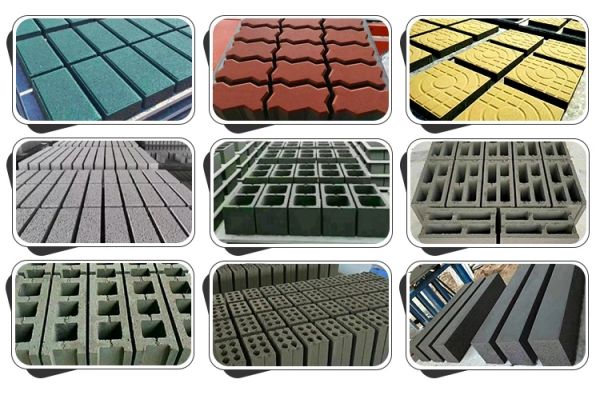
- Hollow or Perforated Bricks: A critical category for weight reduction. These bricks feature voids or holes, which can reduce their weight by 30% to 50% compared to a solid brick of the same face dimensions. A modular hollow clay brick may weigh around 2.5 to 3.5 lbs (1.1 to 1.6 kg), offering significant benefits in handling and structural load.
2. The Strategic Importance of Weight Classes
Beyond a single number, weight informs application.
- Pavers and Heavy-Duty Engineering Bricks: Designed for traffic loads and foundations, these are deliberately dense and heavy, often exceeding 5 kg (11 lbs), to withstand high compressive forces and weathering.
- Lightweight Blocks for Partition Walls: Autoclaved aerated concrete (AAC) or highly perforated clay blocks are engineered for minimal weight (as low as 10-15 kg per block covering a much larger area than a brick) to reduce dead load on structures and improve thermal insulation.
- Face Brick vs. Common Brick: Face bricks, selected for appearance, may have a more consistent weight and density due to tighter quality control, while common bricks for backing may have a wider acceptable weight range.
Strategic Implications for Distribution and Procurement
The weight of a brick is a logistical and commercial variable with direct cost implications.
- Logistics and Transportation Economics: Weight is a primary factor in freight costs. Understanding the weight per unit and per pallet is essential for accurate shipping quotes, load optimization, and warehouse storage planning. Lightweight brick and block products can dramatically increase the number of units shipped per container or truck, reducing the per-unit transport cost.
- On-Site Labor Efficiency and Safety: Ergonomics and labor productivity are directly affected. Heavier bricks increase mason fatigue, potentially slowing construction speed and increasing the risk of repetitive strain injuries. The trend in many markets is toward larger, but lighter, units (like thin brick or lightweight blocks) that maintain coverage rate while reducing individual lift weight.
- Structural Design and Load Calculations: Architects and structural engineers specify bricks based on weight (dead load) as much as strength. Supplying bricks that conform to the expected weight class is non-negotiable for structural integrity. A variance could affect the building’s calculated load-bearing capacity.
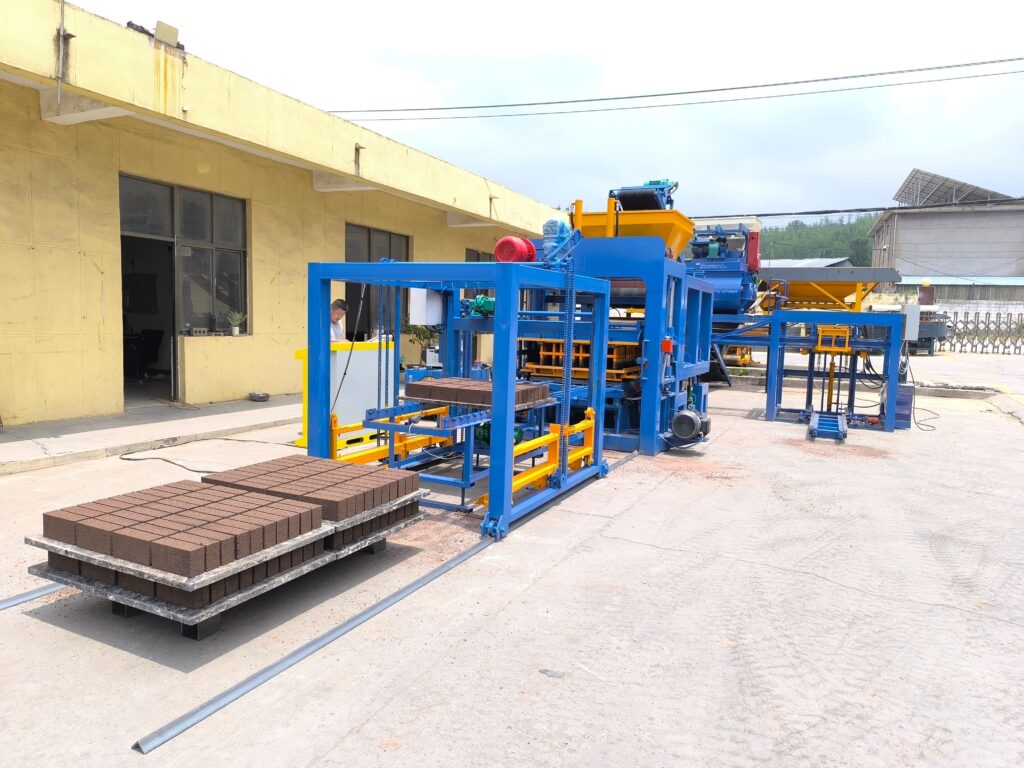
- Machinery Selection and Client Advisory: For equipment distributors, this knowledge is pivotal. A client aiming to produce lightweight AAC blocks requires a completely different machinery suite (involving slurry preparation, autoclaving) than a client targeting high-density, heavy clay pavers. Recommending machinery capable of producing the desired weight-density profile—through adjustable compaction, mold design for voids, or compatibility with lightweight aggregates—is a high-value service.
Conclusión
The weight of a machine-made brick is far more than a number on a spec sheet. It is a holistic signature of the product’s identity, encapsulating its raw material origins, the precision of the manufacturing technology that formed it, and its ultimate destiny in the built environment. For the industry professional, expertise in this area is a critical differentiator. It enables informed dialogue with clients about market positioning—whether targeting the heavy-duty civil engineering sector or the efficient, lightweight residential construction market. It underscores the importance of investing in machinery that offers not just output, but controlled and versatile output, capable of hitting specific weight and density targets consistently. Ultimately, by mastering the nuances of brick weight, distributors and procurement experts can optimize supply chains, enhance worksite productivity, ensure structural compliance, and provide data-driven guidance that transforms brick from a commodity into a precisely engineered component, driving value at every link of the construction chain.
Frequently Asked Questions (FAQ)
Q1: Why is there such a wide weight range even for bricks of the same nominal size?
The variance arises from the core factors discussed: material density (type of clay or aggregate), manufacturing process (compaction pressure, firing temperature), and internal structure (solid vs. cored). A highly vitrified clay brick and a porous, low-fired clay brick can share dimensions but differ markedly in weight. Consistency within a production batch is a mark of quality; variance between types is a mark of product differentiation.
Q2: How does the weight of a brick correlate with its strength and insulation properties?
Generally, for bricks of the same material type and manufacturing process, a higher weight indicates greater density, which usually correlates with higher compressive strengthylower water absorption. However, regarding insulation, the relationship is inverse. Greater density and weight often mean lower thermal resistance (R-value). Lighter, more porous bricks trap more air, providing better insulation. Therefore, choice involves a trade-off based on the priority: load-bearing capacity versus energy efficiency.
Q3: What are the key questions to ask a machinery manufacturer regarding product weight control?
- What is the machine’s maximum compaction pressure, and how is it regulated and monitored?
- Does the control system allow for storing and executing precise “recipes” for different products to ensure batch-to-batch consistency?
- How tight are the dimensional tolerances guaranteed for the molded unit?
- Is the system compatible with lightweight aggregates or designed for producing perforated bricks to achieve lower weight classes?
Q4: For procurement, what weight-related details should be specified in an order?
To avoid disputes, orders should specify:
- Nominal Dimensions (e.g., 8″x4″x2″).
- Minimum Average Compressive Strength (e.g., 3000 psi).
- Maximum Water Absorption (e.g., 15%).
- Target Weight per Unit or Weight Range (e.g., 4.2 ± 0.2 lbs).
- The Standard Test Method used for verification (e.g., ASTM C67).
Specifying weight alongside strength and absorption provides a more complete quality picture.
Q5: Is there a global trend toward heavier or lighter bricks?
The trend is decisively toward optimized weight, not simply lighter or heavier. This means:
- Lighter, larger-format units (blocks) for faster construction and better insulation in walls.
- Dense, heavy pavers and engineering bricks where abrasion resistance and extreme durability are needed.
- Precision in weight consistency as a benchmark of manufacturing quality, regardless of the absolute weight class. The market is segmenting into specialized products, each with an engineered weight-to-performance ratio.