
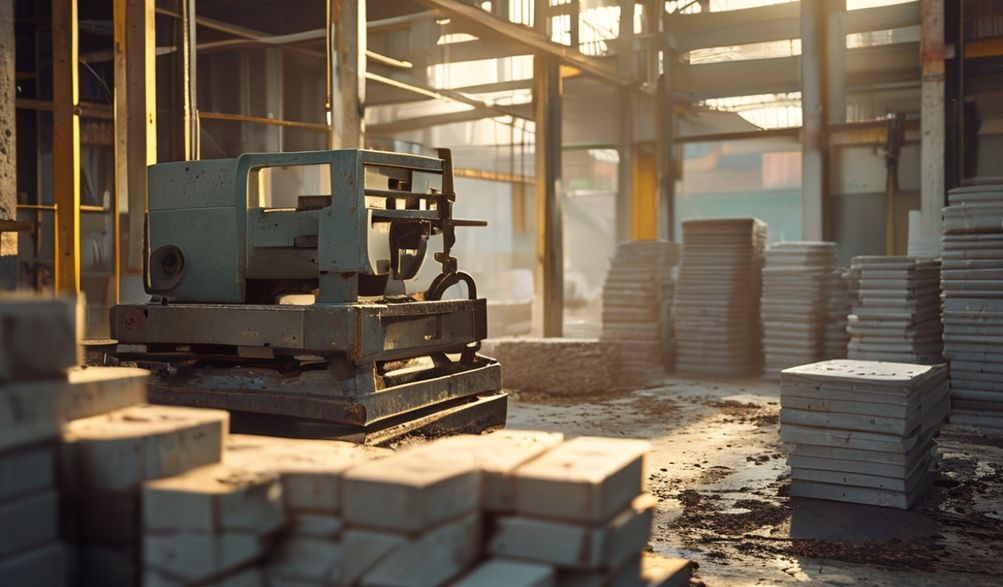
Your Ultimate Guide to Cement Brick Block Making Machine Suppliers in Bangladesh (2026)
Introducción
Bangladesh’s skyline is a testament to a relentless construction boom. From the sprawling residential complexes in Purbachal to the mega-infrastructure projects crisscrossing the nation, the demand for robust, affordable building materials has never been higher. At the heart of this material revolution is the humble cement brick and concrete block—a sustainable, strong alternative to traditional burnt clay bricks.
Yet, for builders, contractors, and aspiring entrepreneurs, a critical challenge emerges right at the foundation: sourcing a reliable, efficient, and cost-effective máquina de fabricación de bloques de ladrillos de cemento. The market is flooded with options, from local workshops to international brands, making the procurement process a maze of technical specs, price variations, and promises of after-sales service. How do you cut through the noise and find a trustworthy partner, not just a seller?
This guide is your definitive roadmap. Crafted from in-depth industry analysis, current market trends, and practical procurement insights, we will navigate the complete landscape of cement brick block making machine suppliers in Bangladesh. Our goal is to arm you with the knowledge to make an informed, confident investment that powers your productivity and profitability for years to come.
Understanding Cement Brick & Block Making Machines
Before engaging with suppliers, understanding the machinery itself is crucial. This knowledge ensures you communicate your needs effectively and evaluate supplier expertise.
Tipos de Máquinas: Desde Manuales hasta Totalmente Automáticas
The right machine depends entirely on your project scale, budget, and labor availability.
- Máquinas Manuales y Semiautomáticas: Ideal for small-scale startups, community projects, or rural construction.
- Manual: Lowest investment, fully dependent on human labor for mixing, filling, and compacting. Very low output.
- Semiautomático: Incorporates a mechanical or hydraulic press and vibration system. Operators feed material and remove blocks. Offers a good balance of cost and productivity for small to medium enterprises.
- Máquinas Estacionarias de Fabricación de Bloques Completamente Automáticas: The workhorses for medium to large-scale commercial block yards.
- These machines automate the entire process: mixing, feeding, compacting, curing, and stacking.
- They require a fixed, solid foundation and offer high, consistent output with minimal manual intervention.
- Mobile Block Making Machines (Egg Laying Type): A popular choice for on-site production and projects with limited space.
- The machine produces blocks and “lays” them directly onto a level concrete floor, moving forward after each cycle.
- Eliminates the need for pallets and complex material handling systems.
- Concrete Hollow Block Machines vs. Paver Block Machines:
- Máquinas para Bloques Huecos: Designed to produce standard hollow blocks used in walls (e.g., 4″, 5″, 6″, 8″ blocks). Molds create the characteristic voids, making blocks lighter and improving insulation.
- Paver Block/Interlocking Block Machines: These produce dense, solid blocks used for paving, walkways, and driveways. They often require higher pressure for compaction.
Especificaciones Clave a Considerar Antes de Comprar
Never buy on price or promises alone. Scrutinize these technical details:
- Capacidad de Producción: Measured in blocks per hour or per 8-hour shift. Supplier claims often cite ideal conditions. Ask for realistic, sustainable output figures.
- Block Sizes and Mold Configurations: Can it produce the specific block sizes you need (e.g., 4″ hollow block, 60mm paver)? How quickly can molds be changed? Does the supplier offer custom mold fabrication?
- Requisitos de Energía: Is it electric (3-phase is standard for industrial machines), diesel-powered (good for areas with unstable electricity), or a hybrid model? Factor in your local utility reality.
- Componentes Clave: The quality of these defines machine longevity.
- Sistema Hidráulico: The heart of the machine. Reputable brands (like Bosch Rexroth, Yuken) are a sign of quality.
- Sistema de Vibrador: Responsible for compacting the concrete mix. High-frequency, durable vibrators are essential for strong, dense blocks.
- Panel de Control: User-friendly, preferably with PLC (Programmable Logic Controller) for automatic machines, ensuring precision and ease of operation.
The Landscape of Suppliers in Bangladesh
The supplier ecosystem in Bangladesh is diverse, each with its own advantages and caveats.
Local Manufacturers vs. International Supplier Agents
- Local Bangladeshi Manufacturers:
- Pros: Generally lower upfront cost, easier communication, potentially quicker delivery and service response. They understand local raw material (sand/aggregate) characteristics.
- Contras: Technology and durability can vary widely. Some may use lower-grade components. Innovation and automation levels may lag behind international standards.
- Authorized Agents/Dealers for International Brands:
- Pros: Access to globally proven technology from China, India, Germany, or Turkey. Typically better build quality, energy efficiency, and higher automation. Comes with structured technical documentation and (theoretically) international-standard after-sales support.
- Contras: Higher initial investment. Risk of dealing with unauthorized “fake” agents. Ensure they hold valid, current authorization certificates from the parent company.
Key Industrial Hubs for Machinery Suppliers
Your physical search should focus on these areas:
* Dhaka: The primary hub. Concentrate on industrial zones like Tejgaon Industrial Area, MirpuryKazipara. Many major agents and showrooms are located here.
* Chittagong: A vital port city, making it a key location for importers and suppliers catering to the southeastern region.
* Narayanganj & Gazipur: These industrial belts host several local manufacturing and assembly units for construction machinery.
How to Identify and Evaluate Reputable Suppliers
This is the most critical phase of your journey. Due diligence separates partners from predators.
Essential Verification Checks (Building Trust)
- Company Legacy & Physical Verification: How long have they been in business? Visit their office and showroom. A supplier operating from a credible, permanent address is a positive first sign.
- Authorized Dealer Certificates: If they claim to represent “Brand X,” demand to see the official authorization letter, which should be current and specify their territory. Contact the brand’s regional office to verify if possible.
- Client Portfolio & Site Visits: Ask for a list of previous clients, preferably with similar machine models. The single most important step: Request to visit 1-2 of these installations. Speak directly to the machine owner about performance, reliability, and service support.
Assessing After-Sales Service and Support
The machine will need maintenance. The supplier’s service quality determines your downtime.
- Spare Parts Inventory: Do they stock critical spare parts (hydraulic seals, vibrator motors, control relays) locally in Bangladesh? Waiting months for a part from overseas can cripple your business.
- Warranty & Support Terms: Get warranty terms in writing. What is covered (parts, labor)? For how long? Is on-site technical support included? Do they provide comprehensive operator training?
- Service Response Time: A good supplier will commit to a maximum response time (e.g., 24-48 hours for communication, 3-5 days for a technician visit). This should be part of your purchase agreement.
Cost Analysis and Investment Guide
Look beyond the sticker price to understand the total cost of ownership.
Price Range Breakdown by Machine Type
Prices are approximate and subject to market fluctuations. Always get fresh quotations.
- Manual/Small Semi-Automatic: BDT 150,000 – BDT 500,000 (≈ $1,300 – $4,300 USD). Ideal for micro-enterprises.
- Medium Semi-Automatic/Egg Laying Mobile: BDT 600,000 – BDT 1,800,000 (≈ $5,100 – $15,300 USD). The most popular range for SMEs.
- Planta Estacionaria Completamente Automática: BDT 2,000,000 – BDT 10,000,000+ (≈ $17,000 – $85,000+ USD). For large-scale commercial production.
Factors influencing price: Brand reputation, level of automation, production capacity, quality of components (e.g., German hydraulics vs. generic), and included services.
Beyond the Machine: Calculating Total Project Cost
- Moldes: Standard block molds may be included. Custom paver or special block molds cost extra (BDT 20,000 – BDT 100,000+ each).
- Installation & Foundation: A solid, level concrete foundation is mandatory. Factor in civil work costs and utility connections (3-phase power line, water connection).
- Raw Material & Ancillary Equipment: Budget for a concrete mixer, raw material (cement, sand, stone chips/chips), curing space, and material handling tools (trolleys, racks).
FAQs: Cement Brick Block Machine Suppliers in Bangladesh
Q1: What is the average price of a small-scale cement block making machine in Bangladesh?
A: For a starter semi-automatic machine producing 800-1500 blocks per day, expect an investment between BDT 400,000 to BDT 800,000. Always account for additional setup costs.
Q2: Which is better, a local machine or an imported one from China?
A: There’s no universal answer. A well-made local machine offers easier service. A quality imported machine (through an authorized agent) often has better technology. The “better” choice depends on your budget, scale, and, most importantly, the verified reputation and service capability of the specific supplier you are dealing with.
Q3: What after-sales services should I demand from a supplier?
A: Mandatory services include: comprehensive operator training at your site, a clear warranty document (minimum 1 year on core parts), availability of a local spare parts inventory, and a committed service response time guarantee.
Q4: How do I verify if a supplier is an authorized dealer for a brand?
A: 1) Ask for their official authorization certificate. 2) Check the certificate’s date and authorized territory. 3) Contact the brand’s head office or regional office (often in India or China) via email to confirm the dealership.
Q5: What are the most common block sizes produced, and can molds be customized?
A: Most common are 4″, 5″, and 6″ hollow blocks. Solid and paver blocks in 60mm, 80mm thickness are also standard. Reputable suppliers and local workshops can customize molds for unique designs or sizes, at an additional cost and lead time.
Q6: What is the typical lead time for machine delivery and installation?
A: For locally available or manufactured machines, 2-4 weeks. For imported machines requiring shipment, 8-12 weeks is common. Installation and commissioning can take an additional 1-2 weeks, depending on site readiness.
Making Your Purchase Decision: A Step-by-Step Checklist
Pre-Purchase Steps
- Needs Assessment: Precisely define your daily production target, primary block types, available budget, and site conditions (power, space).
- Supplier Shortlisting: Based on online research, industry references, and hub visits, create a shortlist of 3-5 suppliers who offer machines matching your needs.
- Request for Quotation (RFQ): Contact each with a detailed RFQ. Demand a breakdown that includes machine specs, warranty, training details, delivery time, and all costs (machine, molds, installation).
Finalizing the Deal
- Factory/Demo Visit: Never skip this. See the machine in operation, either at their facility or, better yet, at a client’s site.
- Document Scrutiny: Carefully review the Proforma Invoice, Warranty Certificate, and Sales Agreement. Ensure all verbal promises are documented.
- Payment & Delivery Terms: Negotiate clear terms. A common structure is 50% advance, 40% before delivery, 10% after successful commissioning. Get a written delivery schedule.
Conclusión
Choosing the right cement brick block making machine supplier in Bangladesh is a strategic decision that extends far beyond a simple transaction. It is the foundation of a long-term partnership that will directly impact your operational efficiency, product quality, and bottom line.
This guide underscores a central principle: your due diligence is non-negotiable. In a dynamic market, prioritize suppliers who demonstrably embody the core principles of E-E-A-T:
* Experiencia: A proven track record with a portfolio of running machines.
* Experiencia: Deep technical knowledge to guide you, not just sell to you.
* Autoridad: Recognition through official brand authorizations and industry reputation.
* Confianza: Transparent dealings, honest communication, and a robust, reliable after-sales support system.
Use this framework to navigate your conversations and evaluations. Supplement it by speaking directly to other machine owners. Their firsthand experiences are invaluable. With careful planning and informed scrutiny, you can secure a machine—and a supplier—that builds the foundation for your success for years to come.
<