
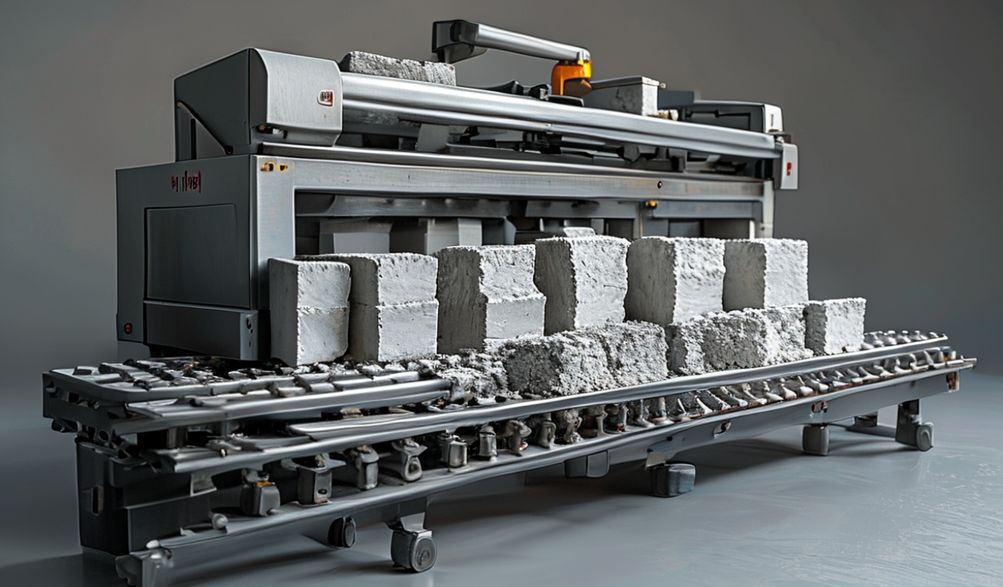
Cement Block Making Machine Prices in 2026: A Complete Buyer’s Guide
Introduction
You’re here because you need a reliable, cost-effective cement block making machine. You’ve likely discovered that a simple price tag is hard to find, and for good reason. The cost of a block machine isn’t a single number—it’s a reflection of your ambition, scale, and long-term vision.
Price is a crucial factor, but it’s deeply intertwined with machine type, production capacity, level of automation, and, most importantly, the long-term value it will deliver to your business or project. Choosing based on sticker price alone can lead to costly mistakes in underperformance or unexpected expenses.
This guide is designed to cut through the confusion. Drawing on industry analysis, manufacturer specifications, and practical operational insights, we will provide you with a clear, authoritative framework for understanding cement block making machine prices in 2026. We’ll break down what drives costs, provide realistic price ranges, and reveal the often-overlooked expenses to ensure your investment is informed, strategic, and poised for success.
Comprendre ce qui détermine les prix des machines de fabrication de blocs de ciment
To make a smart purchase, you must first understand the key engineering and commercial factors that determine cost. Think of these as the levers that control both the initial investment and the machine’s earning potential.
1. Level of Automation: Manual vs. Semi-Automatic vs. Fully Automatic
Automation is the single biggest driver of price. It directly trades capital expenditure for labor cost, output speed, and product consistency.
- Machines manuelles : These represent the lowest upfront cost, typically ranging from a few hundred to a few thousand dollars. They are entirely human-powered—materials are mixed, fed into a mold, and compacted manually (often with a lever). They are suitable for very small-scale, low-volume projects or remote locations with limited electricity. However, they are labor-intensive, slow, and produce blocks with variable quality.
- Machines semi-automatiques : This middle-ground option offers a significant step up. An operator typically loads the raw material mix into the machine, but the critical processes of vibration, compaction, and block ejection are mechanized, usually via an integrated hydraulic system and electric vibrators. This boosts output and improves consistency. Prices rise accordingly, placing these machines in a broad mid-range bracket.
- Machines entièrement automatiques : This is the premium investment. These computer-controlled systems integrate the entire production line: auto-feeding of raw materials, precise mixing, high-pressure compaction, curing, and even automatic stacking or palletizing. They maximize output (thousands of blocks per hour), minimize manual labor to 1-2 supervisors, and guarantee unparalleled consistency. The sophisticated technology, robust components, and integrated design command the highest prices.
2. Production Capacity & Output (Blocks Per Hour)
Price scales directly with potential output. Capacity is usually measured in blocks per hour or per 8-hour shift. Be realistic about your needs.
- Small-scale machines: Designed for startups or specific projects. Output might range from 500 to 1,500 blocks per 8-hour shift.
- Medium-scale machines: The workhorses for growing businesses. These can produce 2,000 to 5,000+ blocks per shift, catering to steady commercial demand.
- Large-scale, plant-style machines: These are industrial systems. With outputs of 10,000 to 20,000+ blocks per day, they supply major construction projects or serve as regional suppliers. They are priced as major capital investments.
3. Machine Type and Block Variety
The core design and versatility of the machine significantly impact its cost.
- Machines à blocs statiques : These are fixed, high-pressure machines that produce extremely dense and high-quality blocks (like concrete masonry units or pavers). They are often stationary and require a solid foundation. Their superior engineering and output quality generally come at a higher cost.
- Machines à blocs mobiles (pondeuses) : A popular choice for on-site production. These machines can be towed to different job locations. After producing a block, they move (“lay an egg”) forward, leaving a trail of blocks behind. While versatile, they often operate at lower pressures than static machines. Prices can be lower, but this isn’t always the case for high-capacity mobile units.
- Machines polyvalentes : A machine that can quickly switch between producing hollow blocks, solid blocks, paving slabs, and interlocking blocks (by changing molds) offers tremendous business flexibility. This added functionality and complexity increase the price compared to a single-purpose machine.
4. Key Components and Build Quality
This is where long-term value and reliability are determined. A cheaper machine with inferior components will cost more in downtime and repairs.
- Cadre et structure : A machine built with heavy-duty, reinforced steel will withstand constant vibration and pressure far better than one with a lighter frame. This durability comes at a higher material cost.
- Système hydraulique : The heart of a semi- or fully-automatic machine. The quality of the hydraulic pump, valves, cylinders, and hoses is paramount. Reputable brand-name components (e.g., Bosch Rexroth, Parker) are more expensive but offer reliability and longevity.
- Qualité et matériau du moule : Molds are consumable items, but their lifespan varies wildly. Hardened, chromium-plated steel molds are expensive but can produce hundreds of thousands of blocks before needing replacement. Cheaper, mild steel molds wear out quickly, affecting block quality and increasing long-term costs.
- Système de contrôle : A basic relay-based control panel is less expensive. A modern PLC (Programmable Logic Controller) system, while costlier, offers better precision, diagnostic capabilities, easier troubleshooting, and often the potential for future automation upgrades.
2026 Price Ranges for Cement Block Making Machines
The following price ranges are estimates in US Dollars (USD) for new equipment. They are intended as a guide and can vary significantly based on brand reputation, regional market factors, shipping distances, and specific configurations. Always request a formal quotation from suppliers.
Machines de niveau débutant / manuelles et petites machines semi-automatiques
- Gamme de prix : $1,000 – $8,000
- Idéal pour : Entrepreneurs testing the market, very small businesses, DIY homestead projects, or NGOs working in remote locations with unreliable power.
- Sortie typique : Up to 1,000 blocks per day. Production is highly dependent on operator effort and skill.
Mid-Range / Semi-Automatic and Basic Automatic Machines
- Gamme de prix : $8,000 – $40,000
- Idéal pour : This is the most competitive segment, ideal for a growing block-making business supplying local builders, or for medium-scale construction companies producing for their own projects.
- Sortie typique : 1,500 – 5,000 blocks per day. Machines in the higher end of this range will feature more automation, better hydraulics, and higher pressure for superior block quality.
- Remarque : Diligent research is critical here. The performance and durability difference between a $15,000 machine and a $25,000 machine can be substantial.
High-Capacity / Fully Automatic Production Lines
- Gamme de prix : $40,000 – $200,000+
- Idéal pour : Large-scale commercial block yards, industrial production facilities, or businesses looking to export blocks. This is a serious capital investment for high-volume, low-margin production.
- Sortie typique : 8,000 – 20,000+ blocks per day.
- Includes: At this level, you are often purchasing a complete system: the block making machine, an integrated pan mixer or batching plant, conveyor belt systems for material handling, and automatic stackers or palletizers.
Beyond the Sticker Price: The Total Cost of Ownership
The invoice price is just the beginning. A truly informed budget accounts for the Coût total de possession (CTP). Ignoring these factors is the most common financial mistake new buyers make.
1. Shipping, Installation, and Commissioning
- Shipping: For international purchases, freight costs (sea or air), insurance, and port handling fees can add 10-25% to the machine cost. Domestic shipping is simpler but still a line item.
- Installation & Foundation: Larger machines require a level, reinforced concrete foundation, which you must budget for separately.
- Commissioning: Some suppliers include basic setup and training in the price; for complex automatic lines, you may need to pay for a technician to travel to your site for installation and calibration.
2. Essential Auxiliary Equipment
The block machine alone doesn’t make a factory. You will likely need:
* Malaxeur à béton : A consistent mix is vital. A simple pan mixer may suffice for small operations; larger ones need planetary mixers or even batching plants.
* Manutention des matières premières Wheelbarrows work for starters, but hoppers, feeders, and conveyors save labor and time as you scale.
* Curing and Drying Space: Blocks need to cure for weeks. This requires significant sheltered space or racks, which is a real estate cost.
* Pallets or Boards: Fully automatic machines produce blocks on wooden or steel pallets. The initial set and ongoing replacement are a recurring cost.
3. Operating Costs: Power, Labor, and Maintenance
- Consommation d'énergie : Hydraulic systems and vibrator motors are power-hungry. Ensure your facility has the correct electrical supply (often three-phase) and budget for the utility bill.
- Main-d'œuvre : Even automatic machines need supervisors, maintenance personnel, and material handlers. Factor in wages.
- Entretien et pièces de rechange : Regular lubrication, filter changes, and inspections are mandatory. Budget for a spare parts kit: hydraulic seals, spare vibrator motors, and most importantly, extra molds.
4. Raw Material Costs & Quality
Your business viability depends on this. Research local prices and quality of:
* Cement
* Aggregates (crushed stone)
* Sable
The block machine’s performance is directly tied to the quality and consistency of the input materials.
How to Get the Best Value for Your Investment
Value isn’t about finding the cheapest machine; it’s about optimizing the return on your total investment over 5-10 years.
1. Accurately Assess Your Real Needs
Demandez-vous :
* What is my Réaliste average daily and monthly block sales target?
* What specific block types, sizes, and strengths does my market demand?
* What is my total available budget, including auxiliary equipment, setup, and 6 months of operating capital?
* What is my local access to skilled labor, maintenance services, and spare parts?
2. Research and Compare Reputable Manufacturers
- Historique des performances : Prioritize companies with a verifiable history of 10+ years in the industry.
- Customer Proof: Seek genuine customer testimonials, case studies, or, ideally, visit an existing installation.
- Service après-vente : This is non-negotiable. Verify the warranty terms, availability of technical support (phone/online), and how quickly they can ship spare parts. A machine without support is a liability.
3. Request Detailed Quotations and Clarify What’s Included
A professional quote should be itemized. It must clearly separate:
* Machine FOB (Free On Board) price
* Shipping and insurance costs
* Import duties and taxes (if applicable)
* Installation and commissioning fees
* List of included spare parts and tools
* Warranty details and terms
4. Consider Buying a Quality Used Machine
This can be an excellent way to access higher capacity for less capital.
* Avantages : Significant cost savings (30-50% less than new); potential for immediate availability.
* Inconvénients : Unknown wear and tear; limited or no warranty; possible outdated technology.
* Inspection Tips: If possible, inspect it under power. Check for hydraulic leaks, excessive play in moving parts, and wear on the mold and press head. Review maintenance logs.
Frequently Asked Questions (FAQ) About Block Machine Prices
Q1: What is the cheapest cement block making machine available?
A : Basic manual press machines can start as low as $1,000 to $2,500. However, it’s crucial to understand the trade-offs: extremely high labor input, low output, and variable block quality. It’s a tool for specific, very small-scale scenarios.
Q2: Can I get a good automatic block machine under $15,000?
A : Yes. In the $10,000 – $15,000 range, you can find basic automatic or high-end semi-automatic models, typically producing 1,500 to 3,000 blocks per 8-hour shift. The key is to meticulously research the brand’s reputation and the quality of core components like the hydraulic system.
Q3: Are more expensive machines always better?
A : Not “better” in a universal sense, but more capable and durable. A $100,000 fully automatic plant is a terrible investment for a small village cooperative—it’s overkill. The right machine is the one that most efficiently and reliably meets your specific production goals and business scale.
Q4: How much should I budget for installation and setup?
A : This varies dramatically. For a small machine, it might be a flat fee of $500-$1,000 if you prepare the site. For a large production line, professional installation and commissioning can range from 5% to 15% of the machine’s purchase price. Always get this cost in writing upfront.
Q5: What hidden costs should I watch out for?
A : The major ones are:
* Droits et taxes d'importation : If importing, these can add 15-30% to the landed cost.
* Electrical Upgrade: Installing three-phase power or a dedicated high-capacity line.
* Foundation and Site Preparation: Pouring a proper concrete slab.
* Initial Spare Parts Kit: Don’t start production without critical spares like seals and a spare mold.
Conclusion
Navigating cement block making machine prices is about understanding a spectrum defined by automation, capacity, and quality. The “right” price isn’t the lowest one you find; it’s the one that represents the best long-term value for your unique production goals and financial reality.
Use this guide as your framework. Let it steer you toward asking the right questions, prioritizing total cost of ownership over the initial sticker shock, and investing your time in selecting a reputable partner, not just a supplier. A well-chosen block making machine is more than a piece of equipment; it’s the engine for your business growth, a contributor to local infrastructure, and a foundation for your success in the years to come. Make your investment count.
<