
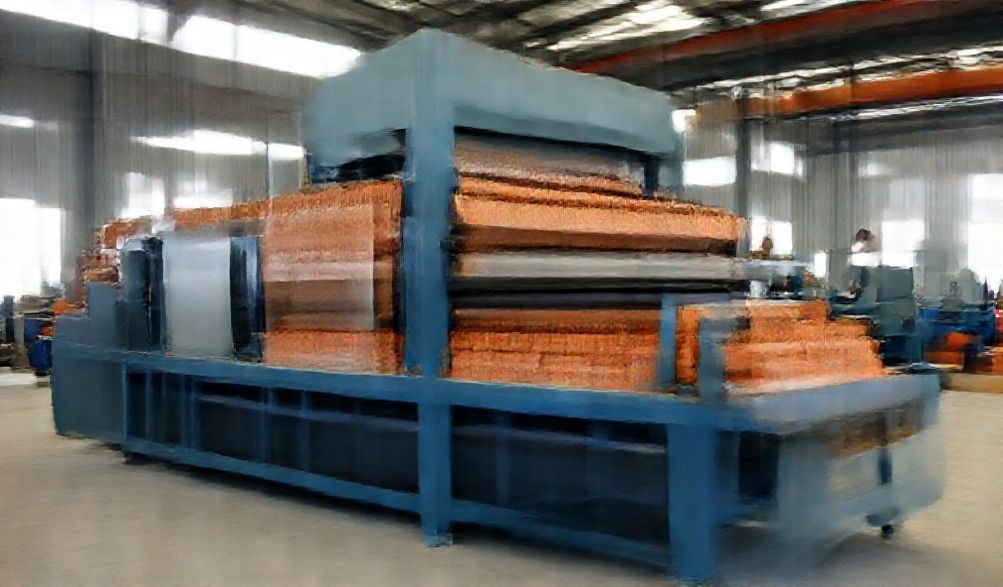
A Deep Dive into China’s Mud Brick Making Machine Factories: Spotlight on FUDA
Introduction
In an era increasingly defined by the need for sustainable construction, natural building materials are experiencing a powerful resurgence. At the forefront of this movement are compressed earth blocks (CEBs)—the modern, engineered evolution of the ancient mud brick. These durable, thermally efficient, and low-carbon building units offer a compelling solution for eco-conscious projects worldwide. However, their quality and viability hinge on one critical factor: the machinery used to produce them.
China has solidified its role as the world’s manufacturing epicenter, and this extends deeply into the realm of construction equipment. For businesses and builders seeking reliable, cost-effective mud brick making machines, navigating the vast landscape of Chinese factories is both an opportunity and a challenge. This guide serves as your comprehensive roadmap. We will provide an expert analysis of the Chinese mud brick machine sector, demystify the technology, and offer a rigorous framework for evaluating suppliers. As a practical case study, we will apply this framework to examine the FUDA brick making factory, a name frequently encountered in this niche. Our goal is to arm you with industry knowledge and critical evaluation criteria, transforming you from a curious buyer into an informed decision-maker.
Understanding Mud Brick (Compressed Earth Block) Making Technology
Before sourcing a machine, understanding the science and mechanics behind modern mud brick production is essential. This isn’t about simple adobe; it’s about precision-engineered construction materials.
What Are Compressed Earth Blocks (CEBs)? Beyond Traditional Mud Bricks
Compressed Earth Blocks represent a significant technological leap from sun-dried mud bricks.
* Le Processus : CEBs are made by mechanically compressing a damp mixture of soil, sand, and a small percentage of stabilizer (often lime or cement) within a steel mold at high pressure.
* Principaux avantages : This process yields blocks with consistent dimensions, high compressive strength, and superior resistance to erosion and water damage compared to their traditional counterparts. They offer excellent thermal mass, regulating indoor temperatures naturally.
Core Components of a Modern Mud Brick Making Machine
While designs vary, a robust CEB machine typically integrates several key systems:
* Alimentateur/Trémie: Where the prepared soil mix is loaded. Consistent feeding is crucial for uniform brick density.
* Chambre de compression et moule The heart of the machine. A heavy-duty steel mold defines the brick’s shape (standard, interlocking, etc.).
* Mécanisme de presse Usually a système hydraulique (measured in MPa or tons of pressure) that applies immense, controlled force to the soil within the mold. Mechanical lever systems are found in smaller, manual machines.
* Système d'éjection : Automatically pushes the freshly pressed, solid block out of the mold onto a pallet or conveyor.
* Panneau de configuration : On semi- and fully-automatic models, this allows operators to set pressure, cycle time, and other parameters.
Types of Machines: Manual, Semi-Automatic, and Fully Automatic Production Lines
Your choice here dictates your project’s scale, labor needs, and budget.
* Machines manuelles : Operated by a hand lever or flywheel. Ideal for small-scale, community-led, or experimental projects. Output is low (50-200 bricks per day), but the investment and maintenance are minimal.
* Machines semi-automatiques : The most popular choice for small to medium businesses. They use an electric motor and hydraulic system, with an operator loading mix and removing finished bricks. Output can range from 300 to 1,500 bricks per hour.
* Lignes de production entièrement automatiques : These are integrated systems with automated mix feeding, compression, brick transfer, and stacking. They require a significant investment but can produce over 2,000 bricks per hour with minimal labor, suitable for large commercial ventures.
The Landscape of Chinese Brick Making Machine Manufacturers
China’s manufacturing might is decentralized into powerful industrial clusters, each with its own character.
Key Industrial Clusters for Construction Machinery in China
Knowing where to look streamlines your search.
* Fujian Province (especially Quanzhou & Xiamen): A major hub for block making machinery, with hundreds of factories. The competition is fierce, leading to a wide range of options in terms of price and quality.
* Province du Shandong : Known for heavy industry and machinery. Factories here often produce robust, industrial-grade equipment.
* Province du Guangdong : A center for advanced manufacturing and export. Suppliers here may offer more technologically advanced or automated solutions.
How to Vet a Chinese Machinery Factory: A Buyer’s Checklist
Use this E-E-A-T based checklist to separate credible partners from mere trading companies.
- Expérience :
- How many years has the company been manufacturing this specific type of machinery?
- Ask for a portfolio of project photos or videos, specifically of machines producing mud bricks or CEBs—not just concrete blocks.
- Expertise :
- Do they have in-house R&D or engineering teams?
- Can they provide technical drawings and discuss soil stabilization ratios?
- Do they offer customization of mold designs and pressure settings?
- Autorité :
- Look for valid international certifications: Marquage CE (for the European market), ISO 9001 for quality management.
- Check for participation in major international trade fairs (e.g., bauma CHINA, BAUMA).
- Search for third-party validation—are they featured in industry publications or credible buyer guides?
- Fiabilité :
- Is communication transparent and responsive? Be wary of vague answers.
- What is their after-sales service structure? Do they provide English manuals, video guides, and remote troubleshooting?
- Get clear, written details on Période de garantie (typically 1-2 years for core parts) and spare parts policy (availability, pricing, shipping time).
Case Study: Evaluating the FUDA Brick Making Factory
Let’s apply our framework to a specific example. Note: This analysis is based on publicly available information and serves as a template for how to evaluate any supplier.
Profil de l'entreprise et position sur le marché
FUDA (often styled as Fujian Fuda or Fuda Machinery) is a manufacturer based in the Quanzhou region of Fujian Province, a well-known cluster for brick machine production. Presenting itself as a professional manufacturer with over a decade of experience, it markets a wide range of block making machines for various materials, including concrete, clay, and notably, soil/interlocking earth blocks.
Analyzing FUDA’s Product Range for Mud/Soil Brick Production
A review of their product listings shows several models applicable for CEB production:
* They offer specific “earth interlocking brick making machines,” often hydraulic and semi-automatic.
* Specifications typically highlight features like adjustable hydraulic pressure (critical for different soil types), outputs ranging from 800 to 1500 bricks per hour for mid-range models, and the ability to produce various interlocking shapes.
* Their marketing emphasizes the use of high-quality steel for molds and frames, a key durability factor.
Assessing FUDA Against the E-E-A-T Framework
- Expérience : Public channels show machine demonstration videos. A diligent buyer should request client references or case studies specifically for soil brick projects in climates or regions similar to theirs.
- Expertise : While they list earth brick machines, their broader catalog covers many block types. Key questions to ask: Can your engineers advise on optimal soil mix for my local materials? Do you provide different mold options specifically designed for stabilized earth?
- Autorité : Investigation into standard certifications is crucial. A prospective buyer must verify current CE and ISO certificates directly, not just see logos on a website. Their activity in international trade shows would bolster their standing.
- Fiabilité : This is determined through direct engagement. How detailed is their proforma invoice? Is the warranty clause explicit? Do they have a documented process for supplying spare parts like hydraulic seals or mold liners? Requesting contact information for an existing international client can be a telling step.
Critical Factors When Sourcing from China
Securing the right machine is only half the battle. Successful sourcing involves planning for what happens before and after it leaves the factory.
Beyond the Machine: Soil Analysis and Mix Design Support
The best machine will fail with poor soil preparation.
* Conseil de pro : Before finalizing an order, conduct a basic soil analysis (grain size distribution, plasticity). Share this with your shortlisted suppliers.
* A valuable supplier will engage with this data, recommending mix proportions (e.g., 70% soil, 25% sand, 5% cement) and even suggesting auxiliary equipment like soil pulverizersouMélangeurs.
Logistics, Shipping, and Customs Clearance Considerations
Missteps here can cause delays and unexpected costs.
* Incoterms are Critical: Understand the difference. FOB (Franco à bord) means you own the goods and are responsible for costs and risk once they’re loaded on the ship in China. CIF (Coût, assurance et fret) includes shipping to your nearest port, but you handle import clearance. EXW (Ex-Works) means you handle everything from the factory gate onward.
* Chargement de conteneurs : Ensure the factory provides professional packing and securing (crating, lashing) to prevent damage during ocean transit.
* Import Documentation: The supplier must provide a clean Commercial Invoice, Packing List, and Bill of Lading. You will need these, along with any certificates (CE), for your customs broker.
Installation, Commissioning, and Operator Training Services
Never assume this is included.
* Clarify in Contract: Specify whether the price includes installation supervision. Options include: 1) Detailed video manuals only, 2) Remote video commissioning support, or 3) An engineer sent to your site (you typically cover flight, visa, and local accommodation).
* Formation : Ensure the agreement includes comprehensive operational and basic maintenance training for your team, whether delivered remotely or on-site.
FAQ: Sourcing Mud Brick Machines from China
Q1: What is the typical price range for a mud brick making machine from China?
Prices vary dramatically. A small manual press can be under \$2,000. A semi-automatic hydraulic machine suitable for a small business typically ranges from \$8,000 to \$25,000. Large, fully automatic production lines can exceed \$60,000. Always compare specifications, not just price.
Q2: How do I ensure the machine is suitable for the soil type in my country?
Provide soil samples or a detailed analysis report to the manufacturer. A competent factory will conduct compression tests with your soil (often for a fee) and recommend machine pressure settings and mix design. Ask if they can adjust the machine’s hydraulic system for your needs.
Q3: Can factories like FUDA provide customized mold designs for special brick shapes?
Yes, most reputable manufacturers offer custom mold fabrication. You will need to provide precise technical drawings. Be prepared for a mold development fee and a longer lead time. Request a 3D design for approval before production.
Q4: What is the standard warranty, and how are spare parts handled?
A standard warranty is 12 months for the whole machine, excluding wear parts like mold liners. Key is the response mechanism. How are parts shipped? What are the costs? Establish a spare parts list and preliminary price list before ordering.
Q5: What are the most important steps for due diligence before placing an order?
1. Video Verification: Request a live video call to see the factory floor and a machine test.
2. Check Certificates: Ask for scanned copies of CE, ISO, etc.
3. Contact References: Get contact info for 2-3 international clients and speak to them directly.
4. Secure Payment: Use secure methods like T/T (Telegraphic Transfer) with a deposit (e.g., 30%) and the balance against copy of shipping documents. Avoid 100% upfront payments.
5. Detailed Contract: Ensure all specs, services, warranty, and incoterms are documented in a proforma invoice or sales contract.
Conclusion
Sourcing a mud brick making machine from China presents a tangible path to accessing advanced, affordable technology for sustainable construction. The market is vast, spanning from generalist manufacturers to niche specialists. As our deep dive reveals, the key to success lies in rigorous, disciplined evaluation using the pillars of Experience, Expertise, Authoritativeness, and Trustworthiness.
While a factory like FUDA exemplifies the type of supplier found in Fujian’s industrial ecosystem—offering relevant machinery and export experience—your final decision must come from a side-by-side comparison of multiple shortlisted candidates using the framework provided. Remember to look beyond the machine itself; prioritize suppliers who offer genuine technical partnership on soil science and provide clear, trustworthy after-sales support.
Our final expert recommendation is threefold: First, always start by testing your local soil. Second, if feasible, plan a factory inspection visit or insist on comprehensive live video demonstrations. Third, consider a trial order for a single machine or key component before committing to a large-scale purchase. As the world builds greener, the marriage of ancient earth-building wisdom with modern Chinese manufacturing prowess offers a powerful and practical foundation for the future.
METADATA_START—
DISPLAY_TITLE: The Ultimate Guide to China’s Mud Brick Machine Factories & FUDA Review
SEO_TITLE: China Mud Brick Machine Factories & FUDA Review | Buyer’s Guide
META_DESC: Expert guide to sourcing mud brick making machines from China. Includes a detailed E-E-A-T analysis of FUDA factory, buyer checklists, and critical sourcing FAQs.
IMG_PROMPT: A detailed close-up of a modern hydraulic mud brick making machine in a Chinese factory, compressing dark earth into a perfectly shaped interlocking block, with a focused engineer’s hand adjusting a control panel in the background, industrial lighting.
—METADATA_END—