
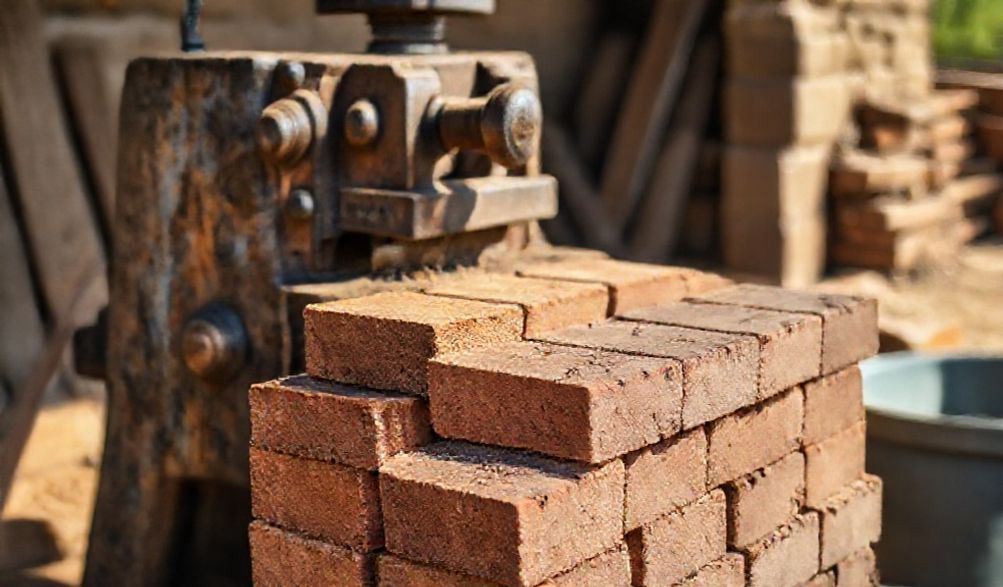
The Complete Guide to Manual Brick Machines: Expertise from FUDA Brick Making Factory
For millennia, bricks have formed the literal and figurative foundation of human civilization. From ancient arches to modern homes, their durability and versatility are unmatched. Today, a quiet revolution is building momentum: the move towards localized, affordable, and sustainable construction. At the heart of this movement for small-scale builders and entrepreneurs is the manual brick machine.
At FUDA Brick Making Factory, we’ve spent years not just manufacturing these machines, but using them, refining them, and supporting countless small businesses and projects that started with a single lever press. This guide is born from that hands-on, in-the-field experience. We’ll move beyond the sales brochure to give you a clear, honest, and comprehensive look at manual brick machines.
You’ll learn exactly how they work, where they shine, what their real-world limitations are, and how to choose and operate one successfully. Our goal is to equip you with the knowledge to decide if a manual brick machine is the right, powerful tool to turn your project—or your business dream—into solid reality.
What is a Manual Brick Machine? A Practical Explanation
Before investing, it’s crucial to understand what you’re working with. A manual brick machine is a testament to elegant, human-centered engineering.
Définition du noyau et principe de fonctionnement
A manual brick machine is a human-powered device designed to compress raw materials—typically soil, clay, or a soil-cement mix—into a dense, shaped brick. It replaces the slow, inconsistent process of hand-molding with a mechanical advantage system that ensures greater density and uniformity with each press.
The core principle is simple: force multiplication. Through a lever, a screw, or a piston system, the operator’s physical effort is amplified and focused directly onto the raw material within a mold. This compression forces out air pockets and binds the particles together, creating a coherent “green” brick ready for curing.
Think of it in three stages:
1. Remplissez : The prepared raw material is loaded into the mold cavity.
2. Compresser : The operator applies force via the machine’s mechanism, compacting the material.
3. Éjecter : The newly formed brick is released from the mold onto a pallet or the ground.
Key Components of a Typical Manual Brick Machine
While designs vary, high-quality machines like those from FUDA share these robust components:
- Cadre: The heavy-duty steel skeleton that withstands repeated compression forces. A wobbly frame means inconsistent bricks.
- Moule/Trémie: The cavity that gives the brick its shape (rectangular, interlocking, etc.). It must be precision-cut from high-grade steel for clean edges and easy release.
- Mécanisme de compression This is the heart of the machine. Common types include:
- Lever/Press Systems: A long lever for maximum force with minimal effort.
- Interlocking Systems: A press that creates interlocking bricks for mortar-less construction.
- Screw Presses: A threaded mechanism that provides extremely high, steady pressure.
- Tamper/Plate: The component that directly contacts and compresses the material inside the mold.
- Release System: A simple but critical mechanism—often a kick-out plate or spring—that cleanly ejects the brick after compression.
Advantages of Choosing a Manual Brick Machine
Why choose human power over automation? For the right project, the benefits are substantial and very real.
Unbeatable Low-Cost Entry & Operation
This is the most compelling advantage.
* Minimal Initial Investment: Manual machines cost a fraction of their electric or hydraulic counterparts. This makes brick production accessible to individuals, startups, and community groups with limited capital.
* Zero Power Costs: They require no electricity, diesel, or gasoline. Your “fuel” is human labor, which translates to absolute independence from the grid and no ongoing energy bills. This makes your production cost incredibly predictable.
Simplicity, Durability, and Ease of Maintenance
- Fewer Breakpoints: With no engines, motors, hydraulics, or complex electronics, there’s very little that can go wrong mechanically.
- Construction robuste : A well-made manual machine, like those built at the FUDA factory, is essentially a solid block of steel. It’s designed to endure harsh site conditions for decades.
- Easy Repairs: If a part does wear out or break, it’s usually a simple component that can be fixed locally by a welder or mechanic, minimizing downtime.
Mobility and Suitability for Remote Sites
Their portability is a game-changer. You can load a manual brick machine onto a trailer or even a sturdy truck and take production directly to your construction site or source of raw material. This eliminates the high cost and breakage risk of transporting fragile finished bricks over long distances.
Ideal for Small-Scale & Community Projects
These machines are perfectly scaled for:
* Entrepreneurs starting a small Compressed Stabilized Earth Brick (CSEB) business.
* Homesteaders and DIYers building a home, garden wall, or shed.
* Community-led affordable housing or infrastructure projects.
* Humanitarian organizations working in areas with unstable infrastructure.
Understanding the Limitations and Realistic Output
Trust is built on transparency. A manual brick machine is a fantastic tool, but it’s not magic. Understanding its limits is key to your success.
Production Speed: Setting Realistic Expectations
You will not match the output of an automated plant. Production is directly tied to human effort.
* Realistic Ranges: Based on feedback from our FUDA clients, a skilled, dedicated operator or team can produce between 300 to 800 solid bricks in an 8-hour day, depending on the machine model and brick size.
* Labor-Intensive Nature: This is active, physical work. Output is sustainable through teamwork, proper rotation, and ergonomic practices.
Brick Quality and Consistency Factors
With a manual machine, the operator is the quality control system. Consistency depends on:
* Préparation des matériaux : Using the same well-sifted mix every time.
* Consistent Moisture: The “thumbprint test” is essential (more on this later).
* Uniform Compression: Applying the same amount of force for each brick.
Variation is natural, but technique minimizes it. The first 100 bricks might be uneven; bricks 101-500 will be excellent.
Physical Labor Requirement
This cannot be overstated. Operating a lever press hundreds of times a day requires physical stamina. It’s crucial to plan your workforce accordingly—consider a two-person team to share the load and maintain steady production.
Key Applications: Where Manual Brick Machines Excel
Knowing the “why” helps define the “where.” Here are the perfect use cases for manual brick machines.
Small Business & Entrepreneurial Ventures (CSEB)
For entrepreneurs in developing regions, a manual machine is the first step into the building materials market. Producing Compressed Stabilized Earth Bricks (CSEB)—a mix of local soil, a stabilizer like cement or lime, and water—offers an affordable, eco-friendly alternative to fired clay bricks. The low startup cost allows you to build a local clientele before scaling up.
DIY Home Projects, Gardens, and Landscaping
For the hands-on homeowner, a manual brick machine unlocks creativity:
* Building decorative garden wallsetraised planters.
* Creating durable, permeable pathwaysetpatios.
* Constructing outdoor fire pits, barbecuesoustorage shed walls.
Remote Construction and Humanitarian Projects
In areas with poor roads and no reliable electricity, manual brick machines are often the only viable production method. They enable on-site production of shelter and sanitation units, putting construction materials directly in the hands of the community.
Educational and Vocational Training
They are excellent teaching tools for:
* Vocational schools teaching masonry and construction basics.
* University programs in sustainable architecture and engineering.
* Workshops on appropriate technology and self-sufficiency.
How to Choose the Right Manual Brick Machine: A Buyer’s Checklist
Not all manual machines are created equal. Use this checklist, informed by FUDA’s manufacturing experience, to make a smart choice.
Assess Your Primary Needs: Output, Brick Type, and Material
Demandez-vous :
* What is my daily brick requirement? Be realistic about your project size or market demand.
* What type of brick do I need? Standard rectangular, interlocking (for mortar-less walls), or specialty shapes?
* What raw material will I use? Sandy soil, clay-rich soil, or a stabilized mix? Some machines handle certain materials better.
Critical Machine Specifications to Compare
- Mold Size & Bricks Per Cycle: Does it make 1, 2, or 3 bricks per press? More bricks per cycle increases output but also requires more force.
- Matériau de construction: Look for thick, high-tensile steel (at least 3-5mm key parts). Avoid thin, sheet-metal frames that will bend under stress.
- Mechanism Type: Lever presses are common and user-friendly. Interlocking presses add value to your final product. Screw presses offer the highest compression for the strongest bricks but are slower.
- Ergonomics: Is the lever height comfortable? Is the ejection system smooth? A machine that’s hard to use will kill productivity and morale.
The Importance of Build Quality and Supplier Reputation
This is where the real cost of a “cheap” machine is revealed.
* Invest in Durability: Look for clean, deep welds (not spotty, surface welds), reinforced stress points, and precision-machined mold cavities. At FUDA, we use jigs for consistent welding and source our steel from reputable mills.
* Choose Expertise Over Just Price: A supplier with direct factory experience (like FUDA) understands how the machine performs in the field. They can offer genuine advice, troubleshooting, and access to spare parts. They have a reputation to uphold.
Operational Guide: Tips from FUDA’s Experience
Buying the machine is just the start. Here’s how to use it effectively, straight from our workshop floor.
Preparing Your Raw Material for Best Results
90% of a good brick is in the mix.
* Soil Selection: The ideal soil has a blend of sand, silt, and a little clay. Pure clay expands and cracks; pure sand won’t bind.
* Le Mix : A common, strong starting mix is 70% soil, 25% sand, and 5% cement. Always test small batches first!
* The Thumbprint Test (Crucial for Moisture): Grab a handful of your mixed material and squeeze it tightly. It should hold its shape. Poke it with your thumb. The ball should crack slightly but not crumble. If it’s muddy, it’s too wet. If it falls apart, it’s too dry.
Step-by-Step Operating Procedure for Efficiency
- Site Prep: Set up the machine on a firm, level base. Have your mixed material and a water spray bottle within reach.
- Remplissez : Scoop the mix into the mold cavity(s). Do not overfill or underfill—consistency is key.
- Compresser : Apply steady, full force using the machine’s mechanism. Hold the pressure for a moment.
- Éjecter : Activate the release to place the green brick onto a flat, shaded curing pallet or plastic sheet.
- Repeat: Develop a rhythm with your team for filling, pressing, and stacking.
Safety Note: Always keep hands clear of moving parts and compression zones. Wear sturdy gloves and closed-toe shoes.
Curing and Drying Your Bricks Properly
Curing is what gives your bricks strength, especially when using cement stabilizer.
* Immediate Curing: Keep the freshly made bricks moist and shaded for 7-10 days. Cover them with plastic sheeting and sprinkle with water daily. This allows the cement to hydrate fully.
* Séchage : After curing, allow the bricks to dry slowly in the shade for another 2-3 weeks before use. Avoid rapid sun drying, which causes cracking.
Common Troubleshooting: Sticking, Cracking, Weak Bricks
- Bricks Stick in Mold: The mix is too wet, or the mold needs lubrication. Use a very dry mix or a fine dusting of sand in the mold.
- Bricks Crack While Drying: Usually due to too much clay (causing shrinkage) or drying too fast in the sun. Adjust your soil mix and dry in the shade.
- Bricks Are Weak and Crumbly: The mix is too dry, has insufficient stabilizer (cement), or wasn’t compressed with enough force. Re-check the thumbprint test and your compression technique.
Foire aux questions (FAQ)
Q1: How many bricks can I make in a day with a manual machine?
A : A single skilled operator can typically produce 300-500 bricks in an 8-hour day. A motivated two-person team, working efficiently with a multi-brick mold, can reach 700-800 bricks daily. Consistency comes with practice.
Q2: What is the best soil mix for making strong bricks?
A : There’s no universal “best” mix as soils vary globally. A reliable starting formula is 70% sub-soil, 25% sharp sand, and 5% Portland cement by volume. For permanent structures, we strongly recommend getting your local soil tested to determine the optimal ratios.
Q3: Can I start a profitable business with only a manual brick machine?
A : Yes, absolutely. Many of our clients have started successful micro-enterprises serving local housing needs. The key is to start small, manage costs, and build a reputation for quality. As demand grows, your profits can fund an upgrade to a more automated machine. It’s the perfect low-risk entry point.
Q4: How does a manual machine differ from an electric or hydraulic one?
A : The core differences are:
| Feature | Manual Machine | Electric/Hydraulic Machine |
| :— | :— | :— |
| Coût | Very Low | High |
| Speed | Slow (300-800/day) | Fast (2000-10,000+/day) |
| Power Need | None | Requires reliable electricity |
| Labor | High physical input | Low, mostly supervisory |
| Ideal Scale | Micro/Small Business | Medium/Large Business |
Q5: Why should I choose FUDA’s manual brick machines?
A : FUDA machines are built from direct, hands-on experience. We don’t just sell them; we design them based on feedback from users like you. You benefit from:
* Conception robuste : Over-engineered with thicker steel at critical stress points.
* Real-World Feedback: Our designs evolve from solving actual problems in the field.
* Direct Factory Support: You get advice from the people who build the machines, not just a sales agent.
* Commitment to Quality: From weld integrity to steel sourcing, we prioritize durability over cutting corners.
Conclusion
The manual brick machine remains a profoundly empowering tool. It democratizes the production of building materials, placing the capability to create durable, affordable structures directly into the hands of individuals, entrepreneurs, and communities. Its value lies not in sheer speed, but in simplicity, independence, and accessibility.
At FUDA Brick Making Factory, we view ourselves as partners in this process. Our expertise is rooted in the practical reality of brick production, and we’ve designed our machines to be reliable partners for your hard work.
Final Recommendation: Carefully match this tool to your goals. If your project is small to medium-scale, capital is limited, and you value independence and low overhead, a manual brick machine is likely your perfect starting point.
Ready to take the next step with a trusted partner? Contact the FUDA team today for a personalized consultation. We can discuss your specific project, soil conditions, and help you select the right model. We also invite you to visit our factory to see the build quality firsthand and access our library of detailed operating videos. Let’s build something solid together.
<