
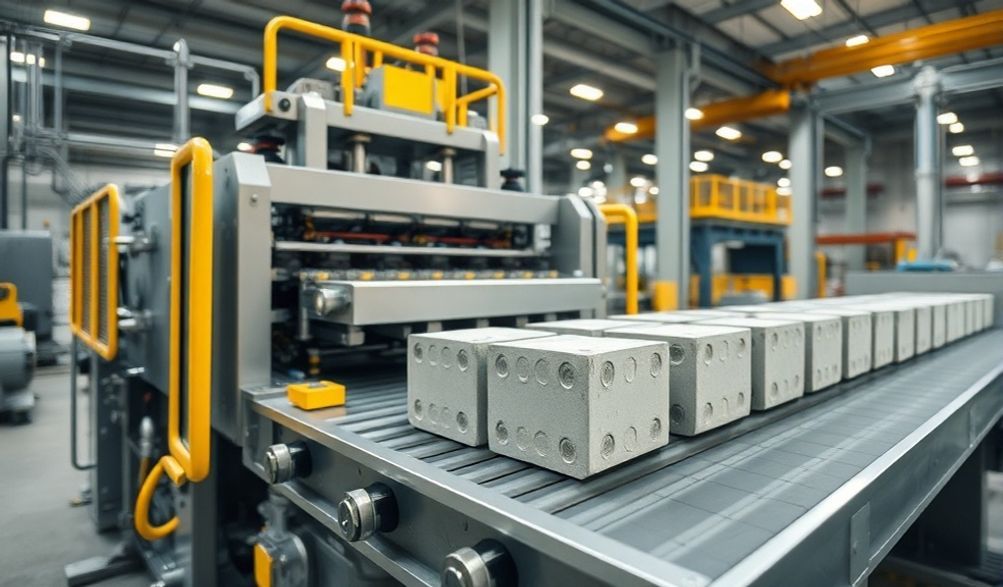
Your Ultimate Guide to Block & Brick Machine Factories: Choosing the Right Partner
Introduction
The strength of a wall, the durability of a pavement, and the success of a construction business all share a common origin: the quality of the block or brick. In an industry where the final product is only as good as the process that creates it, your choice of production equipment is the most critical decision you will make.
Finding a reliable block brick machine factory is far more than a procurement task. It is the initiation of a strategic partnership that will define your productivity, product quality, and profitability for years to come. The market is vast, with options ranging from backyard workshops to global industrial giants. How do you distinguish between them?
This definitive guide is designed to be your compass. We will move beyond glossy brochures and sales pitches to the core of what makes a factory a true partner. We’ll equip you with the knowledge to evaluate manufacturers based on engineering integrity, manufacturing rigor, and long-term support structures. Whether you are launching a new venture or scaling an existing operation, understanding these fundamentals is the first step toward building your success on a solid foundation.
Understanding Block and Brick Manufacturing Machinery
Before evaluating factories, you must understand the machinery they build. This knowledge is power in negotiations and ensures you purchase equipment that matches your precise business goals.
Types de Machines Essentiels : Du Manuel au Entièrement Automatique
The spectrum of block-making machinery is defined by the level of automation and mobility.
- Machines à blocs stationnaires : These are the workhorses of medium to large-scale production. Blocks are produced at a fixed station, and a forklift or conveyor system moves pallets of fresh blocks to a curing area. They offer high output, consistency, and are the core of automated production lines.
- Machines à blocs mobiles (type pondeuse) : This machine “lays” blocks directly onto a concrete floor or steel plates, then moves forward to produce the next batch. It’s ideal for on-site production or businesses with limited space, as it eliminates the need for pallets. However, it typically has a lower output than stationary systems.
- Plantes entièrement automatiques : This is a complete, integrated system. It includes automatic batching, mixing, block molding, pallet feeding, curing rack handling, and sometimes stacking. Controlled by a central PLC, it maximizes output with minimal manual labor, representing the peak of production efficiency.
Capacité de production ranges from small-scale machines producing a few hundred blocks per day to fully automatic plants capable of tens of thousands. Your choice should be guided by realistic market demand and growth projections.
Critical Auxiliary Equipment: A machine alone does not make a factory. The ecosystem matters:
* Mixeurs : Ensure consistent, homogenous concrete.
* Conveyors: Transport raw materials and finished products.
* Pallet Feeders & Return Systems: Automate the flow of pallets.
* Étagères de séchage : Essential for the proper strength development of blocks.
Key Machine Components That Define Quality & Durability
The longevity and performance of a block machine are determined by the quality of its core components.
- Cadre et Structure : This is the machine’s skeleton. Look for heavy-duty, reinforced steel frames with professional, clean welding. A robust frame resists the immense forces of vibration and compaction, preventing misalignment and ensuring years of stable operation.
- Système Hydraulique : The heart of the machine. The quality of the hydraulic pump, the precision of the control valves, and the durability of the cylinders directly impact cycle time, pressure consistency, and maintenance frequency. Reputable factories use branded, reliable components.
- Système de Vibration : This is the soul of block density and strength. Key types include:
- Single-Vibration: Basic, often on smaller machines.
- Dual-Vibration (or Tandem): Uses two synchronized vibrators for better compaction.
- Planetary Vibration: A high-efficiency system where vibrators rotate on an axis while orbiting the mold, providing exceptional compaction for complex or high-strength products.
- Système de Contrôle : The brain of the operation. Modern machines use Programmable Logic Controllers (PLCs). The best feature intuitive, color touchscreen interfaces that allow for easy recipe changes, fault diagnostics, and production monitoring.
The Production Process: How a Factory’s Design Impacts Your Output
A superior machine is designed to optimize every step of the production cycle:
1. Batching & Mixing: Precision in material ratios leads to consistent block quality.
2. Moulage & Compactage : The machine’s vibration and hydraulic pressure transform loose concrete into a dense, formed block.
3. Demolding & Pallet Handling: A smooth, precise demolding action prevents block damage.
4. Guérison : Properly designed machines produce blocks with the initial “green strength” needed for handling before they enter the controlled curing chamber.
A well-engineered machine minimizes cycle time, reduces energy consumption per block, and ensures every product meets specification, directly impacting your bottom line.
How to Vet and Choose a Reputable Block Brick Machine Factory
This is the critical phase where due diligence separates market leaders from mediocre suppliers. Use these criteria as your evaluation checklist.
7 Critical Evaluation Criteria for Any Factory
- Manufacturing History & Specialization: How long has the company been designing and building this specific type of machinery? A long track record indicates resilience and accumulated expertise. Beware of factories that frequently jump between unrelated product lines.
- In-House Engineering & R&D Capability: A true manufacturer has a dedicated engineering team. Ask about their R&D department. Do they innovate new vibration systems or control software? Factories that merely assemble purchased parts lack the depth to solve unique technical challenges.
- Quality Control Protocols: Look for tangible evidence. International certifications like ISO 9001 for quality management systems and CE marking (for the European market) demonstrate a commitment to standardized processes. Inquire about their material sourcing—do they use certified steel and branded components?
- Production Facility Scale & Technology: Request a video tour or, ideally, plan a visit. A modern factory with CNC machining centers, automated welding robots, and organized assembly lines is more likely to produce precise, reliable equipment than a disorganized workshop.
- Global Client Portfolio & Case Studies: A reputable factory will have a diverse list of clients. Ask for references or case studies from projects in a climate or market similar to yours. Contact these clients directly to inquire about machine performance and after-sales service.
- Spare Parts Inventory & Logistics: Downtime is profit lost. Probe into their spare parts philosophy. Do they maintain a comprehensive inventory of wear parts (seals, bearings, mold liners)? What is their average shipping time for urgent parts? Their answer reveals their commitment to your ongoing operation.
- Comprehensive After-Sales Service: This is the ultimate differentiator. What does their service package include? It should extend far beyond a simple warranty to encompass installation supervision, detailed operator training, and readily accessible remote technical support.
The Importance of Factory Visits and Machine Trials
If the investment is significant, a visit is invaluable.
- During the Tour: Observe the cleanliness, organization, and skill of the workforce. Look at the quality of work-in-progress machines.
- The Production Trial: C'est non négociable. Insist on a trial using a sample of your own local raw materials (sand, aggregate, cement). This test will reveal the machine’s ability to produce a quality block with your specific mix and expose any potential compatibility issues before shipment.
- Questions clés à poser :
- “Can I speak with your head engineer about the vibration system design?”
- “What is your standard protocol for testing hydraulic pressure before shipment?”
- “How do you handle a technical emergency at 2 AM my local time?”
Deciphering Quotes: Price vs. Total Cost of Ownership
A quotation is more than a price tag; it’s a projection of your future costs.
- Coûts initiaux : Machine FOB price, sea/air freight, insurance, import duties, and installation fees.
- Long-Term (Total Cost of Ownership):
- Consommation d'énergie : A machine with an efficient hydraulic system can save thousands in electricity over its lifespan.
- Pièces d'usure : Calculate the cost and replacement frequency of molds, liners, and hydraulic seals.
- Maintenance Labor: A well-designed, accessible machine requires less downtime for servicing.
- The True Cost of “Cheap”: A low initial price often signals inferior components, poor craftsmanship, and non-existent support. The resulting downtime, high repair costs, and poor product quality will eclipse any initial savings. Invest in value, not just price.
Beyond the Machine: Services that Define a True Partner
The transaction concludes with delivery, but the partnership begins. The services wrapped around the machine determine its ultimate success in your facility.
Installation, Commissioning, and Operator Training
A machine is just metal until it is properly installed and understood.
- Commissioning: Having factory engineers on-site for installation ensures it is leveled, powered, and calibrated correctly from day one. This prevents minor setup errors from causing major operational headaches.
- Formation : Comprehensive training should cover daily operation, routine maintenance, basic troubleshooting, and safety procedures for both operators and maintenance technicians. Knowledge transfer is key to independence and efficiency.
Reliable After-Sales Support and Warranty Structures
Read the warranty document carefully.
- Scope: Does it cover parts only, or parts and labor? What is excluded (typically wear parts like mold liners)? What is the warranty period for different components?
- Support Channel: Evaluate their responsiveness. Do they offer support via WhatsApp, email, and video call? Is there a 24/7 hotline for critical breakdowns?
- Spare Parts Supply Chain: Confirm they can provide a genuine parts manual with item codes and that their logistics can get parts to you reliably. A factory that obsoletes parts for older models is a red flag.
Customization and Future-Proofing Your Investment
Your needs are unique. A partner factory will adapt.
- Material Adaptation: Leading factories can adjust machine parameters or recommend mix designs for local materials like fly ash, slag, or lightweight aggregates.
- Modular Upgrades: Can you start with a semi-automatic system and later add a pallet feeder, mixer, or automation package? This scalable approach protects your initial investment and facilitates growth.
Industry Trends and Innovations from Leading Factories
Staying ahead means partnering with a factory that invests in the future.
Automation and Industry 4.0 Integration
The future is connected and data-driven.
- Robotic Handling: Robots for stacking cured blocks or arranging pallets are becoming more common, reducing labor and injury risk.
- IoT & Data Monitoring: Machines equipped with sensors can transmit real-time data on production counts, cycle times, motor temperatures, and fault alerts to a cloud platform or your phone, enabling predictive maintenance and detailed OEE (Overall Equipment Effectiveness) analysis.
Sustainability and Eco-Friendly Production
Green manufacturing is a growing imperative.
- Utilisation des matériaux : Machines are being optimized to produce high-quality blocks using recycled construction & demolition waste or industrial by-products like slag.
- Efficacité du Processus Innovations include energy-recovery systems in hydraulics, water recycling loops in mixing and curing, and solar-powered curing sheds.
Advancements in Mold Technology and Product Diversity
Market demand requires flexibility.
- Moules de Précision : Computer-designed and CNC-machined molds allow for incredibly detailed paving stones, retaining walls, and decorative facades with perfect repeatability.
- Systèmes à Changement Rapide : Advanced mold carts or locking systems allow an operator to switch production from a standard block to a specialty product in minutes, enabling small, profitable niche runs.
Frequently Asked Questions (FAQ) About Block Machine Factories
Q1: What is the typical lead time for a machine from order to delivery?
A: Lead times vary significantly. For a standard semi-automatic machine, expect 30-60 days after order confirmation. For large, custom fully automatic plants, the engineering, manufacturing, and testing process can take 90-120 days. A professional factory will provide a detailed, phase-by-phase schedule.
Q2: Can a factory provide references from clients in my region?
A: A trustworthy factory should be eager to do so. Speaking directly with a past client in a similar environment is one of the most reliable ways to verify machine performance, local suitability, and the true quality of after-sales support.
Q3: What are the most common maintenance issues, and how does the factory support them?
A: Common wear items include hydraulic cylinder seals, vibration motor bearings, and mold liners. A top-tier factory will provide you with a preventive maintenance schedule, detailed manuals with diagrams, instructional videos, and ensure these common parts are always in stock for quick shipment.
Q4: How do I handle machine installation if I can’t travel to the factory for training?
A: Comprehensive remote support is now standard. This includes detailed installation manuals, HD video guides, and real-time video call support during commissioning. However, for complex plants, the optional cost of sending factory engineers for on-site installation is often a wise investment to ensure a perfect start.
Q5: What’s the difference between a “manufacturer” and a “trading company”?
A: This is crucial. A fabricant owns the designs, engineers the systems, and builds the machine in its own facility. A société de négoce is a middleman that sources machines from various, often shifting, factories. Dealing directly with a manufacturer ensures better technical support, consistent quality control, and direct access to genuine spare parts and engineering knowledge.
Conclusion
Your journey to select a block brick machine factory is a foundational business strategy. The partner you choose becomes integral to your operational efficiency, product reputation, and financial sustainability for a decade or more. It is a decision that deserves meticulous care and informed scrutiny.
Move forward with the confidence that comes from deep understanding. Prioritize proven engineering, transparent manufacturing, and a service ethos that matches your ambition. Let the criteria in this guide be your benchmark. Demand evidence, verify claims, and always calculate the total cost of ownership.
The right factory will do more than sell you a machine; they will empower your production, support your challenges, and celebrate your growth. Choose a partner who helps you build not just blocks, but a legacy of quality and resilience. Begin your evaluation with clarity, and build your future on the firmest ground possible.
This guide was compiled by our industrial machinery research team, drawing on decades of combined experience in construction equipment manufacturing, global supply chain evaluation, and on-site project commissioning. Our insights are grounded in continuous analysis of factory audits, client case studies, and technological advancements to provide accurate, trustworthy information for business investors.
<