
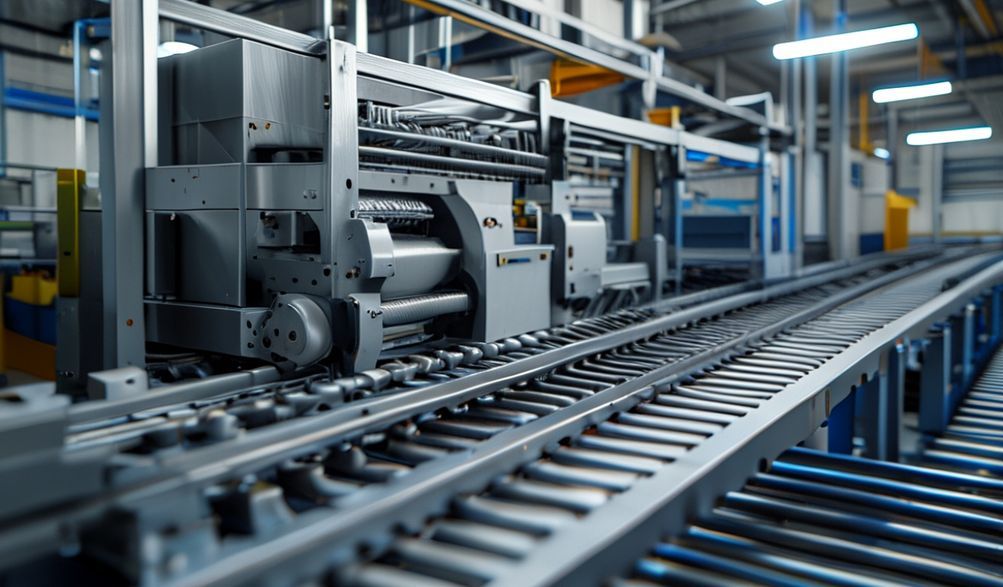
Prix des Machines à Fabriques des Blocs de Béton en Inde : Un Guide 2026 par les Experts de l'Usine de Fabrication de Briques FUDA
Introduction
Le secteur de la construction en Inde ne connaît pas seulement un essor ; il vit une révolution. Des villes intelligentes ambitieuses aux infrastructures rurales essentielles, la demande en matériaux de construction durables et économiques n'a jamais été aussi forte. Au cœur de cette croissance se trouve le modeste bloc de béton, un composant fondamental de la construction moderne. Pour les entrepreneurs et les entreprises établies qui cherchent à capitaliser sur cette demande, un défi majeur se pose : trouver la machine à fabriquer les blocs de béton qui allie une qualité irréprochable à un budget raisonnable.
Naviguer parmi la vaste gamme d'options et de fourchettes de prix du marché peut être intimidant. C'est là que l'expertise entre en jeu. FUDA Brick Making Factory se positionne comme un leader dans ce secteur, avec des décennies d'expérience dédiée à la conception, l'ingénierie et la fourniture de machines robustes pour la fabrication de briques et de blocs, adaptées aux exigences spécifiques du marché indien.
Ce guide complet, élaboré par l'équipe interne d'ingénieurs et de spécialistes commerciaux de FUDA, vise à couper court aux bruits ambiants. Nous vous fournirons des informations transparentes et fondées sur des données concernant le paysage des prix des machines à fabriquer les blocs de béton en Inde pour 2026. Au-delà d'une simple liste de chiffres, nous démystifierons les facteurs clés qui déterminent le coût, vous aidant ainsi à prendre une décision d'investissement qui stimulera la croissance de votre entreprise pour les années à venir.
Comprendre les Machines de Fabrication de Blocs en Béton : Types et Applications
Avant de nous plonger dans les prix, il est essentiel de comprendre la machine elle-même. Le bon choix dépend entièrement de vos objectifs de production, de votre échelle et de votre budget. Voici une analyse des principaux types de machines.
Machines Manuelles vs. Semi-Automatiques vs. Entièrement Automatiques
-
Machines à blocs manuelles :Ce sont les unités les plus basiques et les plus exigeantes en main-d'œuvre. Les opérateurs alimentent manuellement le mélange de béton, le compriment à l'aide d'un levier ou d'un petit système hydraulique, et retirent le bloc fini.
- Production Idéale :Jusqu'à 500 blocs par poste de 8 heures.
- Profil de l'utilisateur :Idéal pour les entrepreneurs à très petite échelle, les projets ruraux, ou pour produire des blocs à usage personnel. Ils représentent l'investissement en capital le plus faible.
-
Machines semi-automatiques de fabrication de blocs :Cette catégorie offre un bond significatif en productivité. Des processus clés tels que la vibration et la compression sont mécanisés, mais des tâches comme l'alimentation en matière première et le retrait des blocs finis nécessitent souvent l'intervention d'un opérateur.
- Production Idéale :800 à 2 500 blocs par heure.
- Profil de l'utilisateur :Idéal pour les petites et moyennes entreprises (PME) cherchant à passer d'opérations manuelles à une plus grande échelle. Elles offrent un excellent équilibre entre coût, productivité et automatisation.
-
Usines de fabrication de blocs entièrement automatiques :Ce sont des chaînes de production complètes conçues pour un rendement élevé et constant avec une intervention manuelle minimale. Elles intègrent le dosage automatique des matières, le mélange, le moulage des blocs, la cure, et parfois la manutention et l'empilage des palettes.
- Production Idéale :2 500 à plus de 10 000 blocs par heure.
- Profil de l'utilisateur :Conçu pour les grandes usines, les projets industriels et les entreprises fournissant aux principaux entrepreneurs en construction ou au marché libre en gros.
Types de Blocs Communs Produits
Les machines modernes sont polyvalentes. Grâce à des moules interchangeables, une seule machine peut fabriquer divers produits, notamment :
* Blocs creux :Le plus courant, utilisé pour les murs porteurs et non porteurs.
* Blocs Pleins :Utilisé pour les fondations, les pavages et là où une résistance maximale est requise.
* Paver Blocks (Interlocking): For landscaping, driveways, walkways, and parking areas.
* Briques de cendres volantes : An eco-friendly alternative utilizing industrial waste, gaining significant traction in India.
Why Machine Choice Impacts Price
The type of machine you choose is the primary price driver. This decision directly influences:
* Niveau d'automatisation : More automation means more sophisticated components (PLCs, sensors, conveyors), increasing cost.
* Capacité de sortie : Higher hourly output requires more powerful motors, larger frames, and heavier-duty hydraulics.
* Personnalisation : The ability to produce multiple block types may require additional mold sets and adjustments.
Key Factors Determining Concrete Block Machine Prices in India
The price tag on a machine is a sum of its parts and capabilities. Understanding these factors will help you compare quotes effectively.
Type de Machine et Niveau d'Automatisation
This is the most significant factor. Prices form clear brackets:
* Machines manuelles : Lowest investment, high labor dependency.
* Machines semi-automatiques : Mid-range investment, optimal blend of productivity and cost.
* Plantes entièrement automatiques : Premium investment, designed for maximum output and operational efficiency.
Capacité de production (blocs par heure)
Capacity and price have a direct, non-linear relationship. A machine designed for 5,000 blocks per hour will cost significantly more than one for 1,000 blocks per hour—not just double. The engineering, material strength, and power systems required for sustained high output command a higher price.
Brand, Manufacturing Quality, and Origin
- Established Brands (Like FUDA): Invest in superior-grade raw materials (hardened steel, reliable hydraulics), rigorous quality control, and extensive R&D. This results in a higher upfront cost but delivers unparalleled durability, lower downtime, and sustained production quality.
- Unbranded/Local Assemblies: May offer lower sticker prices but often compromise on component quality, leading to higher maintenance costs and shorter machine lifespan.
- Origin: Indigenous manufacturing, like FUDA’s, is optimized for Indian conditions and raw materials, often providing better value and easier service access than fully imported units.
Spécifications techniques et caractéristiques
- Puissance du Moteur & Système Hydraulique : The heart of the machine. Brands using reputed, energy-efficient motors and precision hydraulic systems ensure smooth operation and lower electricity costs.
- Systèmes de Contrôle : Basic relay panels are cheaper. Programmable Logic Controller (PLC) systems with touchscreen interfaces offer better precision, diagnostics, and automation but add to the cost.
- Mold Quality & Quantity: Molds made from high-chromium steel last longer and produce blocks with consistent dimensions. The number of molds included (for different block types) also affects the price.
Customization and Additional Attachments
Standard machines come at a base price. Customizations incur additional costs:
* Special block designs (curved, textured).
* Attachments like automatic color feeders for paver blocks.
* Integrated pallet feeders and stackers for fully automatic lines.
* Customized material handling systems.
Price Range Breakdown for Concrete Block Machines in India (2026)
Avertissement important : The following price ranges are indicative estimates for 2026 based on current trends and manufacturing insights. Actual prices can vary substantially based on exact technical configuration, geographical location, freight charges, and prevailing market conditions for raw materials like steel. For a precise and formal quotation tailored to your project, please contact FUDA’s sales team directly.
Machines à blocs manuelles
- Gamme de prix : ₹ 1.5 Lakhs to ₹ 5 Lakhs.
- À quoi s'attendre : This range covers basic lever-operated models to more advanced single-phase hydraulic machines. They are typically stationary, producing 4-6 blocks per cycle. Ideal for starting a micro-enterprise with a limited workforce.
Machines à fabriquer des blocs semi-automatiques
- Gamme de prix : ₹ 5 Lakhs to ₹ 20 Lakhs.
- À quoi s'attendre : This is the most dynamic and popular segment. The lower end includes simple vibrating table machines, while the upper end features high-output stationary machines with automatic block ejection and conveyor systems. Production can range from 1,000 to 2,500+ blocks per hour depending on the model and configuration.
Usines de Fabrication de Blocs Entièrement Automatiques
- Gamme de prix : ₹ 20 Lakhs to ₹ 1 Crore and above.
- À quoi s'attendre : These are complete turnkey solutions. The price includes the block making machine (often a stationary hydraulic press), integrated material conveyors, automatic batching and mixing systems, block curing systems, and sometimes robotic pallet handling and stackers. Output, sophistication, and level of automation define where in this wide range a particular plant will fall.
Beyond the Sticker Price: The FUDA Guide to Total Cost of Ownership
A wise buyer looks beyond the initial purchase price. The true cost of a machine is its Total Cost of Ownership (TCO) over 5-10 years.
Installation, Commissioning, and Training Costs
Does the quoted price include:
* Foundation guidance and installation supervision?
* On-site commissioning by trained engineers?
* Comprehensive operator training? These are often separate line items but are crucial for a smooth start.
Operational Costs: Power, Labor, and Raw Materials
- Pouvoir : An energy-optimized machine with efficient motors will save lakhs in electricity bills over its lifetime.
- Travail : Fully automatic plants drastically reduce labor costs per block produced compared to manual machines.
- Matériaux bruts : A well-engineered machine with precise vibration and pressure will produce strong blocks with optimal raw material use, reducing waste.
Maintenance, Spare Parts, and After-Sales Service
This is where brand choice matters most. Downtime is the biggest profit killer.
* Maintenance Préventive : Regular servicing is needed.
* Pièces de rechange : Are genuine parts readily available and reasonably priced?
* Réseau de Service : Does the manufacturer (like FUDA) have a pan-India network of service engineers for prompt support? Investing in a machine with reliable after-sales support minimizes long-term TCO.
Calculating Your Return on Investment (ROI)
A simplified framework:
1. Calculate Total Investment: Machine cost + installation + initial raw material stock.
2. Estimate Annual Operational Cost: (Power + Labor + Maintenance + Raw Materials) x 12 months.
3. Project Annual Revenue: (Blocks produced per month x Sale price per block) x 12 months.
4. Annual Profit: Annual Revenue – Annual Operational Cost.
5. ROI Time: Total Investment / Annual Profit = Approximate breakeven period (in years).
Why Choose FUDA for Your Brick Making Factory?
Selecting a machinery partner is a long-term business decision. Here’s why industry leaders trust FUDA.
Over Two Decades of Expertise in the Indian Market
FUDA has grown alongside India’s infrastructure story. Our deep understanding of local soil conditions, cement varieties, and construction practices allows us to build machines that perform reliably in the real world.
In-House R&D and Manufacturing Quality
We control the entire process—from design on our drafting tables to welding in our factory. We use certified raw materials and subject every critical component to stringent quality checks, ensuring every machine that leaves our facility is built to last.
Comprehensive After-Sales Support Network
Our commitment begins after the sale. With strategically located service centers and a large inventory of genuine spare parts, we ensure your production line keeps running. Our technical support team is just a phone call away.
Portfolio of Successful Installations Across India
From solo entrepreneurs in Tamil Nadu to large industrial plants in Gujarat and government projects in the Northeast, FUDA machines are the backbone of countless successful businesses. This proven track record is our strongest testament.
Frequently Asked Questions (FAQ)
Q1: What is the cheapest concrete block making machine available in India?
A: The cheapest options are manual block making machines, which can start from around ₹ 1.5 lakhs. However, it’s crucial to factor in very low production output and high physical labor requirements. For any commercial venture, a semi-automatic machine often provides a much faster return on investment.
Q2: How much does a fully automatic block making plant cost?
A: As outlined, fully automatic plants have a wide range, typically from ₹ 20 lakhs to over ₹ 1 crore. The final price depends entirely on the desired output (blocks per hour), the level of automation (e.g., with or without automatic pallet feeder/stacker), and the specific block types to be produced. A detailed project consultation is necessary for an accurate quote.
Q3: Does the price include installation and training?
A: This varies by manufacturer and deal structure. At FUDA, our quotations for semi-automatic and automatic plants typically include detailed installation guidance, commissioning by our engineers, and comprehensive on-site operator training. This ensures you are self-sufficient from day one.
Q4: What are the payment terms usually offered?
A: Standard industry terms often involve an advance payment (e.g., 30-50%) upon order confirmation, with the balance due before dispatch or in stages linked to manufacturing progress. FUDA works with clients to structure feasible payment plans.
Q5: How can I get an exact price quote for my project?
A: For a precise, no-obligation quotation, please contact the FUDA sales team with your project details: your location, desired daily/monthly production target, types of blocks you wish to produce (hollow, solid, pavers), and available space/power supply. This allows us to recommend the optimal machine configuration and provide an accurate price.
Conclusion
Investing in a concrete block making machine is a significant step toward building a profitable and sustainable business. As we’ve explored, the price is not a single number but a reflection of your production ambitions, quality standards, and long-term vision. While upfront cost is important, the true measure of value lies in the machine’s durability, efficiency, and the manufacturer’s commitment to supporting your success.
At FUDA Brick Making Factory, we believe in partnerships. We don’t just sell machines; we provide solutions that empower your “brick making factory” to thrive. Our expert team is ready to help you navigate every decision, from selecting the right model to planning your production floor.
Ready to turn your vision into a concrete reality? Consult with FUDA’s experts today for a personalized assessment and a detailed, transparent quotation tailored precisely to your project’s needs. Let’s build the foundation of your success together.
<