
Le Guide Ultime des Machines à Blocs Hydrauliques en Afrique du Sud (2026)
Introduction
Le secteur de la construction en Afrique du Sud est une pierre angulaire de son développement économique. Avec un besoin urgent de plus de 2,3 millions de logements abordables et des investissements continus dans les infrastructures, la demande en matériaux de construction fiables et de haute qualité n'a jamais été aussi forte. Pourtant, les constructeurs, les entrepreneurs et les chefs d'entreprise font face à des défis persistants : une qualité irrégulière des matériaux traditionnels, des coûts de main-d'œuvre en hausse, des délais de production lents et la pression constante de fournir des solutions durables et rentables.
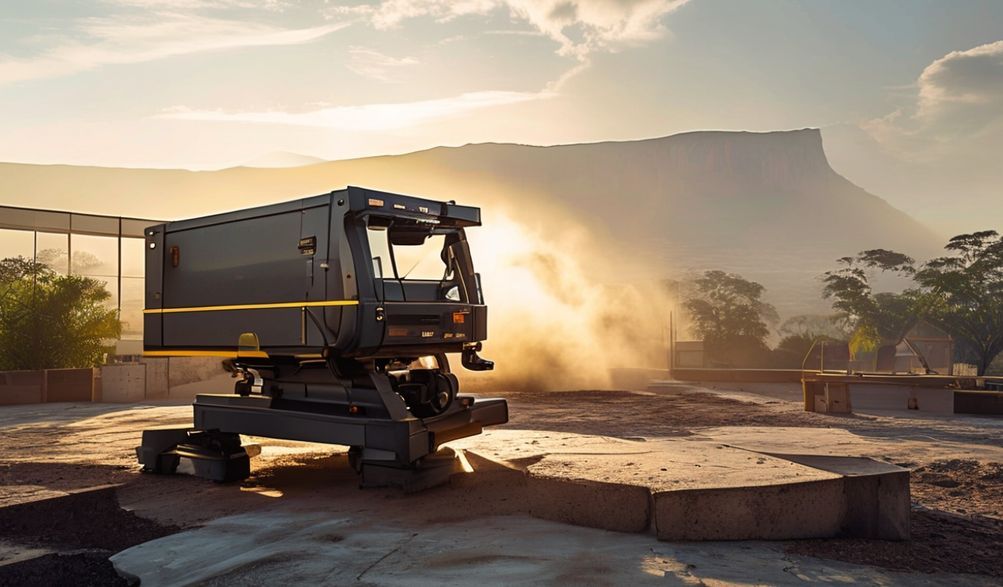
Voici la machine de fabrication de blocs hydraulique – un bond technologique qui redéfinit la production locale. Plus qu’un simple équipement, elle incarne une solution moderne, efficace et hautement rentable pour répondre aux besoins spécifiques du secteur de la construction en Afrique du Sud. Ce guide constitue votre ressource complète et fiable. Forts d’une expertise sectorielle approfondie, de connaissances techniques des machines et d’une compréhension claire du marché sud-africain – incluant les normes SANS essentielles – nous vous fournirons tous les éléments nécessaires pour prendre une décision d’investissement éclairée et en toute confiance pour votre entreprise.
Pourquoi Choisir une Machine à Blocs Hydraulique pour Votre Entreprise en Afrique du Sud ?
Dans un marché concurrentiel, votre choix de technologie de production peut déterminer votre succès. Les fabricants de blocs hydrauliques offrent des avantages distincts qui répondent aux besoins fondamentaux du paysage de la construction sud-africain.
Qualité et Cohérence Supérieures des Blocs
L'avantage fondamental d'un système hydraulique est la compaction uniforme à haute pression.
- Densité et résistance accrues : Unlike vibration-only machines, which can leave inconsistent density, hydraulic pressure compacts the concrete mix from all sides. This produces blocks with superior structural integrity, often achieving compressive strengths of 7 MPa, 10 MPa, or higher with the correct mix.
- Précision dimensionnelle : This precise compaction results in blocks with sharp edges, consistent sizes, and smooth surfaces. This accuracy reduces mortar use during laying, speeds up construction, and ensures compliance with SANS 1215 standards for concrete masonry units.
- Durabilité améliorée : The resulting high-density blocks have lower water absorption, making them more resistant to weathering, frost (in colder regions), and wear—a critical factor for long-lasting South African infrastructure.
High Production Output with Lower Operational Costs
Profitability hinges on output efficiency and cost control.
- Boosted Daily Output: Automated cycles, from feeding to compaction and ejection, significantly increase production rates. A semi-automatic machine can produce thousands of blocks per day, while fully automatic plants can output tens of thousands.
- Économies de main-d'œuvre significatives : Automation reduces reliance on large manual crews. One or two trained operators can manage the entire production process, slashing long-term wage bills.
- Réduction des déchets de matériaux : Precise mix proportioning and consistent compaction minimise spillage and reject blocks, ensuring you get the most out of every bag of cement and load of sand.
Versatility for a Demanding Market
The ability to pivot with market needs is invaluable. Hydraulic block machines are inherently versatile.
- Quick Mold Changes: With a library of interchangeable molds, a single machine can produce:
- Standard Hollow and Solid Blocks for structural walls.
- Paving Slabs and Kerbstones for landscaping and municipal projects.
- Interlocking Blocks for cost-effective, mortar-less construction popular in housing projects.
- Specialised Shapes for architectural features.
- Market Agility: This allows a business to service diverse clients—from large-scale contractors needing structural blocks to homeowners wanting decorative pavers—maximising revenue streams.
Durability and Reliability for Long-Term ROI
The robust construction of a quality hydraulic machine is a direct investment in business continuity.
- Built for Intensive Use: Key components like the frame, hydraulic cylinders, and moulds are engineered from high-grade materials to withstand the rigours of daily production.
- Minimised Downtime: A reliable machine means consistent output and meeting project deadlines. This protects your reputation and avoids costly contractual penalties.
- Longer Asset Life: While the initial investment may be higher than simpler machines, the extended service life and lower maintenance needs of a well-built hydraulic press deliver a far superior return on investment (ROI).
Key Features to Look for in a South African Hydraulic Block Maker
Not all machines are created equal. Focus on these critical features to ensure you select a unit built for performance and longevity in the local context.
Hydraulic System Power and Control
The heart of the machine dictates its performance.
- Robust & Sealed System: Look for systems with quality pumps, valves, and cylinders that are well-sealed against the pervasive dust of a block yard. The system should operate smoothly with minimal heat generation.
- Precise Pressure Control: Compaction force, measured in tons or kiloNewtons (kN), should be adjustable and consistent. This control is what allows for the production of different block types at their optimal strength.
- Advanced Control Panel: A Programmable Logic Controller (PLC) system allows for automated, repeatable cycles, reducing operator error and fatigue. A user-friendly interface with clear diagnostics is a major advantage.
Mold Quality and Customization Options
Molds are the tooling that defines your product. Compromising here is false economy.
- High-Hardness Steel: Molds must be manufactured from hardened, abrasion-resistant steel to maintain their precise dimensions after producing hundreds of thousands of blocks.
- Customization Availability: A reputable supplier should offer both a range of standard molds and the ability to fabricate custom molds. This ensures you can produce blocks that meet exact SANS specifications or unique architectural requirements for local projects.
Capacité de Production (Blocs par Heure/Jour)
Match the machine’s output to your business scale and growth plans.
| Machine Type | Typical Output Range | Ideal For |
| :— | :— | :— |
| Manual/Small Semi-Auto | 500 – 2,000 blocks per 8-hour shift | Start-ups, small block yards, on-site production for specific projects. |
| Semi-Automatique | 2,500 – 6,000 blocks per shift | Growing businesses, established block suppliers, medium-sized contractors. |
| Fully Automatic Stationary Plant | 8,000 – 20,000+ blocks per shift | Large-scale commercial block manufacturing, supplying major construction firms and retailers. |
After-Sales Support: A Critical Consideration
This is the most crucial factor for your long-term peace of mind and operational success in South Africa.
- Assistance technique locale : Does the supplier have a team of trained technicians based in South Africa? Prompt, local support is non-negotiable for minimising downtime.
- Spare Parts Inventory: Ensure critical spare parts (hydraulic seals, electrical components, wear parts) are held in a local warehouse. Waiting for parts to ship from overseas can halt your business for weeks.
- Formation Complète : The supplier must provide thorough, hands-on training for your operators and maintenance staff on safe operation, daily checks, and basic troubleshooting.
- Conditions de garantie claires : Understand exactly what is covered, for how long, and the process for claiming warranty service. Prioritise suppliers with a transparent and responsive service ethos.
Understanding the South African Market and Practicalities
Success requires more than just a great machine; it demands an understanding of the local operational environment.
SANS Standards and Block Specifications
Compliance is not optional—it’s a mark of quality and a commercial necessity.
- SANS 1215: This is the key standard for concrete masonry units. It governs dimensions, compressive strength, moisture content, and density. Your machine and process must be capable of producing blocks that consistently meet or exceed the required class (e.g., Class 3 for general use, Class 4 for load-bearing).
- Construire la confiance : Supplying SANS-compliant blocks builds credibility with engineers, architects, and contractors, opening doors to larger, more profitable projects.
Raw Material Considerations
Quality blocks start with a quality mix.
- Approvisionnement local : Advise on sourcing well-graded crusher sand, stone (6mm or 9mm), and quality cement. In some regions, the use of fly ash (a by-product) can improve workability and reduce costs.
- Conception du Mélange : The ideal water-cement ratio and aggregate blend are critical. A mix that is too wet or dry will affect block strength, surface finish, and the machine’s performance. Reputable suppliers often provide proven mix designs.
Power Requirements and Site Setup
Practical planning prevents operational headaches.
- Electrical Supply: Most industrial-grade machines require a stable 3-phase electrical connection. Confirm the power requirements (in kW) with your supplier and involve a qualified electrician.
- Site Layout: Plan for:
- Production Area: A level, solid floor for the machine.
- Curing Area: A covered, shaded space for blocks to cure for 7-14 days, which is essential for achieving full strength.
- Raw Material Storage: Space for stockpiling sand, stone, and cement under cover.
- Finished Product Storage: Organised space for palletised blocks.
Business Model and Profitability Analysis
Frame your purchase as a strategic business investment.
- Potential Models:
- Block Supply Yard: Sell directly to the public, retailers, and contractors.
- Integrated Contractor: Produce blocks for your own construction projects, guaranteeing supply and quality while capturing more profit.
- Specialist Producer: Focus on high-value products like interlocking pavers or decorative blocks.
- Key Profitability Drivers:
- Production Cost per Block: Includes raw materials, labour, power, and machine depreciation.
- Local Market Selling Price: Research prices for different block types in your area.
- Production Volume & Utilisation: Maximising the machine’s output is key to covering fixed costs and generating profit.
FAQs: Hydraulic Block Making Machines in South Africa
Q1: What is the price range for a hydraulic block making machine in South Africa?
A: Prices vary significantly based on automation and capacity. A small manual/semi-automatic machine can start from around R 150,000, while high-output, fully automatic plants can exceed R 1.5 million. The critical focus should be on Coût Total de Possession—a slightly higher initial price with robust local support often proves cheaper in the long run than a bargain machine with no service backup.
Q2: Can I get training on how to operate and maintain the machine?
A: Absolutely, yes. Comprehensive training is a mandatory part of the purchase from any reputable supplier. This should include hands-on operation, safety procedures, routine maintenance (like greasing and hydraulic checks), and basic troubleshooting for your designated staff.
Q3: What kind of after-sales service and spare parts availability can I expect?
A: You should expect and demand a clear service-level agreement. Ask potential suppliers: Where is your service team based? What is your average response time for a breakdown? Do you stock common spare parts in South Africa? Choose a supplier with a demonstrable, physical commitment to the local market.
Q4: Are the blocks produced strong enough for load-bearing walls in South Africa?
A: Yes. A properly calibrated hydraulic machine, using the correct concrete mix design and proper curing, can easily produce blocks exceeding the common load-bearing strength requirements of 7 MPa and 10 MPa. The machine provides the compaction; the strength is achieved through the right mix and curing process.
Q5: What is the typical lead time for delivery and installation?
A: Lead times depend on the machine’s complexity and origin. Locally assembled machines may be available in 2-6 weeks, while complex custom or fully automatic lines imported by sea may take 3-5 months. Always get a written delivery and installation timeline as part of your purchase agreement.
Conclusion
Investing in a hydraulic block making machine is a strategic decision that places quality, efficiency, and versatility at the core of your South African construction business. The benefits—unmatched block consistency, high output with lower operational costs, and the agility to meet diverse market needs—are clear. However, the cornerstone of this investment is the robust local after-sales support and technical service that ensures your machine remains a productive asset for years to come.
This guide has provided the foundational knowledge to navigate your purchase with confidence. The next step is to engage with the market from a position of strength. We strongly recommend contacting two or three reputable local suppliers to request a detailed quotation and, most importantly, a live demonstration of the machine in operation. Seeing the equipment produce blocks first-hand is the best way to evaluate its quality, ease of use, and the professionalism of the supplier supporting it.
<