
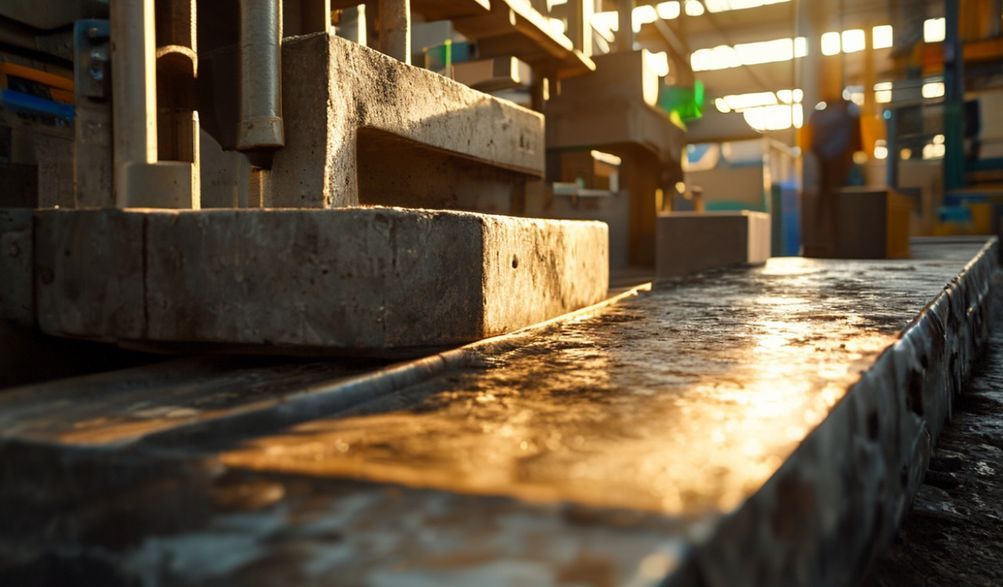
Votre guide pour l'achat d'une machine à fabriquer des blocs de ciment au Ghana | Conseils d'experts de l'usine FUDA
Introduction
Le secteur de la construction au Ghana ne fait pas que croître ; il est en plein essor. Avec un taux de croissance annuel dépassant régulièrement celui de l'économie au sens large, la demande en matériaux de construction fiables et de haute qualité n'a jamais été aussi forte. À la base de presque chaque projet, des initiatives de logements abordables aux complexes commerciaux, se trouve un composant simple et essentiel : le bloc de ciment.
Pour les entrepreneurs, les contractants et les propriétaires d'entreprise, cette demande représente une opportunité significative. Investir dans une machine à fabriquer des blocs de ciment peut être une décision transformatrice, ouvrant la voie à la croissance de l'entreprise et à une contribution au développement national. Cependant, naviguer sur le marché pour trouver la machine adaptée peut s'avérer complexe et semé de risques.
Ce guide a un objectif unique : être votre ressource complète et impartiale. Nous ne sommes pas là simplement pour vous vendre une machine ; nous sommes là pour vous donner les connaissances nécessaires afin que vous puissiez faire un investissement intelligent et en toute confiance. En tant que fabricant expérimenté, avec des années d'expérience directe dans la fourniture de machines durables au marché ghanéen, FUDA Factory comprend les défis et les opportunités uniques auxquels vous êtes confrontés.
Nous allons démêler le fouillis d'informations et vous fournir des conseils d'experts sur tout, des types de machines et des caractéristiques clés aux prix, à la sélection des fournisseurs et au crucial service après-vente. Considérez ceci comme votre feuille de route pour l'achat d'une machine à fabriquer des blocs de ciment qui servira votre entreprise pour les années à venir.
Comprendre les machines de fabrication de blocs de ciment : types et applications
Choisir le bon type de machine est votre première et plus cruciale décision. Un mauvais choix peut entraîner une sous-production, des coûts de main-d'œuvre excessifs ou une charge financière insoutenable. Décomposons les trois principales catégories.
Machines à blocs manuelles
Ce sont les machines d'entrée, fonctionnant entièrement à la force humaine.
- Idéal Pour :Petites startups, maçons individuels, projets d'entraide communautaire, ou production de blocs pour usage personnel en construction.
- Avantages :
- Coût en capital le plus bas :L'entrée la plus abordable dans la production de blocs.
- Opération et Maintenance Simples :Connaissances mécaniques minimales requises.
- Dépendance Zéro Puissance :Idéal pour les sites avec une alimentation électrique peu fiable ou inexistante.
- Inconvénients :
- Faible rendement :La production est limitée par l'endurance et la vitesse de l'opérateur.
- À forte intensité de main-d'œuvre :Nécessite un effort physique important.
- Incohérence :La qualité et la densité des blocs peuvent varier selon les opérateurs.
Machines à fabriquer des blocs semi-automatiques
Cette catégorie représente l'équilibre optimal pour la plupart des entreprises ghanéennes en croissance. Elles combinent l'alimentation manuelle des matières premières avec des procédés mécaniques pour la vibration et la compression.
- Idéal Pour :Petites à moyennes usines de blocs, entreprises de construction approvisionnant leurs propres chantiers, et entrepreneurs ciblant les marchés de détail locaux.
- Principaux avantages :
- Significantly Higher Output: Can produce hundreds more blocks per day than manual machines.
- Improved Consistency & Quality: Mechanical vibration ensures uniform compaction and stronger blocks.
- Better Labor Efficiency: Reduces physical strain, allowing operators to focus on feeding and stacking.
- Considération : Requires a stable power source (electric or diesel) and represents a higher, yet very justifiable, investment than manual models.
Machines à fabriquer des blocs entièrement automatiques
These are industrial-grade production lines, with automated processes for feeding, mixing, molding, curing, and stacking.
- Idéal Pour : Large-scale commercial block yards, major construction firms, and businesses aiming to supply regional or national markets.
- Principaux avantages :
- Maximum Output: Can produce thousands of high-quality blocks per shift with minimal manual intervention.
- Cohérence Inégalée : Delivers perfectly uniform blocks batch after batch.
- Reduced Direct Labor Costs:Automatise les processus les plus pénibles.
- Critical Considerations:
- High Initial Investment: Requires substantial capital.
- Complex Operation & Maintenance: Needs trained technicians.
- Significant Power Requirements: Must have a very reliable power solution, often involving industrial-scale generators or dedicated grid connections.
Key Features to Evaluate Before You Buy
Beyond the basic type, scrutinizing these features will ensure your machine matches your operational and business goals.
Capacité de Production (Blocs par Heure/Jour)
Don’t just look at the theoretical maximum. Consider the practical, sustainable output.
* Match to Your Business Plan: Are you supplying a single site, a local retailer, or multiple contractors? Project your daily and monthly needs.
* Factor in Downtime: Real-world production includes time for mold changes, maintenance, and raw material preparation. A machine rated for 1000 blocks/day might reliably produce 700-800.
Types de blocs et polyvalence des moules
Your market potential expands with the products you can offer. Machine versatility is key.
* Moules Standards : Ensure it can produce the most common types: 4-inch, 5-inch, and 6-inch hollow blocks, as well as solid blocks.
* Produits Spécialisés : Can it be fitted with molds for interlocking paving stones (for driveways and walkways), kerbstones, or decorative bricks? This allows you to diversify your product line and tap into new revenue streams.
Power Source and Efficiency
Ghana’s energy landscape requires careful thought.
* Modèles Électriques : Cleaner and cheaper to run si you have stable grid power. Consider voltage requirements (single-phase vs. three-phase).
* Modèles Diesel : Essential for sites without reliable electricity. Higher fuel cost but guaranteed operation. Look for fuel-efficient engines.
* Hybrid Options: Some machines offer the flexibility to switch between power sources, providing valuable backup and operational flexibility.
Build Quality and Durability
This is where premium manufacturers separate themselves. A machine is a long-term asset.
* Steel Frame & Components: High-grade, reinforced steel is non-negotiable for withstanding constant vibration and pressure.
* Système de Vibration : The heart of the machine. Renowned brand motors (e.g., Italian or German-made) offer greater reliability and consistency than uncertified generic parts.
* Protection contre la corrosion : Given Ghana’s climate, look for machines with high-quality anti-rust paint or powder coating to extend lifespan.
The Ghanaian Market: Pricing and Investment Considerations
Transparency about cost is a cornerstone of trust. Let’s demystify the investment.
Understanding the Price Range
Prices vary dramatically based on type, automation, and quality. Here’s a realistic bracket (CIF Tema Port, subject to market fluctuations):
- Machines à blocs manuelles : GHS 5,000 – GHS 15,000
- Machines semi-automatiques : GHS 25,000 – GHS 80,000
- Machines entièrement automatiques : GHS 120,000 – GHS 500,000+
Why such a wide range? The price reflects the quality of components, the level of engineering, brand reputation, included features (like extra molds), and the shipping and insurance terms.
Total Cost of Ownership (Beyond the Sticker Price)
The machine price is just the beginning. Smart budgeting includes:
- Shipping & Clearing: Sea freight, port handling fees, and customs duties at Tema or Takoradi Port. A reliable supplier will help you estimate these Import Declaration (IDF) and Customs Clearing costs accurately.
- Installation et Mise en Service : Will you need a technician to travel to your site, or can your team handle it with provided manuals?
- Spare Parts Inventory: Budget for an initial set of critical spare parts to minimize downtime.
- Frais d'exploitation : Ongoing expenses for electricity/diesel, raw materials (cement, sand, aggregate), and labor.
- Site Preparation: A level, concrete foundation is required for semi- and fully-automatic machines.
How to Choose a Reputable Supplier in Ghana
This step is arguably more important than choosing the machine itself. The right partner ensures your success long after the sale.
Manufacturer vs. Local Agent: Pros and Cons
- Buying Direct from a Factory (like FUDA):
- Avantages : Typically better pricing, direct access to engineering expertise, clearer warranty terms, and a direct line for technical support.
- Inconvénients : Potential for language/time zone barriers (though many factories have English-speaking teams), and longer physical distance.
- Buying from a Local Agent:
- Avantages : Face-to-face communication, may offer quicker initial response, might stock some common spare parts.
- Inconvénients : Often higher prices (to cover their margin), may have limited technical knowledge, and support depends on their relationship with the factory.
Essential Due Diligence Checklist
Protect your investment by asking the right questions:
- Request Factory Credentials: Ask for their business license, export certificates, and any quality management certifications (e.g., ISO).
- Ask for Client References: Demand contact information for past clients in Ghana or West Africa. Actually call or visit them. Ask about machine performance and after-sales support.
- Demand a Detailed, Itemized Quotation: It should clearly list the machine model, all included molds, a recommended spare parts package, and the shipping terms (e.g., CIF Tema Port). Ambiguity here leads to conflict later.
- Review After-Sales Service Terms in Writing:
- Warranty period and what it covers (parts, labor, shipping?).
- Availability of installation guides and training materials.
- Process for ordering and shipping spare parts.
- Options for remote support (WhatsApp, video call).
Red Flags to Avoid
- “Lifetime Warranty”: This is often a marketing gimmick with many hidden conditions.
- No Physical Address: A supplier operating only from a P.O. Box or social media account is a major risk.
- Prices Drastically Lower than Market Average: Extreme discounts usually mean compromised quality or hidden costs.
- Reluctance to Provide References: A reputable company will be proud of its customer base.
Why Partner with a Factory Like FUDA? A Focus on Value
Choosing FUDA is about more than buying a machine; it’s about securing a partnership for your growth.
Direct Engineering and Customization Support
We don’t believe in a one-size-fits-all approach. Our engineers can discuss your specific needs—whether you need a machine optimized for a particular local aggregate, a hybrid power setup, or custom block sizes—and tailor a solution that fits.
Comprehensive After-Sales Ecosystem
Our commitment begins when your machine is commissioned:
* Clear Warranty: A straightforward, written warranty on core components.
* Step-by-Step Documentation: Detailed installation manuals, electrical diagrams, and maintenance schedules.
* Formation des opérateurs : Comprehensive training videos and guides to ensure your team can operate the machine safely and efficiently.
* Pièces de rechange authentiques : A streamlined process to order and ship original spare parts directly to your site in Ghana, ensuring your machine maintains peak performance.
Long-Term Partnership for Growth
We view your initial purchase as the start of our relationship. As your business expands, we are here to advise on production optimization, additional machinery, or upgrading your existing line. Your success in Ghana’s vibrant construction market is our ultimate goal.
Foire aux Questions (FAQ)
Q1: What is the lead time for shipping a block machine from your factory to Ghana?
A: Typically, production takes 15-20 working days after order confirmation. Sea freight to Tema Port takes approximately 30-35 days, followed by customs clearance. You should plan for a total timeline of 45-60 days from order to delivery at port.
Q2: Do you provide installation and training in Ghana?
A: We provide exhaustive installation manuals and video support. For semi- and fully-automatic machines, we strongly recommend and can arrange, for an additional fee, for one of our technicians to travel to your site for commissioning and hands-on training. We also have trained local partners who can provide this service.
Q3: What are the most common spare parts I should keep in stock?
A: To minimize downtime, we advise keeping a starter kit including: spare vibration motor bearings, a set of mold liners for your most-used block size, tension springs, hydraulic seals (for automatic models), and a set of common tools and bolts.
Q4: Can your machines use local Ghanaian raw materials (aggregates, sand)?
A: Absolutely. Our machines are engineered for material versatility. We can provide guidance on optimal mix designs (cement-sand-aggregate ratios) for your local materials to achieve the required block strength (e.g., for load-bearing walls).
Q5: How do I handle maintenance and repairs locally?
A: We equip you with a full maintenance schedule. For repairs, our technical team offers remote diagnostic support via video call. Once the issue is identified, we can dispatch the exact spare parts needed via reliable courier to Ghana. We also provide detailed repair guides.
Conclusion
Investing in a cement block making machine is a significant step toward building a profitable and sustainable business in Ghana’s construction sector. The key lies in careful planning: honestly assessing your production needs, thoroughly evaluating machine features, understanding the true total cost, and, most importantly, conducting rigorous due diligence on your supplier.
At FUDA Factory, we believe an informed customer is our best partner. We’ve built our reputation not on pushy sales, but on providing reliable machinery and the expert support needed to ensure it thrives in the Ghanaian market.
Ready to discuss your specific project requirements? Contact our export sales team today for a personalized quotation and a free, no-obligation consultation to find the perfect cement block making machine for your business success in Ghana.
<