
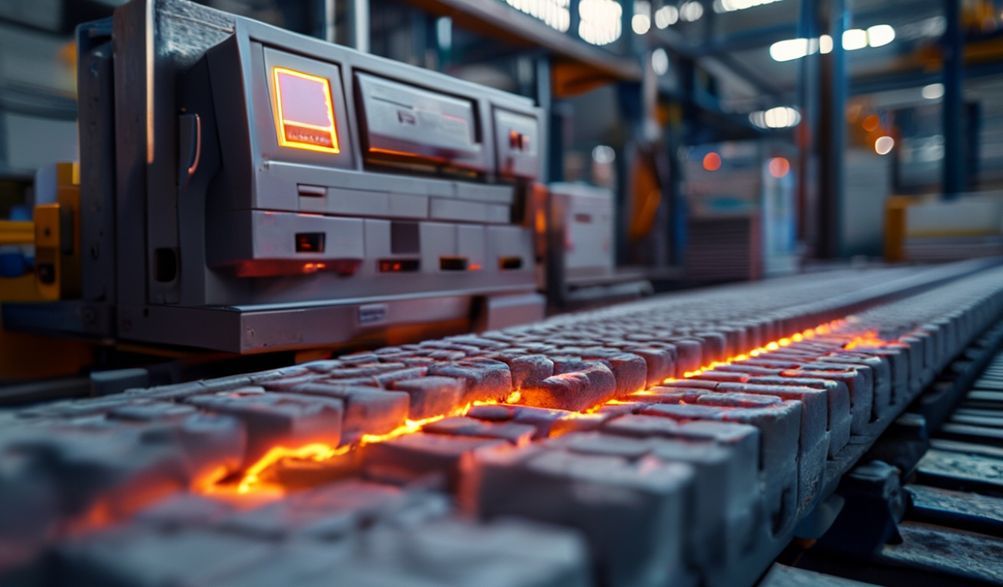
Jagorar Cikakke kan Farashin Injin Tubalin Huda: Zuba Jari, Nau'uka & Ƙimar (2026)
Gabatarwa
Zuba jari a na'urar yin bulo mai ramuka yana da muhimmanci ga kamfanonin gine-gine, masana'antun bulo, da 'yan kasuwa da ke shiga cikin masana'antar kayan gini. Neman "farashin na'urar yin bulo mai ramuka" sau da yawa yana haifar da rudani game da farashi. Me yasa akwai bambancin farashi mai yawa?
Gaskiya, farashin ba koyaushe adadi guda ba ne. Yana da iyaka, yana nuna iyawa, sarrafa kai, amincin alama, da kuma ingancin abin da ake buƙata. Injin ba siyayya kawai ba ne; shi ne ginshiƙin layin samarwa kuma babban alƙawari ne na kuɗi.
Wannan jagorar, wadda aka ƙirƙira daga nazarin masana'antu da ƙwarewar injiniyoyi, za ta bayyana gaba ɗaya tsarin farashi. Za mu wuce gaba da kawai jera farashin. Manufarmu ita ce samar da mahimman bayanan da kuke buƙata don yin saka hannun jari mai inganci a fannin kuɗi da kuma dacewa a fasaha. A ƙarshe, za ku kasance cikin shiri don nemo injin da zai ba da ƙimar gaske ga bukatun aikin ku na musamman da kuma manufofin kasuwancin ku na dogon lokaci.
1. Fahimtar Injinan Bulo na Hollow: Nau'uka da Aikace-aikace
Kafin mu tattauna rupees, daloli, ko kuma yuro, yana da muhimmanci mu fahimci abin da kuke siye da gaske. Sanin nau'ikan injina da aikace-aikacensu shine matakin farko na fahimtar farashinsu.
Injin yin bulo mai ramuka, wanda kuma ake kira da injin yin bulo na siminti, an tsara su ne don samar da bulo masu ramuka a ciki. Waɗannan ramukan ba laifi ba ne amma wani abu ne mai fa'ida, suna ba da fa'idodi masu mahimmanci:
* Rufin Zafi:Aljihun iska suna ba da ingantacciyar daidaitawar zafin jiki ga gine-gine.
* Ragewar Nauyi:Yana sa sarrafawa, jigilar kaya, da gini su yi sauri kuma cikin aminci.
* Tanadin Kayan Aiki:Yana amfani da ƙarancin kayan gini (siminti, tokar ƙura) idan aka kwatanta da tubalan masu ƙarfi, wanda ke rage farashin samarwa.
* Amfanin Tsarin Gine-gine:Bututun wutar lantarki da na famfo za a iya gudana ta cikin ramukan.
1.1. Nau'ikan Injin Muhimman Ta Hanyar Aiki
Matakin sarrafa kai tsaye shine babban abin da ya bambanta, yana tasiri kai tsake kan farashi, fitarwa, da tsarin aiki.
- Injin Bulo na Ciki na Haka da Hannu.Waɗannan su ne mafi ƙarancin raka'a. Aiki ya dogara da aikin ɗan adam—ana amfani da tsarin lefa don matsawa cakuda siminti cikin ƙirar gyare-gyare. Suna damafi ƙarancin farashin farkoamma suna da ƙarfin aiki mai yawa, ƙarancin yawan samarwa, da ƙarancin ingancin tubalan. Sun dace da ƙananan ayyuka ko ayyukan al'umma inda farashin aiki ya yi ƙasa.
- Matsin Injin Mai Ƙaramin Gudanarwa:Wannan rukuni yana daidaitawa. Ayyuka kamar ciyar da albarkatun ƙasa da sanya tubalan don warkewa na iya zama na hannu, amma ainihin ayyuka—girgiza, matsawa, da fitar da tubalan—ana sarrafa su ta atomatik. Suna ba damatsakaicin farashiFitarwa mafi girma sosai fiye da injunan hannu, da rage matsin jiki ga ma'aikata. Cikakke ne ga ƙananan da matsakaitan kasuwancin.
- Matsarori Masu Sarrafa Kansu Gabaɗaya:Waɗannan tsare-tsaren samarwa ne na haɗin kai. Tun daga ciyarwa da haɗawa ta atomatik zuwa ƙirƙira, gyare-gyare, da tara abubuwa ta hanyar mutum-mutumi, duk tsarin yana buƙatar ƙaramin shiga tsakani na hannu. Suna da ikonbabban jarin farkoamma suna ba da babban, daidaitaccen fitarwa tare da ingantacciyar inganci da ƙarancin farashin aiki na kowane naúrar. Zaɓi don ƙwararrun masana'antu na kasuwanci.
1.2. Abubuwan da ake Fitowa da Girman Tubali
Na'ura mai yawan amfani na iya zama kadara mai kima. Yawancin na'urori masu inganci suna ba da damar canza ginshiƙi don samar da samfura daban-daban.
* Tubalan Hollow Block na Al'ada:Samfurin ciki (misali, kauri na 4″, 6″, 8″).
* Fasahar Tsarin Kafafun da Tubalan Haɗin Kai:Don yin shimfidar lambu, hanyoyin mota, da hanyoyin tafiya.
* Tubalan Ƙaƙƙarfan da Tubalin Kura ta Wuta:Yin amfani da kayan masana'antu don gine-gine mai tsada, mai kiyaye muhalli.
* Molds na Al'ada: For specialized designs, architectural blocks, or unique market demands.
2. Primary Factors Determining Hollow Bricks Machine Price
The price tag is a direct result of engineering choices and component quality. Understanding these factors lets you decode a quotation and compare apples to apples.
2.1. Production Capacity (Blocks Per Hour)
Capacity is the engine of your revenue. Price scales dramatically with output potential.
* Small Scale (< 1000 blocks/day): Machines in this range are compact, often manual or semi-automatic. Ideal for startups, small builders, or specific projects. Lower price, lower output.
* Medium Scale (1000 – 5000 blocks/day): This is the sweet spot for growing businesses and steady supply contracts. Typically semi-automatic or entry-level fully automatic machines. Prices increase with the robustness and speed required.
* Large Scale (> 5000 blocks/day): Designed for established manufacturers and large infrastructure projects. These are full plant lines with high levels of automation. The investment is substantial, justified by massive, consistent output.
2.2. Level of Automation
Automation is a major cost driver, but it’s an investment in efficiency.
* Manual vs. Automatic Cost Analysis: The jump from a $5,000 manual machine to a $50,000 automatic one is significant. However, the justification lies in long-term savings: drastically reduced labor costs, superior and consistent block quality, and the ability to scale production without linearly scaling your workforce.
* Tsarin Gudanarwa: A basic relay system is cheaper. A PLC (Na'urar Sarrafa Ma'auni Mai Tsarawa) with a touch-screen interface adds cost but provides precision control, fault diagnostics, and easier operation, reducing downtime and operator error.
2.3. Machine Quality and Brand Reputation
This is where hidden value—or future cost—resides.
* Abubuwan Maɓalli: Scrutinize the core parts. The quality of the Motor mai girgiza (frequency and power), the tsarin na'urar motsa ruwa (seals and pump durability), the frame steel (thickness and welding), and the mold hardness and precision dictate machine lifespan and block quality. Superior components cost more upfront but fail less often.
* Established Brands vs. New Manufacturers: Recognized brands often command a 10-25% premium. You are paying for proven reliability, extensive R&D, accessible after-sales service, and a global supply chain for spare parts. A cheaper, unknown brand may offer similar specs on paper but could lead to costly downtime and support headaches.
2.4. Power Requirements and Specifications
Your local infrastructure influences the machine type and its associated costs.
* Electrical (Single/Three-Phase) vs. Diesel Engine: Standard electric motors are common. Diesel-powered models are more expensive initially and to operate but are crucial for sites with unreliable grid power and offer true mobility for on-site production.
* Machine Footprint and Space Needs: A small mobile machine has a low footprint cost. A large stationary plant with pallet circulators requires a significant shed, a level concrete foundation, and space for raw materials and block curing. These infrastructure costs must be added to your total investment.
3. Hollow Bricks Machine Price Ranges (2026 Estimates)
Muhimmin Bayani:* The following price ranges are indicative estimates for 2026*. Actual prices vary significantly by region (Asia, Africa, North America), supplier, shipping costs, and currency fluctuations. Always request detailed, formal quotations.
3.1. Manual and Semi-Automatic Machines
- Farashin Farashi: $2,500 – $15,000 USD
- Mafi Kyau Don: First-time entrepreneurs, small builders, community self-help projects, and markets with very low labor costs.
- Siffar da Aiki na Yau da Kullum: 500 – 2,000 blocks per standard 8-hour shift.
- Abubuwan da ake la'akari da su: At the lower end, expect very basic manual machines. The higher end of this range includes robust semi-automatic models with better motors and mold systems.
3.2. Fully Automatic Stationary Machines
- Farashin Farashi: $18,000 – $75,000+ USD
- Mafi Kyau Don: Small to medium-sized brick manufacturing plants aiming for consistent quality, higher daily production, and reduced manual labor.
- Siffofi: Often include or can be integrated with automatic pan mixers, conveyor belt feeders, and block stackers. PLC controls are standard in the mid-to-upper range.
3.3. High-Capacity Automatic Plant Lines
- Farashin Farashi: $80,000 – $300,000+ USD
- Mafi Kyau Don: Large-scale commercial production, export-oriented businesses, and major government housing or infrastructure projects.
- Siffofi: These are complete, synchronized systems. They include pallet circulators, automatic curing chambers (like steam curing), robotic stackers, and packing systems. Output can exceed 10,000+ blocks per day.
4. Beyond the Sticker Price: Total Cost of Ownership
The invoice price is just the beginning. A smart investor analyzes the Farashin Gabaɗaya Mallaka (FGM) over 3-5 years.
4.1. Initial and Hidden Costs
- Shipping, Customs, and Installation: International freight, import duties, and technician travel for installation can add 15-30% to the base price.
- Foundation and Shed Construction: A proper, leveled concrete base is non-negotiable for machine stability and longevity.
- Initial Raw Material Stock: You’ll need to purchase your first batch of cement, aggregates (sand, stone dust), and possibly pigments.
- Training for Operators: Ensure your team knows how to operate and perform basic maintenance safely.
4.2. Operational and Maintenance Costs
- Raw Material Cost per Block: This is your largest recurring expense. Calculate your gross margin (Selling Price – Direct Material Cost) accurately.
- Regular Maintenance: Scheduled lubrication, bolt tightening, and part inspection prevent major breakdowns.
- Mold Replacement Cost: Molds are wear items. High-quality hardened steel molds last longer but cost more to replace. Budget for this.
- Labor, Power, and Water: The ongoing costs of your workforce, electricity/diesel, and water for mixing and curing.
4.3. Importance of After-Sales Service
This factor can make or break your investment.
* Tallafin Fasaha: Is help available via phone, video call, or on-site visits? What are the response times?
* Samun Kayan Gyara: Are common wear parts (hydraulic seals, vibration motors, mold liners) kept in stock locally or in the region?
* Warranty Coverage: What is covered (parts, labor)? How long does it last? A strong warranty reflects manufacturer confidence.
5. How to Get the Best Value for Your Investment
Value = Meeting Your Needs / Total Cost. Here’s how to maximize it.
5.1. Conducting a Needs Analysis
- Buƙatun Kasuwa: Are you supplying a local housing boom, or producing for specific contractors? Match capacity to demand.
- Capital Reality: Be honest about your budget. Include a 20-30% buffer for hidden and initial costs.
- Infrastructure Audit: Do you have reliable three-phase power? Enough land? Secure these before buying a machine that requires them.
5.2. Vetting Suppliers and Manufacturers
- References are Gold: Ask for and actually contact 3-5 customers, preferably in a similar region. Ask about machine performance and service.
- Company Credentials: How long have they been in business? Do they have a service network? Search for their reputation online.
- The Demonstration Mandate: Insist on a live or detailed video demonstration of the exact model you’re considering, producing bricks. See it work.
5.3. Key Questions to Ask Before Purchase
- What is the total lead time from payment to installed, commissioned machine?
- Can you provide a list of critical spare parts I should keep in stock from day one?
- What specific training is included for my operators and maintenance staff?
- What is the expected operational lifespan of the core vibration system and hydraulic unit?
FAQ: Hollow Bricks Machine Price
Q1: What is the cheapest type of hollow bricks machine I can buy?
A1: Basic manual machines are the least expensive, with prices starting around $2,500-$4,000. Crucially, remember that the “cheap” price comes with high physical labor costs and limited production capacity. Calculate the cost per block including labor before deciding.
Q2: Can I get a good automatic machine under $20,000?
A2: Yes, it is possible. Entry-level semi-otomatik and smaller fully automatic single hopper machines can be found in the $15,000 – $20,000 range. Be extra diligent: scrutinize the motor power, vibration system quality, and warranty terms at this price point.
Q3: How much profit can I make per block?
A3: There is no universal answer. Profit depends entirely on your local material costs, overheads, and selling price. A typical rough estimate suggests a net profit margin of 25-40% per block after accounting for all costs. You must create a detailed business plan with local numbers for accuracy.
Q4: Are used hollow bricks machines a good option to save money?
A4: They can be, but they carry inherent risk. Only consider used equipment from a very reputable dealer or directly from a known manufacturer’s refurbishment program. Always insist on a thorough inspection by a qualified technician before purchase, and verify spare part availability.
Q5: How long does it take to recover the investment (ROI)?
A5: For a well-planned and efficiently run operation, a typical ROI period is 1 to 3 years. This depends heavily on the machine’s cost, your production efficiency, local market demand, block pricing, and your management of operational costs. A faster ROI is often seen with higher-demand, higher-margin products like pavers or interlocking bricks.
Ƙarshe
Navigating the “hollow bricks machine price” landscape requires a holistic view. It’s a journey from understanding your own needs to evaluating the machine’s true lifetime value. The cheapest initial option can become the most expensive due to frequent downtime, poor-quality output, and a lack of reliable support.
The path to a successful investment is clear: Prioritize value and reliability over the lowest sticker price. Dedicate time to researching suppliers, conducting a rigorous needs analysis, and calculating the full total cost of ownership. By doing this, you move from being a price shopper to a value investor.
Your decision will lay the physical and financial foundation for your brick-making venture. Start by clearly defining your production goals, then seek and compare detailed quotes from multiple, verified manufacturers. Your future profitable, efficient production line depends on this informed choice.
<