
The Ultimate Guide to Block Cement Machines: Powering Modern Construction
Gabatarwa
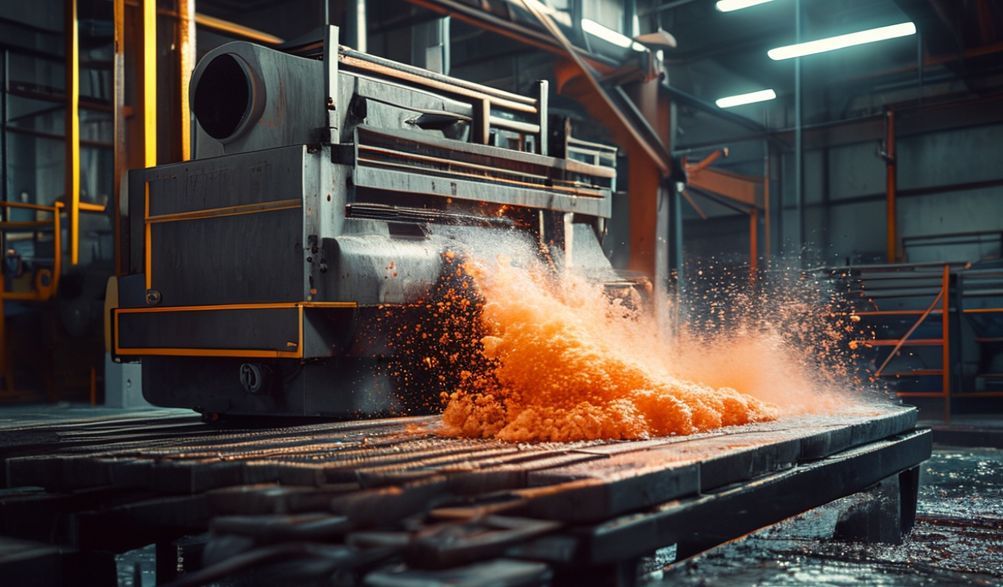
In the world of construction, the humble concrete block is a foundational hero. From the walls of your home to the pavers in your driveway, these precise, durable units are everywhere. But behind every perfect block is a powerful piece of engineering: the block cement machine. Also known as concrete block making machines, these devices are the unsung workhorses of modern building and manufacturing, transforming raw materials like cement, sand, and aggregates into the building blocks of our world.
This comprehensive guide is built on industry expertise and technical knowledge. Whether you’re a contractor evaluating on-site production, a builder sourcing materials, or an entrepreneur launching a manufacturing business, this resource is designed to provide authoritative, trustworthy advice. We’ll demystify the technology, explore its vast applications, and deliver practical buying and operational guidance. Our goal is to equip you with the insights needed to make an informed decision, ensuring the success, efficiency, and structural integrity of your project.
Understanding Block Cement Machines
Before investing, it’s crucial to understand what these machines are and how they operate. This foundational knowledge will inform every subsequent decision.
What is a Block Cement Machine?
At its core, a block cement machine is a mechanical or hydraulic device engineered to compress a specific mixture of cement, aggregates (like sand or gravel), and water into molds. The result is a precisely formed solid or hollow construction block. The key principle is Matsi mai ƙarfi, which creates a dense, interlocked matrix that gives the blocks their strength and durability to meet rigorous engineering standards.
These machines are not just simple presses. They are systems that can integrate mixing, feeding, molding, and sometimes curing and stacking, all geared toward producing consistent, high-quality units at scale.
How Do They Work? The Production Process
The magic of block production follows a consistent, cyclical process. Understanding each step is key to optimizing both output and final product quality.
- Batching & Mixing: Raw materials are measured (batched) according to a precise mix design and combined in a mixer. Consistency here is critical for block strength.
- Ciyarwa: The prepared concrete mixture is fed into the machine’s mold box or chamber. This can be done manually, via conveyor, or with an automated hopper.
- Ƙarfafawa: This is the heart of the operation. The mixture in the mold is subjected to intense pressure. This is achieved through:
- Girgiza: To settle the mix and remove air pockets.
- Matsin Ruwa: To compress the material into a dense mass.
- A combination of both for optimal density and surface finish.
- Gyarawa/Fitarwa: The compacted block is then pushed out of the mold onto a pallet or the production floor, holding its shape.
- Maganin Ciwon Ciki: The fresh, “green” blocks are moved to a curing area. Here, they are kept under controlled moisture and temperature conditions for a period (often 14-28 days) to gain their full compressive strength. Some advanced systems integrate accelerated steam curing.
- Tattarawa/Tsara Kayayyaki: Once sufficiently cured, blocks are stacked on pallets for storage, transport, and sale.
Nau'ukan Injinan Yin Buloci
The market offers a variety of machines, each suited to different scales of operation, budgets, and levels of automation. Choosing the correct type is the single most important decision for your project’s efficiency and cost-effectiveness.
Na'ura ta Hannu, Na'ura Mai Sarrafa Kansa, da Na'ura Mai Sarrafa Kansa Gabaɗaya
This classification is based on the level of human intervention required.
-
Injin Kullewa da Hannu.
- Aiki: Entirely powered by hand levers or simple mechanical systems.
- Mafi Kyau Don: Very small-scale projects, DIY enthusiasts, startups with minimal capital, or locations with unreliable electricity.
- Abubuwan da suka fi kyau: Extremely low cost, simple to maintain and repair, no power required.
- Rashin Kyau: Very low output, physically demanding labor, inconsistent product quality if operation is not careful.
-
Injin Ƙirƙirar Tubalin Mai Ƙaramin Gudanarwa:
- Aiki: Combine manual feeding of materials with automated compaction (vibration/hydraulics) and block ejection. Often include a mechanical pallet feeder.
- Mafi Kyau Don: Small to medium-sized businesses, block yards, and contractors needing on-site production for specific projects.
- Abubuwan da suka fi kyau: Good balance between output, cost, and labor. More consistent quality than manual machines. Offers a solid entry point for commercial production.
- Rashin Kyau: Still requires several operators, output is limited by manual feeding speed.
-
Injinoyin Saka Tubali na Cikakken Atomati:
- Aiki: Computer-controlled production lines. They automate batching, mixing, feeding, compaction, curing, and stacking with minimal human oversight.
- Mafi Kyau Don: Large-scale block manufacturing plants, high-volume suppliers for major construction projects, and industrial operations.
- Abubuwan da suka fi kyau: Very high, consistent output. Superior product uniformity. Dramatically reduced labor costs and physical strain.
- Rashin Kyau: Very high initial investment. Requires skilled technicians for maintenance and operation. Needs stable, high-capacity power supply.
Tsayayyun Injin Bulala vs. Injin Bulala Masu Tafiya
This classification relates to the machine’s mobility and placement.
-
Injin Tukin Tsayayyen Tubali:
- These are fixed installations, typically found in a dedicated factory or yard. They are designed for high-volume, centralized production.
- All automatic and most large semi-automatic machines are stationary. They require blocks to be transported from the plant to the construction site.
-
Mobile Block Machines (Often Called “Egg Layers”):
- These are portable units, often mounted on wheels or a trailer.
- Their key feature is that they produce blocks and deposit them directly onto a level ground surface (like a slab or roadbed) as they are slowly moved forward.
- Mafi Kyau Don: Large, on-site projects like housing developments, road construction, or large warehouses where transporting thousands of blocks would be prohibitively expensive.
- Abubuwan da suka fi kyau: Eliminates block transport costs for the project. Simple operation.
- Rashin Kyau: Lower production rate than stationary plants. Product quality can be more variable due to on-site conditions.
Key Applications and Products
The versatility of block machines is demonstrated by the wide range of products they can manufacture, each serving distinct purposes in the construction ecosystem.
Common Products Manufactured
With the right mold, a single machine can produce multiple products:
* Tubalan Siminti Masu Ƙarfi: Dense, heavy blocks used for load-bearing walls, foundations, and structures requiring high strength.
* Tubalin Siminti Na Cako: The most common block type. The hollow cores reduce weight and cost, provide insulation, and allow for rebar and concrete filling to enhance structural integrity.
* Dutsen Rike-rike & Dutsen Haɗaɗɗen Rike-rike: Used for driveways, walkways, patios, and public squares. Designed for durability and aesthetic appeal.
* Ginshiƙan Kan Tituna da Gindin Tituna: Essential for road construction, landscaping, and defining boundaries.
* Siffofi na Musamman: Including chimney blocks, lintel blocks, and architectural details for customized construction needs.
Industries and Projects That Rely on Them
The products from these machines form the backbone of:
* Gidaje na Zama: For exterior and interior walls, foundations, and garden landscaping.
* Ginin Kasuwanci & Masana'antu: For warehouses, factories, and office complexes requiring durable, cost-effective walls.
* Abubuwan More na Jama'a: Retaining walls, sound barriers, drainage systems, and bridge abutments.
* Yanayin Lambu & Tsarin Kasa: Patios, walkways, and decorative garden walls.
Critical Factors for Choosing a Block Machine
Navigating the purchase of a block machine requires a careful, analytical approach. Focus on these key areas to ensure a sound return on investment.
Assessing Your Production Needs (Output & Scale)
Start with a clear business or project plan. Mismatched capacity is the most common reason for operational failure.
* Calculate your required daily or weekly output in number of blocks.
* Be realistic about your market demand or project requirements.
* Factor in future growth. Is the machine scalable or can it be upgraded?
* Consider your available workforce. A fully automatic machine needs fewer but more skilled operators.
Evaluating Machine Features and Quality
Never compromise on core engineering quality. Inspect:
* Pressure & Vibration System: This is the machine’s heart. Hydraulic systems generally offer higher, more controllable pressure for denser, stronger blocks. Effective vibration ensures complete compaction without voids and creates a smooth surface finish.
* Build Quality & Durability: Look for a robust, welded steel frame that can withstand constant stress. Molds should be made from hardened, precision-machined steel. Hydraulic components should be from reputable brands (e.g., Bosch Rexroth, Parker). This directly impacts longevity and maintenance frequency.
* Mold Versatility & Changeover Time: How easily can you switch molds to produce different block types? Quick-change systems add tremendous value and flexibility to your operation.
* Tsarin Gudanarwa: For semi- and fully-automatic models, a user-friendly, reliable PLC (Programmable Logic Controller) interface is vital for operation and troubleshooting.
Cost Analysis: Purchase Price vs. Operational Costs
The sticker price is just the beginning. A true cost analysis is holistic:
* Farashin Sayen Farko: The cost of the machine, essential spare parts, and initial molds.
* Amfani da Makamashi: Fully automatic hydraulic lines consume significant power. Calculate your local electricity costs.
* Kudin Ma'aikata: Factor in the number and skill level of operators required.
* Ingantaccen Amfani da Albarkatun Kaya: A well-designed machine should minimize waste and produce consistent blocks, optimizing your material cost per unit.
* Kulawa da Kayayyakin Gyara: What is the availability and cost of wear parts (mold liners, hydraulic seals, vibrator motors)?
* After-Sales Service & Support: This is critical. Does the manufacturer or supplier offer installation support, training, and reliable technical service? A slightly more expensive machine with excellent support is often cheaper in the long run.
Best Practices for Operation and Maintenance
Expertise shines not only in choosing the right machine but in operating it safely, efficiently, and sustainably.
Essential Safety Protocols
Construction equipment demands respect. Always prioritize safety:
* Kayan Kariya na Mutum (PPE): Operators must wear safety glasses, steel-toe boots, hearing protection (around vibrators), and gloves.
* Machine Guarding: Ensure all moving parts, like feed mechanisms and compression heads, are properly guarded.
* Lock-Out/Tag-Out (LOTO): Strict procedures must be followed when performing any maintenance or clearing jams. Isolate all energy sources (electrical, hydraulic).
* Horar da Ma'aikatan Aiki Cikakke: No one should operate the machine without thorough training on its functions and safety procedures.
Jadawalin Kulawa na Yau da Kullum
Preventive maintenance is far cheaper than reactive repairs and downtime.
- Kullum:
- Clean the machine thoroughly to prevent concrete buildup.
- Check hydraulic oil levels and look for leaks.
- Inspect molds for wear, damage, or concrete residue.
- Mako-mako:
- Lubricate all moving parts as per the manufacturer’s manual.
- Check and tighten all bolts, nuts, and fittings.
- Inspect vibration motors and their mounts.
- Kowane wata:
- Inspect hydraulic hoses, valves, and the pump for wear.
- Test all emergency stop and safety systems.
- On automatic models, calibrate sensors and check the PLC system.
Troubleshooting Common Issues
- Poor Block Quality (Crumbling or Weak):
- Likely Cause: Incorrect water-cement ratio, insufficient compaction pressure/duration, worn-out mold liners, or poor-quality raw materials.
- Solution: Re-check your mix design, increase vibration/pressure time, and replace worn molds.
- Machine Jamming:
- Likely Cause: Overfilling the mold box, foreign objects (stones, tools) in the concrete mix, or a misaligned pallet feeder.
- Solution: Clear the jam using LOTO procedures, adjust feed volume, and install a screen over the mixer feed.
- Hydraulic System Failure (Loss of Pressure):
- Likely Cause: Hydraulic fluid leak, contaminated oil, failing pump, or a stuck relief valve.
- Solution: Trace and repair leaks, change the fluid and filter, and consult a technician for pump or valve issues.
FAQ: Your Questions Answered
Q: What is the typical cost range for a block cement machine?
A: Prices vary dramatically with type and capacity. Small manual machines start at $3,000 – $10,000. Productive semi-automatic models range from $15,000 to $70,000. Large, fully automatic production lines can cost anywhere from $100,000 to well over $1 million.
Q: Can I use recycled materials like fly ash in a block machine?
A: Absolutely. Many modern machines are designed for mixed material use. Incorporating industrial by-products like fly ash or slag can reduce material costs and produce more environmentally friendly “green” blocks. Crucially, the mix design must be engineered and tested to ensure the final product meets all required strength and durability standards.
Q: How much space is needed to set up a block manufacturing plant?
A: Space needs scale with production. A small semi-automatic operation needs 1,500 – 3,000 sq. ft. for the machine, raw material storage, and a curing area. A full-scale automatic plant with production lines, rack curing systems, and storage may require 10,000 to 50,000 sq. ft. or more.
Q: What is the difference between a block machine and a brick machine?
A: The main differences are mold size and product application. Brick machines typically produce smaller, solid units (often from clay). Block machines produce larger, often hollow, concrete building blocks. Some versatile machines can produce both with appropriate mold changes.
Q: How long does it take for blocks to cure properly after production?
A: While initial handling strength is achieved in 24 hours, blocks need a standard curing period of 14 to 28 days to reach their specified compressive strength. Proper curing involves keeping them moist. In plant settings, steam curing chambers can accelerate this process, allowing blocks to reach handling strength in under 24 hours.
Ƙarshe
Investing in and operating a block cement machine is a significant commitment that bridges the gap between raw materials and finished construction. The path to success begins with a clear understanding of your goals, honest assessment of your production needs, and an unwavering commitment to quality and safety.
From the simplicity of a manual press to the awe-inspiring efficiency of a fully automated line, the right machine is more than equipment—it’s a foundational tool for building structures, businesses, and communities. By prioritizing durable engineering, efficient operation, and diligent maintenance—guided by the authoritative advice in this guide—you position yourself for reliable, profitable production of high-quality building materials.
Forge partnerships with reputable manufacturers, insist on detailed demonstrations, and let hands-on experience inform your final decision. With careful planning and the right machine, you’re not just making blocks; you’re laying the groundwork for enduring success.
<