
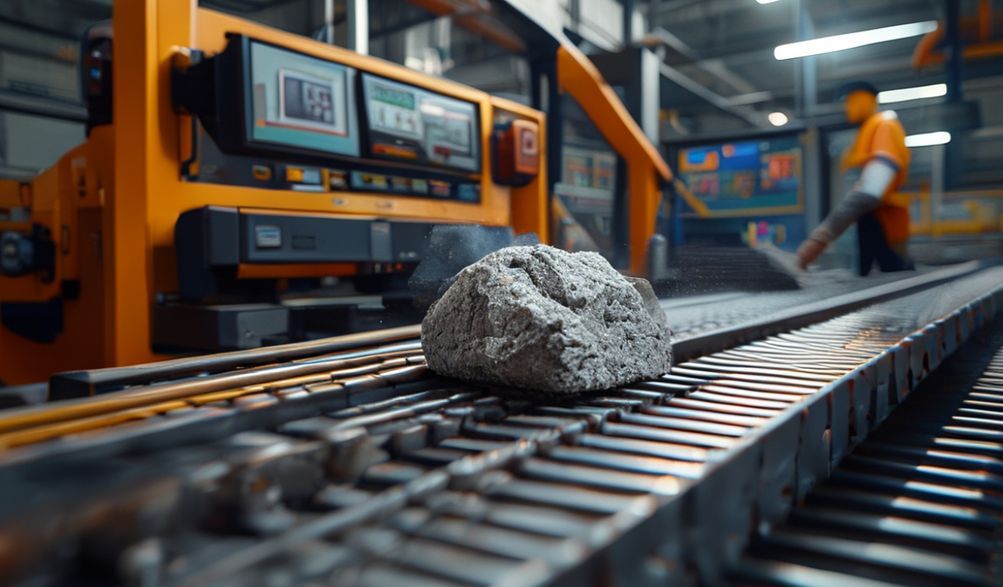
Jagorar Cikakkiyar Na'urorin Yin Bulo: Nau'uka, Amfani, da Yadda Ake Zaba
Gabatarwa
Daga manyan gine-ginen zuwa ƙananan bangon lambu, buƙatar kayan gini masu ƙarfi da daidaituwa ta ko'ina cikin duniya. Ingantacciyar aiki, farashi, da ingancin kowane aiki sun dogara ne akan wata muhimmin kayan aiki: injin yin tubali. Wannan jagorar ta samo asali ne daga gogewar masana'antu na shekaru da yawa, ƙayyadaddun injiniyanci, da fahimtar aiki a filin. Ko kai ma'aikaci ne, ɗan kasuwa mai tasowa, ko manajan aiki, burinmu shi ne mu ba ka ilimin da zai ba ka damar tafiya cikin kasuwa cikin kwarin gwiwa.
A cikinsa,Injin yin tubalishi ne injin masana'antar ginin katako na zamani, yana mai da albarkatun ƙasa zuwa cikakkun tubalan, bulo, da kuma ginshiƙan da ke gina duniyarmu. Wannan cikakken rubutu zai zama tushen ku na ƙarshe. Za mu bayyana nau'ikan injinan daban-daban, mu rarrabe mahimman sassansu, kuma mu ba da tsari-mataki-mataki don taimaka muku zaɓar madaidaicin samfuri don takamaiman bukatunku da kasafin ku.
Menene Injin Yin Buloci? Aikin Cibiyar da Tasirin Masana'antu
Kafin mu fara cikin cikakkun bayanai, yana da mahimmanci mu fahimci abin da wannan na'ura ke yi da kuma dalilin da yasa take da sauyi mai girma.
Ma'anar Asali da Ka'idar Aiki
Na'urar yin tubali wata na'ura ce ta inji ko na'urar ruwa da aka ƙera don gyara gaurayawan albarkatun ƙasa—kamar siminti, ciminti, tokar wuta, ko ƙasa—zuwa ga sifofi masu ƙarfi, masu ƙarfi daidai gwargwado. Ana samun wannan ta hanyar haɗa matsi mai ƙarfi da girgiza.
Tsarin asali yana bin zagaye mai daidaito:
1. Ciyarwa: The prepared raw material mix is poured or conveyed into the machine’s mold box.
2. Ƙarfafawa/Girgiza: The machine subjects the material to intense vibration, removing air pockets and ensuring even distribution. Simultaneously, a hydraulic ram or mechanical press applies tremendous pressure.
3. Gyare-gyare: Under this pressure and vibration, the material takes the exact shape of the steel mold cavity.
4. Fitarwa: The freshly formed block is pushed out onto a pallet or conveyor belt, ready for curing and storage.
The Evolution and Modern Importance
The leap from manual, labor-intensive brick molding to automated machinery represents a revolution in construction. This evolution has had a profound impact:
- Gudun & Ma'auni: Automated machines can produce in an hour what might take a manual crew days, accelerating project timelines dramatically.
- Tasiri Mai Tsada: While the initial investment is significant, the reduction in labor costs and material waste leads to a much lower cost per block over time.
- Rashin Daidaito: Machines produce blocks with identical dimensions, weight, and strength, which is critical for structural integrity and aesthetic appeal.
- Dorewa: Modern machines excel at utilizing industrial by-products like fly ash and slag, and can even process recycled construction aggregate, supporting greener building practices.
Types of Block Making Machines: Finding the Right Fit for Your Project
The market offers a variety of machines, each designed for specific production scales and applications. Understanding these categories is the first step in making an informed choice.
By Operation: Manual, Semi-Automatic, and Fully Automatic
-
Matsarorin Tukwane na Hannu:
- Overview: Operated primarily by human labor for feeding, compacting (often via a lever), and ejection.
- Mafi Kyau Don: Very small-scale projects, DIY enthusiasts, remote locations with no power, or producing specialty artistic blocks.
- Abubuwan da suka fi kyau: Very low upfront cost, simple to understand, portable.
- Rashin Kyau: Very low output (e.g., 200-500 blocks per day), labor-intensive, inconsistent quality dependent on operator skill.
-
Injinoyin Yinƙaƙƙarfan Tubalan na Wucin Gadi:
- Overview: A hybrid model. Key processes like vibration and pressing are powered (electrically or hydraulically), but tasks like feeding raw material or removing finished blocks may be manual.
- Mafi Kyau Don: Small to medium-sized enterprises (SMEs), starting a block manufacturing business, or contractors with variable project sizes.
- Abubuwan da suka fi kyau: Good balance between cost and output (e.g., 1,000-3,000 blocks per shift), more consistent quality than manual machines, moderate energy use.
- Rashin Kyau: Still requires a small crew, output is limited by manual handling stages.
-
Injinoyin Gina Tubalan Gabaɗaya na Kansa:
- Overview: The pinnacle of efficiency. These are computer-controlled systems with integrated components like automatic mix feeders, conveyor belts, stackers, and pallet return systems. Human intervention is minimal, often just for monitoring.
- Mafi Kyau Don: Large-scale commercial block production plants, major infrastructure projects, and high-volume paver manufacturers.
- Abubuwan da suka fi kyau: Very high, consistent output (e.g., 5,000-15,000+ blocks per shift), minimal labor costs, exceptional product uniformity, programmable for different products.
- Rashin Kyau: High initial investment, requires significant space and stable power supply, more complex maintenance.
By Mobility: Stationary vs. Mobile Block Making Machines
- Tsire-tsire Masu Tsayawa: These are fixed installations, typically the semi- and fully-automatic models. They are designed for long-term, high-volume production in a dedicated yard or factory. They offer the highest stability and integration.
- Na'urorin Motsi: Mounted on a trailer or truck bed, these machines are designed for on-site production. They are a game-changer for large, linear projects like highways, dams, or remote housing developments, as they eliminate the massive cost and logistics of transporting pre-made blocks.
By Output Product: Specialized Machines
While many machines are versatile with mold changes, some are optimized for specific products:
* Injin Yin Gina Tubalin Ciki Fankare: The most common type, designed to produce blocks with cavities (hollow cores), reducing weight and material use while maintaining strength.
* Injin Yin Samfurin Tubalin Kafa. Engineered for higher pressure and finer finishes to produce interlocking or standard paving stones for driveways, walkways, and patios.
* Solid Brick Making Machine: Produces dense, solid bricks used for heavy-load bearing walls and foundations.
* Interlocking Block Making Machine: Creates blocks with designed ridges and grooves that lock together without mortar, enabling fast, dry-stack construction for walls and retaining structures.
Key Components and Features of a High-Quality Block Making Machine
The durability and performance of a block machine depend on the quality of its core systems. Here’s what to scrutinize.
The Heart of the Machine: Vibration System
This is non-negotiable. High-frequency, powerful vibration is what compacts the concrete mix, ensuring a dense, strong block with a smooth finish and sharp edges.
* Muhimmanci: Inadequate vibration leads to weak, crumbly blocks with high water absorption.
* Nau'uka: Look for machines with multiple, strategically placed vibrators (often hydraulic or electric). The best systems offer adjustable vibration frequency and amplitude to suit different mix designs.
Hydraulic System and Pressure
The hydraulic system provides the clamping force that holds the mold shut and the pressing force that compacts the material.
* Matsakaicin Matsi: Higher hydraulic pressure (measured in tons or bar) typically results in a denser, stronger block with a shorter curing time. Compare pressure specs between models.
* Ingancin Kayan Aiki: Insist on reliable, brand-name hydraulic pumps, valves, and cylinders. Cheap hydraulics are a primary source of failure and downtime.
Mold and Pallet System
These components define your product’s shape and finish.
* Kwayoyin ƙura: Must be made from high-grade, hardened steel to withstand constant abrasion and pressure. A quality mold ensures dimensional accuracy and a long service life. Check the ease of mold changeover if you plan to produce multiple products.
* Kwali: The steel plates blocks are formed on. They must be perfectly flat and durable. A synchronized pallet return system is key for continuous automatic production.
Control System and Automation Level
This is the machine’s “brain.”
* Basic Models: Use simple levers and switches.
* Advanced Models: Feature a Na'urar Sarrafa Ma'ana Mai Tsarawa (PLC) panel with a touchscreen interface. This allows for:
* Storing recipes for different block types.
* Monitoring production counts and diagnosing faults.
* Automating the entire cycle with precision, improving repeatability and reducing operator error.
How to Choose the Best Block Making Machine: A 5-Step Buyer’s Guide
Making the right choice requires a structured assessment of your needs and the market. Follow this framework.
Step 1: Assess Your Production Needs
Ask the fundamental questions:
* What is my required output in blocks per hour or per 8-hour shift?
* What specific block types and sizes do I need to produce? (Hollow, solid, paver, etc.)
* Is this for a single project or for establishing an ongoing business?
* What are my future growth plans in the next 3-5 years?
Step 2: Evaluate Raw Material Availability
The machine must match your local material mix.
* Source samples of your aggregates (sand, gravel, crushed stone), cement, and potential additives (fly ash).
* Discuss your mix design with machine suppliers. Some machines are better suited for certain aggregate sizes or soil-based mixes (like CEB – Compressed Earth Blocks).
Step 3: Consider Your Budget and ROI
Look beyond the sticker price.
* Jimillar Farashin Mallaka: Include installation, foundation, power connection, training, and estimated maintenance.
* Kudin Aiki: Factor in labor, energy consumption, and wear parts (molds, pallets, hydraulic seals).
* Return on Investment (ROI): Calculate based on your production capacity, local block selling price, and operational costs. A slightly more expensive, robust machine with lower downtime often has a better ROI than a cheaper, problematic one.
Step 4: Research Manufacturers and Compare Brands
This step is critical for long-term success and builds Amincia cikin shawararku.
* History & Reputation: Prioritize manufacturers with a proven track record of 10+ years. Read industry forums and case studies.
* Customer Testimonials & References: Ask for contact details of previous buyers in a similar climate or region.
* Sabis na Bayan Sayarwa: This is paramount. Inquire about:
* Warranty period and terms.
* Availability of spare parts and average delivery time.
* Provision of installation supervision, commissioning, and operator training.
* Technical support (phone, email, on-site).
Step 5: Prioritize Safety and Ease of Maintenance
A safe, maintainable machine is a productive one.
* Siffofin Tsaro: Look for emergency stop buttons, protective guards on moving parts, and safety interlocks.
* Maintenance Design: Are lubrication points easily accessible? Is the electrical panel well-organized? Are hydraulic lines routed neatly? Good design reduces daily maintenance time and prevents major breakdowns.
Mafi kyawun Ayyuka da Shawarwarin Kulawa
Owning the machine is just the beginning. Proper operation and care determine its lifespan and profitability.
Daily and Weekly Maintenance Checklist
- Kullum:
- Clean the machine thoroughly at the end of each shift, removing concrete buildup.
- Check and tighten any loose bolts or nuts.
- Inspect hydraulic hoses for leaks.
- Lubricate all moving parts as per the manual.
- Mako-mako:
- Check hydraulic fluid level and condition.
- Inspect mold and pallets for wear or damage.
- Verify the vibration system is functioning evenly.
Troubleshooting Common Issues
- Problem: Blocks are weak or breaking easily.
- Potential Causes: Incorrect water-cement ratio (too much water), insufficient vibration/pressure during compaction, or poor-quality raw materials.
- Problem: Poor surface finish or ragged edges.
- Potential Causes: Worn-out mold liners, damaged or dirty pallets, or a vibration system imbalance.
- Problem: Machine jams during the ejection cycle.
- Potential Causes: Overfilling the mold, foreign objects in the mix, misaligned pallets, or low hydraulic pressure.
Optimizing Your Raw Material Mix
A good machine needs a good mix. While exact ratios depend on materials, a standard concrete block mix is a starting point:
* General Purpose Mix: 1 part Portland cement : 6-8 parts combined aggregate (sand & gravel) by volume. Water is added to achieve a stiff, moldable consistency (low “slump”).
FAQ Section
Q1: What is the average production capacity of a standard block making machine?
A: Capacity varies enormously. A small manual machine may produce 1,000-2,000 blocks per 8-hour day. A semi-automatic model might produce 3,000-6,000. Large, fully automatic plants can output 10,000 to over 20,000 blocks in the same timeframe.
Q2: Can one machine produce different types of blocks (e.g., hollow blocks and pavers)?
A: Yes, most machines are designed for versatility. By changing the mold set, you can produce different products. However, on fully automatic high-speed lines, mold changeover can be complex, so these are often dedicated to one product type for efficiency.
Q3: What is the typical lead time for delivery and installation?
A: For standard models, delivery can take 4-12 weeks from order, depending on the manufacturer’s location and your country’s import process. Installation and commissioning by a technician may add another 1-2 weeks. Always clarify this timeline with your supplier during negotiations.
Q4: How much space is required to install a block making plant?
A: You need space for more than just the machine. A small semi-automatic operation might fit in a 1,000 sq. ft. shed, but you must also account for raw material storage, mixing area, block curing yard, and finished product storage. A full plant can easily require 10,000-20,000 sq. ft. or more.
Q5: Are there financing options available for purchasing a block making machine?
A: Many established manufacturers and their local dealers offer financing plans, leasing options, or can guide you to partner financial institutions. This makes the initial investment more accessible for startups and small businesses.
Ƙarshe
Zaɓar daidaiInjin yin tubali is a significant decision that hinges on a careful, honest analysis of your production needs, budget, and operational capabilities. It’s not just about buying a piece of equipment; it’s about investing in the foundation of your project or business.
This guide has emphasized the importance of partnering with experienced, trustworthy manufacturers who offer robust after-sales support. The cheapest machine can become the most expensive if it leads to constant downtime and a lack of technical help.
Use the 5-step framework provided to structure your research. Your logical next step is to take your specific requirements and reach out to 2-3 reputable shortlisted manufacturers for detailed quotations and technical consultations. A reliable Injin yin tubali, chosen wisely, is more than a purchase—it’s a partner in building your future.
<