
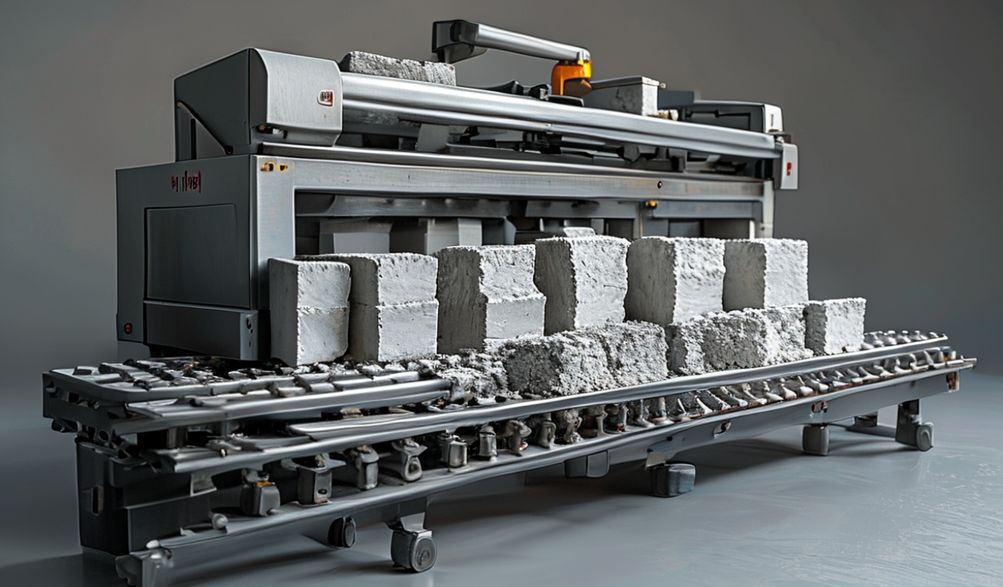
Farashin Injin Yin Tubalin Siminti a 2026: Cikakken Jagoran Mai Siyayya
Gabatarwa
Kuna nan saboda kuna buƙatar injin yin tubalin siminti mai dogaro, mai tsada. Wataƙila kun gano cewa ba a iya samun farashin mai sauƙi, kuma akwai dalili mai kyau. Farashin injin yin tubali ba lamba ɗaya ba ne—yana nuna burin ku, sikelin ku, da hangen nesa na dogon lokaci.
Farashin kaya abu ne mai muhimmanci, amma yana da alaƙa mai zurfi da nau'in injin, ƙarfin samarwa, matakin sarrafa kansa, kuma mafi mahimmanci, darajar dogon lokaci da zai ba wa kasuwancin ku ko aikin ku. Zaɓi bisa farashin takarda kawai zai iya haifar da kurakurai masu tsada a cikin rashin aiki ko kuma kuɗaɗen da ba a zata ba.
Wannan jagorar an tsara ta ne don kawar da rudani. Ta hanyar amfani da binciken masana'antu, cikakkun bayanan masana'antu, da kuma hasashen aiki na zahiri, za mu ba ku tsari mai tsabta, mai inganci don fahimtar farashin na'urar yin tubalin siminti a shekara ta 2026. Za mu rarraba abubuwan da ke haifar da farashi, mu ba da ingantattun farashi, kuma mu bayyada kuɗaɗen da aka saba yin watsi da su don tabbatar da cikin saka kuɗinku yana da ilimi, dabara, kuma yana shirye don nasara.
Fahimtar Abin da ke Taimakawa Farashin Injin Yin Tubalin Siminti
Don yin siyayya mai hankali, dole ne ka fara fahimtar muhimman abubuwan injiniya da kasuwanci waɗanda ke ƙayyade farashi. Ka ɗauki waɗannan a matsayin maɓuɓɓugan ruwa waɗanda ke sarrafa duka jarin farko da yuwuwar samun kuɗin na'urar.
1. Matakin Sarrafa kai: Na Hannu vs. Na Rago-Rago vs. Cikakken Kai
Kayan aiki masu sarrafa kansu su ne babban abin da ke haifar da farashi. Kai tsaye suna musanya kashe kuɗi na jari don farashin aiki, saurin fitarwa, da daidaiton samfur.
- Na'urorin Hannu:Waɗannan suna wakiltar mafi ƙarancin farashin farko, yawanci suna tsakanin ɗari ɗaya zuwa ɗaruruwan daloli. Ana sarrafa su gaba ɗaya ta hannun ɗan adam—ana haɗa kayan, ana ciyar da su cikin ƙirar, kuma ana matsar da su da hannu (sau da yawa tare da leƙo). Sun dace da ƙananan ayyuka, ƙarancin yawa, ko wurare masu nisa waɗanda ba su da wadataccen wutar lantarki. Duk da haka, suna da aiki mai yawa, suna jinkiri, kuma suna samar da tubalan masu bambancin inganci.
- Matsin Injin Mai Ƙaramin Gudanarwa:Wannan zaɓin tsaka-tsaki yana ba da babban ci gaba. Yawanci ma'aikaci ne ke loda cakuda kayan danyen cikin na'urar, amma muhimman matakai na girgiza, matsawa, da fitar da bulo suna yin injiniya, yawanci ta hanyar haɗaɗɗiyar tsarin injinan ruwa da na'urorin girgiza na lantarki. Wannan yana haɓaka yawan kayan da ake samarwa kuma yana inganta daidaito. Farashin yana ƙaruwa bisa ga haka, yana sanya waɗannan injinan cikin babban matsayi na tsaka-tsaki.
- Matsarori Masu Sarrafa Kansu Gabaɗaya:Wannan shine babban jari. Waɗannan tsare-tsaren da kwamfuta ke sarrafa su sun haɗa dukkan layin samarwa: ciyar da albarkatun kai tsaye, daidaitaccen haɗawa, matsi mai ƙarfi, daskarewa, har ma da tara ko tsara ta atomatik. Suna haɓaka yawan abin da ake samarwa (dubban tubalan a cikin sa'a guda), suna rage aikin hannu zuwa masu kulawa 1-2, kuma suna ba da tabbacin daidaito mara misaltuwa. Fasahar ƙwararrun, abubuwan haɗin gwiwa masu ƙarfi, da ƙirar haɗin gwiwa suna ba da farashi mafi girma.
2. Ƙarfin Samarwa & Fitowar (Tubalan A Cikin Sa'a)
Farashin tana daidaitawa kai tsaye da yuwuwar samarwa. Ana auna iyawa yawanci a cikin tubalan a kowace awa ko kuma a cikin tawada na sa'o'i 8. Ku kasance masu gaskiya game da bukatunku.
- Ƙananan injuna: Designed for startups or specific projects. Output might range from 500 to 1,500 blocks per 8-hour shift.
- Medium-scale machines: The workhorses for growing businesses. These can produce 2,000 to 5,000+ blocks per shift, catering to steady commercial demand.
- Large-scale, plant-style machines: These are industrial systems. With outputs of 10,000 to 20,000+ blocks per day, they supply major construction projects or serve as regional suppliers. They are priced as major capital investments.
3. Machine Type and Block Variety
The core design and versatility of the machine significantly impact its cost.
- Na'urorin Tsare Tsari na Tsaye: These are fixed, high-pressure machines that produce extremely dense and high-quality blocks (like concrete masonry units or pavers). They are often stationary and require a solid foundation. Their superior engineering and output quality generally come at a higher cost.
- Na'urorin Kera Tubalin (Masu Sanya Kwai): A popular choice for on-site production. These machines can be towed to different job locations. After producing a block, they move (“lay an egg”) forward, leaving a trail of blocks behind. While versatile, they often operate at lower pressures than static machines. Prices can be lower, but this isn’t always the case for high-capacity mobile units.
- Na'urori Masu Ayyuka Da Yawa: A machine that can quickly switch between producing hollow blocks, solid blocks, paving slabs, and interlocking blocks (by changing molds) offers tremendous business flexibility. This added functionality and complexity increase the price compared to a single-purpose machine.
4. Key Components and Build Quality
This is where long-term value and reliability are determined. A cheaper machine with inferior components will cost more in downtime and repairs.
- Tsari & Tsarin: A machine built with heavy-duty, reinforced steel will withstand constant vibration and pressure far better than one with a lighter frame. This durability comes at a higher material cost.
- Tsarin Hydraulic: The heart of a semi- or fully-automatic machine. The quality of the hydraulic pump, valves, cylinders, and hoses is paramount. Reputable brand-name components (e.g., Bosch Rexroth, Parker) are more expensive but offer reliability and longevity.
- Ingancin Gyare-gyare & Kayan Aiki: Molds are consumable items, but their lifespan varies wildly. Hardened, chromium-plated steel molds are expensive but can produce hundreds of thousands of blocks before needing replacement. Cheaper, mild steel molds wear out quickly, affecting block quality and increasing long-term costs.
- Tsarin Gudanarwa: A basic relay-based control panel is less expensive. A modern PLC (Programmable Logic Controller) system, while costlier, offers better precision, diagnostic capabilities, easier troubleshooting, and often the potential for future automation upgrades.
2026 Price Ranges for Cement Block Making Machines
The following price ranges are estimates in US Dollars (USD) for new equipment. They are intended as a guide and can vary significantly based on brand reputation, regional market factors, shipping distances, and specific configurations. Always request a formal quotation from suppliers.
Entry-Level / Manual & Small Semi-Automatic Machines
- Farashin Farashi: $1,000 – $8,000
- Mafi Kyau Don: Entrepreneurs testing the market, very small businesses, DIY homestead projects, or NGOs working in remote locations with unreliable power.
- Siffar da Aiki na Yau da Kullum: Up to 1,000 blocks per day. Production is highly dependent on operator effort and skill.
Mid-Range / Semi-Automatic and Basic Automatic Machines
- Farashin Farashi: $8,000 – $40,000
- Mafi Kyau Don: This is the most competitive segment, ideal for a growing block-making business supplying local builders, or for medium-scale construction companies producing for their own projects.
- Siffar da Aiki na Yau da Kullum: 1,500 – 5,000 blocks per day. Machines in the higher end of this range will feature more automation, better hydraulics, and higher pressure for superior block quality.
- Note: Diligent research is critical here. The performance and durability difference between a $15,000 machine and a $25,000 machine can be substantial.
High-Capacity / Fully Automatic Production Lines
- Farashin Farashi: $40,000 – $200,000+
- Mafi Kyau Don: Large-scale commercial block yards, industrial production facilities, or businesses looking to export blocks. This is a serious capital investment for high-volume, low-margin production.
- Siffar da Aiki na Yau da Kullum: 8,000 – 20,000+ blocks per day.
- Includes: At this level, you are often purchasing a complete system: the block making machine, an integrated pan mixer or batching plant, conveyor belt systems for material handling, and automatic stackers or palletizers.
Beyond the Sticker Price: The Total Cost of Ownership
The invoice price is just the beginning. A truly informed budget accounts for the Farashin Gabaɗaya Mallaka (FGM). Ignoring these factors is the most common financial mistake new buyers make.
1. Shipping, Installation, and Commissioning
- Shipping: For international purchases, freight costs (sea or air), insurance, and port handling fees can add 10-25% to the machine cost. Domestic shipping is simpler but still a line item.
- Installation & Foundation: Larger machines require a level, reinforced concrete foundation, which you must budget for separately.
- Commissioning: Some suppliers include basic setup and training in the price; for complex automatic lines, you may need to pay for a technician to travel to your site for installation and calibration.
2. Essential Auxiliary Equipment
The block machine alone doesn’t make a factory. You will likely need:
* Mai Hadawa Siminti: A consistent mix is vital. A simple pan mixer may suffice for small operations; larger ones need planetary mixers or even batching plants.
* Raw Material Handling: Wheelbarrows work for starters, but hoppers, feeders, and conveyors save labor and time as you scale.
* Curing and Drying Space: Blocks need to cure for weeks. This requires significant sheltered space or racks, which is a real estate cost.
* Pallets or Boards: Fully automatic machines produce blocks on wooden or steel pallets. The initial set and ongoing replacement are a recurring cost.
3. Operating Costs: Power, Labor, and Maintenance
- Amfani da Wutar Lantarki: Hydraulic systems and vibrator motors are power-hungry. Ensure your facility has the correct electrical supply (often three-phase) and budget for the utility bill.
- Aiki Even automatic machines need supervisors, maintenance personnel, and material handlers. Factor in wages.
- Kulawa da Kayayyakin Gyara: Regular lubrication, filter changes, and inspections are mandatory. Budget for a spare parts kit: hydraulic seals, spare vibrator motors, and most importantly, extra molds.
4. Raw Material Costs & Quality
Your business viability depends on this. Research local prices and quality of:
* Cement
* Aggregates (crushed stone)
* Yashi
The block machine’s performance is directly tied to the quality and consistency of the input materials.
How to Get the Best Value for Your Investment
Value isn’t about finding the cheapest machine; it’s about optimizing the return on your total investment over 5-10 years.
1. Accurately Assess Your Real Needs
Ka tambayi kanka:
* What is my na gaske average daily and monthly block sales target?
* What specific block types, sizes, and strengths does my market demand?
* What is my total available budget, including auxiliary equipment, setup, and 6 months of operating capital?
* What is my local access to skilled labor, maintenance services, and spare parts?
2. Research and Compare Reputable Manufacturers
- Rikodin Aiki Prioritize companies with a verifiable history of 10+ years in the industry.
- Customer Proof: Seek genuine customer testimonials, case studies, or, ideally, visit an existing installation.
- Sabis na Bayan Sayarwa: This is non-negotiable. Verify the warranty terms, availability of technical support (phone/online), and how quickly they can ship spare parts. A machine without support is a liability.
3. Request Detailed Quotations and Clarify What’s Included
A professional quote should be itemized. It must clearly separate:
* Machine FOB (Free On Board) price
* Shipping and insurance costs
* Import duties and taxes (if applicable)
* Installation and commissioning fees
* List of included spare parts and tools
* Warranty details and terms
4. Consider Buying a Quality Used Machine
This can be an excellent way to access higher capacity for less capital.
* Abubuwan da suka fi kyau: Significant cost savings (30-50% less than new); potential for immediate availability.
* Rashin Kyau: Unknown wear and tear; limited or no warranty; possible outdated technology.
* Inspection Tips: If possible, inspect it under power. Check for hydraulic leaks, excessive play in moving parts, and wear on the mold and press head. Review maintenance logs.
Frequently Asked Questions (FAQ) About Block Machine Prices
Q1: What is the cheapest cement block making machine available?
A: Basic manual press machines can start as low as $1,000 to $2,500. However, it’s crucial to understand the trade-offs: extremely high labor input, low output, and variable block quality. It’s a tool for specific, very small-scale scenarios.
Q2: Can I get a good automatic block machine under $15,000?
A: Yes. In the $10,000 – $15,000 range, you can find basic automatic or high-end semi-automatic models, typically producing 1,500 zuwa 3,000 buloci a kowane tawada na aiki na awa 8. The key is to meticulously research the brand’s reputation and the quality of core components like the hydraulic system.
Q3: Are more expensive machines always better?
A: Not “better” in a universal sense, but more capable and durable. A $100,000 fully automatic plant is a terrible investment for a small village cooperative—it’s overkill. The right machine is the one that most efficiently and reliably meets your specific production goals and business scale.
Q4: How much should I budget for installation and setup?
A: This varies dramatically. For a small machine, it might be a flat fee of $500-$1,000 if you prepare the site. For a large production line, professional installation and commissioning can range from 5% to 15% of the machine’s purchase price. Always get this cost in writing upfront.
Q5: What hidden costs should I watch out for?
A: The major ones are:
* Harajin Shigo da Haraji: If importing, these can add 15-30% to the landed cost.
* Electrical Upgrade: Installing three-phase power or a dedicated high-capacity line.
* Foundation and Site Preparation: Pouring a proper concrete slab.
* Initial Spare Parts Kit: Don’t start production without critical spares like seals and a spare mold.
Ƙarshe
Navigating cement block making machine prices is about understanding a spectrum defined by automation, capacity, and quality. The “right” price isn’t the lowest one you find; it’s the one that represents the best long-term value for your unique production goals and financial reality.
Use this guide as your framework. Let it steer you toward asking the right questions, prioritizing total cost of ownership over the initial sticker shock, and investing your time in selecting a reputable partner, not just a supplier. A well-chosen block making machine is more than a piece of equipment; it’s the engine for your business growth, a contributor to local infrastructure, and a foundation for your success in the years to come. Make your investment count.
<