1. Gabatarwa
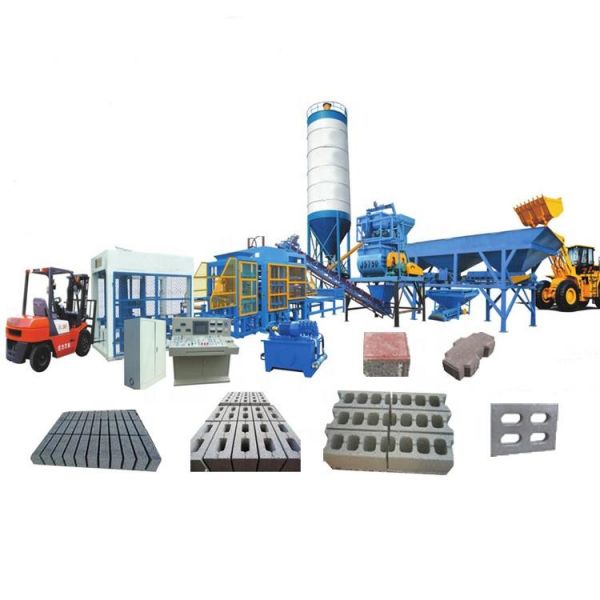
A cikin yanayin da ke tasowa na masana'antar kayan aikin gini ta duniya, injinan yin bulo da ake sayarwa suna wakiltar babbar dama ta zuba jari da kasuwanci ga masu rarrabawa, dillalai, da masu saye. Yayin da birane ke ƙaruwa, ayyukan ababen more rayuwa ke faɗaɗa, da kuma buƙatar kayan gini masu dorewa ke ƙaruwa, kasuwar kayan aikin samar da bulo masu aminci, inganci, da tsada mai araha na ci gaba da bunƙasa.
2. Rarraba Kasuwa da Daidaita Abokin Ciniki
2.1 Fahimtar Sassa-kai na Kasuwa don Injinan Yin Bulo
Kasuwar na'urorin yin bulo don siyarwa ba ta da kamanceceniya—sassa daban-daban na abokan ciniki suna da buƙatu na musamman, ƙuntatawar kasafin kuɗi, da buƙatun aiki. Dole ne masu rarrabawa da masu sayar da kayayyaki su rarraba kasuwar yadda ya kamata don dacewa da nau'ikan injuna masu dacewa da abokan ciniki masu dacewa, don haɓaka yuwuwar siyarwa da gamsuwar abokin ciniki. Manyan sassan kasuwa sun haɗa da:
- Masu sana’o'in kanana da masu yin bulo a yankunan karkaraWannan ɓangare yana ba da fifiko ga araha, sauƙi, da ƙananan farashin aiki. Abokan ciniki a wannan rukuni yawanci suna sarrafa ƙananan wuraren bulo ko kuma suna hidimar gine-ginen ƙauye na gida (misali gidajen ƙauye, shimfidar hanyoyin ƙauye). Suna buƙatar ƙananan na'urori masu sauƙin amfani da su, masu ƙarancin amfani da wutar lantarki, ba tare da hadadden shigarwa ba. Na'urorin yin bulo da ake sayarwa wa wannan ɓangaren ya kamata su zama na hannu ko na rabin atomatik, tare da ƙarfin samar da bulo daga 1,000 zuwa 5,000 a kowace rana. Farashin abin yana da muhimmanci a nan, saboda waɗannan abokan ciniki suna da ƙarancin iyawar saka hannun jari.
- Kamfanoni na Gina Gidaje na Matsakaicin Girma da Masu Sayar da Tubali na YankiWaɗannan abokan ciniki suna daidaita farashi da inganci, suna hidima ga ayyukan gine-gine na yanki (misali, ci gaban gidaje na bayan gari, ƙananan ayyukan gundumomi). Suna buƙatar injuna masu sarrafa kansu ko na matakin farko tare da ƙarfin fitarwa na 5,000 zuwa 20,000 bulo kowace rana. Babban abubuwan da suka fi muhimmanci sun haɗa da iya yin aiki iri-iri (iyawar samar da nau'ikan bulo daban-daban), aminci, da matsakaicin buƙatun kulawa. Masu rarrabawa za su iya bambanta ta hanyar ba da injuna masu musanyan gyare-gyare da samun kayan gyara na gida.
- Manyan Masu Kera Bulo da Kwangilolin Kayayyakin More Rayuwa na ƘasaWannan babban ɓangaren masu daraja yana buƙatar manyan injinan da ke da cikakken sarrafa kai, waɗanda ke samar da fiye da tubalin 20,000 a kowace rana. Abokan ciniki a nan suna sarrafa manyan wuraren aikin tubali ko kuma suna samar da tubali don manyan ayyuka (misali, manyan hanyoyi, filayen jiragen sama, sake gina birane). Abubuwan da suka fi muhimmanci sun haɗa da sauri, daidaito, sarrafa kai, da bin ka'idojin inganci na duniya. Dole ne injinan yin tubali da ake sayarwa a cikin wannan rukunin su ƙunshi ci-gaba na tsarin ruwa mai ƙarfi, na'urorin sarrafawa na hankali, da haɗawa tare da cikakken layukan samarwa (tsari, daskarewa, tari).
2.2 Daidaita Kasuwar Yanki don Ciniki na Duniya
Na'urorin yin bulo da ake sayarwa dole ne a daidaita su da yanayin yanki don samun nasara a kasuwannin duniya. Masu rarrabawa da masu sayar da kayayyaki a duk duniya yakamata su yi la'akari da abubuwan yanki masu zuwa lokacin da suke saye ko tallata na'urori:
- Samun Albarkatun Kayan AikiYankuna daban-daban suna da damar samun albarkatun ƙasa daban-daban (misali, yumbu a Kudancin Asiya, tokar ƙonewa a China, sharar gini a Turai). Dole ne injuna su dace da kayan da suka yawaita a cikin gida don rage farashin abokin ciniki. Misali, a Afirka, inda yumbu ke da yawa, injinan yin bulo na yumbu suna da buƙatu sosai, yayin da a Turai, injinan da ke sarrafa sharar gini da aka sake amfani da su sun dace da ƙaƙƙarfan dokokin muhalli.
- Tsarin Wutar LantarkiYankuna da ba su da ingantaccen wutar lantarki (misali, sassan kudu maso gabashin Asiya, Afirka) suna buƙatar injuna masu zaɓuɓɓukan wutar lantarki biyu (wutar lantarki + dizal) ko ƙarancin amfani da wutar lantarki. Injuna na hannu ko na rabin atomatik sun fi dacewa da yankunan nesa waɗanda ba su da samun wutar lantarki.
- Ka'idojin Gina GiniGirman bulo da ƙa'idodin ƙarfi sun bambanta bisa ƙasa (misali, daidaitattun bulo na Amurka: 203×92×57mm; daidaitaccen Turai: 240×115×71mm). Na'urorin da ake sayarwa yakamata su ba da siffofin gini masu daidaitawa don biyan ka'idojin gine-ginen gida.
- Abubuwan Al'adu da Zaɓuɓɓukan AikiA wasu yankuna, abokan ciniki sun fi son injinan wayar hannu waɗanda za a iya jigilar su zuwa wuraren gini (misali, Latin Amurka ta karkara), yayin da a wasu kuma, ana fi son injinan masana'antu na tsaye (misali, China, Indiya). Fahimtar waɗannan abubuwan da ake so yana taimaka wa masu rarrabawa su daidaita abubuwan da suke bayarwa.
2.3 Daidaita Siffofin Samfur da Matsalolin Abokin Ciniki
Nasarar da ake samu wajen siyar da injinan yin bulo ya dogara ne da magance matsalolin da abokan ciniki ke fuskanta. Dillalai da 'yan jigilar kayayyaki ya kamata su bayyana yadda injinansu ke magance matsalolin da masu siye suke fuskanta:
- Karancin Ma'aikataYawancin yankuna (misali Turai, Arewacin Amurka) suna fuskantar ƙarancin ma'aikata a fannin gine-gine. Injinan atomatik da na rabin atomatik suna rage dogaro da aikin hannu, wani muhimmin abin siyarwa ne ga abokan ciniki da ke fama da yin hayar ma'aikata.
- Kafawa da MuhalliGwamnatoci a duniya suna sanya ƙa'idodin muhalli masu tsauri (misali, haramcin gasa bulo na yumbu, iyakokin fitar da hayaki mai gurbata muhalli). Injinan da ke amfani da kayan da aka sake yin fa'ida, rage yawan amfani da makamashi, ko kawar da hayaƙi masu cutarwa (misali, injinan yin bulo marasa gasa) suna da ban sha'awa sosai ga abokan ciniki masu neman bin ka'idoji.
- Haɓakar Farashin KasuwaSauyin farashin albarkatun ƙasa da makamashi yana tasiri farashin samar da bulo. Injinan da ke rage ɓarnatar da kayan (ta hanyar daidaitaccen haɗawa da gyare-gyare) ko rage amfani da makamashi suna taimaka wa abokan ciniki daidaita farashi.
- Sassauci na SamarwaAbokan ciniki sau da yawa suna buƙatar canza tsakanin nau'ikan bulo (mai ƙarfi, mara tushe, mai haɗa kai) don biyan buƙatun ayyuka daban-daban. Injuna masu saurin canza ƙirar ƙira da saitunan da za a iya daidaitawa suna ba da sassauci da abokan ciniki ke buƙata don ci gaba da gasa.
3. Bambancin Samfur: Siffofi Masu Muhimmanci da Ya Kamata a Bayyana
3.1 Ci Gaban Fasaha don Fa'idar Gasar
Injinoyin yin bulo na siyarwa tare da ci-gaban fasaha suna fice a cikin kasuwa mai cunkoso. Masu rarrabawa yakamata su jaddada waɗannan fasalulluka don bambanta abubuwan da suke bayarwa da kuma tabbatar da farashin da ya dace.
- Tsarin Sarrafawa Mai HikimaNa'urorin zamani da aka sanye da PLC (Programmable Logic Controller) suna ba abokan ciniki damar lura da daidaita ma'auni na samarwa (gudun, matsa lamba, kwararar kayan aiki) a cikin ainihin lokaci. Wasu ƙirar ƙira na ci gaba suna da fuskokin allo na taɓawa da kuma lura da nesa ta hanyar aikace-aikacen wayar hannu, wanda ke ba abokan ciniki damar sarrafa ayyuka daga ko'ina. Wannan yana rage kuskuren ɗan adam, yana inganta daidaito, da sauƙaƙe warware matsaloli.
- Energy-Efficient Designs: Energy costs are a major operational expense for brick manufacturers. Machines with energy-saving motors, variable frequency drives (VFD), and optimized hydraulic systems reduce power consumption by 20-30% compared to traditional models. Solar-powered auxiliary systems (e.g., for curing) are an innovative feature for regions with abundant sunlight.
- High-Precision Compaction: Hydraulic compaction systems with adjustable pressure (15-35 MPa) ensure brick blanks are dense and strong. Machines with multi-point pressure distribution produce bricks with uniform strength, reducing rejection rates. This is critical for clients supplying high-strength bricks for load-bearing structures.
- Durable and Wear-Resistant Components: The lifespan of a brick making machine depends on the quality of its components. Machines with frames made of high-grade steel, wear-resistant molds (chrome-plated or carbide-tipped), and sealed bearings require less maintenance and last longer. Distributors should highlight the material quality and warranty periods for key components.
3.2 Versatility and Customization Options
Clients value brick making machines that offer versatility and customization to meet diverse project needs. Distributors should promote the following flexibility features:
- Matsalolin Da Ake Iya Musanya: Machines that support multiple mold sizes and types (solid, hollow, interlocking, colored) allow clients to expand their product range without investing in new equipment. Custom mold design services (e.g., for unique brick patterns or sizes) are a valuable add-on for high-end clients.
- Multi-Material Compatibility: Machines that process a wide range of raw materials (clay, concrete, fly ash, lime, recycled waste) give clients the flexibility to use locally available materials, reducing costs. For example, a machine that can produce both clay bricks and concrete blocks is more appealing to clients operating in regions with mixed raw material access.
- Scalable Production Capacity: Some machines offer modular designs that allow clients to upgrade components (e.g., add a second feeding unit, increase hydraulic pressure) to boost production capacity as their business grows. This scalability is a key selling point for small and medium-sized clients looking to expand.
3.3 Safety and Ergonomic Features
Workplace safety is a top priority for clients, especially in regions with strict labor regulations. Brick making machines for sale should include the following safety features, which distributors should emphasize:
- Safety Guards and Sensors: Machines should be equipped with safety guards for moving parts (e.g., conveyor belts, compaction plates) and emergency stop buttons. Proximity sensors prevent operation when operators are in dangerous zones, reducing accident risks.
- Ergonomic Design: For semi-automatic and manual machines, ergonomic features (e.g., adjustable height, easy-to-reach controls, low vibration) improve operator comfort and reduce fatigue. This is particularly important for clients with long production hours.
- Compliance with Safety Standards: Machines should meet international safety standards (e.g., CE in Europe, ISO in global markets) to ensure clients avoid legal liabilities. Distributors should provide certification documents to reassure purchasers of compliance.
4. Investment Viability and ROI Analysis
4.1 Cost Structure for Brick Making Machines
Purchasers evaluating brick making machines for sale need a clear understanding of the total cost of ownership (TCO), not just the initial purchase price. Distributors should provide transparent cost breakdowns to help clients make informed investment decisions:
- Initial Purchase Cost: Varies by machine type (manual: $1,000-$5,000; semi-automatic: $5,000-$50,000; automatic: $50,000-$500,000+). Factors influencing price include output capacity, technology level, and customization.
- Installation and Setup Costs: Manual machines require minimal setup ($500-$1,000), while automatic machines may need foundation construction, electrical wiring, and integration with auxiliary equipment ($5,000-$50,000).
- Operational Costs: Include raw materials, energy, labor, and maintenance. Automatic machines have higher energy costs but lower labor costs, while manual machines have the opposite. On average, operational costs account for 60-70% of TCO over the machine’s lifespan.
- Maintenance and Spare Parts Costs: Routine maintenance (lubrication, cleaning) costs $500-$2,000 per year. Spare parts (molds, bearings, hydraulic components) may cost $1,000-$10,000 per year, depending on machine usage and quality.
4.2 ROI Calculation for Purchasers
Distributors can help purchasers assess the return on investment (ROI) of brick making machines for sale by providing a simple ROI calculation framework:
ROI = (Annual Profit – Annual Operational Costs) / Total Investment × 100%
Key variables to consider:
- Annual Production Capacity: Based on machine output (e.g., 10,000 bricks/day × 300 working days = 3,000,000 bricks/year).
- Brick Selling Price: Varies by region and brick type (e.g., $0.10-$0.50 per standard brick).
- Raw Material Cost: Typically 30-40% of the brick selling price (e.g., $0.03-$0.20 per brick).
- Labor Cost: 1-2 operators for semi-automatic machines ($20,000-$40,000/year), 3-5 operators for automatic lines ($60,000-$100,000/year).
- Energy Cost: $0.10-$0.20 per kWh × machine power consumption (e.g., 10kW × 8 hours/day × 300 days = 24,000 kWh/year × $0.15 = $3,600/year).
Example ROI Calculation for a Semi-Automatic Machine:
- Total Investment: $30,000 (machine + installation)
- Annual Production: 1,500,000 standard bricks
- Selling Price: $0.20/brick → Annual Revenue: $300,000
- Raw Material Cost: $0.06/brick → $90,000/year
- Labor Cost: $30,000/year (2 operators)
- Energy Cost: $4,000/year
- Maintenance Cost: $2,000/year
- Annual Profit: $300,000 – ($90,000 + $30,000 + $4,000 + $2,000) = $174,000
- ROI: ($174,000 – $36,000) / $30,000 × 100% = 460% → Payback Period: ~8 months
This example shows the attractive ROI potential of brick making machines, especially for semi-automatic and automatic models. Distributors should tailor these calculations to regional market conditions (e.g., local labor and material costs) to provide realistic projections for purchasers.
4.3 Risk Mitigation for Investors
Purchasing a brick making machine is a significant investment, and clients want to mitigate risks. Distributors can address risk concerns by offering the following:
- Warranty and After-Sales Support: A comprehensive warranty (1-2 years for machine components, 6 months for wear parts) gives clients peace of mind. Extended warranty options and 24/7 technical support (via phone, email, or video call) reduce downtime risks.
- Training Services: Proper operator training reduces the risk of machine damage and accidents. Distributors should offer on-site or online training programs covering machine operation, maintenance, and troubleshooting.
- Spare Parts Availability: Ensuring quick access to spare parts (local warehouses or fast shipping) minimizes production downtime. Distributors can establish spare parts supply chains in key markets to meet client needs.
- Financing Options: For high-cost automatic machines, offering financing or lease-to-own options reduces the upfront investment burden for clients. Partnering with financial institutions to provide low-interest loans can expand the customer base.
5. Sourcing and Supply Chain Considerations for Distributors
5.1 Selecting Reliable Manufacturers
Distributors and wholesalers selling brick making machines for sale must partner with reliable manufacturers to ensure product quality and timely delivery. Key factors to evaluate when selecting a manufacturer:
- Production Experience: Manufacturers with 5+ years of experience in brick making machine production have a proven track record of quality and reliability. Avoid new manufacturers with no industry reputation.
- Quality Control Processes: Manufacturers should have strict quality control systems (e.g., ISO certification) to ensure each machine meets performance standards. Ask for product test reports and client references.
- Customization Capabilities: Manufacturers that offer custom mold designs, power options, and machine modifications can help distributors meet regional market needs.
- Production Capacity and Lead Time: Ensure the manufacturer can meet your order volume and deliver machines within the promised lead time (typically 2-8 weeks for standard models, 8-16 weeks for custom models).
- After-Sales Support: Manufacturers should provide technical support, training materials, and spare parts to distributors. A dedicated after-sales team ensures quick resolution of client issues.
5.2 Logistics and Shipping for Global Distribution
Distributors operating globally face logistical challenges when shipping brick making machines. Key considerations for smooth supply chain management:
- Packaging: Machines should be packaged in sturdy wooden crates with foam padding to protect against damage during shipping. Labeling should include handling instructions, weight, and dimensions.
- Shipping Methods: For small machines (manual, semi-automatic), sea or air freight is suitable. For large automatic machines, sea freight (container shipping) is more cost-effective. Work with freight forwarders specializing in heavy machinery to ensure timely delivery.
- Customs Compliance: Familiarize yourself with import regulations in target markets (e.g., customs duties, certification requirements). Provide clients with all necessary documents (commercial invoice, packing list, certification reports) to avoid delays.
- Local Assembly and Installation: For complex automatic machines, offer local assembly and installation services to reduce client effort. Partner with local technicians or train your team to provide on-site support.
5.3 Building Long-Term Client Relationships
Repeat business and referrals are critical for distributors selling brick making machines. To build long-term client relationships:
- Regular Follow-Ups: After sale, follow up with clients to ensure the machine is operating properly. Address any issues promptly to maintain satisfaction.
- Provide Maintenance Reminders: Send clients regular reminders for routine maintenance (e.g., lubrication, mold inspection) to extend machine lifespan.
- Share Market Insights: Keep clients informed about industry trends (e.g., new brick types, environmental regulations) and offer upgrades or accessories to help them stay competitive.
- Loyalty Programs: Offer discounts on spare parts, maintenance services, or future machine purchases to repeat clients.
6. Conclusion
Brick making machines for sale present a lucrative business opportunity for distributors, wholesalers, and purchasers in the global construction equipment market. By understanding market segmentation, aligning product features with client needs, and emphasizing investment viability, B2B stakeholders can capitalize on the growing demand for efficient, sustainable brick production equipment. Distributors and wholesalers should focus on product differentiation through advanced technologies, versatility, and safety features, while adapting offerings to regional market conditions. Purchasers, on the other hand, should evaluate machines based on total cost of ownership, ROI potential, and after-sales support to ensure a successful investment.
The key to success in this market lies in building trust—distributors must partner with reliable manufacturers, provide transparent information to clients, and offer exceptional after-sales support. Purchasers should prioritize quality and reliability over price, as a high-quality machine will deliver better long-term value. As the construction industry continues to evolve towards sustainability and automation, brick making machines that incorporate these trends will remain in high demand. By staying informed about market developments and client needs, B2B stakeholders can thrive in the competitive brick making machine market and build sustainable, profitable businesses.
7. FAQ (Frequently Asked Questions)
7.1 What is the minimum investment required to start a brick making business with a machine?
The minimum investment depends on the machine type:
- Manual brick making machine: $1,000-$5,000 (includes machine, raw materials, and basic tools).
- Semi-automatic machine: $5,000-$30,000 (machine + installation + initial raw materials).
- Automatic machine: $50,000-$200,000 (machine + production line setup + warehouse space).Additional costs include labor, transportation, and marketing, which vary by region.
7.2 How long does it take to learn to operate a brick making machine?
- Manual machines: 1-2 days of training (simple operation, no technical skills required).
- Semi-automatic machines: 3-5 days (basic understanding of control panels and mold changes).
- Automatic machines: 1-2 weeks (training on PLC systems, production line integration, and troubleshooting).Distributors typically provide training materials and on-site support to help clients master operation quickly.
7.3 Can brick making machines produce bricks using 100% recycled materials?
Most machines can process recycled materials (e.g., construction waste, fly ash, coal gangue) as a percentage of the raw material mix (30-70%). However, 100% recycled materials may not provide sufficient strength for load-bearing bricks. The exact ratio depends on the material type and machine compaction pressure. Distributors can advise clients on optimal material mixes based on local recycling resources.
7.4 What is the average lifespan of a brick making machine?
- Manual machines: 5-8 years (with regular maintenance).
- Semi-automatic machines: 8-12 years (depending on component quality).
- Automatic machines: 12-15 years (advanced components and modular design extend lifespan).Lifespan can be extended by following maintenance schedules, replacing wear parts promptly, and using high-quality raw materials.
7.5 Do brick making machines require special permits or certifications to sell or operate?
Certification requirements vary by region:
- Europe: CE certification (safety and environmental compliance).
- North America: ISO certification and compliance with OSHA safety standards.
- Asia: Local quality certifications (e.g., China’s CCC, India’s BIS).Operational permits may be required for brick making businesses (e.g., environmental permits, business licenses), but machines themselves typically do not require separate permits. Distributors should ensure machines meet regional certification standards to avoid legal issues.
7.6 How often do molds need to be replaced?
Mold replacement frequency depends on usage and material type:
- Standard molds (steel): 1-2 years for high-volume production (10,000+ bricks/day).
- Wear-resistant molds (chrome-plated): 2-3 years.
- Molds for abrasive materials (e.g., concrete with gravel): 6-12 months.Distributors should offer replacement molds at competitive prices and advise clients on mold maintenance (cleaning, lubrication) to extend their lifespan.
7.7 Can brick making machines be used in cold or hot climates?
Yes, but machines may require adjustments for extreme climates:
- Cold climates: Insulate hydraulic systems to prevent oil freezing; use heated curing areas for brick blanks.
- Hot climates: Ensure proper ventilation for electrical components; use heat-resistant lubricants to prevent breakdowns.Some manufacturers offer climate-adapted machines with features like temperature control systems for harsh environments.
7.8 What after-sales services should distributors provide for brick making machines?
Essential after-sales services include:
- 1-2 year warranty on machine components (excluding wear parts).
- 24/7 technical support via phone, email, or video call.
- On-site maintenance and repair services (within 48-72 hours for urgent issues).
- Spare parts supply (local warehouses or fast shipping).
- Operator training (on-site or online).
- Extended warranty options for additional peace of mind.Offering comprehensive after-sales services helps distributors differentiate themselves and build long-term client loyalty.