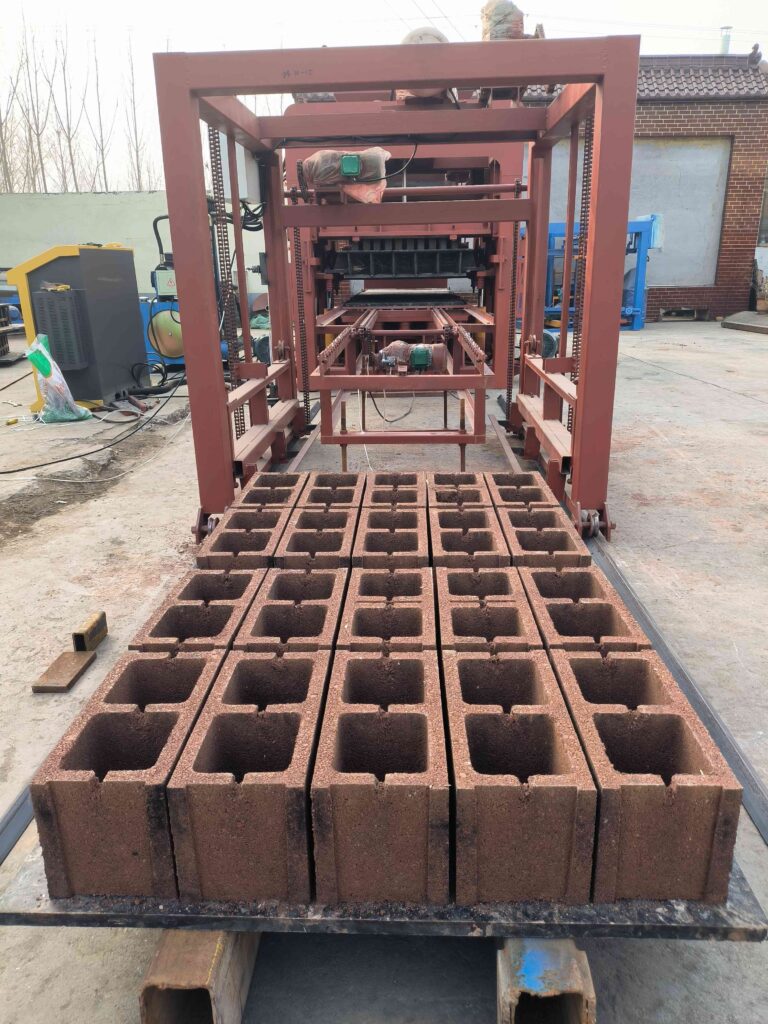
Tsarin Kuɗi na Kasuwancin Kera Tubura
Riba shine adadin ragowar bayan an cire duk farashi daga kudaden shiga. Fahimta da kuma sarrafa kowane bangare na wannan lissafin da himma shine ainihin kasuwancin.
1. Injin Kudaden Haraji: Masu Tafiyar da Ayyukan Sama-sama
Kudin shiga ba kawai farashi da yawan kaya ba ne; ya dogara da matsayin kasuwa da tsarin samfur.
1.1. Haɗin Samfura da Matsayin Ƙima
- Kayayyaki da Ƙimar Ƙaruwa:Siyar da tubalan da ba su da suna, wanda ba su da masana'anta, a cikin kasuwar da ta cika, yawanci yana haifar da ragi kaɗan, kana gasa ne kawai akan farashi. Ribar tana samuwa ne ta hanyar hawa sama a sarkar darajar.
- Kayayyaki Na Musamman:Tubalin injiniya, tubalan shimfidar hanya masu ɗorewa, launuka na musamman, tubalin sirara don rufewa, ko tubalin da ke da halaye na musamman na fasaha (babban kariya, kare sauti) suna da ƙarin farashi mai yawa.
- Alamar Kasuwanci da Daidaito:Haɓaka suna don daidaiton girma da daidaiton launi mara misaltuwa yana ba ka damar sanya farashi sama da matakan kayayyaki, saboda ‘yan kwangila suna daraja aikin da kayan aiki da ake ceto yayin shigarwa.
- Rabe-raben KasuwaRibar ciniki ta bambanta bisa ga nau’in abokan ciniki. Sayarwa kai tsaye ga manyan ‘yan kwangila ko masu haɓaka gidaje na iya samar da yawan siyarwa amma tana buƙatar farashi mai gasa. Sayarwa ta hanyar masu rarraba kayayyaki ya ƙunshi raba riba amma yana ba da damar isa ga mutane da yawa. Sayarwa ta musamman ga masu zanen gine-gine ko magina masu daraja don ayyuka na musamman na iya samar da mafi girman riba a kowace raka’a.
1.2. Ingancin Aiki da Amfani da Ƙarfin Ƙarfafawa
- Mahimmanci Ma'auni: Matsakaicin Amfani da Karfin Aiki is a primary profitability driver. A factory operating at 90% of its designed capacity spreads fixed costs (depreciation, salaried labor, facility costs) over more units, drastically reducing the fixed cost per brick. A similar factory at 40% utilization may be unable to cover its fixed overhead, leading to losses even if each brick is sold above its variable cost.
- Ƙaddamar da Samarwa: Minimizing machine downtime and maintaining a steady, efficient production rhythm lowers the unit cost of production, directly improving gross margin.
2. The Cost Structure: Managing the Inputs to Preserve Margin
Control over costs is where operational discipline translates directly into financial performance.
2.1. Variable Costs: The Direct Cost of Production
- Raw Materials (40-60% of COGS): The largest variable cost. Profitability hinges on securing reliable, cost-effective supplies of clay, cement, and aggregates. Volatility in cement or energy prices (impacting clay firing) can squeeze margins if not managed through contracts or hedging strategies.
- Direct Labor: Costs associated with machine operators and production line staff. Efficiency gains (more bricks per labor hour) directly improve margins.
- Direct Energy: Electricity for machinery and, critically, fuel for kilns (in clay brick production). Kiln efficiency is a major differentiator; modern, insulated tunnel kilns are far more fuel-efficient than older periodic kilns.
- Packaging and Freight Out: Costs of pallets, wrapping, and transportation to the customer.
2.2. Fixed and Overhead Costs
- Depreciation: The allocation of the capital cost of land, buildings, and machinery over their useful life. This is a non-cash expense but a very real economic cost that must be covered.
- Indirect Labor: Salaries for management, maintenance, quality control, and sales staff.
- Maintenance and Repairs: A well-funded preventative maintenance program is a profit-protecting investment, avoiding catastrophic unplanned downtime.
- Administrative, Sales, and Marketing Costs.
2.3. The Gross Margin and Break-Even Analysis
- Gross Margin = (Revenue – Variable Costs) / Revenue. A healthy gross margin (often 25-40% in well-run plants) is the first indicator of potential profitability. It shows the contribution each brick makes to covering fixed costs.
- Break-Even Point: The level of monthly sales (in units or revenue) at which total revenue equals total costs (fixed + variable). Calculating this is fundamental. Until this point is reached, the business operates at a loss. The goal is to operate consistently above this point.
3. The Macro and Market Factors Influencing Profitability
External forces create the environment in which the business operates.
- Cyclicality of Construction: The brick industry is cyclical, tied to the health of the residential, commercial, and infrastructure construction sectors. Profitability requires resilience and planning to weather downturns (e.g., by building cash reserves during boom periods).
- Regulatory Environment: Costs associated with environmental compliance (emissions control, water management) are significant. Regions with stringent but clear regulations can favor efficient, modern plants over polluting, inefficient ones, altering competitive dynamics.
- Yanayin Gasar: Market saturation drives down prices. Profitability often depends on finding a defensible niche, superior operational efficiency, or a geographic location with favorable supply/demand dynamics.
4. Key Success Factors for Sustained Profitability
Profitability is not accidental; it is built on specific, actionable pillars.
- Operational Excellence and Lean Manufacturing: Minimizing waste (raw material, time, energy) at every stage, from batching to dispatch.
- Strategic Capital Investment: Choosing the right technology—not necessarily the cheapest, but the most efficient and reliable over its lifecycle. A higher initial investment in an automated, energy-efficient line can yield far superior long-term profitability.
- Strong Commercial Function: An active, skilled sales and marketing team that builds a brand, develops channels, and secures orders to maintain high capacity utilization.
- Financial Discipline and Management: Rigorous cost accounting, cash flow management, and access to working capital to fund operations through sales cycles.
Conclusion: Profitability as a Designed Outcome
The brick-making business is fundamentally profitable for those who approach it as a sophisticated industrial enterprise rather than a simple production activity. The market provides the opportunity, but profitability is manufactured internally through:
- Strategic Clarity: Choosing the right product-market fit and avoiding the commodity trap.
- Operational Mastery: Achieving high efficiency, consistency, and capacity utilization to drive down unit costs.
- Financial Acumen: Meticulously managing both variable costs and the coverage of fixed costs, with a clear understanding of break-even dynamics.
- Commercial Agility: Building a brand and sales engine that can command value-based pricing and adapt to market cycles.
For an investor or distributor evaluating a specific manufacturer, profitability assessment should focus on these indicators: What is their gross margin trend? What is their capacity utilization rate? What is their tsayayyar daraja in the market? How do they manage input cost volatility? A manufacturer that can articulate strong performance in these areas is likely a profitable and, therefore, a stable and valuable partner.
Ultimately, the question of profitability is answered not by the industry, but by the quality of management. In the hands of strategic, disciplined operators, brick manufacturing is a stable, cash-generative business that forms a vital link in the global construction ecosystem. For the unprepared or undercapitalized, it presents significant financial risk. The difference lies in the blueprint for execution.
FAQ
Q1: What is a realistic profit margin (net) for a well-run, medium-sized brick plant?
A: While highly variable, a well-run, efficient plant with a good market position can typically achieve a net profit margin (after all expenses, taxes, and depreciation) of 10% to 20% of revenue. This depends heavily on factors like product mix (specialty vs. standard), energy costs, and local competition. A 15% net margin is often considered a strong performance in this capital-intensive industry. It’s crucial to note that even a small increase in operational efficiency or sales price can have a leveraged effect on net profit.
Q2: How long does it typically take for a new brick factory to become profitable?
A: The path to profitability involves a ramp-up period. A realistic timeline is:
- Years 1-2: Investment and Ramp-Up. High capital costs, low capacity utilization, and market development expenses. The business is typically cash-flow negative or at breakeven.
- Year 3: Stabilization. The plant should be approaching its designed efficiency, sales channels are established, and capacity utilization increases. This is when the business should consistently reach its break-even point and begin generating modest profit.
- Years 4-5 onward: Maturity and Profitability. Assuming sound management, the business operates at optimal utilization, brand is established, and it generates stable profits, providing a return on the initial investment.
This timeline can be accelerated with an experienced team, proven technology, and a clear market entry strategy.
Q3: Are automated plants more profitable than semi-automated or manual plants?
A: In the medium to long term, yes, highly automated plants generally achieve superior profitability, but with a higher initial capital hurdle. They deliver:
- Lower Variable Labor Costs: Higher output per employee.
- Higher Consistency and Lower Rejection Rates: Leading to better quality and less waste.
- Greater Capacity and Scale: Enabling them to cover fixed costs more effectively.
- Better Data for Decision-Making.
Semi-automated plants may have a lower break-even point due to lower fixed costs (depreciation) and can be profitable in niche, low-wage, or low-volume markets. However, they often face higher per-unit variable costs and quality variability, capping their margin potential and scalability.
Q4: How sensitive is profitability to fluctuations in cement or energy prices?
A: Extremely sensitive. For concrete brick producers, cement can be 25-35% of the variable cost. For clay brick producers, fuel for the kiln is a similarly large component. A 15% sudden increase in either can erase the net profit margin of a standard product line if not managed. Profitable businesses mitigate this through: long-term supply contracts with fixed or capped pricing, investing in energy-efficient technology (e.g., modern kilns), product pricing strategies that include energy surcharges (where contractually possible), and product diversification into higher-margin items where raw material cost is a smaller percentage of the selling price.
Q5: As a distributor, how can I gauge the financial health of my brick supplier?
A: Look for both direct and indirect signals:
- Operational Signals: Consistent on-time delivery and product quality indicate stable production and good process control. Frequent stock-outs or quality issues can signal financial or management problems.
- Commercial Signals: Are they investing in new product development or plant upgrades? Do they have a stable, experienced management and sales team? Desperate discounting or constantly changing payment terms can be red flags.
- Financial Requests: While private companies may not share full statements, you can request trade references from their other suppliers or bankers. A history of paying suppliers on time is a good indicator. Ultimately, a supplier’s focus on long-term value over short-term price cutting is a strong indicator of sustainable financial health.