
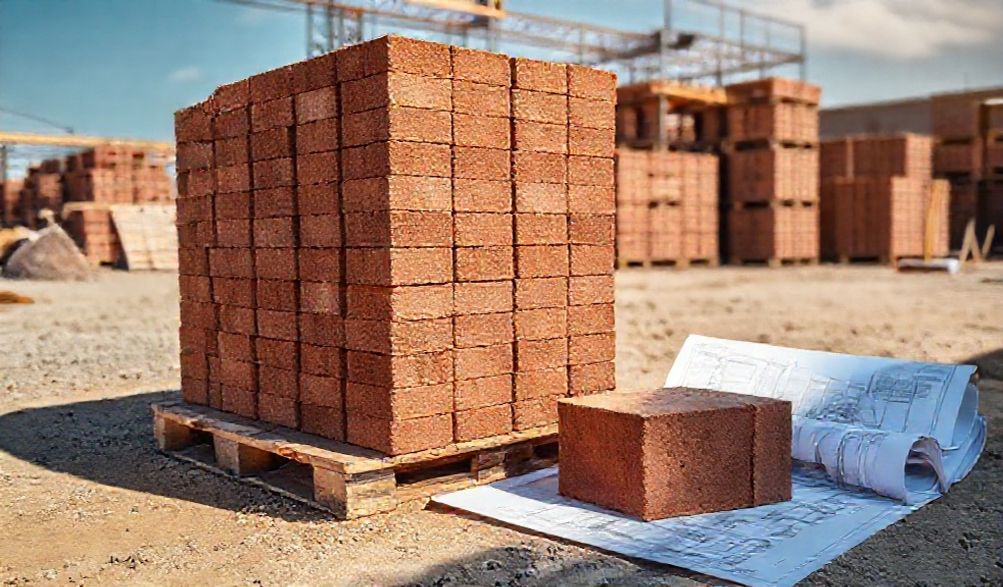
Your Complete Guide to Sourcing High-Quality Earth Blocks for Sale
Gabatarwa
The modern construction landscape is shifting. Architects, builders, and homeowners are increasingly seeking materials that offer more than just shelter—they demand sustainability, durability, and a unique aesthetic character that mass-produced options cannot provide. If you’re actively searching for “earth blocks for sale,” you’re already at the forefront of this movement. But navigating the market for this ancient-yet-innovative material requires more than a simple Google search.
This definitive guide is designed to be your trusted resource. Compiled from industry best practices, direct manufacturer specifications, and real-world construction experience, it cuts through the noise. Our goal is to equip you with the knowledge to make informed, confident purchasing decisions for your specific project.
By the end of this article, you will know exactly what to look for in a high-quality earth block, the critical questions to ask suppliers, and the strategic steps to find a reputable partner. Let’s build your knowledge from the ground up.
What Are Earth Blocks? Understanding Your Building Material
Before you buy, you must understand what you’re buying. Earth blocks are a category of construction masonry units made primarily from subsoil. They are a sophisticated evolution of the world’s oldest building materials, engineered for modern performance.
The Core Composition: More Than Just Dirt
An earth block is not simply compacted dirt. Its performance hinges on a precise mix:
- Soil/Clay: The foundation. A suitable soil blend typically contains clay, silt, sand, and sometimes gravel. The clay acts as a natural binder.
- Stabilizer: This is what differentiates modern earth blocks from their historical counterparts. A small percentage (typically 5-10%) of a stabilizer like Portland cement or hydrated lime is added to the mix.
- Additives: Some manufacturers may include natural fibers or other mineral additives to enhance specific properties like tensile strength or water resistance.
Crucial Distinction: Unlike traditional adobe (sun-dried) or cob, modern stabilized earth blocks are mechanically compressed at high pressure, creating a dense, consistent, and engineered unit.
Key Types of Earth Blocks Available
When searching for “earth blocks for sale,” you’ll primarily encounter three types:
- Compressed Stabilized Earth Blocks (CSEBs): This is the most common and technologically advanced type available today. A moist, stabilized soil mix is compressed in a hydraulic or mechanical press. The result is a block with high compressive strength, dimensional accuracy, and durability. CSEBs are the standard for most contemporary earth construction.
- Adobe Blocks: These are the traditional, sun-dried blocks made from clay-rich soil, sand, straw, and water. While making a resurgence for their ultra-low embodied energy and heritage appeal, they generally require more protective detailing (larger roof overhangs, specialized plasters) than CSEBs.
- Interlocking Earth Blocks: A subset of CSEBs, these are designed with grooves, pins, or other mating features. They allow for dry-stacking or the use of minimal mortar, significantly speeding up construction time and reducing the need for skilled labor.
The Compelling Advantages of Building with Earth Blocks
Why choose earth blocks? The benefits span environmental, performance, and economic categories, creating a compelling case for a wide range of projects.
Dorewa da Fa'idodin Muhalli
This is often the primary driver. Earth blocks excel as a green building material:
- Low Embodied Energy: The production process requires significantly less fossil fuel energy than fired bricks or concrete blocks.
- Local & Abundant: Soil can often be sourced on-site or locally, slashing transportation emissions and supporting local economies.
- High Thermal Mass: Earth blocks absorb heat during the day and release it slowly at night. This natural temperature regulation drastically reduces heating and cooling energy demands.
- Non-Toxic & Recyclable: They contain no volatile organic compounds (VOCs) and, at the end of their life, can be returned to the earth or crushed and reused.
Structural and Performance Benefits
Don’t let the “earth” name fool you—these are high-performance building units:
- Ƙarfin Matsi Mai Girma: Properly made CSEBs can achieve strengths comparable to conventional concrete masonry units (CMUs), making them suitable for multi-story, load-bearing walls.
- Fire & Pest Resistant: They are inherently non-combustible and offer no food value for termites or rodents.
- Excellent Humidity Regulation: The porous nature of earth blocks naturally absorbs and releases moisture from the air, helping to maintain ideal indoor humidity levels and improve air quality.
Economic and Aesthetic Benefits
The value proposition extends beyond the initial invoice:
- Tasiri Mai Tsada: When local soil is used, material costs can be very competitive. Savings also accrue from reduced need for insulation and interior/exterior finishes.
- Architectural Beauty: Earth blocks offer a warm, natural, and timeless aesthetic. The subtle color variations and texture create a unique sense of place that cannot be replicated with synthetic materials.
Critical Specifications When Evaluating Earth Blocks for Sale
This is where your due diligence begins. A reputable supplier should be able to provide clear data on these key specifications. Treat this as your technical checklist.
Strength and Durability Metrics (What to Ask For)
Never buy on faith alone. Request verified test data.
- Ƙarfin Matsi: Measured in Megapascals (MPa). For load-bearing walls, look for blocks in the 3-10 MPa range. Your structural engineer will specify the required strength for your design.
- Durability Tests: Blocks should be tested for resistance to wetting-drying cycleskumaerosion. Reputable manufacturers test according to recognized standards like ASTM D559 / D560 (for wet-dry and freeze-thaw testing of soil-cement).
- Shan Ruwa: A lower absorption rate generally indicates better durability in wet conditions. Ask for the results of a 24-hour cold water immersion test.
Size, Shape, and Tolerances
Consistency is critical for efficient construction.
- Matsakaicin Girma: Common sizes are similar to conventional blocks (e.g., 300mm x 150mm x 100mm), but many suppliers offer custom dimensions.
- Dimensional Tolerances: Inquire about the acceptable variance in block dimensions (e.g., ± 2mm). Tight tolerances mean less time spent adjusting and trimming on-site.
Stabilization Method and Composition
The “S” in CSEB is vital. Understand what’s in your block.
- Cement-Stabilized: The most common method. Provides high early strength and excellent water resistance. Has a higher carbon footprint than lime but is very reliable.
- Lime-Stabilized: A more traditional and often lower-carbon option. Lime stabilization improves gradually over time (a process called carbonation) and can offer better vapor permeability.
- Mix Design: Ask for the percentage of stabilizer used and the source/type of soil. A consistent, documented mix design is a hallmark of a quality manufacturer.
How to Find and Vet Reputable Suppliers of Earth Blocks
Finding a supplier is one thing; vetting them is another. This process protects your project investment.
Sourcing Channels: Local vs. National Suppliers
- Local Manufacturers/Artisans: This is often the ideal scenario.
- Abubuwan da suka fi kyau: Drastically lower transportation costs and emissions, support for the local economy, and easier site visits.
- Rashin Kyau: May have limited production capacity or fewer block style options.
- Search Tip: Go beyond “earth blocks for sale.” Try “CSEB manufacturer [Your State],” “compressed earth block supplier near me,” or “earth block machine [Your Region].”
- National Distributors/Specialists: These companies often supply blocks from a central production facility or a network of producers.
- Abubuwan da suka fi kyau: May offer a wider variety of specialized blocks (interlocking, custom colors), guaranteed specifications, and large-volume capacity.
- Rashin Kyau: Higher transportation costs and a less personal relationship.
The Supplier Qualification Checklist
When you contact a supplier, be prepared with this list.
- Request Documentation:
- Independent, third-party lab test reports for strength and durability.
- A portfolio of completed projects with references.
- A detailed Material Data Sheet (MDS) with full composition and properties.
- Ask the Right Questions:
- “Where do you source your soil, and do you test its composition?”
- “What is your quality control process during production?”
- “How long do you cure the blocks before they are ready for shipment?”
- “What is your current lead time for an order of [X] size?”
- Seek References: Ask for 2-3 contacts from past clients with projects similar in scale and style to yours. Call them and ask about their experience.
Requesting and Evaluating Samples
This step is non-negotiable. Always order a sample pallet before committing to a large purchase.
When you receive samples:
* Visually Inspect: Look for consistent color and texture. Check for large cracks or laminations.
* Auna: Use calipers to check dimensions against the supplier’s stated tolerances.
* Simple Tests: Perform a water absorption spot test. Place a few drops of water on the block. If it is absorbed almost instantly, the block is very porous. If it beads up and absorbs slowly, it indicates better stabilization and surface density.
* Weight Them: Heft a few blocks. They should feel solid and dense, not crumbly or overly light.
Cost Considerations and Project Planning
A clear understanding of costs and logistics prevents budget overruns and site delays.
Understanding Pricing Factors
The price per block is influenced by several variables:
* Base Material & Stabilizer: Cement-stabilized blocks may cost slightly more than lime-stabilized.
* Keɓancewa: Special shapes, sizes, or pigment colors add cost.
* Order Quantity: Significant volume discounts are common.
* Delivery Distance: This is often the largest variable after the block itself. A local supplier will always win on freight costs.
Logistics: Delivery, Storage, and On-Site Handling
Plan ahead to protect your material investment.
* Delivery: Blocks are typically shipped on wooden pallets. Confirm pallet dimensions and weight for offloading planning. Ensure site access can accommodate a delivery truck.
* Storage: Earth blocks must be stored off the ground on pallets and under a waterproof, breathable cover (like a tarp). They need to be kept dry but allowed to breathe to prevent moisture trapping.
* On-Site Handling: While durable, blocks can chip if mishandled. Use proper lifting techniques and avoid dropping them.
FAQ: Your Questions About Buying Earth Blocks, Answered
Q1: Are earth blocks suitable for load-bearing walls?
A: Yes. Properly manufactured and tested CSEBs are explicitly engineered for load-bearing applications. The key is to verify that the block’s certified compressive strength meets or exceeds the requirements specified by your project’s structural engineer.
Q2: Can I use earth blocks in cold or wet climates?
A: Absolutely. Successful projects exist in diverse climates worldwide. The critical factors are using adequately stabilized blocks (often cement-based for harsh climates) and implementing proper architectural detailing. This includes generous roof overhangs, raised foundations with capillary breaks, and appropriate breathable plasters. Source from a supplier with proven experience in a climate similar to yours.
Q3: How do earth blocks compare to conventional concrete blocks on price?
A: The per-unit material cost can be very competitive, especially when sourced locally. The true financial picture, however, is a “systems cost.” Earth blocks often provide inherent thermal mass and finish, potentially reducing costs for additional insulation and interior/exterior cladding. Furthermore, lifetime energy savings can be significant. Always request a comparative analysis for your complete wall system.
Q4: What is the typical lead time for ordering earth blocks?
A: It varies widely. For standard blocks from an established supplier with inventory, lead times may be 2-4 weeks. For custom orders or large project volumes that require dedicated production runs, plan for 8-12 weeks or more. This is one of the most important questions to ask during your initial supplier contact to align with your construction schedule.
Q5: Do I need special skills or tools to build with earth blocks?
A: Standard masonry skills transfer very well. The primary difference is the mortar: earth block construction typically uses a soil-based slurry mortar or a thin-set mortar recommended by the manufacturer, rather than standard cement mortar. Some suppliers offer hands-on training workshops or can provide a list of masons experienced with earth block construction.
Ƙarshe
Sourcing high-quality earth blocks is an exercise in informed procurement. Success lies in a three-part formula: understanding the material’s technical specifications, thoroughly vetting suppliers against a rigorous checklist, and meticulously planning for cost and logistics.
You are now equipped to engage with suppliers not as a novice, but as a knowledgeable buyer. Use the questions and criteria outlined here to build a dialogue based on data and proven performance.
Choosing earth blocks is more than a purchase; it’s an investment in a building that is sustainable, healthy, and inherently beautiful. By applying the due diligence detailed in this guide, you can source a product that ensures the integrity, longevity, and ultimate success of your project.
Your next step: Begin researching suppliers in your region, request their documentation and a sample pallet, and start a conversation with a designer or engineer who appreciates the value of earth construction.
<