
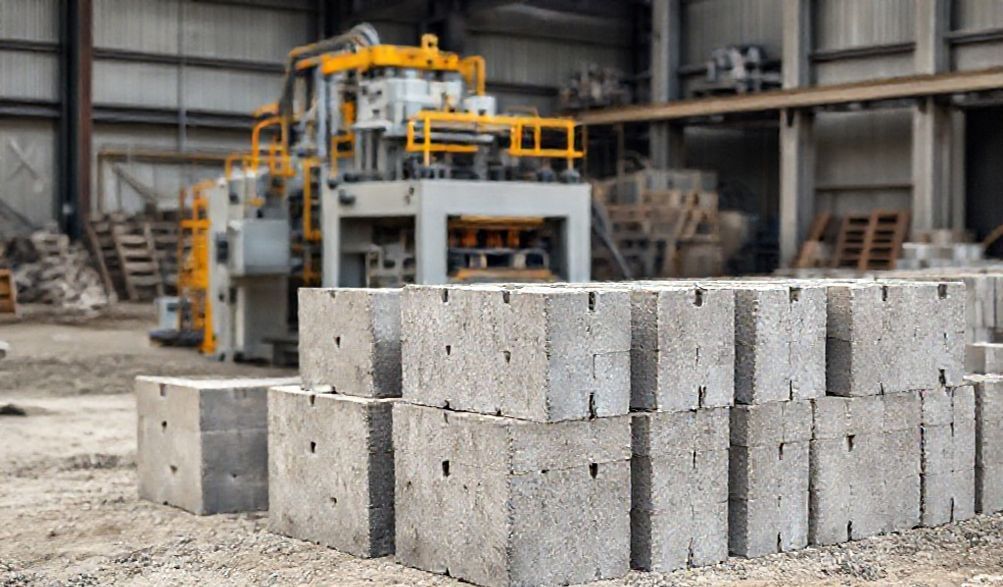
Farashin Injinan Yin Tubalin Siminti: Jagorar Mai Siyayya ta 2024 & Rarraba Farashi
Gabatarwa
Kun ga damar. Bukatar kayan gini masu araha da ƙarfi tana ƙaruwa, kuma samar da tubalin siminti hanya ce da ta tabbatar da riba. Amma da zarar kun fara neman injina, sai a kai ku da ɗimbin zaɓuɓɓuka da farashi. Ta yaya za ku daidaita jarin farko da nasarar kasuwancin ku na dogon lokaci? Zaɓen injin da bai dace ba na iya nufin ɓata lokaci mai lalacewa, samfuran ƙasa da ƙima, ko jarin da ba zai taɓa biyan kansa ba.
Wannan jagorar ta yanke ta cikin rudani. An tattara ta daga bayanan masana'antu, takamaiman ƙayyadaddun masana'anta, da fahimtar aiki mai amfani, za mu bayyana farashin injinan yin tubalin siminti. Manufarmu ba kawai kawo jerin farashi ba ne, amma mu ba ku cikakken bayani mai gaskiya, mai yiwuwa na abin da ke haifar da farashi—daga ƙananan injinan hannu zuwa cikakkun masana'antun masana'antu.
A ƙarshen wannan jagorar, za ka fahimci mahimman abubuwan da ke tasiri farashin, ainihin farashin 2024 na kowane sikelin kasuwanci, da kuma "ɓoyayyun farashin" mallakar da ake yawan watsi da su. Mafi mahimmanci, za ka koyi yadda ake tantance ainihin ƙimar da ya wuce farashin farko, wanda zai ba ka ƙarfin yin cikakken sani, kwarin gwiwa na zuba jari wanda zai haɓaka ci gaban ka shekaru masu zuwa.
Fahimtar Abubuwan Da Ke Taimakawa Farashin Injinan Yin Tubali
Farashin na'urar yin tubali ba kawai abu ba ne da aka zaba ba. Yana nuna iyawar ta, ƙarfin ta, da kuma fasahar zamani da ta haɗa. Fahimtar waɗannan abubuwan da ke tattare da ita shine matakin farko don yin sayayya mai hikima.
Ƙarfin Samarwa & Abun da ake Samarwa (Tubalan A Kowane Sa'a)
Wannan ita ce mafi kai tsaye alaƙa da farashi. Ana auna fitarwa a cikin tubalan a kowace awa ko kowane tafi na sa'o'i 8, bisa tsarin zagayowar na'urar.
- Wani ƙaramin inji na hannu na iya samar da tubalan 60-80 a cikin sa'a guda.
- Na'ura mai ƙarfi ta yau da kullun na iya samun 300-600 tubalan a cikin sa'a guda.
- Wani cikakken kayan aikin shuka na atomatik zai iya wuce gona da iri 2,500 a cikin sa'a guda.
Ƙarin fitarwa yana buƙatar ƙarin ƙarfin injuna, firam ɗin aiki mai nauyi, da ƙarin tsarin da suka fi santsi don kiyaye sauri da daidaito, waɗanda duk suna ƙara farashi. Kada kawai ku saya don bukatun yau; yi hasashen ci gaban ku na shekaru 2-3 zuwa gaba.
Matakin Sarrafa: Na Hannu, Rabin Sarrafa, Cikakken Sarrafa
Matakin sarrafa kai (automation) shine babban abin da ke ƙayyade farashi kuma yana tasiri kai tsaye ga buƙatun ma'aikata da kuma daidaiton aiki.
- Na'urorin Hannu:Farashin farko mafi ƙasa. Yana buƙatar aikin hannu mai yawa don haɗawa, ciyarwa, gyare-gyare, da warkarwa. Farashin yana haifar da ƙarfin injiniya na asali da sauƙi.
- Matsin Injin Mai Ƙaramin Gudanarwa: The most popular balance. They automate the critical compaction and vibration process (often with a hydraulic press) but may require manual feeding of raw material or removal of finished blocks. You pay for enhanced precision, higher output, and reduced physical strain on workers.
- Matsarori Masu Sarrafa Kansu Gabaɗaya: Highest capital investment. These are integrated systems with automated material batching, mixing, conveying, molding, curing, and stacking (palletizing). The price reflects complex PLC (Programmable Logic Controller) systems, synchronized conveyors, and high-volume capability. The return is in minimal labor and maximum, consistent output.
Machine Type & Block Versatility
The machine’s design for a specific production mode also affects its price.
- Stationary Block Makers: The standard for fixed-location factories. Prices vary widely based on automation. They are generally more robust and productive for dedicated sites.
- Na'urorin Kera Tubali (Irin Na Yin Kwai): These machines produce blocks directly on the ground and then “lay” them by moving forward. They command a premium for their mobility (built-on trailer and engine) and eliminate the need for pallets. Ideal for on-site production.
- Machine Versatility: A basic machine that makes only one standard hollow block size will cost less. If you need to produce multiple products—solid blocks, paving slabs, interlocking bricks, curb stones—you’ll need interchangeable molds. Each additional high-quality steel mold can cost from $500 to $3,000+, adding to your total investment.
Build Quality & Key Components
Two machines with similar output specs can have vastly different prices based on what they’re made of.
- Tsarin Karfe da Tsarin Gini: Heavy-duty, reinforced steel plate ensures the machine withstands constant vibration without cracking or warping. Cheaper machines use lighter gauge steel, risking premature failure.
- Tsarin Hydraulic: The heart of a semi- or fully-automatic machine. Brands, pump quality, valve precision, and seal durability vary greatly. A superior system offers consistent pressure, cleaner operation, and longer life.
- Tsarin Girgiza: Critical for block density and strength. High-frequency, externally mounted motors on a sturdy vibration table are more effective and expensive than simpler, integrated systems.
- Tsarin Gudanarwa: A basic relay panel is cheaper but less reliable. A PLC-based control panel, while more costly, offers better precision, troubleshooting diagnostics, and automation capabilities.
Cement Block Machine Price Ranges by Category (2024 Estimates)
Note: The following price ranges are estimates in USD for new equipment from global manufacturers. Final costs depend on configuration, brand, and shipping terms. Always request formal quotations.
Manual & Small-Scale Machines
- Farashin Farashi: $1,000 – $8,000
- Siffar da Aiki na Yau da Kullum: 500 – 1,500 blocks per 8-hour day.
- Mafi Kyau Don: Micro-enterprises, individual builders, community projects, or regions with very low labor costs. They are a low-risk entry point.
- Abin da Kuke Samu: These are often simple, mechanically-operated presses (like the popular “M7MI” mobile manual machine). Operation is labor-intensive, requiring manual mixing, feeding, and block removal. They are excellent for mastering the basics but have clear scalability limits.
Semi-Automatic Machines (The Sweet Spot for Many)
- Farashin Farashi: $8,000 – $35,000
- Siffar da Aiki na Yau da Kullum: 1,500 – 5,000+ blocks per day.
- Mafi Kyau Don: Growing block manufacturing businesses, medium-scale housing projects, and contractors looking to supply multiple sites. This category offers the best balance of productivity and affordability.
- Siffofi na Maɗaukaki: In this range, you move into hydraulic operation for consistent block compaction. Features may include:
- Automatic vibration and pressing cycles.
- Optional hydraulic or mechanical feed systems.
- The ability to use wood or steel pallets.
- More powerful motors (7.5kW to 15kW).
Fully Automatic Stationary Plants
- Farashin Farashi: $35,000 – $150,000+
- Siffar da Aiki na Yau da Kullum: 5,000 – 20,000+ blocks per day.
- Mafi Kyau Don: Large-scale commercial block yards, suppliers to major construction firms, and entrepreneurs focused on high-volume production with minimal manual labor.
- The Integrated System: This price buys a complete production line. It typically includes:
- An automatic pan mixer or concrete batch mixer.
- A belt conveyor for material transport.
- The fully automatic block making machine (with automatic pallet feeder and stacker).
- A centralized PLC control cabinet to manage the entire process.
- Higher-grade components designed for 16-24 hour operation.
Na'urorin Sake Gina Tubalan Wayoyin Hannu
- Farashin Farashi: $15,000 – $50,000
- Babbar Fa'ida: Produce blocks directly at the construction site, eliminating transport costs for finished blocks—a massive saving for large projects.
- Price Factors: The cost is a combination of the block-making unit itself (often a semi-automatic system) and the mobility package. This includes a heavy-duty trailer chassis, a diesel engine for independent power, and sometimes a built-in water tank and mixer. Higher automation on a mobile unit pushes the price toward the top of the range.
The Hidden Costs of Owning a Block Making Machine
The machine’s invoice is just the beginning. A savvy buyer budgets for the Total Cost of Ownership (TCO).
Jigawa, Shigarwa, da Kaddamarwa
- Shipping & Logistics: Manufacturer quotes are often FOB (Kyauta akan Jirgi) at their factory. You must budget for international sea/air freight, insurance, and port clearance. CIF (Cost, Insurance, and Freight) quotes to your nearest port are more inclusive but still exclude inland delivery.
- Import Duties & Taxes: These vary significantly by country and can add 10-30% to the landed cost. Research your local regulations.
- Installation: A semi- or fully-automatic machine requires a solid, level concrete foundation. Factor in civil work costs. Commissioning by a technician (often recommended) may involve travel and service fees.
Spare Parts, Maintenance, and Operational Costs
- Sassaka Abubuwan Sawa Molds, mold liners, and pallets are consumables. High-quality hardened steel lasts longer but costs more upfront. Budget for their eventual replacement.
- Hydraulic Oil & Filters: Regular changes are non-negotiable for system health.
- Electricity Consumption: A machine with a 15kW motor running 8 hours/day has a substantial power cost. Calculate your local industrial electricity rates.
- Kula da Kariya: Regular greasing, bolt tightening, and system checks prevent costly breakdowns.
Raw Material Costs & Preparation Equipment
- Cement & Aggregates: This is your largest recurring cost. The quality and proportion of cement directly affect your block strength (measured in MPa) and your profit margin.
- Kayan Aiki na Taimako: The block machine rarely works alone. You may need:
- A concrete mixer (from a simple pan mixer to a batching plant).
- A wheel loader or forklift for handling raw materials and finished blocks.
- Curing racks or a dedicated curing chamber.
- A reliable water source.
How to Get the Best Value for Your Investment
Value isn’t the cheapest price; it’s the optimal return on your total investment over time.
Ayyana Bukatar Kasuwancin Ku Daidai
Answer these questions before you ever contact a supplier:
* Daily Output: How many blocks do I need to produce at minimum to meet demand?
* Nau'in Tubalan What specific products will I sell? (4″, 6″, 8″ hollow blocks, pavers, etc.)
* Sararin Samuwa: Do I have a factory shed, or will this be an open-yard operation?
* Aiki How many skilled operators can I hire and afford?
* Wutar Lantarki: Do I have access to stable three-phase industrial electricity?
Research and Compare Reputable Manufacturers
- Vet the Supplier: Look for a track record. How many years have they been in business? Can they provide client references or videos of their machines in operation?
- After-Sales Service Network: This is critical. Do they have local agents or technicians who can provide support, training, and spare parts? A machine without support is a liability.
- Samun Kayan Gyara: Ask for a spare parts list and price catalog. A manufacturer that stocks and ships parts quickly is invaluable.
The Critical Role of After-Sales Service
Consider service as part of the machine’s value.
* Warranty: What is covered (parts, labor, shipping)? A standard warranty is 12 months for key components.
* Tallafin Fasaha: Is remote support (video call) available? What is the response time?
* Horarwa: Will they provide comprehensive operational and basic maintenance training?
* Red Flag: A supplier who is evasive about service terms or pushes for full payment before shipment without escrow options.
Request and Analyze Detailed Quotations
A professional quote should be transparent and include:
1. Detailed machine specifications (model, power, output, weight).
2. Itemized price list (machine, optional molds, spare parts kit).
3. Clear delivery terms (FOB, CIF, etc.).
4. Payment terms and schedule.
5. Warranty details and after-sales service description.
6. Approximate shipping weight and volume.
Get at least 3-5 quotes from different manufacturers for a true comparison.
Tambayoyin da ake yawan yi (FAQ)
What is the cheapest type of cement block machine?
Manual machines are the least expensive upfront, often starting around $1,000. However, the “cheap” cost comes with high physical labor requirements and lower, inconsistent output. Your true cost includes the labor to operate it.
Can I get a good automatic machine under $20,000?
Yes, but manage your expectations. In the $15,000-$20,000 range, you can find capable semi-otomatik machines from certain manufacturers. They will likely have basic hydraulic systems and require some manual intervention (like feeding). A true, fully-automatic plant for under $20,000 is very rare and may compromise on component quality.
How much profit can I make from a block making machine?
Profit is highly market-dependent. Here’s a simplified example:
* Local selling price per block: $0.50
* Production cost per block (materials, labor, power, depreciation): $0.30
* Profit per block: $0.20
* Daily output (semi-auto machine): 3,000 blocks
* Daily gross profit: 3,000 x $0.20 = $600
This is a gross figure. Net profit deducts overheads like rent, administration, and marketing. A detailed business plan is essential.
Are used block making machines a good idea to save money?
Potentially, but with significant risk.
* Abubuwan da suka fi kyau: Lower initial investment.
* Rashin Kyau: No warranty, potential for hidden wear or damage, outdated technology, and difficulty finding spare parts. If you consider used, insist on a thorough, in-person inspection and test run, preferably with a mechanic. Factor in an immediate overhaul budget.
Besides the machine price, what is the biggest ongoing cost?
For most operations, raw materials (especially cement) are the single largest recurring cost. For manual and semi-automatic setups, labor is also a major component. For automated lines, the focus shifts to preventive maintenance and spare parts to avoid expensive downtime.
Ƙarshe
Navigating the world of cement block making machine prices ultimately reveals one core insight: the “price” is a spectrum defined entirely by your specific needs and ambitions. The true cost is never just the purchase order amount; it’s the Total Cost of Ownership over the productive life of the equipment.
Our final, strongest recommendation is this: invest based on a clear, realistic business plan, not just the lowest upfront cost. A slightly more expensive machine from a reputable supplier with robust after-sales support will almost always outperform a “bargain” machine that spends more time broken than producing. Prioritize reliability, service, and a clear path to your production goals.
Your Next Step: Use this guide as a checklist. Solidify your production requirements, then request and meticulously compare detailed quotes from 3-5 certified manufacturers. This disciplined approach is your surest path to a sound investment that will build the foundation of your business for years to come. You now have the knowledge—go and apply it with confidence.
<