
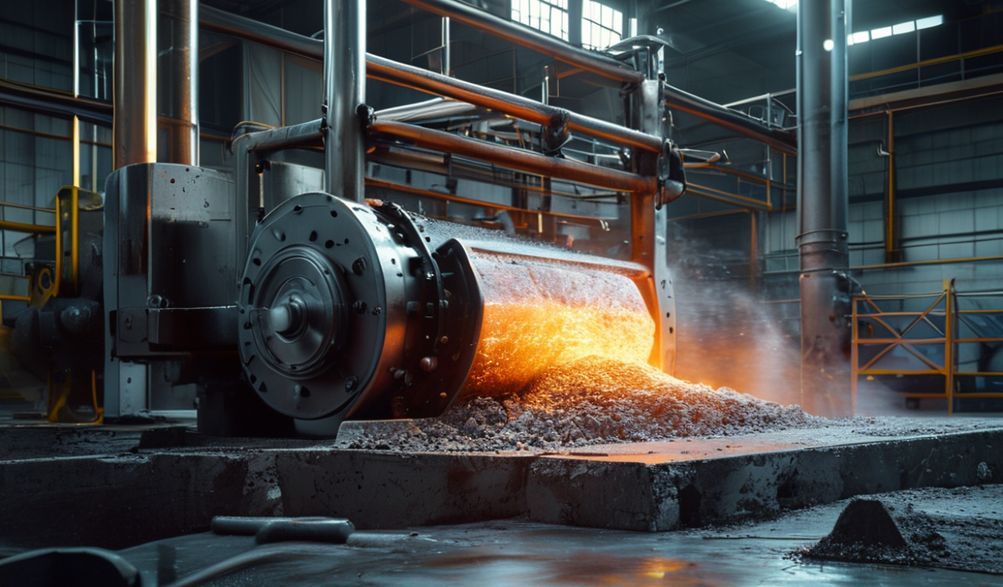
Revolutionizing Construction: The High-Pressure Brick Machine from FUDA Block Making Factory
Gabatarwa
The global construction industry consumes over 1.5 trillion bricks and blocks annually, a demand driven by relentless urbanization and the need for durable, sustainable, and cost-effective building materials. Yet, for decades, manufacturers and builders have been hamstrung by the limitations of traditional brick production: inconsistent quality, low density, high porosity, and painfully slow output rates that inflate costs and compromise project timelines.
Enter the high-pressure brick machine—a technological leap that has redefined the very standards of masonry unit production. At the forefront of this industrial revolution is the FUDA Block Making Factory, a name synonymous with engineering excellence and reliable performance. This guide, distilled from decades of hands-on industry experience and deep engineering expertise, is designed for serious buyers, contractors, and business owners. By the end of this post, you will possess a clear understanding of the transformative advantages of high-pressure brick machines, the specific, tangible value offered by FUDA, and the critical factors needed to make a successful, profitable investment in this technology.
What is a High-Pressure Brick Machine? Core Technology Explained
At its core, a high-pressure brick machine is an industrial press that uses immense, precisely controlled force to compact raw materials into dense, strong bricks or blocks. Unlike traditional methods that rely on vibration or low-pressure molding, this technology applies extreme hydraulic or mechanical pressure—typically ranging from 100 to over 300 tons—to achieve unparalleled material density.
The Principle of High-Pressure Compaction
The process is a masterclass in efficient, powerful engineering:
1. Ciyarwa: A precise mixture of raw materials (like cement, sand, fly ash, or crushed stone) is fed into a precision-engineered mold box.
2. Matsawa. A hydraulic ram applies immense, consistent pressure from above (and sometimes simultaneously from below). This force compacts the material, forcing out air voids and creating a tight, interlocking particle structure.
3. Fitarwa: The newly formed, solid block is ejected from the mold, stable enough to be palletized immediately, thanks to its “green strength.”
This high-pressure method is what transforms loose aggregate into a structural component capable of bearing significant loads.
Key Components of a Robust Machine
The reliability and output of the machine hinge on the quality of its core components:
- The Mould (Die): This is the heart of customization. Made from hardened, high-chrome alloy steel, a premium mould ensures precise brick dimensions, smooth surface finish, and withstands millions of compression cycles without wear. FUDA’s moulds are CNC-machined for absolute accuracy.
- Tsarin Hydraulic: The powerhouse of the machine. A robust system—featuring reliable pumps, valves, and cylinders—delivers consistent pressure for every single brick. Inconsistency here leads to weak, variable-quality products.
- Tsarin Gudanarwa: From programmable logic controllers (PLCs) to user-friendly touchscreen interfaces, the control system ensures repeatable precision, monitors machine health, and allows for easy adjustment of pressure and cycle times.
- Tsari & Tsarin: The machine’s skeleton. A heavy-duty, welded steel frame absorbs the tremendous forces generated during operation, preventing flex and ensuring alignment and longevity over decades of use.
Why Choose a High-Pressure Brick Machine? Tangible Benefits
Investing in this technology is not merely a purchase; it’s a strategic upgrade that delivers measurable returns across your operation.
Unmatched Product Quality & Strength
High pressure directly translates to superior physical properties. Bricks produced this way consistently achieve high compressive strength, often exceeding 10-15 MPa or more, comfortably meeting and surpassing international standards like ASTM C90.
* Low Water Absorption: High density means fewer pores, leading to dramatically reduced water absorption. This results in excellent frost resistance and longevity, especially in harsh climates.
* Daidaiton Girma: Precision molds and stable pressure produce bricks with uniform size and shape, simplifying bricklaying, reducing mortar use, and creating aesthetically pleasing structures.
* Matsakaicin Yawa: The compact structure offers better sound insulation, thermal mass, and overall durability compared to porous, low-pressure alternatives.
Exceptional Production Efficiency & Output
Automation and power combine to revolutionize output.
* High Cycle Rates: Modern high-pressure machines can produce hundreds, even thousands, of bricks per hour, dwarfing the output of manual or low-pressure static machines.
* Ragewar Aiki: From semi-automatic (one operator) to fully automatic lines (minimal supervision), these machines drastically cut labor costs and human error.
* Consistent Output: Once set, the machine produces identical, high-quality units 24/7, enabling reliable project planning and supply chain management.
Remarkable Material Versatility & Sustainability
This technology is a cornerstone of green construction.
* Diverse Raw Materials: It can effectively utilize industrial by-products like fly ash, slag, and quarry dust, turning waste into valuable building materials. Traditional clay, cement, and sand mixes are also perfectly suited.
* Eco-Friendly Process:Tubalin“cured,” not fired, eliminating the need for coal-burning kilns. This saves energy, reduces carbon emissions, and can contribute to green building certification points (e.g., LEED).
Long-Term Cost Savings & ROI
View this as a capital investment with a clear payback period.
* Ragewar Sharar Gida: Consistent quality means fewer breakages and rejects.
* Ƙananan Kulawa: Well-engineered machines built with premium components (like FUDA’s) require less downtime and repair.
* Ingantaccen Amfani da Makamashi: Higher output per unit of energy consumed compared to traditional firing methods.
* Market Premium: High-strength, precision blocks command better prices in the market, boosting profitability.
Inside the FUDA Block Making Factory: A Legacy of Expertise
For over two decades, FUDA has not just manufactured machines; we have built partnerships by solving real-world production challenges.
Our Engineering Philosophy: Durability Meets Innovation
Our design principle is “over-engineered for under-stressed performance.” We use heavier gauge steel in critical areas, source hydraulic components from tier-one suppliers, and continuously refine our designs based on direct feedback from our global clientele. Our R&D focuses on making robust technology more efficient and user-friendly.
The FUDA Manufacturing & Quality Assurance Process
Every machine is born on a factory floor dedicated to precision:
* Kayan aikin CNC: Key components are machined to microscopic tolerances for perfect fit and function.
* Rigorous Assembly: Skilled technicians follow strict protocols, ensuring every hydraulic line and electrical connection is flawless.
* Multi-Stage Testing: Before shipment, each machine undergoes pressure tests, cycle endurance runs, and comprehensive safety checks. We adhere to stringent quality management systems to guarantee every unit is production-ready.
Beyond the Machine: Comprehensive Support Services
FUDA’s commitment begins long before the sale and extends for the life of the machine.
* Technical Consultation & Plant Layout: Our engineers analyze your local raw materials and production goals to recommend the optimal machine model and factory layout.
* Training & Installation: We provide detailed installation manuals, video guides, and on-site or remote training to ensure your team can operate and maintain the machine efficiently and safely.
* Genuine Spare Parts Guarantee: We maintain a large inventory of genuine parts and provide clear lifecycle support, ensuring your FUDA machine remains productive for 15-20 years or more.
Selecting the Right High-Pressure Machine: A Buyer’s Guide
Navigating the market requires a focused approach. Let’s break down the key decision points.
Assessing Your Production Needs: Key Questions
- What is your target daily or monthly output (in bricks/pallets)?
- What specific brick type and size do you need (solid, hollow, paver, interlocking)?
- What is your primary raw material mix (percentage of cement, fly ash, sand, etc.)?
- What is your available factory space and electrical power supply (3-phase)?
Understanding Machine Specifications: What to Look For
Don’t just look at the model name. Decode the specs:
* Matsi (Tona): The true indicator of potential brick strength. Inquire about the actual, stable working pressure, not just a theoretical maximum.
* Mold Size & Output: Determines brick size and how many bricks per cycle (e.g., 4-block mold).
* Lokacin Zagayowar: The time to complete one compression and ejection cycle. Faster cycles mean higher hourly output.
* Ƙarfin Motar: Correlates to the machine’s energy consumption and force generation capability.
Semi-Automatic vs. Fully Automatic: Making the Choice
- Semi-otomatik: Lower initial investment. Requires an operator to feed materials and initiate each cycle. Ideal for medium-scale production or businesses starting out.
- Gaba Daya Mai Sarrafa Kansa: Higher capital cost but minimal labor. Integrated feeders, conveyors, and palletizers create a continuous production line. Ideal for large-scale projects or high-volume commercial plants seeking maximum efficiency.
The True Cost of Ownership: Avoiding Hidden Expenses
The cheapest machine often becomes the most expensive. Be wary of:
* Substandard Steel: Leads to frame fatigue and dangerous failures.
* Weak Hydraulics: Results in pressure drop, inconsistent bricks, and frequent, costly breakdowns.
* Zero Support: A machine without accessible technical support and spare parts is a ticking time bomb for your production schedule.
Applications & End-Products of FUDA High-Pressure Machines
The versatility of our machines unlocks a wide range of business and project opportunities.
Diverse Brick & Block Types Produced
- Structural: Solid & Hollow Concrete Blocks for walls and columns.
- Paving: Interlocking Pavers, Kerbstones, and Slabs for driveways, roads, and hardscapes.
- Specialty: Grass (Green) Blocks for eco-paving, Decorative Facade Blocks, and Landscape Edging.
Ideal For: Construction Projects and Business Ventures
- Large-Scale Developers: Produce on-site, high-quality blocks for housing projects, ensuring supply control, cost savings, and speed.
- Masu Kwangilar Sufuri da Kayayyaki: Manufacture pavers and curbs for road, park, and municipal works.
- Entrepreneurs: Start a profitable block manufacturing business, supplying the local construction market with a superior product.
FAQ Section
Q1: What is the typical lead time for a FUDA high-pressure brick machine?
A: Lead times vary by model and customization. Standard models typically ship within 4-6 weeks after order confirmation. Our sales team provides a precise timeline upon quotation.
Q2: Can your machine use 100% fly ash or other specific raw materials?
A: Our engineers can provide expert mix design advice and, if necessary, customize the machine’s compression profile to optimize performance for your specific material composition, including high fly ash ratios.
Q3: What is the expected lifespan of a well-maintained FUDA machine?
A: With proper routine maintenance, FUDA machines are engineered for 15-20+ years of productive service. Critical components like the main frame, hydraulic cylinder, and mold table are designed and built to last decades.
Q4: Do you offer installation supervision and training?
A: Absolutely. We strongly recommend and offer comprehensive installation guidance (via detailed plans and remote support) and optional on-site operator training packages. Our goal is to ensure your machine achieves optimal performance from its very first day.
Q5: How do I request a quote and what information should I provide?
A: Contact our engineering team via email or our website contact form. For the most accurate and tailored quotation, please provide: 1) Your target brick specifications (size, type, desired strength), 2) Your desired daily output, and 3) Details of your available raw materials.
Ƙarshe
The shift to high-pressure brick manufacturing technology represents a fundamental upgrade in how we produce the building blocks of our world. It delivers uncompromising quality, transformative efficiency, and a clear path to sustainability and profitability.
FUDA Block Making Factory stands as more than a manufacturer; we are your long-term technology partner. Our proven expertise, relentlessly reliable equipment, and unwavering after-sales support are engineered to ensure your success.
Ready to transform your brick production and build your competitive advantage? Contact FUDA’s engineering team today for a free, no-obligation consultation and a detailed quote tailored precisely to your project needs.
Download our comprehensive technical specification catalog to explore the full range of high-pressure block making machines.
We are committed to providing not just machinery, but a foundation for quality, partnership, and a more sustainable, profitable future for your business.
<