
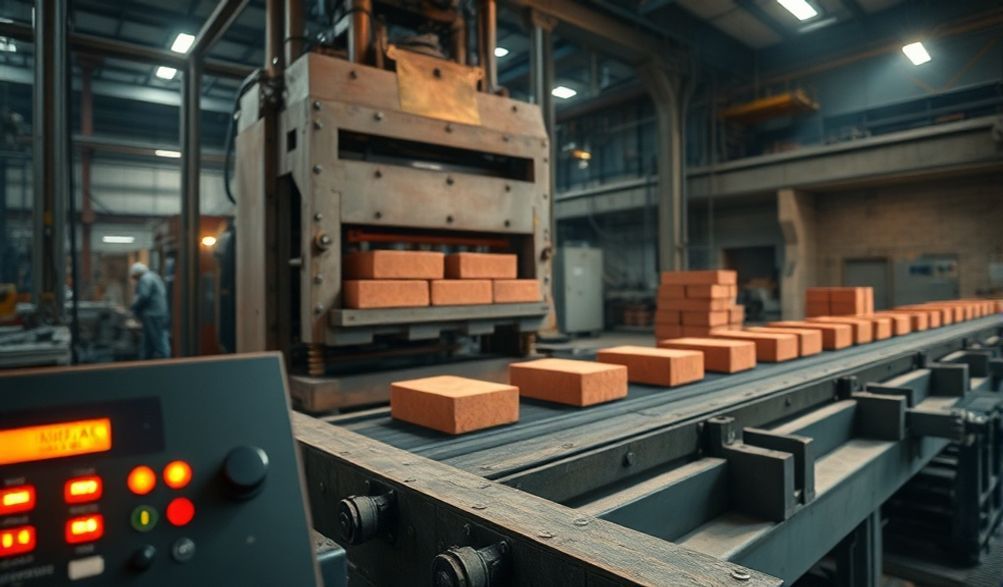
The Ultimate Guide to Brick Production Machines: Inside the FUDA Brick Making Factory
For millennia, bricks have been the bedrock of civilization. From the ancient walls of Babylon to the modern skylines of today, their enduring strength and versatility are unmatched. Yet, the way we produce these fundamental building blocks has undergone a quiet revolution. Gone are the days of purely labor-intensive, sun-dried methods that yielded inconsistent results and carried a heavy environmental toll. The modern construction industry demands more: uniformity, scale, speed, and sustainability.
Enter the automated brick production machine—the engineering marvel that has transformed brick manufacturing from a craft into a precise, high-output industrial process. But purchasing such a machine is a significant investment. Success hinges not just on the equipment itself, but on the expertise and reliability of the manufacturer behind it.
This definitive guide will navigate the world of brick-making machinery. We’ll explore the core technology, break down the critical features, and provide a transparent look at what professional manufacturing entails. To ground this knowledge in real-world practice, we’ll use insights and processes from the KAMFANIN YIN BULALO NA FUDA as a benchmark for industry expertise, authoritative engineering, and trustworthy operation. By the end, you’ll have a clear framework for evaluating machines and partners, ensuring your investment builds a foundation for long-term success.
Understanding Brick Production Machinery: Core Concepts
The leap from manual molding to automated production is the single biggest factor in modern brick manufacturing. Understanding the machinery that makes this possible is the first step toward making an informed decision.
What is a Brick Production Machine?
At its core, a brick production machine automates the key stages of brick creation: proportioning raw materials, mixing, forming (or molding), compacting, and sometimes curing. It systematically applies mechanical force—through vibration, hydraulic pressure, or both—to transform loose materials like clay, concrete, or fly ash into dense, consistently shaped bricks, blocks, or pavers.
This mechanization solves the primary pitfalls of traditional methods:
* Rashin Daidaito: Every brick meets exact dimensional and density specifications.
* Ƙaruwa Mai Girma A Cikin Fitarwa: Machines can produce in an hour what might take manual labor days.
* Enhanced Strength: Controlled, high-pressure compaction creates bricks with superior structural integrity.
* Labor and Cost Efficiency: Automation reduces reliance on large manual workforces, optimizing long-term operational costs.
Babban Nau'ukan Injin Yiyi Burodi
Not all projects or materials are the same, so the industry has developed specialized machines. Reputable manufacturers like the KAMFANIN YIN BULALO NA FUDA typically offer a range to suit different needs.
-
Makanikan Matse Ruwa: These machines use immense, controlled hydraulic pressure to compact material within a mold.
- Yadda Ake Aiki: A hydraulic cylinder applies slow, steady, and extremely high pressure (often measured in tons), compressing the raw material from the top.
- Mafi Kyau Don: Producing high-density, smooth-faced bricks and blocks. They are ideal for materials like fly ash, concrete, and soil-cement, where maximum compaction and strength are critical.
-
Injin Latsa Mai Girgiza: This type utilizes a combination of vibration and lower pressure to settle and compact the material.
- Yadda Ake Aiki: The mold table vibrates at high frequency, causing the material to settle and eliminate air pockets. A simultaneous press head applies supplementary pressure.
- Mafi Kyau Don: Manufacturing interlocking paving stones, hollow blocks, and curb stones. The vibration is excellent for achieving a tight, interlocking fit and a textured surface finish.
-
Fully Automatic vs. Semi-Automatic Lines: This distinction refers to the level of human intervention required.
- Matsin Injin Mai Ƙaramin Gudanarwa: These require operators to feed raw material into the hopper and sometimes remove finished products. They offer a balance between output and affordability, suitable for small to medium-scale operations.
- Layukan Cikakken Kansa: These are integrated production systems. They feature automatic material feeding, mixing, molding, stacking, and palletizing via conveyor belts and robotic arms. They represent the pinnacle of efficiency for large-scale, high-volume production with minimal manual labor.
Inside the FUDA Brick Making Factory: A Model of Expertise
Seeing how a professional factory operates provides invaluable insight into the quality and durability you can expect from their machines. A transparent manufacturer has nothing to hide. Let’s walk through the principles and processes that define a structured operation.
The FUDA Manufacturing Philosophy
Industry practice shows that a machine is only as good as the engineering and oversight behind it. A credible manufacturer’s philosophy is built on:
* Mai Da Hankan Bincike da Ci Gaba: Continuous improvement of machine design for better efficiency, ease of use, and adaptability to new materials.
* Durable Engineering: A commitment to over-engineering critical components to withstand years of high-pressure, high-cycle operation.
* Quality at Source: Using high-grade materials—from the structural steel of the frame to the precision of the hydraulic pumps and the reliability of the PLC electrical systems—is non-negotiable.
A Step-by-Step Look at the Production Process
A well-organized factory floor mirrors the efficiency of the machines it builds. Here’s a breakdown of the standard stages, reflecting the hands-on experience of a typical setup:
-
Stage 1: Raw Material Preparation & Handling
- Quality begins here. Incoming steel plates, profiles, and purchased components (hydraulic cylinders, motors, electrical panels) are inspected and cataloged.
- This stage ensures only certified materials move to the fabrication line, preventing defects before assembly even begins.
-
Stage 2: Component Fabrication & Machining
- This is where the machine takes shape. Using CNC plasma cutters, laser cutters, and machining centers, steel is cut and formed into the machine’s frame, mold tables, and press heads.
- Precision machining of critical parts ensures perfect alignment, which is essential for consistent brick quality and machine longevity.
-
Stage 3: Assembly & Integration
- Skilled welders and fitters assemble the fabricated frame. Hydraulic lines are plumbed, electrical wiring is routed and connected to the control panel, and the mold system is installed.
- The machine transforms from a collection of parts into an integrated system. Careful assembly following strict torque and alignment specifications is crucial.
-
Stage 4: Testing & Quality Assurance
- Every machine undergoes rigorous pre-delivery testing. This includes:
- Dry Run & Safety Checks: Running the machine without material to test all movements, sensors, and safety interlocks.
- Pressure & Production Test: Running the machine with actual raw material to produce sample bricks. These bricks are tested for dimensional accuracy and compressive strength.
- Endurance Run: Operating the machine for an extended period to identify any potential issues with heat, vibration, or component wear before shipment.
- Every machine undergoes rigorous pre-delivery testing. This includes:
Quality Assurance at Every Stage
Trust is built on verifiable processes. A trustworthy factory will have a multi-layered QA protocol:
* Bincike a cikin Tsari: Checks at each manufacturing stage (fabrication, welding, assembly).
* Gwajin Aiki na Ƙarshe: As described above, proving the machine works as specified.
* Certification & Documentation: Adherence to international standards (like CE marking for the European market) and providing detailed operation manuals, parts lists, and test certificates. This documentation is a hallmark of an authoritative manufacturer.
Key Features to Look for in a Brick Production Machine
Beyond the basic type, several specific features separate a good machine from a great one. These are the details you must scrutinize in any supplier’s specifications.
Performance Metrics: Output & Efficiency
- Lokacin Zagayowar: How many seconds for one complete press cycle? Lower cycle time means higher output.
- Tubali A Kowa Awa/Rana: The headline output figure. Ensure it’s calculated based on a standard brick size and includes time for mold changes or palletizing.
- Amfani da Wutar Lantarki: Measured in kW. A more efficient machine has a lower operating cost.
- Muhimman Abubuwan da Ya Kamata A Yi La'akari Da Su: Match the machine’s capacity to your realistic project scale and growth plans. Over- or under-buying can hurt your ROI.
Durability & Construction Quality
The initial price is just one part of the total cost of ownership. Durability saves money on repairs and downtime.
* Ginin Firam Look for heavy-duty, welded steel frames, not bolted-together light-gauge metal. Vibration and high pressure demand robust support.
* Mold/Dies Quality: Molds should be made from high-chromium alloy steel or similar hardened materials for exceptional wear resistance. They are the heart of the product shape.
* Hydraulic & Electrical Components: Reputable brands for pumps, valves, PLCs, and motors (e.g., Siemens, Schneider, Yuken) indicate a commitment to reliability.
Versatility & Mold Options
Market demands change. A versatile machine protects your investment.
* Quick-Change Mold Systems: Allow you to switch between producing solid bricks, hollow blocks, and pavers in a short time.
* Custom Mold Capability: Can the manufacturer engineer molds for unique or specialized brick designs you may want to offer?
Automation & Control Systems
- Kwamitin Sarrafa PLC: The machine’s brain. A user-friendly, digital touchscreen interface allows for easy adjustment of pressure, cycle time, and vibration settings.
- Diagnostic Features: Modern machines often include fault diagnosis codes on the display, making troubleshooting faster and simpler for your technicians.
Choosing the Right Partner: Beyond the Machine
The most perfectly specified machine can fail without the right support. Your relationship with the manufacturer is a critical component of your project’s success.
The Importance of Technical Support & Training
- Shigarwa & Kaddamarwa: Will the factory send engineers to supervise installation and ensure the machine runs correctly in your location?
- Horon Cikakke: They should provide thorough training for your operators and maintenance staff on daily operation, routine checks, and basic troubleshooting.
Availability of Spare Parts and After-Sales Service
- Parts Inventory: A reliable factory maintains a stock of commonly wearing parts (seals, wear plates, sensors).
- Service Response: What is their protocol for technical support? Can they provide remote guidance via video call? How quickly can they ship a critical spare part? Clear after-sales service terms build immense trustworthiness.
Customization Capabilities
A true expert partner can adapt their standard designs to your specific context.
* Daidaituwar Kayan Masana'antu: Can they adjust the machine’s compression ratio or feeding system for your locally available soil, fly ash, or aggregate mix?
* Product Design: Will they work with you to develop molds for a proprietary brick design?
Tambayoyin da ake yawan yi (FAQ)
Q1: What is the average production capacity of a standard brick making machine?
Capacity varies widely. A small semi-automatic machine may produce 1,000-2,000 bricks per 8-hour shift. A fully automatic line from a factory like FUDA can produce 10,000 to 50,000+ standard bricks per shift, depending on the model and configuration.
Q2: What raw materials can be used with these machines?
Modern machines are highly versatile. Common materials include:
* Yumbu
* Fly ash (a eco-friendly byproduct)
* Cement and concrete mixes
* Local soil (often stabilized with a small amount of cement)
* Crushed stone and sand aggregates
Q3: How much space is required to set up a brick production line?
Space needs depend on automation level. A semi-automatic machine might need a 200-500 sq.m. shed for the machine, raw material storage, and curing area. A full automatic line with conveyors and stacking systems may require 1,000-2,000+ sq.m. for efficient workflow.
Q4: What is the typical lead time for a machine order and delivery?
For standard models, lead time is typically 20-45 days after order confirmation, plus shipping time. Customized machines or large turnkey projects will have longer lead times, which a reputable factory will communicate clearly upfront.
Q5: Does FUDA (or a reputable factory) provide installation services overseas?
Yes, established manufacturers typically provide optional on-site installation and commissioning services performed by their engineers. This is highly recommended to ensure optimal setup and is a key indicator of a supplier’s commitment.
Q6: What are the main maintenance requirements for a brick production machine?
Daily: Cleaning, visual checks for leaks or loose parts.
Weekly: Lubrication of moving parts, checking hydraulic oil levels and condition.
Monthly: Inspecting and tightening bolts, checking mold wear, cleaning sensors.
Adherence to the factory-provided maintenance schedule is essential for longevity.
Q7: How do I calculate the ROI (Return on Investment) for a brick making machine?
A basic ROI calculation considers:
(Total Investment Cost) / (Annual Net Profit) = ROI Period (in years)
* Kudin Zuba Jari: Machine price, shipping, installation, and foundation.
* Annual Net Profit: (Number of bricks sold per year * profit per brick) minus annual operating costs (power, labor, raw materials, maintenance).
A detailed projection should be part of your business plan.
Ƙarshe
The transition to automated brick production is a strategic move that delivers consistency, scale, and competitiveness. As we’ve explored, the machinery itself—whether hydraulic, vibration, semi- or fully automatic—is a sophisticated piece of engineering. However, the true foundation of your success lies in the partnership you choose.
Selecting a supplier is not just buying a product; it’s investing in their expertise, authoritative engineering practices, and trustworthy long-term support. A manufacturer that operates like the KAMFANIN YIN BULALO NA FUDA—with transparent processes, rigorous quality control, and a focus on customer success—provides more than a machine; they provide a pathway to a sustainable and profitable operation.
Your Next Step: Assess your project requirements, raw materials, and output goals. Then, prioritize engaging with manufacturers who offer detailed specifications, transparent factory tours (virtual or in-person), and clear evidence of their support structure. Request specific quotations, ask the detailed questions outlined in this guide, and choose a partner whose reliability is as solid as the bricks their machines will produce.
<