
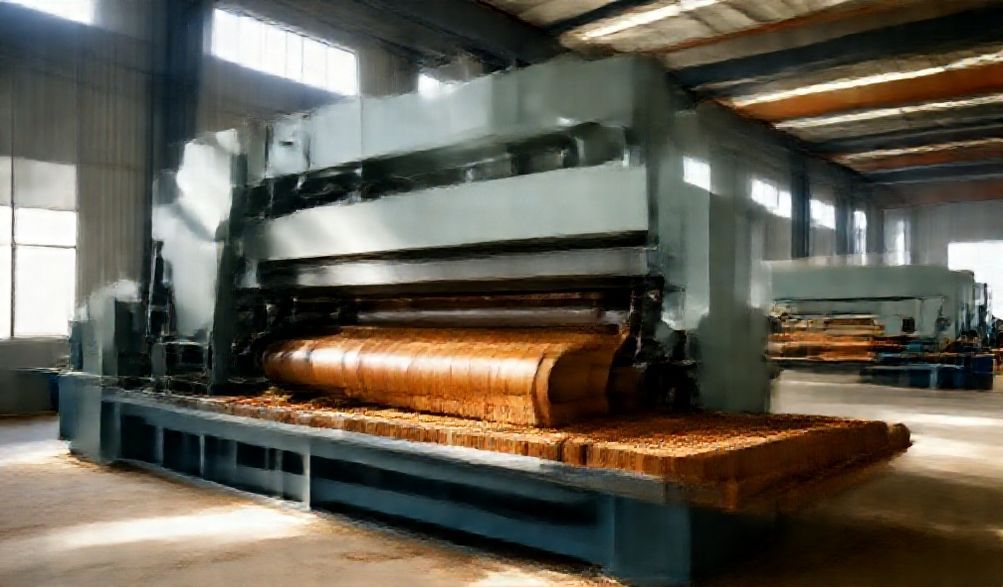
Jagorar Cikakkiyar Masana'antun Kera Tumatir na Kasa a China
Gabatarwa
A zamanin da wayewar yanayi da neman hanyoyin samun gidaje masu araha suka mamaye, hanyoyin gine-ginen da suka shahara a zamanin da suna sake farfadowa da karfi. Tubalan dausayi da aka matsa (CEBs), ko tubalin laka, suna kan gaba a wannan yunkuri. Suna ba da dorewa mara misaltuwa, ingantacciyar yanayin zafi, da kuma ƙarancin makamashi da ake buƙata idan aka kwatanta da tubalan da aka gasa ko kuma siminti.
Duk da haka, ga masu gini, ƙungiyoyin sa-kai na ci gaba, 'yan kasuwa na zamantakewa, da kwangila masu shirye don amfani da wannan damar, babban cikas ya bayyana: samun kayan aiki masu dogaro, masu inganci, da tsada. Tazarar da ke tsakanin aikin gine-ginen muhalli mai hangen nesa da kuma cimma shi, sau da yawa ana cika ta da tambayoyi game da ingancin kayan aiki, ƙarfin samarwa, da tallafin fasaha.
Nan ne tsarin masana'antu na China ke shiga cikin hoton. Ya zama cibiyar masana'antar kera injinan bulo ta laka a duniya ba tare da wata shakka ba, yana biyan kowane bukata—tun daga na'urar matsi ta hannu mai sauƙi don aikin al'umma har zuwa cikakken masana'antar hydraulic mai sarrafa kansa don samarwa na kasuwanci.
Kodayake, sarrafa wannan babbar kasuwa na iya zama abin tsoro. Wannan cikakken jagora ba an ƙirƙira shi daga hasashe ba, amma daga zurfin nazarin masana'antu, ƙa'idodin haɗin gwiwar masana'antu da aka kafa, da ƙwarewar sayayya da aka samu da wahala. Manufarmu ita ce mu ɗora muku ilimin da zai ba ku damar yanke shawara mai inganci, da kwarin gwiwa, da aminci. Za ku koyi yadda ake gano masana'antu masu mutunci, fahimtar nau'ikan injina daban-daban, sarrafa tsarin sayayya, da lissafin ainihin farashin saka kuɗinku.
Me Yasa Za a Sama Injinan Tubali na Laka daga China?
Zaɓar hanyar samun kayayyaki mataki ne na dabara. Na injinan bulo na laka, kasar Sin tana ba da wani yanayi mai ban sha'awa wanda ya dogara da sikelin samarwa, kirkire-kirkire, da kima wanda da wuya a sami irinsa a wani wuri.
Matsakaicin Sikelin Masana'antu da Gungun Masana'antu
Ƙarfin China ya ta'allaka ne a cikin tarin masana'antu masu tattarawa. Yankuna masu mahimmanci kamar...Shandong, Henan, da Fujiansuna gudanar da cibiyoyin narkewa masu yawa, masu samar da kayan aikin ruwa, da kuma masana'antun haɗawa na musamman.
- Wannan maida hankali yana haifar da haɗin kai mai ƙarfi.
- Masana'antu suna amfana da ingantattun hanyoyin samar da kayayyaki, suna rage farashin sassa da lokutan kai.
- A gare ku, wannan yana fassara zuwa ƙarin gasa farashi da kuma ingantaccen inganci a masana'antu da kuma bayan siyarwa maye gurbin sashi.
Bakan Fasaha da Kirkire-kirkire
Kasuwancin Sin ba guda ɗaya ba ne. Yana ba da cikakken tsarin fasaha:
- Mafita na Asali:Na'urorin buga na hannu masu ƙarfi da na rabin atomatik da suka dace don ayyuka masu ƙarancin girma ko waɗanda ba su da cibiyar sadarwa.
- Tsarin Ci-gaba:Tsarin ruwa mai sarrafa kansa gaba ɗaya, wanda ke samar da bulo dubu-dubu a cikin sa'a guda.
- Ƙwarewar Ƙirƙira:Masana'antu suna ci gaba da daidaita ƙira don nau'ikan ƙasa daban-daban (mai yawan yumbu, yashi, laterite) da kayan daidaitawa (kamar siminti ko lemun tsami), suna ba da injuna musamman don samar da Tubalan Ƙasa Masu Haɗin Kai (ISEBs).
Tasiri Mai Tsada da Tunani Kan Komawar Zuba Jari
Babban jarin farko sau da yawa shine mafi yawan abin da ke jan hankali. Na'urar yin bulo ta atomatik da ke kama da ita daga Turai ko Arewacin Amurka na iya kashe sau da yawa fiye da takwararta na kasar Sin.
- Wannan ƙaramin shigarwar yana haɓaka matuƙar ribar zuba jari (ROI) don kasuwancin ku ko aikin ku.
- Ra'ayi mai cikakkiyar fahimta game daFarashin Gabaɗaya Mallaka (FGM)yana da mahimmanci. Yayin da farashin na'ura ya yi ƙasa, dole ne ku yi la'akari da:
- Jigilar kaya da inshora na duniya.
- Harajin shigo da kaya da kuma biyan haraji a ƙasar ku.
- Yuwuwar farashin kulawar shigarwa.
- Ko da waɗannan ƙarin farashi, jimlar kashe kuɗi yawanci ta kasance mai fa'ida sosai.
Nau'ikan Injinan Yin Tubali na Laka da Ake Kera a China
Fahimtar nau'ikan injuna da ake da su shine matakin farko na ƙayyade bukatun ku.
Matsi na Hannu da Na Rago-Rago
Waɗannan su ne ƙwararrun gine-ginen ƙanana da na al'umma.
- Ya Dace Da:Masu sha'awar yin kai-da-kai, ƙananan gidaje, ayyukan gidaje da al'umma ke jagoranta, da kungiyoyi masu zaman kansu masu aiki mai yawa amma ƙaramin jari.
- Aiki:Yana dogaro da ƙarfin ɗan adam (na hannu) ko ƙaramin injin lantarki don matsawa (semi-oto). Sau da yawa yana motsi kuma baya buƙatar tushe mai sarkakiya.
- Sakamako:Yawanci 300-800 bulo a kowace rana na aikin sa'o'i takwas.
- Farashin Farashi:Sauƙin isa, gabaɗaya daga$1,000 zuwa $5,000.
Injin Yin Yin Yin Kera Bulo Gabaɗaya
Wannan shine zaɓi don ribar kasuwanci da kuma ingantaccen fitarwa mai inganci.
- Ya Dace Da:Kamfanoni masu samar da bulo don kamfanonin gine-gine, manyan ayyukan ci gaba, da 'yan kasuwa da ke nufin samar da yawan kaya.
- Aiki:Yana haɗa tsarin ciyarwa, matsawa, da fitarwa. Na'urar wutar lantarki ta tsakiya da Mai Sarrafa Lantarki (PLC) suna sarrafa duk zagayowar aikin ta atomatik. Yana ba da sarrafa daidai ga yawan kankara da siffar bulo.
- Sakamako:Daga1,000 zuwa sama da 5,000 bulo a cikin sa'a.dangane da samfurin da girman bulo.
- Farashin Farashi:Babban jari, daga$15,000 zuwa $80,000+.
Na'urori na Musamman: Na'urorin Gina Tubalan Haɗin Kai & Na'urori masu Ƙaura
- Injinoni na Tubalin Masu Haɗa Kai:Waɗannan suna samar da tubali tare da ƙirar ƙugiya da tsagi waɗanda ke kulle tare ba tare da turmi ba. Wannan yana haɓaka ginin gine-gine, yana rage buƙatar ƙwararrun ma'aikata, kuma yana ƙarfafa juriya ga girgizar ƙasa. Sun shahara a cikin rukunin na'urorin da ke aiki da kai da kuma na'urori masu sarrafa kansa.
- Mobile Units: Built on a trailer chassis, these machines can be towed directly to a construction site. They eliminate brick transportation costs, allowing production directly where the soil is excavated. Perfect for large, remote projects like dam construction, road building, or large housing estates.
How to Identify Reputable Chinese Factories
With thousands of suppliers online, separating credible partners from trading companies or unreliable workshops is critical.
Verifying Factory Credentials and Experience
Start with the fundamentals. A legitimate factory should transparently provide:
- Business License: Verify its scope includes “manufacturing” and “export.”
- Takaddun shaida: While not always mandatory, ISO 9001 for quality management is a strong positive indicator.
- Patents: Look for patents on machine design or key components—a sign of R&D investment.
- History: A track record of 8-10+ years in heavy machinery manufacturing suggests stability and experience.
- Export Proof: Request documented evidence of past exports (blurred commercial invoices or port records) to your region or similar markets.
Evaluating Technical Expertise and R&D
The quality of the machine is determined in the engineering office. Probe their technical depth:
- In-House Team: Do they have mechanical, hydraulic, and electrical engineers on staff?
- Keɓancewa: Will they modify standard designs based on your soil test report?
- Documentation: Request samples of their English manuals, electrical diagrams, and parts lists. Professional documentation reflects a professional operation.
- Material Guidance: A good supplier will advise on optimal soil mix ratios and moisture content for their machine.
The Critical Role of Factory Audits and Virtual Tours
A physical audit is ideal, but a rigorous virtual process is highly effective.
- Due Diligence Checklist: Create a list of items to verify: workshop size, inventory of raw materials (steel plate, hydraulic cylinders), quality control stations, and testing areas.
- Live Video Tour: Insist on a real-time video call, not a pre-recorded video. Walk through the production floor, ask to see welding quality, and observe assembly lines.
- Live Machine Test: The gold standard. Request a live demonstration where they produce bricks, preferably using a soil sample similar to yours. Observe the machine’s operation, brick ejection, and final brick quality.
The Procurement Process: From Inquiry to Delivery
A structured approach minimizes risk and ensures clarity for both parties.
Crafting a Detailed Inquiry and Getting Quotes
A vague inquiry gets vague quotes. Provide a clear specification sheet:
- Desired brick size (L x W x H) and type (solid, hollow, interlocking).
- Soil characteristics (provide a soil test report if available).
- Required Ƙarfin samarwa (bricks per day/hour).
- Available power source (voltage, phase, e.g., 380V/3Phase/50Hz).
- Level of automation (manual, semi-auto, full-auto).
- Analyze the Proforma Invoice (PI) carefully. It should detail the machine specs, payment terms, warranty, delivery time, and shipping terms.
Navigating Communication, Contracts, and Payment Terms
- Communication: Use clear, simple English. Confirm important details in writing (email). Tools like WeChat are common but ensure formal agreements are emailed.
- Contract: The PI, once accepted, becomes a contract. Ensure it includes all agreed-upon specs, a detailed warranty clause, a firm delivery date, and penalties for significant delays.
- Payment Terms: The most common and secure structure is:
- 30% deposit via T/T (Telegraphic Transfer) to confirm the order.
- 70% balance paid before shipment, after you receive and approve photos/videos of the finished, packed machine.
Quality Control, Shipping, and After-Sales Support
- Pre-Shipment Inspection (PSI): For orders over $20,000, hiring a local third-party QC agent (e.g., SGS, BV, or a reputable freelancer) is highly recommended. They will check construction quality, perform a test run, and verify packing.
- Shipping Terms:
- FOB (Kyauta akan Jirgi): You control the shipping and bear the cost and risk from the Chinese port onward. Offers more control and often lower freight costs.
- CIF (Farashi, Inshora, da Kaya): The supplier arranges and pays for shipping to a port in your country. Simpler but usually more expensive.
- After-Sales: Evaluate their support package:
- Warranty: Typically 12 months for core parts (excluding wear items like molds).
- Kayan Gyara: Are parts readily available? What is the pricing?
- Tallafin Fasaha: Do they provide online support (video call)? Will they send an engineer for installation (at an additional cost)?
Key Considerations Before Placing Your Order
Soil Testing and Machine Compatibility
This is the single most important technical step. Machine performance is intrinsically linked to your local soil.
- Conduct a professional soil analysis to determine its composition (clay, silt, sand content) and plasticity.
- Share this report with your shortlisted factories. Their recommendation on machine pressure and necessary mix additives (e.g., 5-10% cement) is a key test of their expertise.
Calculating Total Project Cost (Beyond the Machine Price)
Avoid budget surprises by modeling all costs:
- Machine Price (FOB or CIF).
- Shipping & Marine Insurance (if FOB).
- Import Duties & Taxes (varies by country; consult a local customs broker).
- Inland Transportation from your port to site.
- Installation & Commissioning (factory engineer travel or local technician fees).
- Initial Stock of Spare Parts and Wear Parts (molds, hydraulic seals).
Planning for Installation, Training, and Maintenance
- Installation: Discuss if the machine requires a special foundation. Clarify who will assemble it—your local team with remote guidance, or a factory engineer?
- Horarwa: Ensure comprehensive operational and safety training is part of the deal, either via detailed videos/manuals or on-site instruction.
- Maintenance Spares: Order a critical spare parts kit with the machine. This should include spare hydraulic hoses, seals, relays, and a mold or two.
FAQ Section
Q1: What is the average price range for a mud brick making machine from China?
A: Prices vary dramatically with specifications. Manual presses range from $1,000 zuwa $5,000. Semi-automatic machines range from $5,000 to $15,000. Fully automatic hydraulic production lines start around $15,000 and can exceed $80,000 for large, customized systems.
Q2: Can Chinese machines handle different types of soil, like clay or sandy soil?
A: Yes, but proper configuration is essential. Reputable factories will adjust the machine’s compression ratio, moisture control systems, and even mold design based on your soil analysis report. Sandy soil may require more stabilization (cement/lime) and different pressure settings than clay-rich soil.
Q3: How do I ensure the machine quality without visiting the factory?
A: Implement a multi-step verification: 1) Insist on a live video machine test, 2) Scrutinize all certifications and export records, 3) Contact provided references from your region, 4) For significant orders, hire a third-party inspection company for a pre-shipment check.
Q4: What is the typical lead time and warranty period?
A: Lead times vary: 15-30 days for standard models in stock, 45-60 days for standard production, and up to 90 days for highly customized lines. The standard warranty is 12 months for core components (engine, hydraulic cylinder, PLC), excluding consumable wear parts like molds.
Q5: Do factories provide installation guides and operational training?
A: Professional suppliers provide comprehensive English manuals, electrical schematics, and parts catalogs. Most offer detailed instructional videos. On-site installation and training by a factory engineer can almost always be negotiated for an additional fee covering their travel and time.
Ƙarshe
Sourcing a mud brick making machine from China represents a strategic opportunity to access advanced, scalable technology at a transformative price point. The journey’s success hinges on meticulous preparation—from understanding your soil to thoroughly vetting factories on their technical merit and transparency, not just their initial price quote.
Remember, you are not just buying a machine; you are forming a technical partnership. Prioritize suppliers who demonstrate a commitment to engineering excellence and clear communication. Treat the procurement process with the diligence it deserves: define your specs, conduct live virtual audits, and secure clear contractual terms.
Ready to take the next step? Begin by preparing a detailed project specification sheet outlining your brick requirements, soil conditions, and production goals. Use this guide as a framework to engage with a shortlist of pre-vetted factories. By investing time in this foundational phase, you are paving the way for a successful project that will deliver sustainable, affordable building materials for years to come, making a tangible positive impact on your local environment and economy.
<